For food manufacturers, distributors, and international importers, product quality does not end when production is complete. Proper storage, transportation, and handling play a major role in maintaining product quality throughout the supply chain. This is especially true for natural liquid sweeteners like coconut treacle. As demand for coconut-based ingredients continues to grow worldwide, many buyers want to understand the coconut treacle shelf life before making purchasing decisions. Knowing how long the product remains in good condition helps manufacturers manage inventory, reduce waste, and maintain consistent product quality.
Shelf life is particularly important for exporters because products often travel long distances before reaching customers. Ocean freight, warehousing, customs clearance, and local distribution all require time. A product with stable quality during transportation gives buyers greater confidence when sourcing internationally.
In addition, understanding proper syrup storage practices helps preserve flavor, color, aroma, and texture. When coconut treacle is stored correctly, it can maintain its premium characteristics throughout its intended shelf life.
This guide explains the factors that affect coconut treacle shelf life, best storage practices, packaging recommendations, and what international buyers should expect from professional suppliers.
What Is Coconut Treacle?
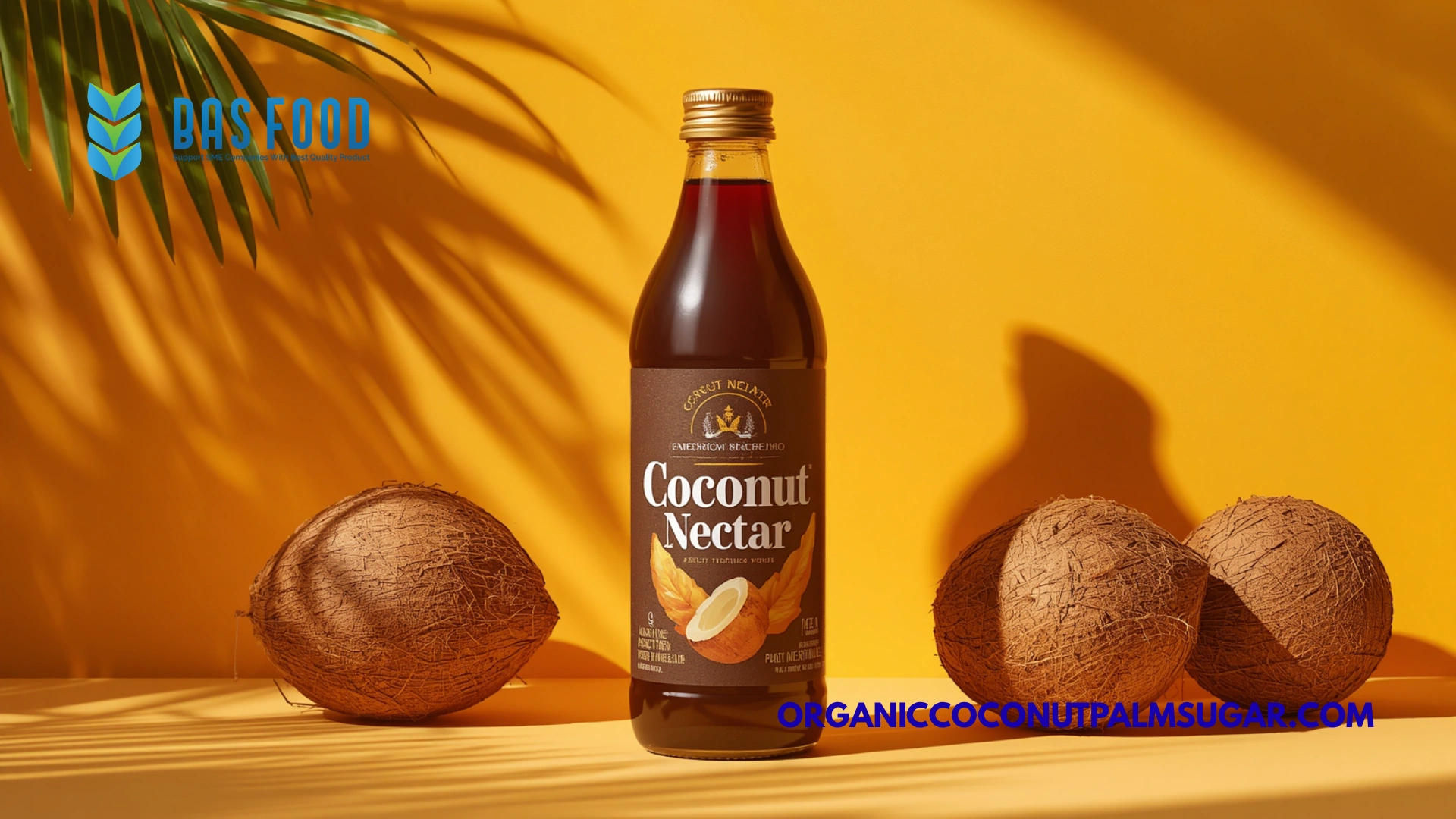
Coconut treacle is a natural syrup produced from the fresh sap collected from coconut flower blossoms.
Before coconut flowers develop into mature coconuts, they naturally produce sweet sap. Experienced farmers carefully collect this sap using traditional tapping methods that have been practiced in coconut-growing regions for generations.
Once harvested, the sap is filtered and gently heated to reduce moisture while preserving its natural flavor. This careful process creates a smooth syrup with a rich caramel-like taste that is known as coconut treacle.
The finished product usually has a golden to dark amber color and a pleasant natural sweetness. Because it undergoes relatively simple processing compared to highly refined syrups, coconut treacle has become increasingly popular among manufacturers looking for clean-label ingredients.
Today, coconut treacle is widely used in bakery products, beverages, confectionery, sauces, desserts, and health-oriented food products.
Understanding Coconut Treacle Shelf Life
The coconut treacle shelf life refers to the period during which the product maintains its expected quality when stored under appropriate conditions.
Shelf life does not necessarily mean the product becomes unsafe immediately after the stated date. Instead, it indicates the time during which the manufacturer expects the product to maintain its intended flavor, appearance, aroma, texture, and overall quality.
Several factors influence shelf life, including:
- Raw material quality
- Production process
- Moisture content
- Packaging quality
- Storage temperature
- Exposure to air
- Exposure to sunlight
- Handling throughout distribution
Professional manufacturers establish shelf life through stability testing, quality control procedures, and product evaluations.
Under recommended storage conditions and in properly sealed packaging, coconut treacle often has a commercial shelf life of approximately 12 to 24 months. However, the exact shelf life depends on the product formulation, packaging type, and the manufacturer’s validated testing. Buyers should always refer to the supplier’s product specifications and expiration dating rather than assuming a fixed duration.
Factors That Affect Coconut Treacle Shelf Life
Several important factors influence how long coconut treacle maintains its quality.
Moisture Content
Moisture plays an important role in syrup stability.
Manufacturers carefully control moisture levels during production to help maintain consistent product quality.
Packaging Quality
Packaging protects coconut treacle from contamination, air exposure, and moisture changes.
High-quality packaging contributes significantly to longer shelf life.
Storage Temperature
Stable temperatures help preserve product quality.
Large temperature fluctuations may affect product appearance and consistency over time.
Exposure to Light
Direct sunlight can gradually influence color and flavor.
For this reason, coconut treacle should be stored away from direct light whenever possible.
Oxygen Exposure
Once opened, contact with air increases.
Proper resealing helps preserve product quality during continued use.
Understanding these factors allows manufacturers and distributors to maximize product performance throughout the supply chain.
Best Practices for Syrup Storage
Proper syrup storage is one of the most effective ways to maintain coconut treacle quality.
Following a few simple practices helps preserve flavor, texture, and appearance.
Store in a Cool, Dry Place
Products should be kept away from excessive heat and humidity.
Controlled storage conditions help maintain product consistency.
Avoid Direct Sunlight
Sunlight may gradually affect color and flavor.
Storage in shaded areas is recommended.
Keep Containers Properly Sealed
After opening, containers should always be tightly closed.
This minimizes exposure to air and helps reduce moisture absorption.
Use Clean Handling Procedures
Manufacturers and food service operators should always use clean utensils when dispensing coconut treacle.
This helps reduce the risk of contamination.
Follow First-In, First-Out (FIFO)
Inventory rotation ensures older stock is used before newer shipments.
FIFO systems support efficient warehouse management and reduce unnecessary waste.
Good storage practices benefit both suppliers and end users.
Packaging Options That Help Extend Shelf Life
Packaging plays a major role in protecting coconut treacle during transportation and storage.
Professional exporters typically offer several packaging options depending on customer requirements.
Glass Bottles
Glass provides excellent protection against external contamination and is often used for retail products.
Food-Grade Plastic Bottles
Plastic packaging offers durability and reduced transportation weight.
Many manufacturers choose this option for commercial applications.
Jerry Cans
Larger food-grade containers are suitable for food manufacturers requiring higher volumes.
Industrial Drums
Bulk buyers often prefer drums for large-scale production.
These containers support efficient transportation and storage.
The right packaging depends on product application, shipment volume, and customer preferences.
Why Shelf Life Matters for International Buyers
For importers, shelf life directly affects inventory management and customer satisfaction.
Products shipped internationally may spend several weeks in transit before reaching their final destination.
A stable coconut treacle shelf life provides buyers with greater flexibility when managing warehouse inventory and production schedules.
Longer remaining shelf life upon arrival also allows manufacturers more time to use the product efficiently.
Reliable exporters carefully manage production schedules to ensure customers receive fresh products with sufficient remaining shelf life.
This practice strengthens long-term business relationships.
Quality Control Supports Product Stability
Professional manufacturers use comprehensive quality management systems to maintain product consistency.
Quality control begins with careful raw material selection.
Fresh coconut blossom sap contributes to higher-quality finished products.
During production, manufacturers monitor critical parameters such as processing temperature, product consistency, and packaging quality.
Finished products often undergo laboratory testing to verify compliance with established specifications.
Many exporters also operate under internationally recognized food safety systems such as:
- HACCP
- ISO 22000
- FSSC 22000
These systems support consistent manufacturing and improve buyer confidence.
Why Indonesia Is a Leading Source of Coconut Treacle
Indonesia is one of the world’s largest producers of coconut-based ingredients.
Its tropical climate supports year-round coconut cultivation, creating a reliable supply of fresh coconut blossom sap.
Millions of coconut trees provide the raw materials needed for high-quality coconut treacle production.
Indonesia also benefits from generations of experience in coconut farming and traditional sap harvesting.
Modern processing facilities combine this expertise with advanced food safety systems to produce export-quality products for global markets.
These advantages make Indonesia a preferred sourcing destination for coconut treacle.
Choosing the Right Coconut Treacle Supplier
Selecting the right supplier involves more than comparing prices.
Professional buyers evaluate suppliers based on several important factors.
Look for suppliers that offer:
- Consistent product quality
- Food safety certifications
- Reliable export experience
- Appropriate packaging options
- Product traceability
- Laboratory testing
- Responsive customer support
Strong supplier relationships help reduce risk and improve long-term business success.
Partner with CV Bonafide Anugerah Sentosa
CV Bonafide Anugerah Sentosa is a trusted Indonesian exporter of premium coconut-based products for international markets.
The company supplies high-quality coconut treacle produced from carefully selected coconut blossom sap and processed under strict quality management systems.
In addition to coconut treacle, CV Bonafide Anugerah Sentosa exports coconut nectar, coconut sugar, organic coconut sugar, virgin coconut oil, coconut milk products, spices, coffee products, and fishery products.
With extensive export experience, reliable production capacity, and a commitment to customer satisfaction, the company helps importers and food manufacturers source premium Indonesian ingredients with confidence.
Conclusion
Understanding coconut treacle shelf life is essential for manufacturers, distributors, and international buyers.
Proper production methods, high-quality packaging, and effective syrup storage practices all contribute to maintaining product quality from the factory to the final customer.
By partnering with experienced suppliers that follow strict quality control and food safety standards, businesses can reduce waste, improve inventory management, and deliver consistent products to their customers.
As demand for natural sweeteners continues growing worldwide, coconut treacle remains an excellent choice for companies seeking a versatile, premium, and reliable ingredient.