Consumers today are paying more attention to what goes into their food than ever before. While taste remains important, buyers are increasingly interested in nutritional information, ingredient sourcing, and how certain foods affect their bodies. One topic that continues to attract attention is the glycemic index of sweeteners. As a result, manufacturers are searching for alternatives to traditional refined sugar. Among the options gaining popularity is coconut treacle, a natural syrup derived from coconut blossom sap. Many food companies now use coconut treacle in beverages, bakery products, snacks, and specialty foods because of its unique flavor and natural origin.
A common question among both consumers and food manufacturers concerns the coconut treacle glycemic index. People want to understand how it compares to conventional sweeteners and whether it fits into the growing market for low GI sweeteners.
Although glycemic index is only one factor to consider when evaluating a sweetener, it plays an important role in consumer purchasing decisions. Understanding how coconut treacle fits into modern food trends can help manufacturers develop products that appeal to health-conscious markets.
In this article, we will explore the concept of glycemic index, examine coconut treacle’s characteristics, compare it with other sweeteners, and discuss why it is becoming increasingly popular worldwide.
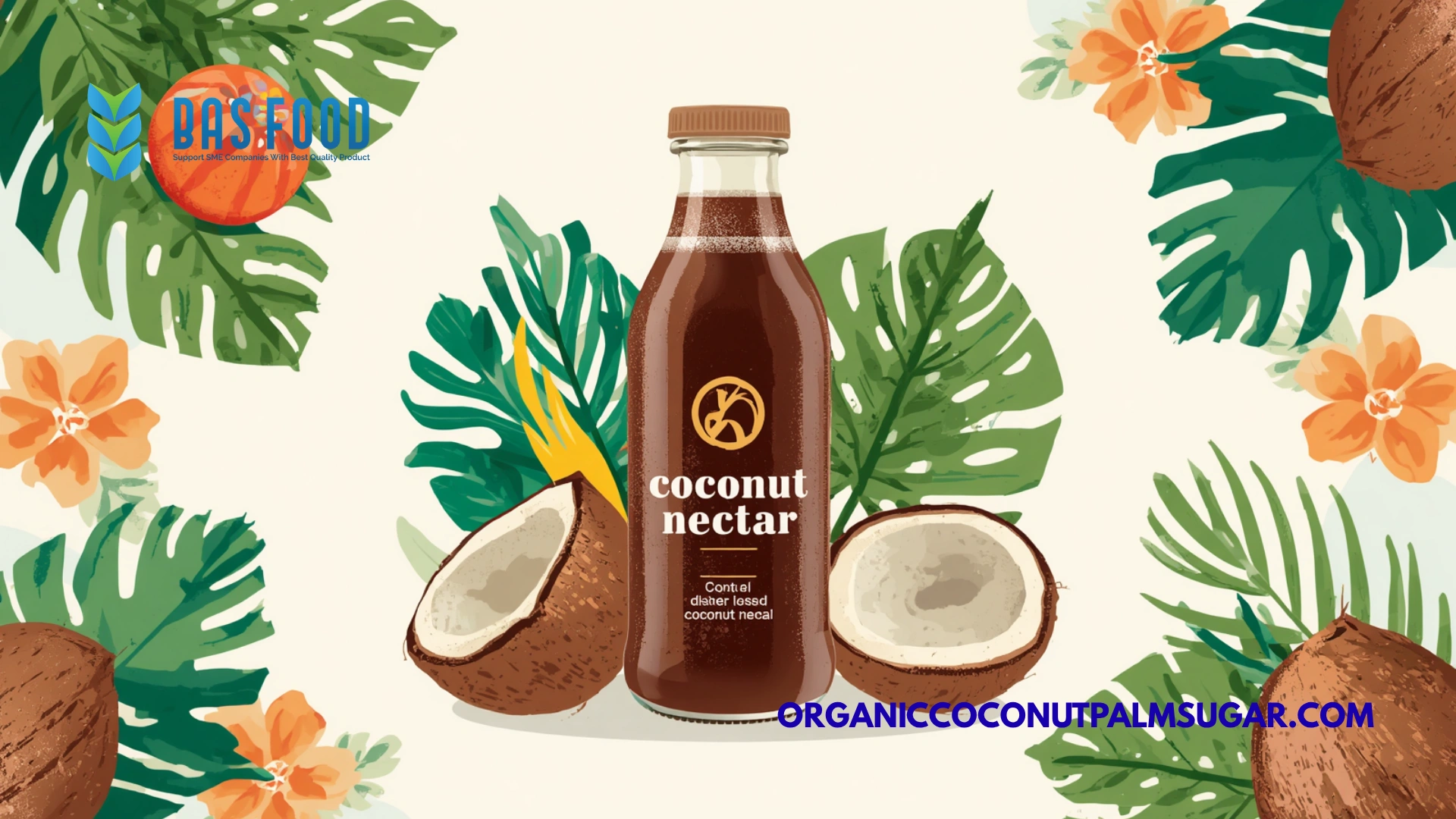
What Is Coconut Treacle?
Coconut treacle is a natural syrup produced from the sap collected from coconut flower blossoms.
Before coconut flowers develop into mature coconuts, they release a naturally sweet sap. Farmers carefully harvest this sap using traditional tapping methods that have been practiced for generations in coconut-growing regions.
After collection, the sap is filtered and gently heated to reduce moisture content. This process creates a rich syrup known as coconut treacle.
The finished product typically has a deep amber color, smooth consistency, and a pleasant caramel-like flavor. Unlike highly refined sweeteners, coconut treacle undergoes relatively simple processing, making it attractive to consumers who prefer ingredients with a natural origin.
Today, coconut treacle is widely used in beverages, bakery products, sauces, desserts, and health-focused food applications.
Understanding Glycemic Index in Simple Terms
Before discussing the coconut treacle glycemic index, it is important to understand what glycemic index actually means.
Glycemic Index, often abbreviated as GI, is a system used to measure how quickly carbohydrate-containing foods may affect blood glucose levels after consumption.
Foods are generally categorized into three groups:
- Low GI: 55 or below
- Medium GI: 56–69
- High GI: 70 or above
The glycemic index does not evaluate nutritional quality. Instead, it focuses specifically on how quickly carbohydrates are converted into glucose.
Many consumers use GI information as part of their overall dietary decision-making process. Consequently, food manufacturers often highlight sweeteners that are perceived as belonging to the category of low GI sweeteners.
However, it is important to remember that glycemic response can vary based on individual factors, serving size, and the overall composition of a meal.
Coconut Treacle Glycemic Index: What Does It Mean?
One reason coconut treacle attracts attention is its association with lower glycemic index values compared to some traditional sweeteners.
Because coconut treacle originates from coconut blossom sap and undergoes relatively minimal processing, many consumers perceive it as a more natural sweetening option.
Research conducted on coconut-derived sweeteners has often suggested that they may have lower glycemic characteristics than highly refined sugar products. However, actual glycemic values can vary depending on:
- Production methods
- Processing conditions
- Product formulation
- Laboratory testing procedures
- Regional variations in raw materials
For this reason, manufacturers should rely on verified laboratory testing when making specific glycemic claims.
Nevertheless, the growing interest in the coconut treacle glycemic index demonstrates how consumer awareness continues influencing food ingredient selection.
Many brands use coconut treacle as part of broader clean-label and natural ingredient strategies rather than focusing solely on glycemic properties.
Why Consumers Are Looking for Low GI Sweeteners
The demand for low GI sweeteners has expanded significantly in recent years.
Several consumer trends are driving this growth.
Increased Nutrition Awareness
Consumers today actively research food ingredients before making purchasing decisions.
Many shoppers want products that align with their personal health and wellness goals.
Clean Label Preferences
People increasingly prefer ingredients they can recognize and understand.
Natural sweeteners often fit well within clean-label product strategies.
Premium Product Demand
Premium food categories continue growing worldwide.
Specialty sweeteners help manufacturers create products that stand apart from conventional alternatives.
Product Innovation
Food companies continuously seek ingredients that offer unique functionality and market appeal.
Coconut treacle provides both a distinctive flavor profile and a compelling ingredient story.
These factors help explain why low GI and natural sweeteners continue attracting attention across global markets.
Coconut Treacle vs Refined Sugar
When discussing the coconut treacle glycemic index, comparisons with refined sugar naturally arise.
Although both ingredients provide sweetness, they differ in several important ways.
Source Material
Refined sugar is typically produced from sugar cane or sugar beet through extensive refining processes.
Coconut treacle comes from coconut blossom sap.
Flavor Profile
Refined sugar delivers a neutral sweet taste.
Coconut treacle contributes sweetness along with rich caramel-like notes.
Processing Methods
Refined sugar generally undergoes extensive industrial processing.
Coconut treacle usually involves fewer processing stages.
Consumer Perception
Many consumers associate coconut treacle with natural and minimally processed food trends.
This perception contributes to its growing popularity in premium food categories.
As a result, manufacturers increasingly incorporate coconut treacle into products targeting health-conscious and quality-focused consumers.
Applications of Coconut Treacle in Food Manufacturing
The popularity of coconut treacle extends beyond nutritional discussions.
Its versatility makes it useful across many food and beverage categories.
Beverage Industry
Manufacturers use coconut treacle in:
- Coffee drinks
- Tea beverages
- Functional drinks
- Smoothies
- Plant-based beverages
Its liquid format simplifies formulation and production.
Bakery Products
Coconut treacle performs exceptionally well in:
- Cakes
- Cookies
- Muffins
- Bread products
- Dessert fillings
Its caramel notes enhance overall flavor complexity.
Snack Foods
Many brands incorporate coconut treacle into:
- Protein bars
- Granola bars
- Energy snacks
- Health-oriented products
- Sauces and Condiments
Its syrup consistency works well in marinades, glazes, gourmet sauces, and specialty condiments.
This versatility contributes significantly to its market growth.
Why Food Manufacturers Are Choosing Coconut Treacle
Manufacturers evaluate ingredients based on functionality, consumer appeal, sourcing reliability, and market trends.
Coconut treacle offers advantages in all these areas.
Supports Clean Label Strategies
Consumers increasingly prefer recognizable ingredients.
Coconut treacle aligns well with clean-label initiatives.
Enhances Product Storytelling
Modern buyers value transparency and ingredient origin.
Coconut treacle provides a compelling sourcing narrative.
Supports Product Differentiation
Unique ingredients help brands stand out in competitive markets.
Aligns with Natural Ingredient Trends
The growing demand for naturally sourced ingredients continues supporting coconut treacle adoption.
Together, these benefits make coconut treacle attractive for both manufacturers and consumers.
Sustainability Adds Additional Value
Sustainability is becoming an important purchasing factor throughout the food industry.
Consumers increasingly evaluate products based on environmental and social considerations.
Fortunately, coconut treacle production supports sustainable agricultural practices.
Farmers harvest sap without harming coconut trees.
The trees continue producing flowers, coconuts, and sap for many years.
Additionally, coconut treacle production supports rural farming communities and helps generate income in coconut-growing regions.
These sustainability advantages strengthen the overall market appeal of coconut-based sweeteners.
Why Indonesia Is a Leading Source of Coconut Treacle
Indonesia is one of the world’s largest coconut-producing countries.
Its tropical climate provides ideal growing conditions and supports year-round production.
Millions of coconut trees contribute to a large agricultural network that supplies raw materials for coconut treacle manufacturing.
Indonesia also benefits from generations of expertise in coconut cultivation and sap harvesting.
Many producers combine traditional agricultural knowledge with modern food safety systems to meet international quality standards.
These advantages have established Indonesia as a preferred sourcing destination for coconut-derived sweeteners.
Partner with CV Bonafide Anugerah Sentosa for Premium Coconut Treacle
CV Bonafide Anugerah Sentosa supplies premium coconut treacle sourced from Indonesia’s leading coconut-growing regions.
The company works closely with experienced farmers and processing facilities to ensure product consistency, reliable supply, and export-ready quality.
In addition to coconut treacle, CV Bonafide Anugerah Sentosa supplies coconut nectar, coconut sugar, organic coconut sugar, virgin coconut oil, coconut milk products, spices, coffee products, and fishery products.
With extensive export experience and strong sourcing networks, the company helps international buyers secure high-quality Indonesian ingredients that support product innovation and long-term business growth.
Conclusion
The growing interest in the coconut treacle glycemic index reflects broader consumer demand for natural, transparent, and innovative sweetening solutions.
While glycemic index is only one factor to consider when evaluating a sweetener, it remains an important consideration for many consumers and food manufacturers.
As interest in low GI sweeteners continues expanding, coconut treacle is becoming an increasingly attractive option due to its natural origin, unique flavor, versatility, and sustainability advantages.
For manufacturers, importers, and distributors seeking premium ingredients that align with modern food trends, coconut treacle offers significant opportunities for product development and market differentiation.