The global food industry is changing fast. Consumers are now more aware of what they eat, and they expect products that are both nutritious and enjoyable. As a result, manufacturers are actively searching for ingredients that can meet these expectations while still delivering on taste, texture, and shelf life. One ingredient that is gaining serious traction is coconut flour. Once considered a niche product, it has now become a strategic component in modern food production. From gluten-free snacks to high-fiber energy bars, coconut flour is proving to be more than just an alternative—it is becoming a standard.
In this article, we explore how coconut flour is shaping the snack and health food manufacturing industry. We will break down its benefits, applications, and why it is an ideal choice for B2B buyers looking to stay competitive.
The Rise of Coconut Flour in Modern Food Manufacturing
Coconut flour is made from dried coconut meat after the extraction of coconut milk or oil. This process results in a fine, soft flour that is naturally gluten-free and rich in dietary fiber. Over the last decade, its popularity has grown significantly, especially in the health-conscious segment.
Manufacturers are increasingly turning to coconut flour because it aligns with current market demands. Consumers want clean-label products with recognizable ingredients. Coconut flour fits perfectly into this trend. It is natural, minimally processed, and free from artificial additives.
Moreover, coconut flour supports multiple dietary preferences. It is suitable for gluten-free, paleo, and low-carb diets. This flexibility allows manufacturers to target a broader audience without reformulating their entire product line.
From a production standpoint, coconut flour also offers efficiency. It has a long shelf life and is stable under various storage conditions. This makes it ideal for large-scale manufacturing and international distribution.
Nutritional Value That Drives Product Innovation
One of the strongest selling points of coconut flour is its nutritional profile. It is high in fiber, contains moderate protein, and has lower carbohydrates compared to traditional wheat flour. These attributes make it an excellent choice for creating healthier snack options.
High fiber content is particularly important. It helps improve digestion and promotes a feeling of fullness. For snack manufacturers, this is a key advantage. Products made with coconut flour can be marketed as satisfying and functional, not just convenient.
In addition, coconut flour contains beneficial fats, primarily medium-chain triglycerides (MCTs). These fats are known for their quick energy release and potential metabolic benefits. This makes coconut flour a valuable ingredient in energy bars, protein snacks, and fitness-oriented products.
As demand grows for healthy snack ingredients, coconut flour stands out as a reliable and versatile option. It allows manufacturers to enhance the nutritional value of their products without compromising taste.
Applications in Coconut Flour Snacks and Health Foods
Coconut flour is incredibly versatile. It can be used in a wide range of snack and health food products. This includes baked goods, extruded snacks, granola bars, and even savory items.
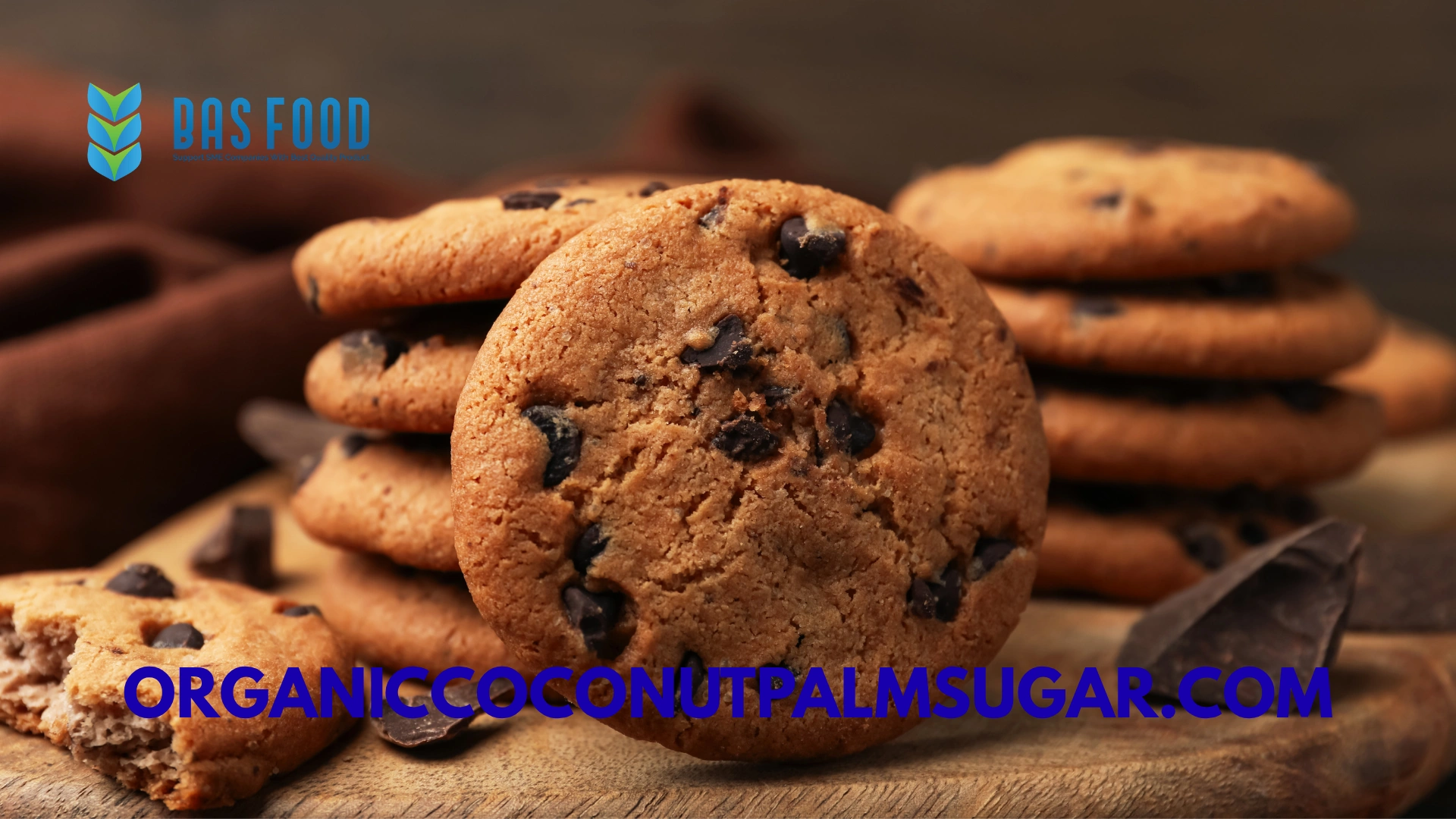
In baked snacks, coconut flour adds a mild coconut flavor and a soft texture. It works well in cookies, muffins, and cakes. However, due to its high absorbency, it is often blended with other flours to achieve the desired consistency.
For extruded snacks, coconut flour can improve fiber content and create a unique texture. It is commonly used in chips and puffs that target health-conscious consumers. These coconut flour snacks are becoming increasingly popular in both retail and online markets.
Energy bars and protein snacks also benefit from coconut flour. It acts as a binding agent while adding nutritional value. This makes it easier to formulate products that are both functional and appealing.
Furthermore, coconut flour is suitable for savory applications. It can be used in coatings, crackers, and even meat alternatives. This versatility opens up new possibilities for product development and innovation.
Functional Benefits in Food Processing
Beyond nutrition, coconut flour offers several functional benefits that make it attractive for manufacturers. One of its key properties is its high water absorption capacity. This helps improve moisture retention in baked goods, resulting in softer textures and longer shelf life.
Coconut flour also contributes to better structure in gluten-free products. Since it does not contain gluten, it is often combined with eggs or binding agents. This allows manufacturers to create products with good texture and stability without relying on wheat.
Another advantage is its natural sweetness. Coconut flour has a slightly sweet taste, which can reduce the need for added sugars. This is particularly useful in the production of low-sugar or sugar-free snacks.
In addition, coconut flour is allergen-friendly. It is free from common allergens such as gluten, soy, and nuts. This makes it easier to produce inclusive products that cater to a wider range of consumers.
These functional benefits make coconut flour not just an ingredient, but a strategic asset in food formulation.
Market Demand and Global Opportunities
The global market for coconut-based products is expanding rapidly. This growth is driven by increasing consumer awareness of health and wellness. As a result, the demand for coconut flour is expected to continue rising in the coming years.
Europe and North America are key markets for coconut flour snacks and health foods. Consumers in these regions are willing to pay a premium for high-quality, nutritious products. This creates strong opportunities for exporters and manufacturers.
At the same time, emerging markets in Asia and the Middle East are also showing interest. As urbanization increases and lifestyles change, more consumers are looking for convenient yet healthy food options.
For B2B buyers, this presents a valuable opportunity. By incorporating coconut flour into their product lines, they can tap into a growing market and differentiate themselves from competitors.
Why Indonesia is a Strategic Source for Coconut Flour
Indonesia is one of the world’s leading producers of coconuts. This gives it a natural advantage in producing high-quality coconut flour. The country’s tropical climate supports year-round coconut farming, ensuring a consistent supply.
Indonesian coconut flour is known for its quality and purity. It is produced using modern processing techniques while maintaining traditional practices. This combination results in a product that meets international standards.
In addition, Indonesian suppliers offer competitive pricing and flexible export options. This makes it easier for global buyers to source coconut flour in bulk.
Companies like CV Bonafide Anugerah Sentosa play a key role in this ecosystem. As a trusted exporter, they provide a wide range of coconut-based products, including coconut flour, coconut sugar, and other derivatives. Their commitment to quality and reliability makes them a preferred partner for international buyers.
Challenges and Considerations in Using Coconut Flour
While coconut flour offers many benefits, it also comes with certain challenges. One of the main issues is its high absorbency. This means that formulations need to be carefully adjusted to achieve the desired texture.
Manufacturers may need to experiment with different ratios and combinations. This can increase development time, especially for new products. However, once optimized, the results are highly rewarding.
Another consideration is cost. Coconut flour can be more expensive than traditional flours. However, its added value in terms of nutrition and functionality often justifies the investment.
Supply chain management is also important. Working with reliable suppliers ensures consistent quality and timely delivery. This is crucial for maintaining production efficiency and meeting market demand.
Future Trends in Coconut Flour-Based Products
The future of coconut flour looks promising. As consumer preferences continue to evolve, the demand for natural and functional ingredients will grow. Coconut flour is well-positioned to meet these needs.
Innovation will play a key role. We can expect to see more advanced applications, such as fortified snacks, plant-based alternatives, and personalized nutrition products.
Sustainability is another important trend. Coconut flour is a byproduct of coconut processing, which makes it an eco-friendly ingredient. This aligns with the growing focus on sustainable food production.
Digitalization and e-commerce will also influence the market. Manufacturers who adopt these trends can reach a wider audience and respond quickly to changing demands.
Conclusion: A Smart Ingredient for a Smarter Market
Coconut flour is more than just a trend. It is a practical and strategic ingredient that supports innovation in snack and health food manufacturing. With its strong nutritional profile, functional benefits, and wide range of applications, it offers significant value to manufacturers.
As the demand for coconut flour snacks and healthy snack ingredients continues to grow, businesses that adopt coconut flour will be better positioned to succeed. By partnering with reliable suppliers like CV Bonafide Anugerah Sentosa, companies can ensure quality, consistency, and scalability.
In a competitive market, choosing the right ingredients can make all the difference. Coconut flour is one of those choices that delivers on every level.