The global food industry is undergoing a major transformation. Consumers are moving toward plant-based diets, not only for health reasons but also for sustainability and ethical concerns. As a result, food manufacturers are actively searching for ingredients that align with these values while still delivering on quality and taste. One ingredient that continues to gain attention is coconut flour. Once seen as a niche product, it has now become a strategic component in plant-based and vegan food production. Its versatility, nutritional value, and natural origin make it an ideal choice for modern food innovation.
In this comprehensive guide, we explore how coconut flour supports the development of plant-based foods, why it is valuable for B2B manufacturers, and how it can help brands stay competitive in a fast-growing market.
The Rise of Plant-Based Foods and the Role of Coconut Flour
The plant-based food market has grown rapidly over the last decade. Consumers are becoming more aware of the impact of their food choices on health and the environment. As a result, demand for vegan and plant-based products continues to rise across global markets.
This shift has created new challenges for manufacturers. They need ingredients that can replace traditional animal-based or gluten-based components without sacrificing quality. Coconut flour offers a strong solution. It is naturally plant-based, gluten-free, and minimally processed.
Moreover, coconut flour supports clean-label trends. Consumers prefer products with simple and recognizable ingredients. Coconut flour fits this expectation perfectly. It is made from dried coconut meat, without complex processing or synthetic additives.
As demand increases for plant based flour, coconut flour stands out as a reliable and scalable option for manufacturers. It allows businesses to innovate while maintaining product integrity.
Understanding Coconut Flour: Composition and Nutritional Strength
Coconut flour is produced from coconut meat after the extraction of coconut milk or oil. The remaining material is dried and finely ground into flour. This process results in a soft, light powder with a mild coconut flavor.
Nutritionally, coconut flour offers several advantages. It is rich in dietary fiber, which supports digestion and helps create a feeling of fullness. This is especially important in vegan food products, where satiety can be a key selling point.
In addition, coconut flour contains moderate protein and healthy fats. These nutrients contribute to balanced energy levels and improved product functionality. Unlike refined flours, coconut flour has a lower glycemic index, making it suitable for health-focused consumers.
The combination of these properties makes coconut flour vegan products both nutritious and appealing. Manufacturers can use it to enhance product value while meeting consumer expectations for healthier food options.
Functional Benefits in Vegan Food Production
Coconut flour is not just about nutrition. It also provides important functional benefits that help in food processing and formulation. One of its most notable characteristics is its high water absorption capacity.
This property helps retain moisture in baked goods, resulting in softer textures and longer shelf life. For vegan products, which often lack traditional binding agents like eggs, this is a major advantage.
Additionally, coconut flour works well as a natural thickener. It can be used in sauces, fillings, and plant-based dairy alternatives. This allows manufacturers to create products with better consistency and mouthfeel.
Another benefit is its natural sweetness. Coconut flour has a mild, pleasant taste that can reduce the need for added sugar. This supports the development of healthier vegan products without compromising flavor.
These functional qualities make coconut flour an essential ingredient in modern plant-based food innovation.
Applications of Coconut Flour in Plant-Based and Vegan Products
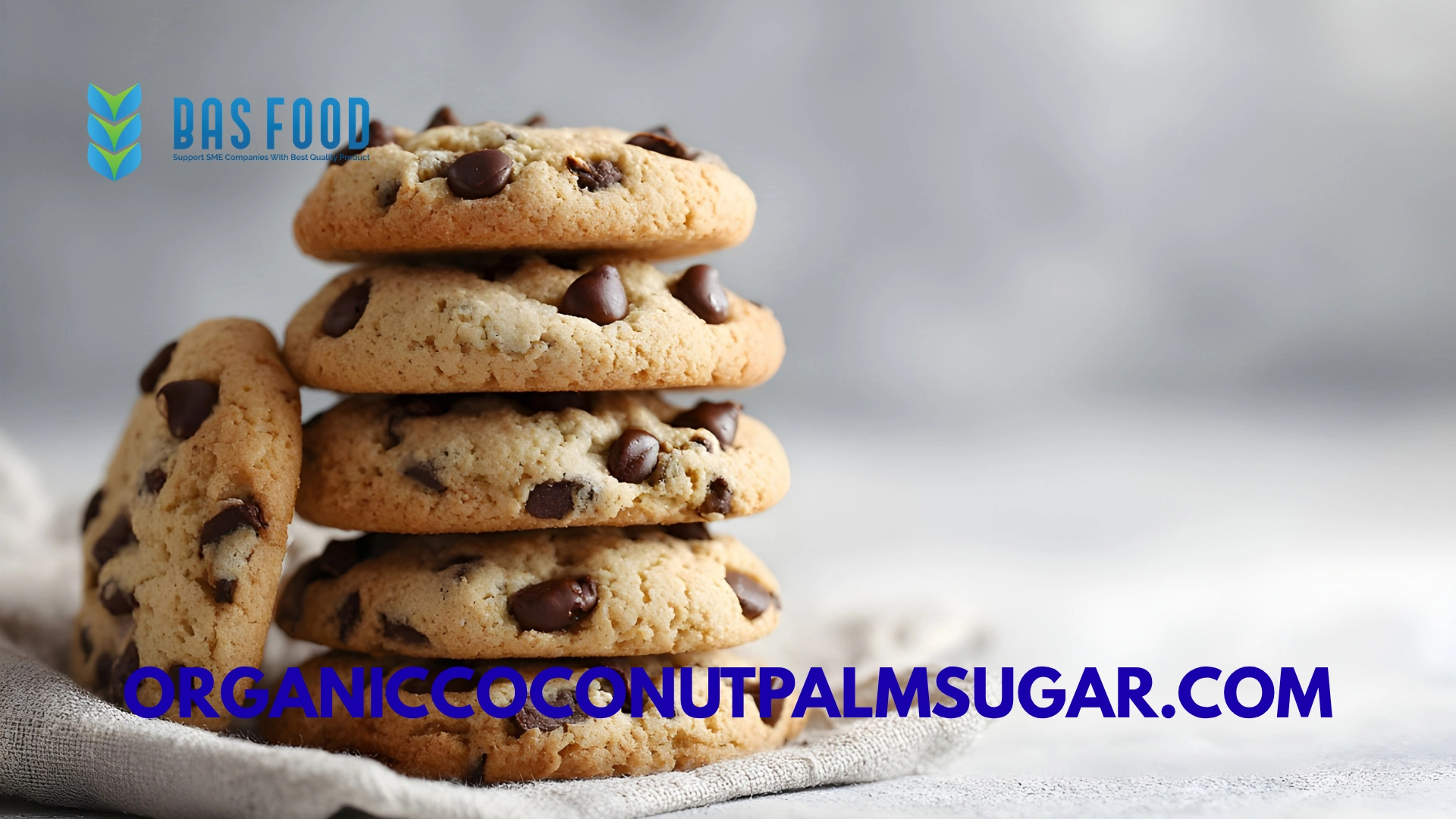
Coconut flour is highly versatile and can be used in a wide range of vegan applications. It plays a key role in baked goods such as bread, muffins, cookies, and cakes. Its ability to improve texture and nutritional value makes it a popular choice among manufacturers.
In addition, coconut flour is widely used in snack production. Vegan snack bars, protein bites, and energy balls often include coconut flour as a base ingredient. These products benefit from its fiber content and binding properties.
Another important application is in plant-based meat alternatives. Coconut flour can be used as a filler or binder, helping to create structure and improve texture. It also works well in coatings and breading for vegan products.
Furthermore, coconut flour is used in dairy alternatives. It can enhance the texture of plant-based yogurts, desserts, and beverages. This versatility allows manufacturers to explore new product categories and expand their offerings.
With the growing popularity of coconut flour vegan products, its applications will continue to expand across the food industry.
Market Trends and Global Demand for Coconut Flour
The demand for plant-based foods is not limited to one region. It is a global trend that continues to grow across Europe, North America, and Asia. Consumers are willing to pay more for products that align with their values and lifestyle choices.
This creates strong opportunities for coconut flour suppliers and exporters. As a natural and sustainable ingredient, coconut flour fits perfectly into this market trend. It supports both health and environmental goals.
In Europe, strict regulations and high quality standards drive demand for premium ingredients. Coconut flour meets these requirements, making it a preferred choice for manufacturers. In North America, innovation and product diversity continue to fuel growth.
Emerging markets are also showing interest. As awareness increases, more consumers are exploring plant-based diets. This opens new opportunities for businesses to expand their reach and grow their market share.
Indonesia as a Key Supplier of Coconut Flour
Indonesia is one of the world’s largest coconut producers. Its tropical climate and rich agricultural resources make it an ideal location for coconut cultivation. This ensures a steady supply of raw materials for coconut flour production.
Indonesian coconut flour is known for its quality and consistency. Producers combine traditional knowledge with modern processing techniques to meet international standards. This results in a product that is both reliable and competitive.
For B2B buyers, sourcing from Indonesia offers several advantages. These include cost efficiency, scalability, and access to a wide range of coconut-based products.
CV Bonafide Anugerah Sentosa is a trusted exporter that provides high-quality coconut flour along with other coconut derivatives. With a strong commitment to quality and global standards, the company supports manufacturers in building successful plant-based product lines.
Challenges in Using Coconut Flour and How to Overcome Them
Despite its many benefits, coconut flour does come with some challenges. One of the main issues is its high absorbency. It requires more liquid compared to traditional flours, which can complicate formulation.
To address this, manufacturers often blend coconut flour with other flours. This helps achieve the desired texture and consistency. Testing and product development are essential to find the right balance.
Another challenge is cost. Coconut flour can be more expensive than conventional flours. However, its nutritional and functional benefits often justify the investment, especially in premium product segments.
Supply chain reliability is also important. Working with experienced exporters ensures consistent quality and timely delivery. This helps maintain production efficiency and product standards.
Future Outlook: Innovation and Sustainability
The future of coconut flour in plant-based food production looks very promising. As consumer demand continues to grow, manufacturers will need innovative ingredients that support both health and sustainability.
Coconut flour is well-positioned to meet these needs. It is a byproduct of coconut processing, which makes it an environmentally friendly option. This aligns with the global focus on reducing food waste and promoting sustainable practices.
In the coming years, we can expect to see more advanced applications of coconut flour. These may include fortified foods, functional snacks, and personalized nutrition products.
Digital transformation will also play a role. Manufacturers who adopt new technologies can improve efficiency and respond quickly to market changes. This will help them stay competitive in a dynamic industry.
Conclusion: A Strategic Ingredient for the Plant-Based Era
Coconut flour is more than just an alternative ingredient. It is a strategic solution for manufacturers looking to succeed in the plant-based and vegan food market. Its nutritional value, functional benefits, and versatility make it an essential component of modern food production.
As demand for coconut flour vegan products and plant based flour continues to rise, businesses that invest in coconut flour will gain a competitive advantage. By partnering with reliable suppliers like CV Bonafide Anugerah Sentosa, manufacturers can ensure consistent quality and long-term success.
In a rapidly evolving market, the right ingredients make all the difference. Coconut flour is one of those ingredients that delivers real value.