The global shift toward low-carb and ketogenic diets has transformed the food industry. Consumers are actively looking for products that help them reduce carbohydrate intake without sacrificing taste or texture. As a result, food manufacturers are investing in alternative ingredients that align with these dietary trends. Among the most promising options, coconut flour has emerged as a standout. Its low carbohydrate content, high fiber levels, and natural origin make it ideal for modern formulations. The growing popularity of coconut flour keto products reflects this demand.
At the same time, manufacturers are exploring better alternatives to traditional flours. The concept of low carb flour coconut is gaining traction as companies aim to develop healthier and more functional food products.
In this comprehensive guide, we explore how coconut flour is used in low-carb and keto products, its functional benefits, formulation challenges, and why it is becoming a key ingredient in this fast-growing market.
Understanding Coconut Flour in Low-Carb and Keto Diets
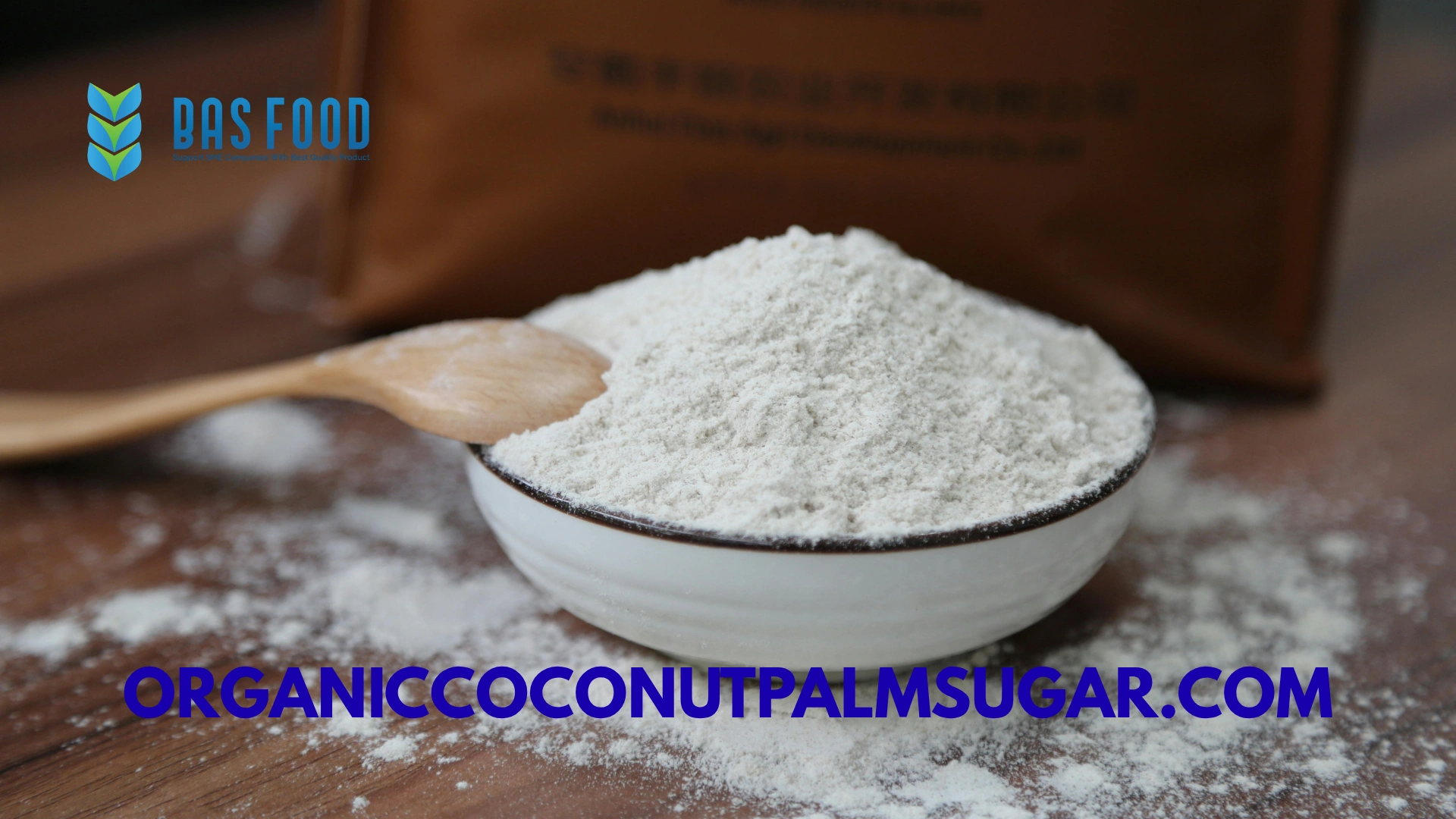
Coconut flour is a fine powder made from dried coconut meat. It is typically produced after extracting coconut milk or oil, making it a sustainable byproduct.
What makes coconut flour keto especially valuable is its nutritional profile. It is naturally low in digestible carbohydrates and high in dietary fiber. This combination supports blood sugar control and aligns with ketogenic principles.
In addition, coconut flour is gluten-free. This makes it suitable for consumers with gluten intolerance while also supporting clean-label formulations.
The concept of low carb flour coconut is built on these properties. It allows manufacturers to create products that meet both dietary needs and consumer expectations.
Understanding these characteristics is the foundation for successful product development.
Why Coconut Flour Is Ideal for Keto Product Development
There are several reasons why coconut flour is widely used in keto formulations. First, it has a low net carbohydrate content. This makes it compatible with strict low-carb diets.
Second, coconut flour keto products benefit from high fiber content. Fiber reduces the impact of carbohydrates on blood sugar levels.
In addition, coconut flour has a mild flavor. This makes it easy to incorporate into various recipes without affecting taste.
Another advantage is its versatility. It can be used in baked goods, snacks, and even savory products.
As a low carb flour coconut, it supports innovation across multiple product categories.
Functional Properties in Low-Carb Formulations
Coconut flour has unique functional properties that influence product development. One of the most important is its high water absorption capacity.
In coconut flour keto applications, this means that recipes require more liquid compared to traditional flours. This helps maintain moisture and prevents dryness.
In addition, coconut flour contributes to structure. While it does not contain gluten, it can still provide binding when combined with other ingredients.
Another key factor in low carb flour coconut formulations is texture. Coconut flour helps create soft and moist products when used correctly.
These functional properties make it a valuable ingredient, but they also require careful formulation.
Applications in Keto and Low-Carb Products
Coconut flour is used in a wide range of keto products. One of the most common applications is in baked goods such as bread, muffins, and pancakes.
In coconut flour keto baking, it helps create products that are both low in carbohydrates and high in fiber.
In addition, coconut flour is widely used in snack production. It is found in protein bars, crackers, and low-carb cookies.
Another growing application is in ready-to-eat meals and meal replacements. Coconut flour is used as a thickening and binding agent.
As a versatile low carb flour coconut, it supports innovation across multiple product categories.
Benefits for Food Manufacturers
Using coconut flour offers several advantages for manufacturers. First, it supports product differentiation. Low-carb and keto products are in high demand.
Second, coconut flour keto formulations provide nutritional benefits. High fiber content adds value to finished products.
Third, it supports clean-label trends. Consumers prefer natural and minimally processed ingredients.
In addition, coconut flour improves shelf life. Its moisture retention helps keep products fresh for longer periods.
From a business perspective, low carb flour coconut solutions allow companies to enter new market segments and increase profitability.
Challenges and Solutions in Keto Formulation
Despite its benefits, coconut flour presents challenges. One of the main issues is its high absorption rate.
In coconut flour keto recipes, using too much flour can result in dry and dense products. To address this, developers must carefully balance liquid ingredients.
Another challenge is the lack of gluten. Without gluten, products may lack elasticity and structure.
To improve low carb flour coconut performance, manufacturers often combine coconut flour with other ingredients such as almond flour or binding agents.
These solutions help achieve the desired texture and consistency.
Nutritional Advantages and Consumer Appeal
Coconut flour offers strong nutritional benefits. It is rich in fiber, which supports digestive health and helps regulate blood sugar levels.
In addition, coconut flour keto products align with current consumer trends. There is a growing demand for low-carb and high-fiber foods.
Coconut flour also supports weight management. Its high fiber content promotes satiety.
As a low carb flour coconut, it adds both functional and marketing value to products.
This combination of health benefits and consumer appeal makes it a strategic ingredient.
Quality Standards and Industrial Requirements
For large-scale production, quality and consistency are critical. Manufacturers must ensure that coconut flour meets strict standards.
Key parameters include moisture content, particle size, and microbiological safety. These factors directly impact product performance.
In coconut flour keto applications, uniform particle size ensures consistent mixing and texture.
In addition, suppliers must comply with international certifications such as HACCP and ISO.
A reliable supplier ensures consistent low carb flour coconut performance across production batches.
Indonesia as a Leading Source of Coconut Flour
Indonesia is one of the largest producers of coconuts in the world. This makes it a key supplier of coconut flour for global markets.
The abundance of raw materials ensures a stable supply. This is important for manufacturers who require consistent sourcing.
In addition, Indonesian producers are investing in modern processing facilities. This helps them produce high-quality flour.
Cost efficiency is another advantage. Local production reduces costs, making Indonesian coconut flour competitive.
As a source of coconut flour keto products, Indonesia offers both quality and reliability.
Why CV Bonafide Anugerah Sentosa Is a Trusted Partner
CV Bonafide Anugerah Sentosa is a reliable exporter of coconut products from Indonesia. They specialize in supplying high-quality coconut flour for global markets.
They understand the needs of coconut flour keto product development and focus on delivering consistent quality.
In addition, they offer flexible packaging options and competitive pricing. This makes them a strong partner for international buyers.
Their experience in export markets ensures efficient logistics and documentation.
By supporting consistent low carb flour coconut performance, they help manufacturers achieve reliable production results.
Conclusion: A Key Ingredient for Keto Innovation
Coconut flour is transforming the low-carb and keto food industry. Its unique nutritional profile and functional properties make it a valuable ingredient.
From baked goods to snacks, coconut flour keto applications offer significant advantages.
However, success depends on understanding its behavior. Proper formulation is key to optimizing low carb flour coconut performance.
For manufacturers, choosing the right supplier is critical. A reliable partner ensures consistent quality and supply.
Indonesia remains a leading source of coconut flour, offering both quality and cost advantages.
By integrating coconut flour into your product line, you can meet consumer demand and stay competitive in the growing keto market.