The global demand for functional foods is rising fast. Consumers are no longer satisfied with products that simply taste good. They want food that supports energy, digestion, fitness, and overall well-being. As a result, manufacturers are under pressure to create products that deliver both nutrition and performance. Protein bars are one of the fastest-growing categories in this space, and coconut flour protein bars are popular for their nutritious appeal. They are convenient, portable, and easy to position as healthy. However, developing a protein bar that balances texture, taste, and nutrition is not simple. This is where coconut flour steps in as a smart solution.
In this in-depth article, we explore how coconut flour is transforming the formulation of protein bars and functional foods. We will also explain why coconut flour protein bars are gaining global attention and how this functional ingredient coconut flour can help B2B manufacturers stay ahead in a competitive market.
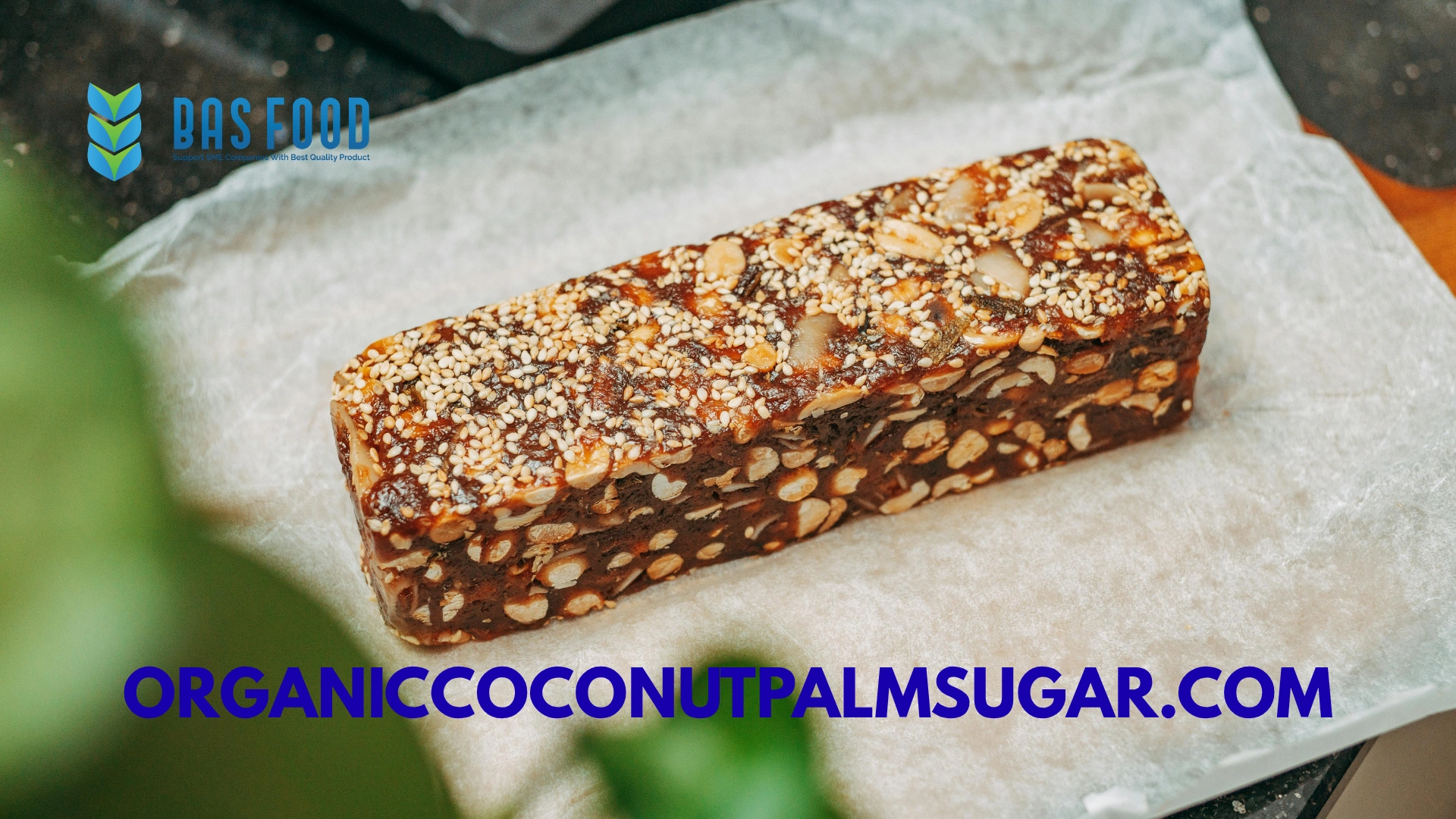
The Rise of Functional Foods and High-Performance Snacking
The food industry is shifting toward functionality. Consumers now look for benefits such as high protein, low sugar, high fiber, and clean ingredients. This trend has fueled the growth of functional snacks, especially protein bars.
Protein bars are no longer limited to athletes. Today, they are consumed by busy professionals, students, and health-conscious individuals. This broad audience creates both opportunity and complexity for manufacturers.
To meet these expectations, manufacturers need ingredients that can deliver multiple benefits at once. Coconut flour fits perfectly into this requirement. It offers fiber, structure, and natural flavor in one ingredient.
Moreover, the demand for plant-based and gluten-free products continues to rise. Coconut flour supports these trends, making it easier to develop products that appeal to a wide audience. This is why many brands are turning to functional ingredient coconut flour in their formulations.
What Makes Coconut Flour Unique?
Coconut flour is produced from dried coconut meat after extracting coconut milk or oil. The remaining material is finely ground into a soft, light flour. This process creates a nutrient-dense ingredient with unique functional properties.
One of its key features is its high fiber content. Coconut flour contains significantly more fiber than traditional flours. This supports digestive health and helps create a feeling of fullness, which is important in snack products.
In addition, coconut flour has moderate protein levels and healthy fats. These nutrients contribute to sustained energy release. For protein bars, this is a major advantage because consumers expect long-lasting energy.
Another important characteristic is its low glycemic index. This makes coconut flour suitable for products targeting blood sugar control and weight management. As a result, coconut flour protein bars can be positioned as healthier alternatives in the market.
Functional Benefits in Protein Bar Formulation
Formulating a protein bar involves balancing several factors, including texture, binding, moisture, and shelf life. Coconut flour offers multiple functional benefits that support this process.
First, coconut flour has high water absorption capacity. It can hold moisture effectively, which helps prevent bars from becoming dry or crumbly. This improves the overall eating experience.
Second, it acts as a natural binder. In many protein bar recipes, achieving the right structure can be challenging. Coconut flour helps hold ingredients together, reducing the need for artificial binders.
Third, coconut flour contributes to texture. It creates a soft and slightly dense consistency that works well in protein bars. This is important because texture is a key factor in consumer satisfaction.
Additionally, its mild natural sweetness allows manufacturers to reduce added sugar. This supports the development of low-sugar or sugar-free products. These advantages make functional ingredient coconut flour a valuable tool in product development.
Applications in Coconut Flour Protein Bars
Coconut flour is widely used in different types of protein bars. It works well in both baked and no-bake formulations, giving manufacturers flexibility in production.
In baked protein bars, coconut flour helps create a stable structure. It improves moisture retention and enhances shelf life. This is particularly useful for products that need to withstand long distribution chains.
In no-bake bars, coconut flour acts as a binding and thickening agent. It helps combine ingredients like protein powder, nuts, and syrups into a cohesive product. This simplifies the production process.
Coconut flour also blends well with other ingredients such as whey protein, plant-based protein, cocoa, and natural sweeteners. This versatility allows manufacturers to create a wide range of flavors and textures.
As demand grows, coconut flour protein bars are becoming a key category in both retail and online markets.
Expanding into Functional Food Categories
Beyond protein bars, coconut flour is used in a wide range of functional foods. These include energy bites, meal replacement products, high-fiber snacks, and dietary supplements.
In energy bites and snack balls, coconut flour provides structure and nutritional value. It helps create compact, nutrient-dense products that are easy to consume on the go.
In meal replacement products, coconut flour contributes to satiety. Its high fiber content helps keep consumers full for longer periods. This is a key selling point in weight management products.
Coconut flour is also used in gluten-free baked goods and health-focused snacks. It supports clean-label formulations and enhances nutritional profiles.
These diverse applications highlight the importance of functional ingredient coconut flour in modern food innovation.
Clean Label and Consumer Appeal
Today’s consumers are more aware of what they eat. They prefer products with simple, natural ingredients. This trend is known as the clean-label movement.
Coconut flour aligns perfectly with this trend. It is minimally processed and easy to understand. This makes it attractive to both manufacturers and consumers.
In addition, coconut flour is free from gluten, soy, and many common allergens. This makes it suitable for a wide range of dietary needs. Products made with coconut flour can target multiple market segments at once.
The natural origin of coconut flour also supports sustainability messaging. As a byproduct of coconut processing, it helps reduce waste. This adds value to the ingredient and strengthens brand positioning.
For these reasons, coconut flour protein bars are often marketed as premium, health-focused products.
Global Market Trends and Demand
The global market for functional foods is expanding rapidly. Consumers in Europe, North America, and Asia are driving demand for healthier snack options.
Protein bars are a major part of this growth. They are convenient, versatile, and easy to market. As competition increases, manufacturers need to differentiate their products.
Using coconut flour is one way to achieve this. It adds nutritional value and supports clean-label claims. This helps products stand out in crowded markets.
At the same time, emerging markets are showing strong potential. As awareness of health and nutrition grows, demand for functional snacks is increasing.
For B2B buyers, this creates opportunities to expand product lines and reach new customers.
Indonesia as a Leading Supplier of Coconut Flour
Indonesia is one of the largest producers of coconuts in the world. This gives it a strong advantage in supplying coconut-based products.
Coconut flour from Indonesia is known for its quality and consistency. Producers use modern processing techniques while maintaining high standards.
For manufacturers, sourcing from Indonesia offers several benefits. These include stable supply, competitive pricing, and access to a wide range of coconut products.
CV Bonafide Anugerah Sentosa is a trusted exporter that provides high-quality coconut flour for global markets. The company supports B2B buyers with reliable supply and international standards.
Partnering with the right supplier is essential for maintaining product quality and meeting market demand.
Challenges and Formulation Considerations
While coconut flour offers many benefits, it also requires careful handling in formulations. One of the main challenges is its high absorbency.
Because it absorbs more liquid than other flours, recipes need to be adjusted. This may involve adding more moisture or combining it with other ingredients.
Another consideration is texture. While coconut flour creates a soft structure, it can become dense if not balanced properly. Testing and optimization are essential.
Cost can also be a factor. Coconut flour may be more expensive than traditional flours. However, its added value often justifies the investment.
With proper formulation, these challenges can be managed effectively.
Future Outlook: Innovation in Functional Ingredients
The future of coconut flour in functional foods looks very promising. As demand for healthier products continues to grow, manufacturers will need innovative ingredients.
Coconut flour is well-positioned to meet this demand. Its nutritional profile, functionality, and sustainability make it a strong candidate for future applications.
We can expect to see more advanced formulations, including fortified protein bars and personalized nutrition products. Coconut flour will play a key role in these innovations.
Technology will also improve processing and formulation techniques. This will make it easier to use coconut flour in a wider range of products.
Conclusion: A Smart Ingredient for Modern Nutrition
Coconut flour is more than just an alternative flour. It is a powerful ingredient that supports innovation in protein bars and functional foods.
With its high fiber content, functional benefits, and clean-label appeal, it offers significant value to manufacturers. As demand grows for coconut flour protein bars and products using functional ingredient coconut flour, businesses that adopt this ingredient will gain a competitive edge.
By working with trusted suppliers like CV Bonafide Anugerah Sentosa, manufacturers can ensure consistent quality and reliable supply.
In today’s fast-moving market, the right ingredient can make all the difference. Coconut flour is one of those ingredients that delivers both performance and value.