The food industry is evolving at a fast pace. Manufacturers are no longer focused only on taste and cost. Today, they must also consider nutrition, sustainability, clean labels, and functional performance. This shift has created strong demand for ingredients that can deliver multiple benefits at once. Coconut flour has emerged as one of those high-value ingredients. Once seen as a secondary product, it is now widely used across industrial food processing. Its versatility, nutritional profile, and functional properties make it a strategic choice for manufacturers.
In this comprehensive guide, we explore how industrial coconut flour is used in food processing, its benefits for large-scale production, and why it is gaining attention in global markets. We also highlight its role in coconut flour B2B use and how it supports innovation across food categories.
Understanding Industrial Coconut Flour: Composition and Production
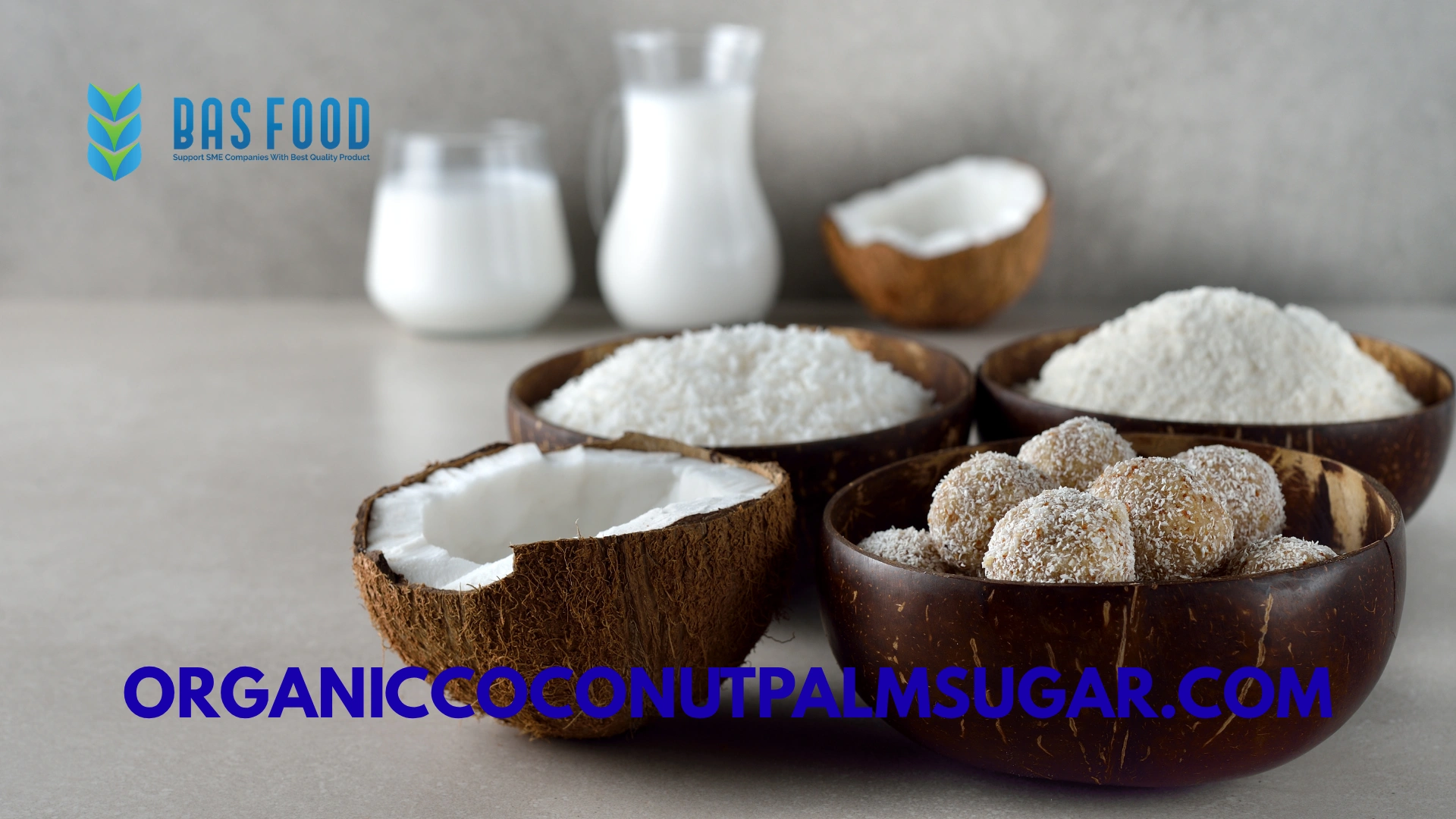
Coconut flour is produced from coconut meat after the extraction of coconut milk or oil. The remaining material is dried and finely ground into a soft, powder-like flour. This process transforms what was once considered a byproduct into a valuable food ingredient.
At an industrial level, production focuses on consistency, hygiene, and quality control. Manufacturers use controlled drying techniques to preserve nutrients while ensuring food safety. The result is a stable product that meets international standards.
From a composition standpoint, coconut flour is rich in dietary fiber. It also contains moderate protein and healthy fats. These properties make it different from traditional flours like wheat or rice.
In addition, coconut flour is naturally gluten-free. This expands its usability across various food applications, especially in markets with high demand for gluten-free products. As a result, industrial coconut flour is now a key ingredient in modern food manufacturing.
Functional Properties That Drive Industrial Performance
One of the main reasons coconut flour is widely used in food processing is its functional versatility. It offers several properties that improve product quality and manufacturing efficiency.
First, coconut flour has high water absorption capacity. It can hold several times its weight in water. This helps improve moisture retention in baked goods and processed foods. As a result, products remain soft and fresh for longer periods.
Second, coconut flour acts as a natural thickener and stabilizer. It can improve the texture of sauces, fillings, and processed foods. This reduces the need for artificial additives and supports clean-label formulations.
Third, it contributes to structure and binding. In many formulations, especially gluten-free products, achieving the right texture can be challenging. Coconut flour helps create a stable structure without relying on gluten.
These functional benefits make coconut flour B2B use highly valuable for manufacturers looking to optimize both performance and product quality.
Applications in Bakery and Snack Manufacturing
One of the largest applications of coconut flour is in bakery and snack production. It is widely used in products such as bread, cookies, cakes, and muffins.
In bakery applications, coconut flour enhances moisture retention and improves shelf life. It also adds a mild coconut flavor that complements both sweet and savory products. However, due to its absorbency, it is often blended with other flours.
Snack manufacturing is another key area. Coconut flour is used in chips, crackers, and extruded snacks. It increases fiber content and supports healthier product positioning.
Manufacturers also use coconut flour in granola bars and snack clusters. It acts as a binding agent while adding nutritional value. This makes it ideal for products targeting health-conscious consumers.
With growing demand for better-for-you snacks, industrial coconut flour is becoming a core ingredient in this segment.
Role in Gluten-Free and Specialty Food Production
The demand for gluten-free products continues to grow worldwide. Consumers are looking for alternatives that offer both nutrition and taste. Coconut flour plays a significant role in meeting this demand.
In gluten-free baking, coconut flour provides structure and density. It helps replace wheat flour while maintaining product integrity. However, formulations often require adjustments to balance texture.
Coconut flour is also used in specialty diets such as keto, paleo, and low-carb products. Its low carbohydrate content makes it suitable for these applications.
In addition, it supports allergen-free formulations. Coconut flour does not contain common allergens like gluten or soy. This makes it easier for manufacturers to develop inclusive products.
These advantages highlight the importance of coconut flour B2B use in niche and high-growth food categories.
Applications in Processed Foods and Ready-to-Eat Products
Beyond bakery and snacks, coconut flour is used in various processed foods. It plays a role in ready-to-eat meals, sauces, and meat alternatives.
In processed foods, coconut flour acts as a thickening agent. It improves consistency and enhances mouthfeel. This is particularly useful in soups, gravies, and ready meals.
In plant-based meat alternatives, coconut flour is used as a filler and binder. It helps create structure and improve texture. This supports the development of meat-free products that mimic traditional textures.
Coconut flour is also used in coatings and breading. It adds crispiness and improves adhesion. This makes it suitable for fried and baked products.
These diverse applications demonstrate the flexibility of industrial coconut flour in large-scale food production.
Nutritional Advantages for Value-Added Products
Nutrition is a key driver in today’s food industry. Consumers expect products that offer health benefits without compromising taste.
Coconut flour is rich in dietary fiber, which supports digestion and satiety. This makes it valuable in products designed for weight management and digestive health.
It also contains healthy fats, including medium-chain triglycerides. These fats provide quick energy and are easier to digest compared to long-chain fats.
In addition, coconut flour has a lower glycemic index than many traditional flours. This helps regulate blood sugar levels, making it suitable for diabetic-friendly products.
These nutritional benefits allow manufacturers to position their products as functional and health-oriented. As a result, coconut flour B2B use supports both product innovation and market differentiation.
Sustainability and Clean Label Advantages
Sustainability is becoming a major focus in the food industry. Companies are looking for ingredients that reduce waste and support environmentally friendly practices.
Coconut flour is a byproduct of coconut processing. Instead of being discarded, it is converted into a valuable ingredient. This reduces waste and improves resource efficiency.
In addition, coconut farming has a relatively low environmental impact compared to other crops. This supports sustainable sourcing practices.
Coconut flour also aligns with clean-label trends. It is minimally processed and easy to understand. This makes it appealing to consumers who prefer natural ingredients.
These factors make industrial coconut flour a strong choice for companies focused on sustainability and transparency.
Global Market Demand and B2B Opportunities
The global demand for coconut flour is growing rapidly. This is driven by trends in health, sustainability, and plant-based diets.
Europe and North America are major markets for coconut flour products. Consumers in these regions are willing to pay a premium for high-quality, functional ingredients.
At the same time, Asia-Pacific is emerging as a growth region. Increasing urbanization and changing lifestyles are driving demand for convenient and healthy foods.
For B2B buyers, this creates significant opportunities. Incorporating coconut flour into product lines can help companies enter new markets and expand their offerings.
As demand continues to rise, coconut flour B2B use will play a critical role in global food supply chains.
Indonesia as a Leading Supplier of Coconut Flour
Indonesia is one of the world’s largest producers of coconuts. Its natural resources and climate make it an ideal location for coconut-based industries.
Indonesian coconut flour is known for its quality and consistency. Producers use modern processing methods to meet international standards.
For global buyers, sourcing from Indonesia offers several advantages. These include stable supply, competitive pricing, and access to a wide range of coconut products.
CV Bonafide Anugerah Sentosa is a trusted exporter that supplies high-quality coconut flour for industrial use. The company supports B2B clients with reliable supply and global compliance.
Partnering with experienced suppliers ensures product quality and long-term success.
Challenges and Technical Considerations
While coconut flour offers many benefits, it also presents certain challenges. One of the main issues is its high absorbency. This requires careful formulation adjustments.
Manufacturers often need to balance coconut flour with other ingredients. This helps achieve the desired texture and consistency.
Another challenge is product density. Coconut flour can create a dense texture if not properly managed. Testing and optimization are essential for successful formulations.
Cost is also a consideration. Coconut flour may be more expensive than conventional flours. However, its added value often offsets the higher cost.
With proper planning and expertise, these challenges can be effectively managed.
Future Trends in Industrial Coconut Flour Applications
The future of coconut flour in food processing looks very promising. As consumer preferences continue to evolve, demand for functional ingredients will grow.
Coconut flour is well-positioned to meet these needs. Its nutritional profile and versatility make it suitable for a wide range of applications.
We can expect to see more innovation in product development. This includes fortified foods, plant-based products, and personalized nutrition solutions.
Technology will also play a role in improving processing and formulation. This will make it easier to use coconut flour in new and advanced applications.
Conclusion: A Strategic Ingredient for Modern Food Processing
Coconut flour has evolved from a byproduct into a high-value industrial ingredient. Its functional properties, nutritional benefits, and sustainability make it a powerful tool for food manufacturers.
As demand grows for industrial coconut flour and expanded coconut flour B2B use, companies that adopt this ingredient will gain a competitive advantage.
By working with reliable suppliers like CV Bonafide Anugerah Sentosa, manufacturers can ensure consistent quality and supply.
In today’s competitive market, the right ingredient can define success. Coconut flour is one of those ingredients that delivers real value across the entire food processing industry.