The global demand for coconut-based ingredients continues to grow every year. Food manufacturers, bakery companies, confectionery brands, and health-focused businesses are increasingly using desiccated coconut in their products. As this demand expands, buyers are searching for reliable sourcing destinations that can provide stable supply, competitive pricing, and high product quality. Among all producing countries, Indonesia stands out as one of the strongest players in the coconut industry. The country has become a trusted source for coconut products because of its rich agricultural resources and extensive export experience. Today, many international buyers consider an indonesia desiccated coconut supplier as a strategic business partner for long-term procurement.
This article explores why Indonesia has become a leading exporter of desiccated coconut. It also explains market trends, production advantages, certifications, and how buyers can choose the best coconut supplier for their business needs.
Why Indonesia Dominates the Global Coconut Industry
Indonesia is one of the largest coconut-producing countries in the world. Its tropical climate allows coconut trees to grow throughout the year, creating a stable and sustainable supply chain.
The country has millions of hectares of coconut plantations spread across several islands. Regions such as Sumatra, Java, Sulawesi, and Maluku contribute significantly to national production. Because of this wide production base, Indonesia can supply large export volumes consistently.
Another major advantage is the experience of Indonesian exporters. Many companies have supplied international markets for decades. They understand export regulations, quality standards, and buyer expectations from different regions.
This combination of strong agricultural resources and export capability makes the indonesia desiccated coconut supplier industry highly competitive in global trade.
In addition, the concept of coconut origin indonesia has become associated with quality and reliability. Buyers often view Indonesian coconut products as premium ingredients because of their natural cultivation conditions and stable production systems.
Understanding Desiccated Coconut and Its Industrial Importance
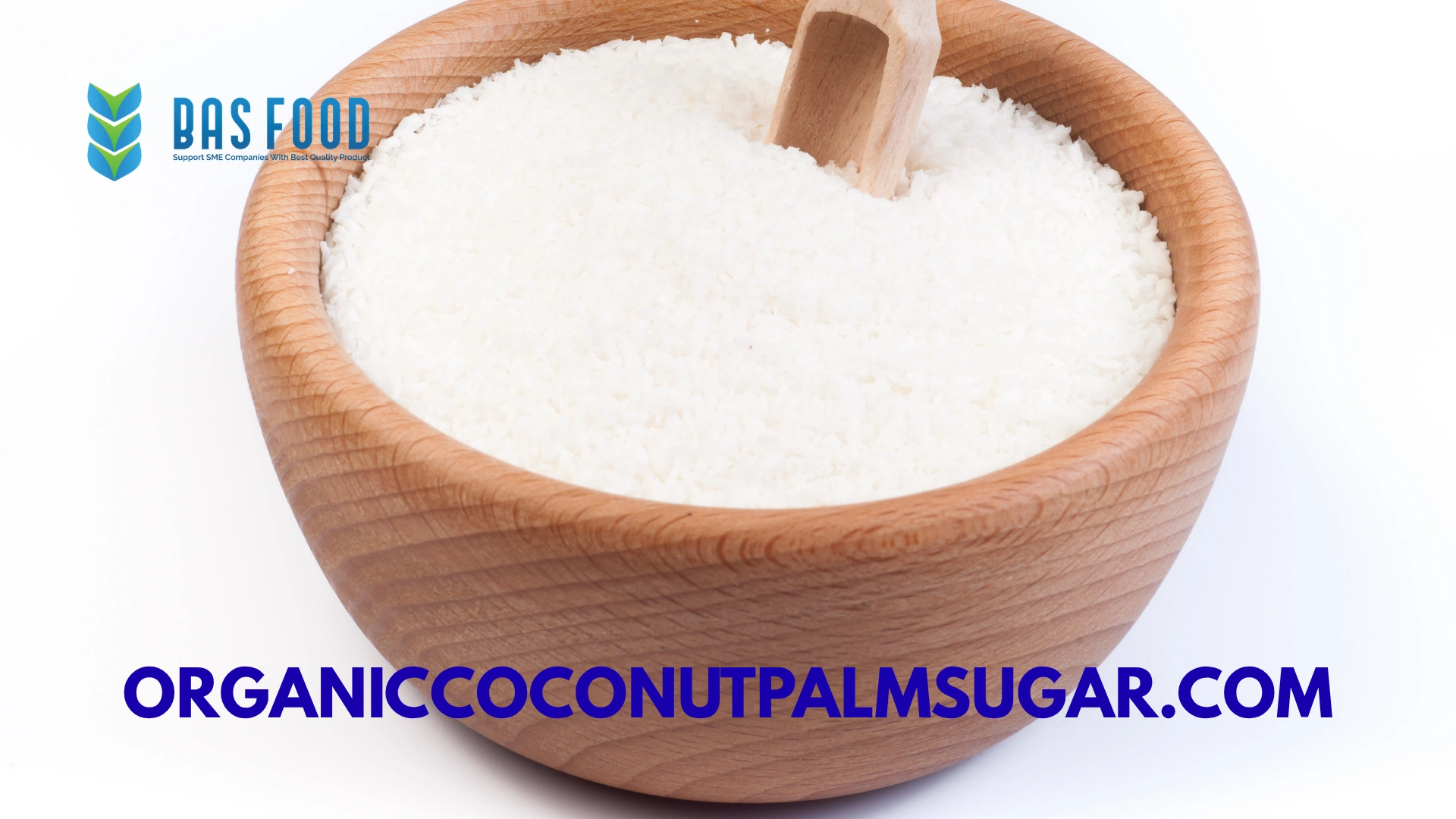
Desiccated coconut is made from fresh coconut meat that is grated, dried, and processed into different textures and grades. It is widely used in food manufacturing because of its flavor, texture, and long shelf life.
This ingredient is common in bakery products, cereals, confectionery, snack bars, ice cream, and ready-to-eat foods. Manufacturers value it because it enhances texture while providing natural coconut flavor.
An experienced indonesia desiccated coconut supplier can provide different grades such as:
- Fine grade
- Medium grade
- Extra fine grade
- Flakes and chips
Each type serves different industrial applications.
In addition, desiccated coconut supports the growing trend toward plant-based and natural ingredients. Consumers are becoming more aware of ingredient quality, which increases demand for coconut-based products globally.
Because of this trend, buyers increasingly search for the best coconut supplier who can maintain consistent quality and supply stability.
The Strength of Coconut Origin Indonesia
The term coconut origin indonesia has become increasingly important in global trade. Buyers today want transparency about where products come from and how they are produced.
Indonesia offers several advantages as a coconut origin country.
Natural Growing Conditions
Indonesia’s tropical climate provides ideal conditions for coconut farming. High rainfall, fertile soil, and warm temperatures support year-round production.
These natural conditions help produce coconuts with rich flavor and high oil content, which are important for desiccated coconut quality.
Traditional Farming Knowledge
Many Indonesian coconut farms are family-owned and operated using traditional agricultural knowledge passed down through generations.
This long history of coconut cultivation contributes to strong farming expertise and stable production quality.
Large Production Capacity
Indonesia’s large production scale allows exporters to fulfill bulk orders efficiently. This is especially important for industrial buyers who require long-term supply contracts.
As a result, many international importers prefer sourcing from an indonesia desiccated coconut supplier because of reliable production capabilities.
Production Process: How Quality Desiccated Coconut is Made
The quality of desiccated coconut depends heavily on the production process.
First, fresh mature coconuts are selected carefully. The coconuts are dehusked and opened to remove the shell. After that, the coconut meat is washed and sterilized.
Next, the meat is grated into small pieces before entering the drying process. Controlled drying reduces moisture while maintaining flavor and texture.
Finally, the dried coconut is sifted, graded, and packed according to customer specifications.
An experienced indonesia desiccated coconut supplier follows strict hygiene and food safety standards throughout this process.
Proper production management ensures:
- Low moisture content
- Consistent particle size
- Clean white color
- Microbiological safety
These quality factors are critical for export markets.
Certifications That Buyers Expect from Indonesian Suppliers
Certifications play a major role in international trade.
Global buyers want assurance that products meet food safety and quality standards. Therefore, the best coconut supplier usually maintains multiple certifications.
HACCP Certification
HACCP helps suppliers control food safety risks during production.
ISO Certification
ISO standards improve consistency and operational quality.
Halal Certification
Halal certification is essential for many markets in the Middle East and Southeast Asia.
Organic Certification
Organic certification allows suppliers to access premium health-focused markets.
An established indonesia desiccated coconut supplier often combines these certifications to strengthen buyer confidence.
Global Export Markets for Indonesian Desiccated Coconut
Indonesia exports desiccated coconut to many regions worldwide.
Europe
European buyers prioritize food safety, traceability, and sustainability. Indonesian suppliers compete well because many already comply with EU standards.
United States
The U.S. market values consistent quality and strong documentation. Demand continues to grow in bakery and snack sectors.
Middle East
The Middle East relies heavily on imported food ingredients. Halal-certified coconut products are especially important in this region.
Asia
Asian markets continue to grow due to increasing food manufacturing and health-conscious consumers.
Because of these opportunities, the role of an indonesia desiccated coconut supplier continues to expand globally.
Key Factors When Choosing the Best Coconut Supplier
Selecting the right supplier is critical for long-term success.
Quality Consistency
Buyers should evaluate whether the supplier can maintain stable product quality across shipments.
Production Capacity
The supplier must be able to handle large and repeat orders without delays.
Certifications and Compliance
Reliable suppliers maintain proper certifications and documentation.
Communication and Transparency
Strong communication helps avoid misunderstandings and improves business relationships.
The best coconut supplier is not only competitive in price but also dependable in quality and service.
Logistics and Packaging for Export Markets
Efficient logistics are essential for maintaining product quality during shipping.
Desiccated coconut is usually packed in:
- Multi-layer kraft paper bags
- Vacuum-sealed packaging
- Poly-lined cartons
These packaging systems protect the product from moisture and contamination.
Shipping also requires proper container management. High humidity can affect product quality if not handled correctly.
An experienced indonesia desiccated coconut supplier understands international logistics requirements and works with reliable shipping partners.
This helps ensure products arrive safely and on time.
Sustainability and the Future of Coconut Exports
Sustainability is becoming increasingly important in global food trade.
Buyers want products that are sourced responsibly and produced with minimal environmental impact.
Indonesia has strong potential to support sustainable coconut farming because many farms still use traditional cultivation methods with lower chemical usage.
In addition, exporters are investing in better waste management and environmentally friendly production systems.
As sustainability becomes more important, suppliers who adapt early will gain competitive advantages.
This trend also strengthens the global reputation of coconut origin indonesia as a trusted sourcing destination.
Why CV Bonafide Anugerah Sentosa is a Trusted Export Partner
Choosing the right export partner can significantly impact business success.
CV Bonafide Anugerah Sentosa is a trusted exporter of coconut-based products from Indonesia. The company focuses on quality, consistency, and customer satisfaction.
With experience serving international markets, CV Bonafide Anugerah Sentosa understands the needs of global buyers looking for an indonesia desiccated coconut supplier.
The company provides:
- Strict quality control systems
- Reliable production capacity
- Transparent export documentation
- Efficient logistics support
- Commitment to international standards
By combining professionalism with strong sourcing capabilities, CV Bonafide Anugerah Sentosa continues to strengthen its position as a best coconut supplier for global markets.
Final Thoughts: Indonesia’s Coconut Industry is Built for Global Growth
Indonesia continues to play a major role in the global coconut industry. Its natural resources, farming expertise, and export infrastructure make it one of the strongest sourcing destinations in the world.
For buyers, working with an experienced indonesia desiccated coconut supplier provides access to stable supply, competitive pricing, and reliable quality.
At the same time, the global reputation of coconut origin indonesia continues to grow as buyers seek trusted and sustainable sourcing partners.
As demand for coconut-based ingredients expands worldwide, companies that prioritize quality, certifications, and long-term partnerships will lead the future of the industry.