Desiccated coconut has become a staple ingredient across global food industries. From bakery products to confectionery and ready-to-eat meals, its versatility and long shelf life make it highly valuable. For importers and manufacturers, sourcing bulk desiccated coconut is not just about price. It is about consistency, quality, and reliable supply. This guide explains everything you need to know about buying and exporting desiccated coconut in bulk. It covers production, specifications, logistics, and pricing strategies. It also highlights how to manage coconut MOQ, bulk coconut order requirements for efficient procurement.
What is Desiccated Coconut and Why Bulk Matters
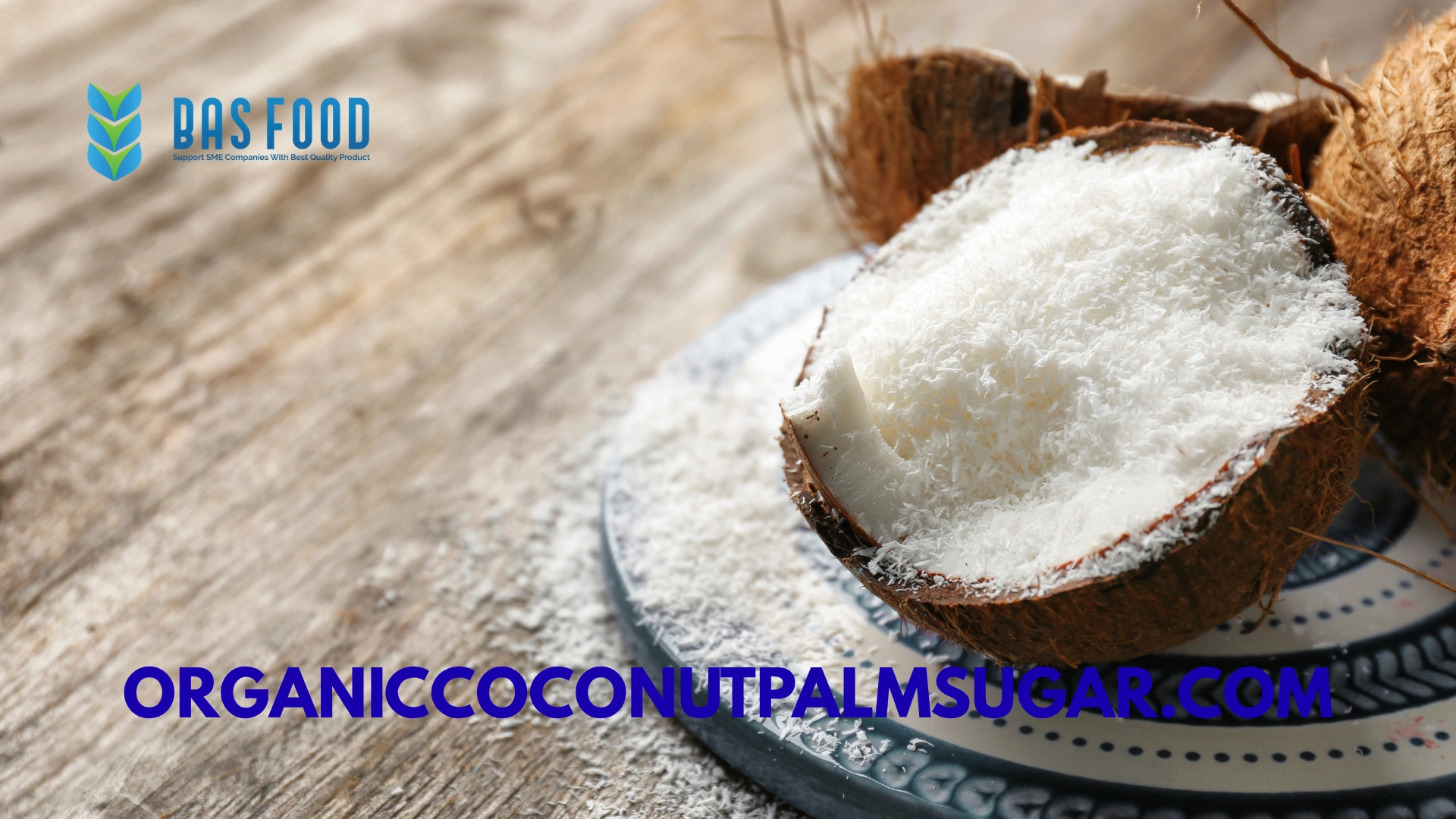
Desiccated coconut is made from fresh coconut meat that is grated, dried, and processed into fine or medium cuts. The drying process removes moisture, which extends shelf life and prevents spoilage.
This product is widely used in the food industry. Manufacturers rely on it for consistent texture and flavor. It is commonly found in biscuits, cakes, chocolate fillings, and snack bars.
Buying in bulk desiccated coconut offers several advantages. First, it reduces cost per unit. Second, it ensures a stable supply for continuous production. Third, it simplifies logistics by reducing the frequency of shipments.
However, bulk purchasing also requires careful planning. Buyers must consider storage, quality control, and supplier reliability. Understanding these factors helps ensure smooth operations and long-term success.
Global Demand Trends for Bulk Desiccated Coconut
The demand for desiccated coconut continues to grow worldwide. Food manufacturers are expanding their product lines, and coconut-based ingredients are gaining popularity.
In Europe and North America, demand is driven by bakery and confectionery industries. In Asia, it is widely used in traditional and modern food products. Meanwhile, emerging markets in Africa and the Middle East are increasing their imports.
This global demand creates opportunities for exporters. However, it also increases competition. Buyers are looking for suppliers who can meet quality standards and deliver consistent volumes.
As a result, managing coconut MOQ, bulk coconut order efficiently becomes critical. Suppliers must balance production capacity with customer requirements to remain competitive.
Types and Grades of Bulk Desiccated Coconut
Desiccated coconut is available in different grades and cuts. Understanding these variations helps buyers select the right product for their needs.
Cut Sizes and Texture
The most common types include:
- Fine grade
- Medium grade
- Coarse grade
Fine desiccated coconut is often used in bakery fillings and coatings. Medium grade is suitable for toppings and mixes. Coarse grade is used in specialty products where texture is important.
Moisture and Fat Content
Moisture content is a key quality parameter. Low moisture levels ensure longer shelf life and prevent microbial growth.
Fat content also varies. High-fat desiccated coconut offers richer flavor, while low-fat versions are used in specific formulations.
When placing a bulk desiccated coconut order, buyers must clearly specify these parameters. This ensures the product meets their production requirements.
Production Process: From Coconut to Export-Ready Product
The quality of desiccated coconut depends heavily on the production process.
First, fresh coconuts are selected and dehusked. The meat is then washed and sterilized to remove contaminants. After that, it is grated into small pieces.
Next, the grated coconut is dried using controlled heat. This step reduces moisture while preserving flavor and texture. Finally, the product is sieved, graded, and packed.
Each step must follow strict hygiene standards. Contamination at any stage can affect product quality and safety.
For exporters handling bulk desiccated coconut, maintaining consistent production processes is essential. It ensures that every shipment meets buyer expectations.
Quality Standards and Certifications
Quality is one of the most important factors in bulk trade.
Buyers expect desiccated coconut to meet international food safety standards. This includes limits on moisture, microbial content, and foreign matter.
Common certifications include:
- HACCP (Hazard Analysis and Critical Control Points)
- ISO 22000 or FSSC 22000
- Halal certification
- Kosher certification
These certifications provide assurance that the product is safe and produced under controlled conditions.
In addition, Certificates of Analysis (COA) are required for each shipment. These documents confirm that the product meets agreed specifications.
Meeting these standards is essential for building trust and securing repeat orders in the bulk desiccated coconut market.
Packaging Solutions for Bulk Coconut Orders
Packaging plays a critical role in maintaining product quality during transport.
Desiccated coconut is typically packed in:
- Multi-layer kraft paper bags
- Vacuum-sealed bags
- Poly-lined cartons
These packaging options protect the product from moisture, contamination, and physical damage.
For coconut MOQ, bulk coconut order, packaging must also be efficient. Larger packaging sizes reduce handling costs and improve logistics.
In addition, labeling must include product details, batch numbers, and storage instructions. This ensures compliance with import regulations and helps with traceability.
Logistics and Supply Chain Management
Shipping bulk desiccated coconut requires careful planning.
Exporters must consider transit time, temperature, and humidity. Although desiccated coconut has low moisture, it can still be affected by poor storage conditions.
Working with experienced logistics partners is important. They can help manage shipping routes, documentation, and customs clearance.
For buyers, planning inventory is equally important. Bulk orders require adequate storage space and proper handling to maintain quality.
Efficient logistics ensure that bulk desiccated coconut reaches its destination in optimal condition.
Understanding MOQ and Bulk Order Strategy
Minimum Order Quantity (MOQ) is a key factor in bulk trade.
Suppliers set MOQ based on production capacity and cost efficiency. Buyers must align their purchasing strategy with these requirements.
For example, larger orders often come with better pricing. However, they also require higher upfront investment and storage capacity.
Understanding coconut MOQ, bulk coconut order helps buyers optimize costs and avoid overstocking.
In addition, long-term contracts can provide stability for both parties. They ensure consistent supply and predictable pricing.
Competitive Advantages in Bulk Desiccated Coconut Supply
The bulk desiccated coconut market is competitive. Suppliers must differentiate themselves to succeed.
Quality consistency is the most important factor. Buyers expect the same product specifications in every shipment.
Reliability is also critical. Late deliveries or inconsistent supply can disrupt production.
In addition, strong communication builds trust. Suppliers who respond quickly and provide clear information are more likely to secure long-term partnerships.
Offering flexible solutions, such as customized packaging or tailored MOQs, can also create a competitive edge.
Why Indonesia is a Leading Source of Desiccated Coconut
Indonesia is one of the world’s top producers of coconut products. Its tropical climate allows year-round production.
Indonesian suppliers have extensive experience in exporting to global markets. They understand international standards and buyer expectations.
In addition, Indonesia offers competitive pricing. This makes it an attractive sourcing destination for bulk desiccated coconut.
With strong production capacity and reliable supply chains, Indonesian exporters are well-positioned to meet global demand.
CV Bonafide Anugerah Sentosa: Your Trusted Bulk Supplier
Choosing the right supplier is essential for success in bulk trade.
CV Bonafide Anugerah Sentosa is a trusted exporter of coconut-based products from Indonesia. The company focuses on quality, consistency, and customer satisfaction.
With experience in global markets, CV Bonafide Anugerah Sentosa understands the needs of buyers handling bulk desiccated coconut orders. The company ensures:
- Strict quality control
- Reliable production capacity
- Transparent documentation
- Efficient logistics support
By working with a reliable supplier, buyers can manage coconut MOQ, bulk coconut order more effectively and ensure smooth operations.
Future Outlook: Growing Demand and New Opportunities
The future of the desiccated coconut market looks strong. Demand continues to grow across multiple industries.
Health trends are also influencing the market. Consumers are looking for natural and plant-based ingredients, which increases the use of coconut products.
In addition, new markets are emerging. Regions such as Africa and the Middle East are increasing their imports.
For exporters, this creates opportunities for expansion. By focusing on quality and reliability, they can capture a larger share of the bulk desiccated coconut market.
Final Thoughts: Building a Strong Bulk Supply Strategy
Sourcing desiccated coconut in bulk requires more than just finding a supplier. It involves planning, quality control, and strong partnerships.
Understanding product specifications, logistics, and coconut MOQ, bulk coconut order strategies is essential for success.
By choosing the right supplier and maintaining clear communication, buyers can build a reliable supply chain.
In a growing global market, those who focus on consistency and trust will achieve long-term success in the bulk desiccated coconut industry.