The global food industry is changing quickly. Consumers today are not only looking for food that tastes good. They also want products made with natural ingredients, simple formulations, and better nutritional value. This growing demand has encouraged manufacturers to develop innovative products using ingredients that support modern lifestyles. One ingredient gaining attention in this movement is coconut sugar functional foods. Coconut sugar is made from the sap of coconut blossom flowers. Through a traditional process of collecting, heating, and drying the sap, producers create a natural sweetener with a mild caramel flavor and rich aroma. Unlike highly refined sweeteners, coconut sugar maintains a more natural character, making it attractive for brands that focus on premium and clean-label food products.
For food manufacturers, ingredient selection plays an important role in product success. The right ingredient can influence taste, texture, consumer perception, and production efficiency. As functional foods continue to grow worldwide, coconut sugar offers manufacturers an opportunity to create products that combine natural sweetness with market-friendly positioning.
This article explores why coconut sugar functional foods are becoming increasingly popular, how they support the development of healthy ingredients and nutrition products, and why working with a reliable coconut sugar supplier, experienced palm sugar supplier, or professional palm sugar exporter can help businesses build a stronger supply chain.
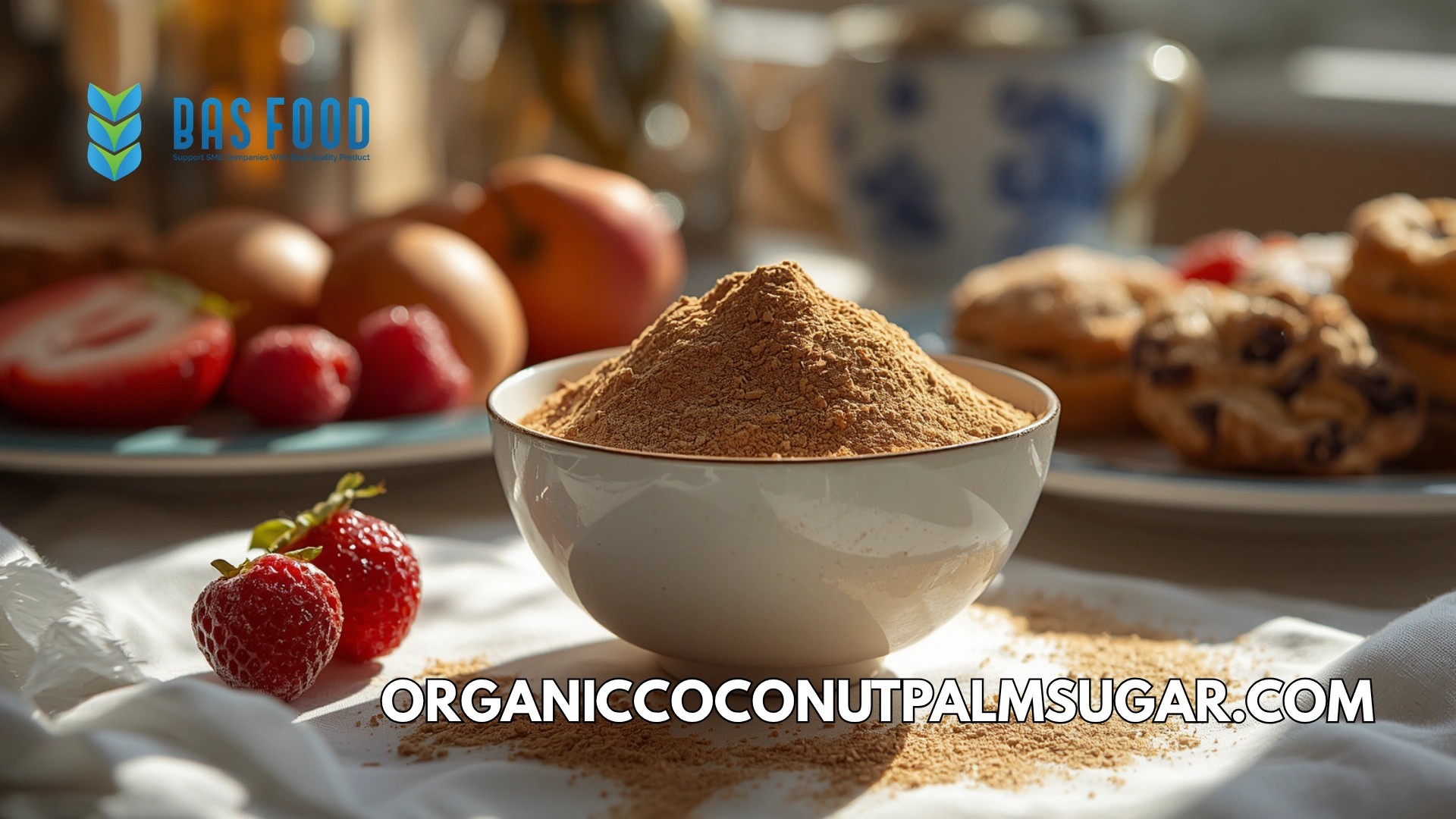
The Growing Demand for Functional Foods Around the World
The functional food market has expanded significantly as consumers become more aware of their daily food choices.
People are increasingly searching for products that provide convenience while fitting their health goals. This trend has created opportunities for manufacturers to develop foods that contain natural ingredients and support active lifestyles.
Functional foods now include a wide range of categories such as energy bars, breakfast products, plant-based snacks, protein foods, cereals, beverages, and wellness products.
Although the definition of functional foods can vary between countries, the common idea is that these products offer benefits beyond basic nutrition through carefully selected ingredients.
As a result, manufacturers are searching for sweeteners that provide excellent taste while matching consumer expectations for natural and recognizable ingredients.
Coconut sugar has become one of the ingredients that fits this growing demand.
Why Coconut Sugar Fits Modern Functional Food Trends
Consumers are paying closer attention to ingredient labels.
They prefer products that contain ingredients they understand and recognize. This shift has encouraged food brands to reduce artificial additives and explore more natural alternatives.
Coconut sugar supports this movement because it comes from a plant-based source and requires relatively simple processing.
The production process begins with collecting coconut blossom sap. Farmers then heat the sap carefully to remove moisture and create the final sugar product.
This traditional approach helps maintain the natural characteristics of coconut sugar, including its color, aroma, and caramel-like taste.
For manufacturers developing functional foods, these qualities provide both practical and marketing advantages.
Coconut sugar allows brands to create products with appealing flavor while supporting the growing demand for natural food solutions.
Coconut Sugar as a Valuable Healthy Ingredient
The demand for healthy ingredients continues to influence product development across the global food industry.
Manufacturers are looking for ingredients that can improve product appeal while supporting consumer expectations for better food choices.
Coconut sugar has become popular because it provides sweetness together with a unique flavor profile.
Its mild caramel notes work well with many functional food ingredients, including:
- Oats
- Nuts
- Seeds
- Fruits
- Cocoa
- Coconut
- Plant proteins
- Whole grains
- Spices
This versatility allows manufacturers to develop a wide range of products without changing their entire formulation approach.
For example, coconut sugar can enhance the flavor of granola while adding depth to protein bars or plant-based snacks.
Another advantage is its compatibility with premium product positioning.
Many brands use coconut sugar to create products that communicate natural quality and authentic flavor.
Coconut Sugar in Nutrition Products
One of the fastest-growing applications for coconut sugar is in nutrition products.
Modern consumers often need convenient foods that support busy lifestyles. Products such as energy bars, protein snacks, meal replacements, and functional snacks have become popular because they are easy to consume anywhere.
Coconut sugar works well in these applications because it provides balanced sweetness while complementing other functional ingredients.
Manufacturers commonly use coconut sugar in:
- Energy bars
- Protein bars
- Granola bars
- Breakfast cereals
- Trail mixes
- Snack bites
- Meal replacement products
- Plant-based nutrition foods
Its natural caramel flavor helps create more enjoyable products without relying heavily on artificial flavor additives.
For nutrition product manufacturers, taste remains a major factor in consumer acceptance.
Even a product with excellent nutritional positioning must deliver a satisfying eating experience.
Coconut sugar helps bridge the gap between nutrition goals and enjoyable flavor.
Supporting Plant-Based and Clean Food Development
The rise of plant-based eating has created new opportunities for natural sweeteners.
Many plant-based products require ingredients that match their overall product message.
Coconut sugar fits naturally into these formulations because it comes from a plant source and works well with many plant-based ingredients.
It combines effectively with:
- Almond-based products
- Oat-based foods
- Coconut products
- Vegan snacks
- Plant protein products
- Dairy alternatives
This makes coconut sugar a flexible ingredient for companies developing next-generation food products.
Manufacturers can use it in both traditional recipes and innovative formulations designed for modern consumers.
As plant-based food categories continue expanding, demand for versatile natural sweeteners is expected to increase.
Flavor Advantages That Help Functional Foods Stand Out
Flavor remains one of the most important factors in food purchasing decisions.
Consumers may appreciate healthy ingredients, but they still expect products to taste enjoyable.
Coconut sugar provides a distinctive flavor profile that helps functional foods become more appealing.
Its natural caramel notes complement many ingredients commonly used in health-focused products.
For example:
- Cocoa creates a richer chocolate flavor
- Nuts gain a roasted sweetness
- Fruits receive additional depth
- Oats develop a warmer taste profile
This flavor enhancement helps manufacturers create products that feel premium and satisfying.
Unlike simple sweeteners that only increase sweetness, coconut sugar contributes to the overall sensory experience.
For brands competing in crowded markets, this flavor advantage can become a valuable product differentiator.
Coconut Sugar in Different Functional Food Applications
The versatility of coconut sugar makes it suitable for many functional food categories.
Manufacturers use coconut sugar functional foods formulations across different product segments because it blends well with both traditional and modern recipes.
Common applications include:
- Granola and breakfast cereals
- Energy and nutrition bars
- Healthy snacks
- Plant-based desserts
- Functional beverages
- Instant food mixes
- Wellness products
- Organic food products
In breakfast products, coconut sugar adds natural sweetness while enhancing the flavor of oats, grains, and nuts.
In snack products, it helps create a satisfying taste that encourages repeat purchases.
For beverage manufacturers, coconut sugar can provide a richer flavor compared to ordinary refined sweeteners. It works well in coffee blends, cocoa drinks, smoothies, and nutritional beverages.
This wide range of applications gives manufacturers flexibility when developing new product lines.
Instead of using different sweeteners for each category, companies can use coconut sugar as a versatile ingredient across multiple products.
Coconut Sugar Supports Clean and Premium Product Positioning
The market for premium food products continues to expand.
Consumers are willing to pay more for products that offer natural ingredients, authentic stories, and better-quality experiences.
Coconut sugar supports this positioning because it connects modern food production with traditional agricultural practices.
Many brands highlight the origin of coconut sugar as part of their product story.
The ingredient comes from coconut blossom sap collected by farmers and processed into a natural sweetener.
This connection between farmers, agriculture, and final products creates a strong value proposition for brands targeting conscious consumers.
For manufacturers, using coconut sugar can support marketing messages related to:
- Natural ingredients
- Plant-based formulations
- Traditional processing
- Sustainable sourcing
- Premium food development
However, product quality remains essential.
A strong brand story must be supported by reliable supply, consistent specifications, and professional manufacturing standards.
Quality Considerations When Sourcing Coconut Sugar
For commercial food production, ingredient consistency is critical.
Manufacturers need suppliers that can provide stable quality across every shipment.
Important quality factors for coconut sugar include:
- Moisture content
- Color consistency
- Flavor profile
- Particle size
- Aroma
- Cleanliness
- Packaging quality
- Food safety documentation
These factors directly influence how coconut sugar performs during production.
For example, moisture levels can affect storage stability and product texture.
Particle size can influence mixing performance in products such as nutrition bars, cereals, and powdered food blends.
Reliable suppliers maintain quality control systems to ensure that their products meet customer requirements.
Before placing large orders, manufacturers often request samples and technical specifications to confirm suitability.
This approach helps reduce production risks and ensures smoother product development.
Choosing the Right Coconut Sugar Supplier
Selecting the right coconut sugar supplier is an important step for food manufacturers.
A professional supplier provides more than just ingredients. They become a long-term partner that supports product development, quality consistency, and supply chain management.
When evaluating suppliers, businesses should consider:
- Production capacity
- Export experience
- Quality management systems
- Product certifications
- Packaging options
- Communication quality
- Custom specifications
- Shipping capability
A reliable supplier understands international food industry requirements.
They can provide documentation, product information, and support throughout the purchasing process.
Long-term cooperation also allows suppliers to better understand customer needs and provide more customized solutions.
For growing food brands, this relationship can create significant business advantages.
Why Work with an Experienced Palm Sugar Supplier
Many manufacturers that use natural sweeteners also consider sourcing from a trusted palm sugar supplier.
Palm sugar and coconut sugar share similarities as natural sweeteners, and experienced suppliers often provide both product categories.
Working with a supplier that understands multiple natural sweetener products gives manufacturers greater flexibility.
Benefits include:
- Broader ingredient options
- Simplified purchasing
- Consistent quality standards
- Better supply planning
- Access to technical knowledge
For companies developing different food categories, having one reliable partner for multiple sweetener needs can improve operational efficiency.
A professional palm sugar supplier can also help businesses compare different sweetener options and select the best ingredient for specific applications.
The Role of a Professional Palm Sugar Exporter in Global Supply Chains
International food businesses require suppliers that understand global trade.
A professional palm sugar exporter helps customers manage international sourcing more efficiently.
Export experience is important because global shipments involve many considerations, including:
- Documentation requirements
- Packaging standards
- Transportation planning
- Customs procedures
- Product compliance
- Delivery schedules
Experienced exporters understand these processes and help customers avoid common challenges.
They also provide communication support throughout the supply chain.
For importers and distributors, working with a reliable exporter creates greater confidence when planning inventory and meeting customer demand.
Strong export partnerships help businesses maintain consistent product availability in competitive markets.
Why Indonesia Is a Preferred Source for Natural Sweeteners
Indonesia has become one of the world’s important suppliers of natural sweeteners, including coconut sugar and palm sugar.
The country has favorable agricultural conditions, experienced farming communities, and a long tradition of coconut sap harvesting.
Many Indonesian producers combine traditional knowledge with modern processing methods.
This combination allows them to maintain authentic product characteristics while meeting international food industry requirements.
A trusted coconut sugar supplier from Indonesia can provide:
- Export-quality coconut sugar
- Different product formats
- Customized packaging
- Bulk supply options
- OEM solutions
- Private label services
These capabilities make Indonesia an attractive sourcing destination for food manufacturers worldwide.
Future Opportunities for Coconut Sugar Functional Foods
The future of functional foods continues to look promising.
Consumers will likely continue searching for products that combine convenience, taste, and natural ingredients.
This creates opportunities for manufacturers to develop new products using coconut sugar.
Potential growth areas include:
- Sports nutrition
- Plant-based foods
- Organic snacks
- Functional beverages
- Breakfast products
- Premium wellness foods
- Natural energy products
As innovation continues, ingredients that provide both functionality and consumer appeal will become increasingly valuable.
Coconut sugar fits this direction because it offers versatility, flavor, and strong market positioning.
Companies that establish reliable ingredient partnerships today will be better prepared for future market growth.
Conclusion
The growth of coconut sugar functional foods reflects the changing expectations of today’s food consumers. People are looking for products made with natural, recognizable ingredients while still expecting excellent taste and convenience.
Coconut sugar provides manufacturers with a versatile sweetener that works well in healthy ingredients, nutrition products, snacks, beverages, and many other functional food applications.
Its natural caramel flavor, flexible formats, and compatibility with plant-based formulations make it a valuable ingredient for modern food innovation.
By working with an experienced coconut sugar supplier, reliable palm sugar supplier, or professional palm sugar exporter, manufacturers can access consistent quality, customized solutions, and dependable supply chains.
As the global demand for natural and functional foods continues to grow, coconut sugar will remain an important ingredient for brands developing the next generation of premium food products.