Coconut sugar has become one of the most popular natural sweeteners in the global food industry. It is used in bakery products, beverages, confectionery, sauces, dairy products, and many other food applications because of its pleasant caramel flavor and natural origin. As international demand continues to grow, buyers often ask an important question: Does coconut sugar expire?
Understanding coconut sugar expiration is essential for everyone involved in the supply chain. Importers need products that remain stable during international shipping, distributors require dependable inventory management, and food manufacturers expect ingredients that maintain consistent quality throughout production. Consumers also want to know how to store coconut sugar properly and whether expired coconut sugar is still safe to use.
The good news is that coconut sugar generally has excellent shelf stability when it is produced, packaged, transported, and stored correctly. However, like any food ingredient, its quality can gradually decline if exposed to excessive moisture, heat, air, or contamination. Understanding proper storage quality practices helps maintain flavor, texture, appearance, and overall product performance.
This guide explains how coconut sugar is produced, discusses coconut sugar expiration, explores proper storage techniques, and provides practical advice for importers and food manufacturers seeking consistent product quality.
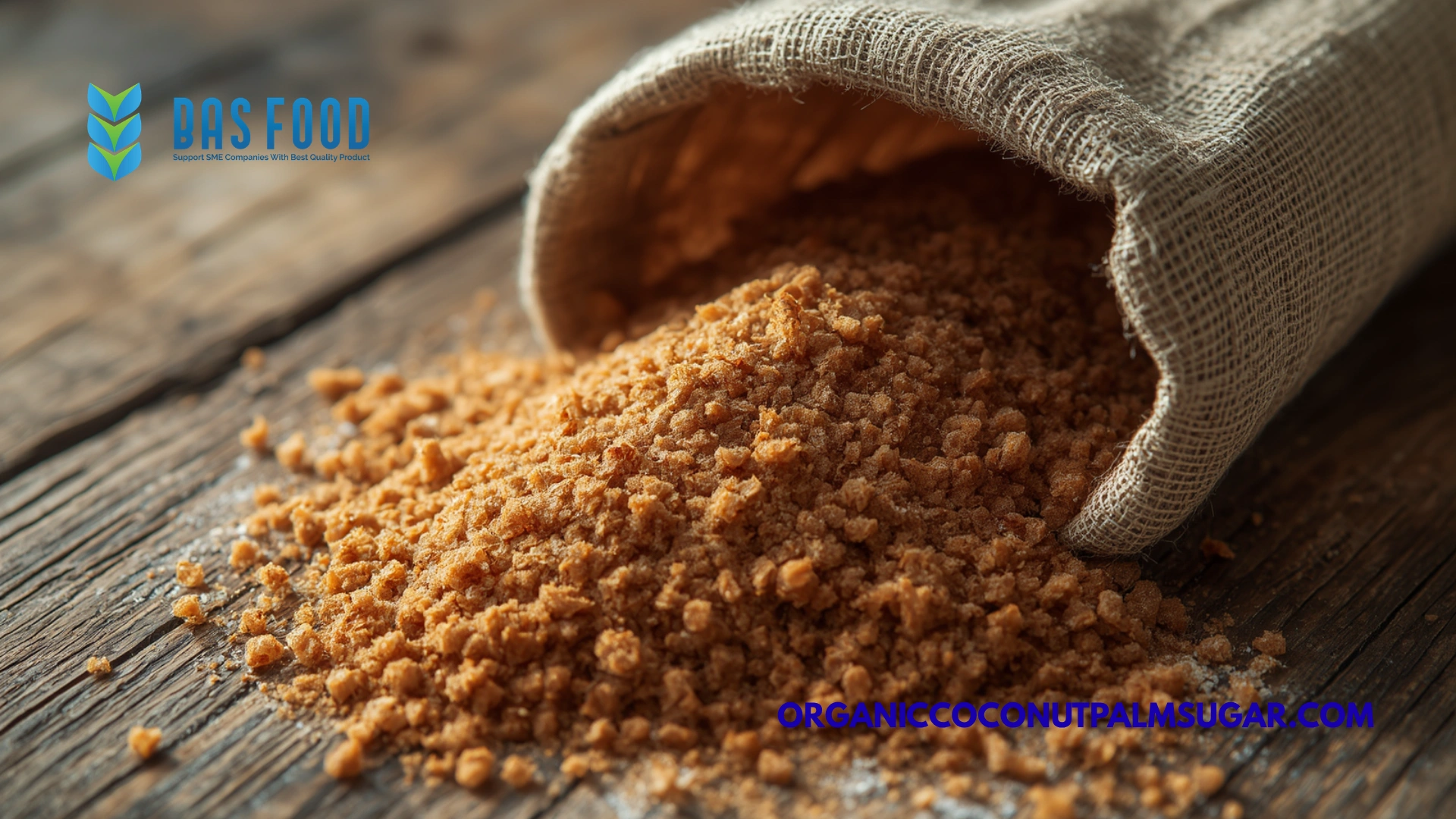
What Is Coconut Sugar?
Before discussing coconut sugar expiration, it is useful to understand how coconut sugar is made.
Coconut sugar is produced from the fresh sap collected from coconut palm blossoms. Skilled farmers carefully tap the flower stalks and collect the naturally sweet sap before fermentation begins.
The sap is filtered and gently heated to remove water. As the liquid becomes more concentrated, it gradually crystallizes into coconut sugar. Depending on customer requirements, manufacturers may produce granulated, powdered, block, syrup, or liquid coconut sugar.
Because moisture is reduced during production, coconut sugar generally remains stable when stored under appropriate conditions.
Does Coconut Sugar Expire?
One of the most common questions from buyers is whether coconut sugar actually expires.
The answer is that coconut sugar, like other food products, has a recommended shelf life established by the manufacturer. This date helps ensure the product maintains its intended quality when stored according to the recommended conditions.
In many cases, coconut sugar does not suddenly become unusable immediately after its best-before or expiration date. Instead, product quality may gradually change over time depending on storage conditions.
Manufacturers determine shelf life based on product testing, packaging performance, moisture control, and expected storage environments.
Importers should always follow the supplier’s recommended storage instructions and stock rotation practices.
What Happens to Expired Coconut Sugar?
Many people assume expired coconut sugar immediately becomes unsafe.
In reality, expiration primarily relates to product quality rather than an immediate change in food safety, provided the product has been stored correctly and the packaging remains intact. However, manufacturers and distributors should always follow applicable food regulations and the product’s labeled shelf life.
As coconut sugar ages, several quality changes may occur.
Texture Changes
The product may become harder or develop lumps due to moisture absorption.
Flavor Changes
Its characteristic caramel flavor may gradually become less pronounced.
Appearance Changes
Color may change slightly during extended storage.
Moisture Absorption
Exposure to humidity may reduce product quality and increase the likelihood of clumping.
These changes highlight the importance of maintaining proper storage quality throughout the supply chain.
Factors That Affect Coconut Sugar Expiration
Several environmental conditions influence the shelf life of coconut sugar.
Moisture
Moisture is one of the most important factors affecting product stability.
High humidity allows coconut sugar to absorb water from the surrounding air, which may lead to clumping and texture changes.
Temperature
Consistently cool storage conditions help preserve product quality.
Extreme heat may affect both packaging performance and product characteristics.
Air Exposure
Keeping packages tightly sealed helps reduce moisture absorption and preserves flavor.
Packaging Quality
Food-grade, moisture-resistant packaging provides additional protection during storage and international transportation.
Professional exporters carefully select packaging materials designed for global shipping.
Best Practices for Storage Quality
Maintaining excellent storage quality begins immediately after production.
Manufacturers, importers, distributors, and retailers all play important roles.
Store in a Cool, Dry Place
Avoid excessive heat and humidity.
Keep Packaging Sealed
Proper sealing reduces moisture absorption.
Avoid Direct Sunlight
Sunlight may increase package temperature during storage.
Practice Stock Rotation
Using older inventory first helps maintain consistent product quality.
Monitor Warehouse Conditions
Professional warehouses regularly monitor temperature and humidity.
These simple practices significantly improve shelf stability.
Why Packaging Matters
Packaging is one of the most important factors influencing coconut sugar expiration.
Professional exporters use food-grade packaging designed to protect products during transportation and long-term storage.
Effective packaging provides protection against:
- Moisture
- Air exposure
- Physical damage
- Contamination
- Transportation stress
Depending on customer requirements, exporters offer retail packaging, bulk bags, cartons, or customized private-label solutions.
Choosing appropriate packaging helps preserve product quality throughout international distribution.
Quality Control Before Export
Reliable exporters implement quality control procedures before shipping products overseas.
Typical inspections include:
- Moisture verification
- Product appearance
- Flavor consistency
- Packaging integrity
- Label verification
- Final shipment inspection
Some manufacturers also perform laboratory testing according to customer specifications.
These quality checks help ensure products maintain stability throughout transportation.
Why Importers Should Understand Shelf Life
Importers benefit from understanding coconut sugar expiration for several reasons.
First, proper inventory management helps reduce unnecessary waste.
Second, understanding recommended storage conditions improves product consistency throughout distribution.
Third, accurate product information supports customer satisfaction and regulatory compliance.
Finally, effective warehouse management contributes to longer product quality during commercial storage.
Knowledge of shelf life supports better business decisions across the supply chain.
Choosing a Reliable Coconut Sugar Supplier
Reliable suppliers help buyers maintain consistent product quality.
Professional exporters provide:
- Product specifications
- Recommended shelf life
- Storage recommendations
- Food safety documentation
- Certificates of analysis
- Export-ready packaging
- Responsive customer support
Long-term partnerships with experienced exporters improve product consistency and supply chain reliability.
Common Mistakes That Reduce Shelf Life
Several avoidable mistakes can shorten product quality.
One common issue is storing coconut sugar in humid environments.
Another mistake is opening packages too frequently without resealing them properly.
Some businesses also overlook warehouse monitoring, allowing unnecessary temperature and humidity fluctuations.
Following manufacturer recommendations helps minimize these risks while preserving product quality.
Frequently Asked Questions
Does coconut sugar expire?
Yes. Coconut sugar has a manufacturer-recommended shelf life that helps ensure product quality when stored correctly.
Is expired coconut sugar always unsafe?
Not necessarily. Product quality may decline over time, but businesses should always follow manufacturer recommendations, applicable regulations, and labeled shelf-life information.
What affects coconut sugar expiration?
Moisture, temperature, packaging quality, air exposure, and storage conditions all influence shelf stability.
How should coconut sugar be stored?
Store it in a cool, dry place inside sealed, food-grade packaging away from excessive humidity and direct sunlight.
Why is storage quality important?
Proper storage quality helps preserve flavor, texture, appearance, and overall product consistency throughout the supply chain.
Conclusion
Understanding coconut sugar expiration helps importers, manufacturers, distributors, retailers, and consumers maintain product quality from production through final use. Although coconut sugar generally offers excellent shelf stability, its long-term performance depends on proper packaging, careful handling, controlled storage environments, and effective inventory management.
Rather than focusing only on whether expired coconut sugar can still be used, businesses should prioritize preventive measures that maintain optimal storage quality throughout transportation and warehousing. Consistent moisture control, appropriate packaging, stock rotation, and temperature management all contribute to preserving the product’s characteristic flavor, texture, and appearance.
For companies sourcing premium coconut sugar internationally, partnering with an experienced exporter provides access to reliable product specifications, quality documentation, food safety systems, export-ready packaging, and professional storage recommendations. As global demand for coconut sugar continues to grow, effective shelf-life management remains an essential part of successful international food trade.