When people first look at coconut sugar, one of the first things they notice is its color. Some products appear light golden, while others have a rich dark brown shade. For many buyers, these differences raise important questions. Does color affect quality? Is lighter always better? Does a darker color mean stronger flavor? The answer is more interesting than many people expect. Coconut sugar color is influenced by several natural factors, including the quality of fresh coconut blossom sap, the heating process, moisture levels, and production methods. In most cases, color differences are completely normal and do not automatically indicate better or worse quality.
For food manufacturers, wholesalers, distributors, and importers, understanding color variation is essential. Different markets and applications often require different color specifications. Some customers prefer golden coconut sugar for premium beverages, while others choose brown coconut sugar for bakery products that require a richer appearance and deeper caramel flavor.
This guide explains everything you need to know about coconut sugar color, including why it varies, how manufacturers control consistency, and what international buyers should consider before placing an order.
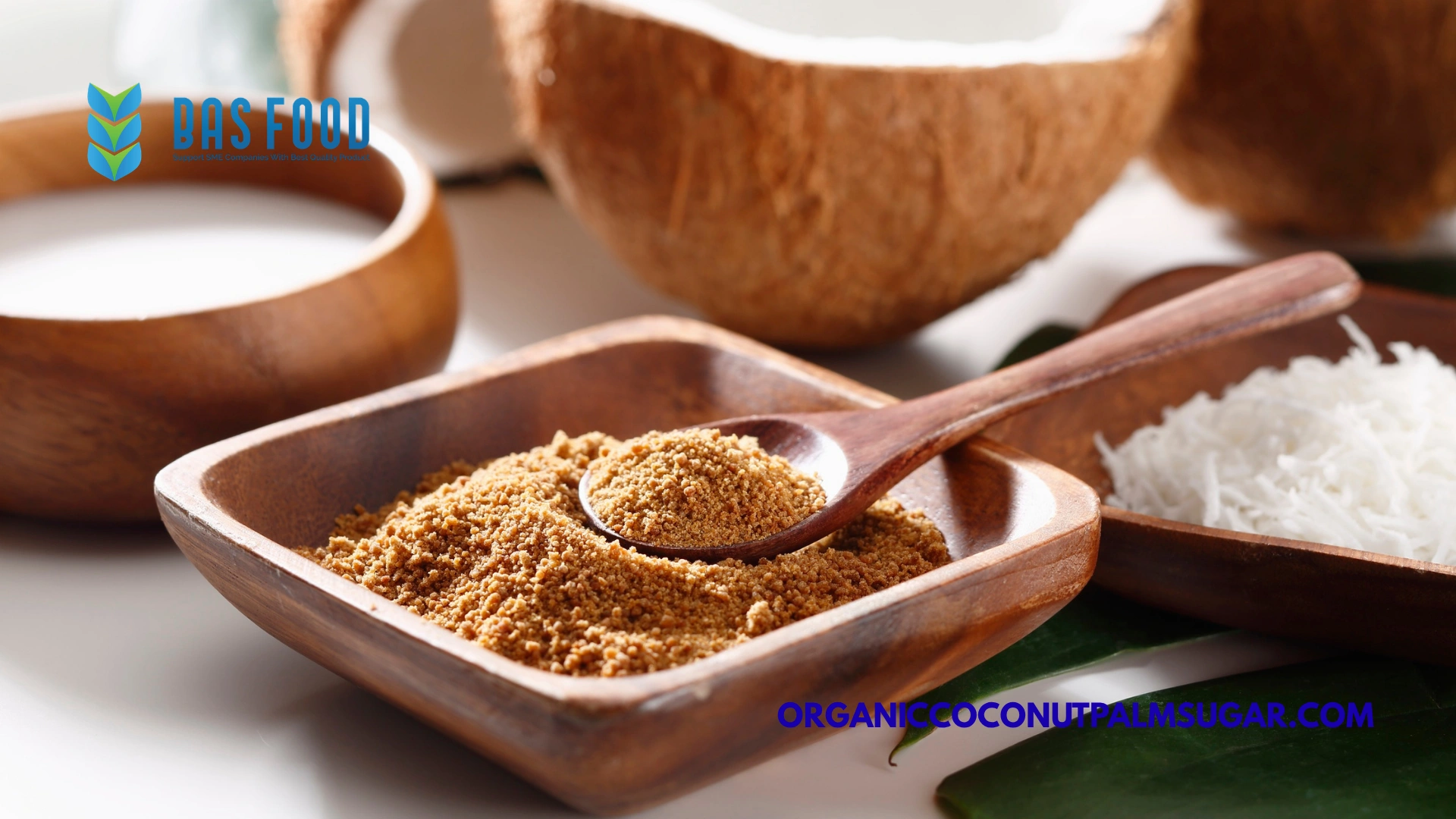
Why Coconut Sugar Color Matters in the Global Food Industry
Color is one of the first quality characteristics buyers evaluate during product inspection. Before customers taste coconut sugar or review laboratory reports, they immediately notice its appearance.
A consistent color creates confidence because it reflects a controlled production process. Although color alone cannot determine product quality, it helps buyers understand whether the manufacturer maintains stable processing conditions.
For food manufacturers, color consistency is equally important because it directly affects the appearance of finished products. Consumers expect bakery items, beverages, sauces, and confectionery products to have the same look every time they purchase them.
Because of this expectation, many international buyers include color specifications in their purchasing requirements. Reliable exporters understand these expectations and work to produce coconut sugar with consistent appearance from batch to batch.
What Determines Coconut Sugar Color?
Several natural factors influence coconut sugar color during production.
The first factor is the freshness of the coconut blossom sap. Fresh sap collected from healthy coconut trees provides an excellent starting point for producing high-quality coconut sugar.
Another important factor is the heating process. During evaporation, water is removed from the sap until sugar crystals begin to form. The temperature and duration of heating significantly influence the final color of the product.
Longer heating times usually produce deeper caramelization, resulting in darker shades. On the other hand, carefully controlled heating can produce lighter golden tones while preserving the natural sweetness of the sap.
Moisture content also contributes to the product’s final appearance. Proper drying helps maintain consistent color and reduces quality variations between production batches.
Experienced manufacturers carefully monitor every production stage to achieve stable color while preserving the natural characteristics of coconut sugar.
Understanding Golden Coconut Sugar
Golden coconut sugar is often recognized by its light golden brown appearance and clean presentation.
Many beverage manufacturers and premium food brands prefer this color because it blends well into products while providing an attractive natural look.
Producing golden coconut sugar requires careful control throughout processing. Manufacturers must monitor heating temperatures closely to avoid excessive caramelization while still achieving proper crystallization.
The result is a product with a mild caramel flavor, pleasant aroma, and attractive appearance that works well in beverages, desserts, breakfast cereals, and health-focused food products.
Golden coconut sugar is also popular in retail packaging because many consumers associate lighter colors with freshness and minimal processing.
Why Brown Coconut Sugar Remains Popular
While lighter products attract many buyers, brown coconut sugar continues to be highly valued in numerous food applications.
Brown coconut sugar develops its deeper color naturally through extended caramelization during processing. This richer appearance is often accompanied by a stronger caramel aroma and more pronounced flavor profile.
Many bakeries and confectionery manufacturers intentionally choose brown coconut sugar because it enhances the appearance and taste of cookies, cakes, muffins, sauces, marinades, and traditional desserts.
The darker shade also complements products that already contain chocolate, spices, coffee, or roasted ingredients.
Rather than viewing brown coconut sugar as lower quality, professional buyers understand that it simply represents a different production specification designed for particular applications.
Natural Color Variation Is Normal
One of the most common questions from international buyers concerns natural color variation.
Unlike highly refined white sugar, coconut sugar is a minimally processed natural ingredient. Because it comes directly from coconut blossom sap, slight variations in appearance can occur.
Weather conditions, seasonal changes, tree maturity, and regional differences all influence the composition of fresh sap before processing even begins.
Even when manufacturers follow standardized production procedures, small natural differences may remain between harvests.
Professional exporters understand this characteristic and establish acceptable color ranges instead of expecting every crystal to be identical.
As long as the product meets agreed specifications, minor natural color variation is considered normal within the coconut sugar industry.
Does Coconut Sugar Color Affect Taste?
Color and flavor are closely related, but they are not exactly the same.
Generally, lighter coconut sugar offers a milder caramel taste with subtle sweetness. This makes it suitable for products where delicate flavors are preferred.
Meanwhile, darker coconut sugar often delivers richer caramel notes and slightly deeper roasted flavors because of the longer heating process.
However, flavor depends on several factors beyond color alone. Production methods, raw material quality, moisture control, and processing consistency all contribute to the final taste.
For this reason, professional buyers evaluate color alongside aroma, texture, moisture content, cleanliness, and laboratory specifications before making purchasing decisions.
How Manufacturers Maintain Color Consistency
Producing consistent coconut sugar color requires strict quality control throughout manufacturing.
Everything begins with selecting fresh coconut blossom sap collected under hygienic conditions. Fresh raw materials create a more stable foundation for consistent processing.
Manufacturers then carefully control heating temperature, evaporation speed, and cooking duration. Modern production facilities often combine traditional expertise with standardized operating procedures to improve consistency.
After crystallization, coconut sugar is dried under controlled conditions to maintain stable moisture levels.
Quality control teams inspect every production batch before packaging. Some manufacturers also compare products against approved color standards to ensure customer specifications are met.
These quality assurance procedures help international buyers receive products that perform consistently in food manufacturing.
Choosing the Right Coconut Sugar Color for Different Applications
Different industries often require different coconut sugar colors.
For beverage manufacturers, lighter shades frequently dissolve well while maintaining the desired appearance of finished drinks.
Breakfast cereal producers may select golden coconut sugar because it provides natural sweetness without significantly darkening the product.
Bakeries often prefer brown coconut sugar to enhance the visual appeal and flavor of cakes, cookies, and pastries.
Sauce manufacturers may also choose darker coconut sugar because the rich caramel notes complement savory recipes.
Importers should always discuss color requirements with their suppliers before production begins. Clear communication helps manufacturers recommend the most suitable specification for each application.
Quality Standards Beyond Color
Although appearance is important, professional buyers evaluate several additional quality characteristics before purchasing coconut sugar.
These commonly include:
- Moisture content
- Granule consistency
- Aroma
- Taste
- Solubility
- Cleanliness
- Food safety
- Packaging quality
A product with consistent color but poor moisture control may not perform well during storage.
Likewise, attractive appearance alone cannot replace proper food safety standards or reliable production practices.
Experienced exporters understand that international customers evaluate the complete product rather than relying only on visual inspection.
Why Indonesian Coconut Sugar Meets Global Expectations
Indonesia is one of the world’s largest producers of coconut sugar and has earned a strong reputation for supplying international food markets.
The country’s tropical climate supports healthy coconut plantations, while experienced farmers continue traditional sap harvesting practices passed down through generations.
Many Indonesian manufacturers combine these traditional methods with modern quality management systems, hygienic processing facilities, and standardized production procedures.
This combination allows exporters to produce coconut sugar with consistent color, reliable quality, and flexible specifications for buyers across Europe, North America, Asia, the Middle East, and Africa.
For businesses seeking dependable long-term supply, Indonesian exporters offer production expertise, customized specifications, and professional export services tailored to international markets.
Conclusion
Understanding coconut sugar color helps importers make more informed purchasing decisions and select products that match their manufacturing requirements.
Whether choosing golden coconut sugar for beverages or brown coconut sugar for bakery applications, buyers should remember that slight natural color variation is a normal characteristic of minimally processed coconut sugar.
Rather than focusing only on appearance, professional buyers evaluate color together with moisture content, flavor, consistency, food safety, and production quality.
By partnering with an experienced Indonesian exporter, businesses can source coconut sugar that meets international quality standards while receiving customized color specifications, reliable packaging, and dependable export support for long-term success.