As consumers around the world search for more natural ingredients, coconut sugar has become one of the fastest-growing sweeteners in the food industry. While many buyers first notice its natural appearance or minimal processing, what truly makes it stand out is its unique taste. The distinctive coconut sugar flavor gives food and beverages a rich sweetness that is difficult to replicate with refined sugar or artificial sweeteners. Unlike white sugar, which mainly delivers sweetness, coconut sugar offers a more complex sensory experience. It combines a gentle sweetness with subtle notes of caramel and a pleasant aroma that enhances both simple and sophisticated recipes. This unique character has made coconut sugar a preferred ingredient for bakeries, beverage companies, confectionery manufacturers, and health-focused food brands.
For international importers and food manufacturers, understanding the flavor characteristics of coconut sugar is essential when choosing the right ingredient for product development. Different applications may require different sweetness levels, aroma intensity, or color specifications. Knowing how coconut sugar behaves in recipes helps buyers select products that meet both production needs and consumer expectations.
In this guide, we will explore everything you need to know about coconut sugar flavor, including its caramel taste, natural coconut sugar aroma, complete flavor profile, and why it has become a favorite ingredient in global food manufacturing.
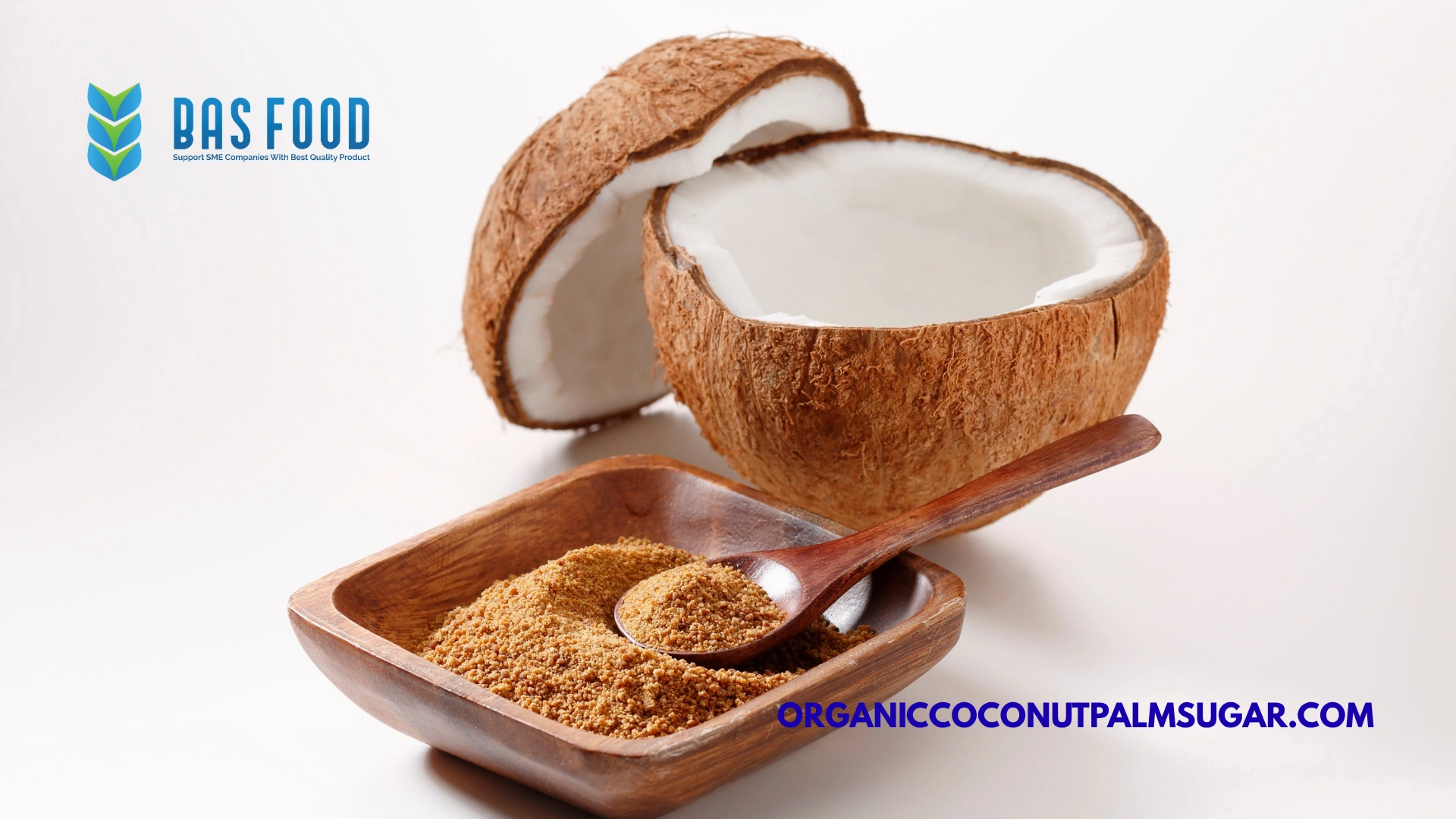
What Makes Coconut Sugar Flavor So Unique?
One of the biggest reasons coconut sugar continues to gain popularity is its naturally balanced taste. Unlike refined white sugar, which delivers a simple sweetness, coconut sugar offers multiple flavor layers that develop naturally during production.
The journey begins with fresh coconut blossom sap. This sap contains natural sugars that gradually transform as water evaporates during cooking. As the liquid thickens, gentle caramelization creates the characteristic flavor that coconut sugar is known for.
Because coconut sugar undergoes minimal processing, much of its natural character remains intact. The result is a sweetener with a warm, rounded taste rather than an overly sharp sweetness.
This unique flavor allows manufacturers to improve the taste of many products without relying on artificial flavor enhancers.
Understanding the Caramel Taste of Coconut Sugar
The most recognizable characteristic of coconut sugar flavor is its rich caramel taste.
During production, fresh coconut sap is heated slowly under controlled temperatures. As water evaporates, natural sugars begin to caramelize. This process creates warm caramel notes that distinguish coconut sugar from conventional table sugar.
Unlike burnt caramel, the flavor remains smooth and pleasant. Most coconut sugar offers mild caramel sweetness without excessive bitterness or smokiness.
This balance makes coconut sugar suitable for many food applications. It adds depth without overpowering other ingredients.
For this reason, many chefs and food manufacturers use coconut sugar when they want sweetness with additional flavor complexity.
Coconut Sugar Aroma Adds More Than Sweetness
Flavor is not only about taste. Aroma also plays a major role in how people experience food.
One reason consumers enjoy coconut sugar is its pleasant coconut sugar aroma. Although the name may suggest a strong coconut smell, the aroma is actually much more subtle.
Instead of tasting like fresh coconut, coconut sugar usually offers warm, toasted, and slightly earthy notes that complement its caramel sweetness.
This gentle aroma enhances the overall eating experience, especially in baked goods, beverages, desserts, and sauces.
Because the aroma remains natural rather than artificial, it supports today’s growing demand for clean-label ingredients.
Food manufacturers often appreciate this balanced aroma because it blends well with coffee, chocolate, vanilla, cinnamon, nuts, and many fruit flavors.
Exploring the Complete Flavor Profile
Every natural ingredient has its own sensory characteristics, and coconut sugar is no exception.
The complete flavor profile of coconut sugar combines several elements that work together harmoniously.
Most high-quality coconut sugar provides:
- Gentle sweetness
- Soft caramel notes
- Mild toasted flavors
- Slight earthy undertones
- Smooth finish
- Pleasant natural aroma
These characteristics create a versatile sweetener suitable for numerous food categories.
Because the flavor profile remains balanced, coconut sugar works equally well in sweet and savory recipes.
Manufacturers often choose coconut sugar when they want a sweetener that contributes more than simple sweetness.
Why Production Methods Influence Coconut Sugar Flavor
Not all coconut sugar tastes exactly the same.
Several production factors influence the final flavor of the product.
Fresh coconut blossom sap forms the foundation of good flavor. High-quality sap collected from healthy trees produces cleaner and more consistent sweetness.
Cooking temperature also affects flavor development. Slow, controlled heating allows gentle caramelization while preserving natural sweetness.
Excessive heat may create stronger roasted notes or slight bitterness, while insufficient cooking can produce a lighter flavor with less complexity.
Drying methods and moisture control also contribute to flavor stability during storage.
Experienced manufacturers carefully monitor every production stage to achieve consistent flavor from one batch to another.
How Coconut Sugar Flavor Performs in Different Food Applications
One of coconut sugar’s greatest advantages is its versatility.
Its balanced flavor allows manufacturers to use it across a wide range of food products without overwhelming other ingredients.
In bakery products, coconut sugar enhances cookies, cakes, muffins, breads, and pastries by adding gentle caramel notes.
In beverages, it creates a smooth sweetness that pairs naturally with coffee, tea, smoothies, chocolate drinks, and plant-based beverages.
Confectionery manufacturers use coconut sugar to improve chocolates, candies, syrups, and dessert toppings.
It also works well in savory recipes such as barbecue sauces, marinades, salad dressings, and seasoning blends where mild sweetness supports overall flavor balance.
Flavor Differences Between Coconut Sugar and Refined Sugar
Many buyers compare coconut sugar directly with refined white sugar.
Although both provide sweetness, their sensory experiences are very different.
Refined sugar offers a clean but relatively one-dimensional sweetness. Its purpose is mainly to sweeten without contributing additional flavor.
Coconut sugar, however, delivers sweetness together with caramel notes and natural aroma.
Because of this richer taste, manufacturers may create products with greater flavor depth without adding artificial flavor ingredients.
This difference explains why coconut sugar has become increasingly popular in premium and specialty food products.
Does Coconut Sugar Flavor Change with Color?
Color and flavor are often connected, although they are not identical.
Lighter coconut sugar generally has a milder caramel taste because it experiences less caramelization during processing.
Darker coconut sugar usually develops deeper caramel notes and a slightly richer roasted character.
However, color alone should never be used to judge flavor quality.
Professional manufacturers maintain strict production controls to ensure products meet customer specifications for both appearance and taste.
Importers should communicate their preferred flavor characteristics rather than relying only on color descriptions.
How Manufacturers Maintain Consistent Flavor Quality
Consistency is essential for international food production.
Food manufacturers expect every shipment of coconut sugar to perform similarly in their recipes.
Professional exporters achieve this through standardized production procedures and comprehensive quality control.
Quality teams monitor:
- Raw material freshness
- Cooking temperature
- Heating duration
- Moisture content
- Product aroma
- Flavor consistency
- Packaging quality
Many manufacturers also perform sensory evaluations alongside laboratory testing.
These procedures help ensure customers receive products with reliable flavor from shipment to shipment.
Choosing the Right Coconut Sugar Supplier
Selecting the right supplier is just as important as selecting the right product.
Reliable exporters understand that buyers require consistent flavor, stable quality, and dependable production.
Before placing an order, importers should request product specifications, samples, and detailed information about manufacturing procedures.
It is also helpful to discuss intended product applications.
For example, beverage manufacturers may prefer lighter caramel notes, while bakery producers often request richer flavor profiles.
Working closely with an experienced supplier makes it easier to select coconut sugar that matches production requirements and consumer preferences.
Why Indonesian Coconut Sugar Is Appreciated Around the World
Indonesia is one of the largest producers of coconut sugar and has earned a strong reputation in international markets.
The country’s abundant coconut plantations provide a steady supply of fresh blossom sap, while experienced farmers continue traditional harvesting methods that have been practiced for generations.
Modern Indonesian manufacturers combine this traditional knowledge with advanced quality management systems to produce coconut sugar with consistent flavor, appearance, and food safety standards.
Export-oriented suppliers also understand the expectations of international buyers, offering customized specifications, flexible packaging, and reliable logistics support.
For businesses seeking a dependable supply of premium coconut sugar, Indonesia remains one of the world’s most trusted sourcing destinations.
Conclusion
The distinctive coconut sugar flavor is one of the main reasons this natural sweetener continues to gain popularity across global food markets. Its balanced caramel taste, pleasant coconut sugar aroma, and rich flavor profile make it a versatile ingredient for beverages, bakery products, confectionery, sauces, and many other applications.
Unlike refined sugar, coconut sugar contributes both sweetness and character, helping manufacturers create products with greater depth and a more natural taste.
For importers and food brands, partnering with an experienced Indonesian exporter ensures consistent flavor quality, reliable production, customized specifications, and dependable international supply. By understanding how coconut sugar flavor develops and performs in different applications, businesses can confidently select the right product to meet their market needs.