In the modern food industry, ingredient selection has become more strategic than ever. Manufacturers are not only focused on cost efficiency but also on quality, safety, and consumer demand. As clean-label products and health-conscious diets continue to grow, coconut flour has emerged as a valuable ingredient across multiple sectors. Among the various types available, food grade coconut flour stands out for its purity, safety, and functional benefits. It is specifically processed to meet strict food safety standards, making it suitable for industrial applications.
At the same time, businesses are actively looking for a reliable edible coconut flour supplier who can deliver consistent quality at scale. This is essential for maintaining product performance and meeting regulatory requirements.
In this comprehensive guide, we explore the benefits, applications, and sourcing strategies for food grade coconut flour in industrial settings.
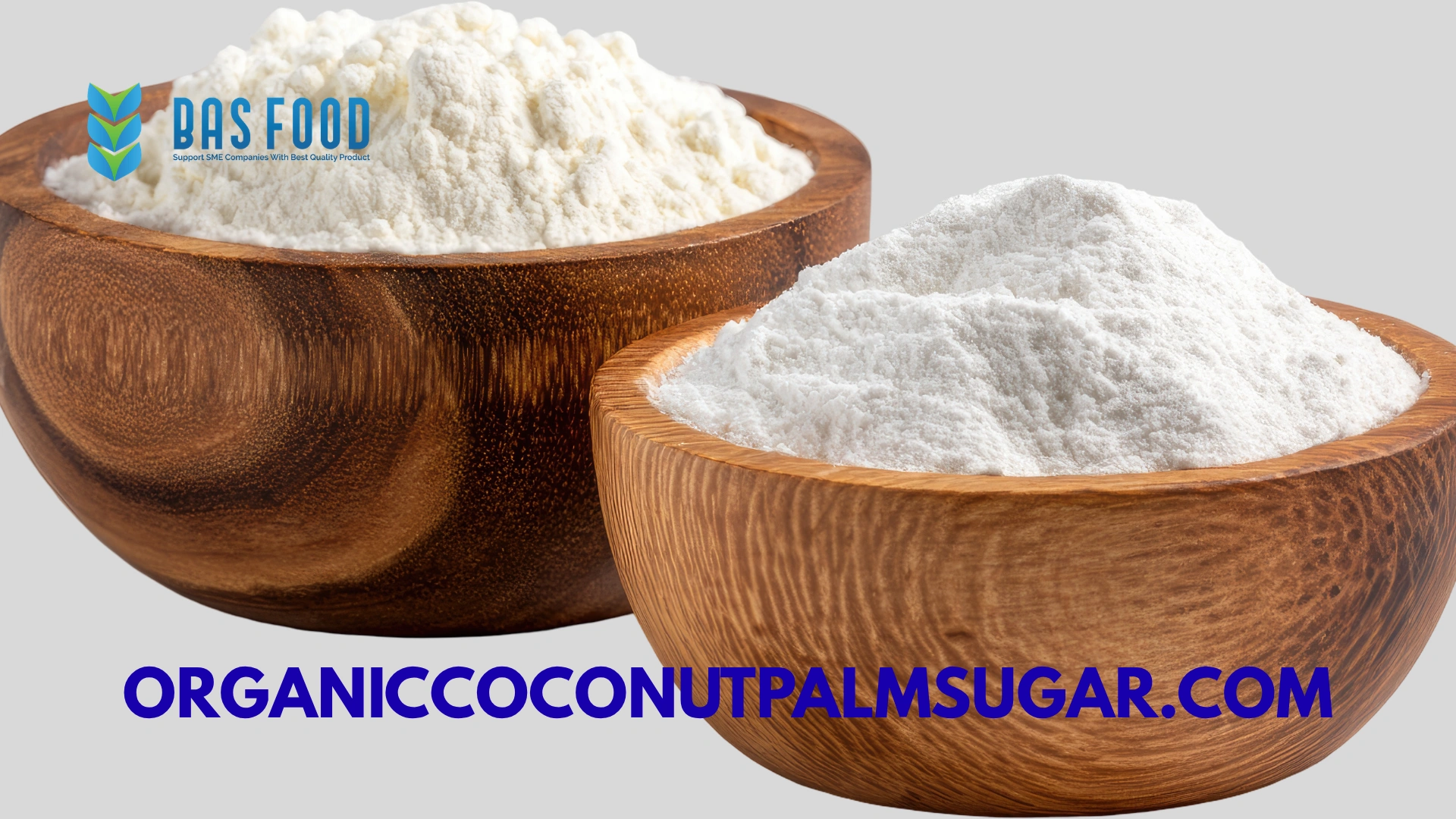
What Is Food Grade Coconut Flour and Why It Matters
Food grade coconut flour is a finely milled powder made from dried coconut meat. It is typically produced after extracting coconut milk or oil, making it a sustainable and efficient ingredient.
What sets food grade coconut flour apart is its compliance with strict safety and quality standards. It is processed in hygienic environments and tested to ensure it is free from contaminants.
From a nutritional perspective, coconut flour is rich in dietary fiber, low in carbohydrates, and naturally gluten-free. These properties make it ideal for modern food formulations.
In addition, it has excellent water absorption capacity. This allows manufacturers to use smaller quantities while achieving the desired texture. As a result, it improves production efficiency.
Working with a trusted edible coconut flour supplier ensures that these qualities remain consistent across all batches.
The Production Process: Ensuring Food-Grade Quality
The production of coconut flour begins with fresh coconuts. The meat is separated, cleaned, and processed into coconut milk or oil. The remaining solids are then dried and milled into flour.
To achieve food grade coconut flour, the process must follow strict hygiene standards. This includes controlled drying temperatures, clean processing equipment, and proper storage conditions.
Quality control plays a key role at every stage. Manufacturers test for moisture content, microbial safety, and particle size. These tests ensure the flour meets international food safety standards.
Moreover, a professional edible coconut flour supplier invests in modern technology. Advanced drying and milling systems help maintain product consistency and quality.
As a result, buyers receive a reliable ingredient that performs well in industrial applications.
Key Applications in Industrial Food Manufacturing
The versatility of food grade coconut flour makes it suitable for a wide range of industrial applications. One of the main uses is in bakery products. It is commonly used in gluten-free bread, cakes, and cookies.
In addition, coconut flour is widely used in snack production. It enhances the nutritional profile of products such as protein bars and granola.
Another important application is in plant-based foods. Coconut flour acts as a binding agent and helps improve texture in meat alternatives.
Furthermore, it is used in health-focused products. Its high fiber content makes it ideal for low-carb and keto-friendly foods.
A reliable edible coconut flour supplier can provide customized specifications to meet the needs of different industries.
Benefits of Using Food Grade Coconut Flour in Industry
There are several advantages to using food grade coconut flour in industrial production. First, it supports clean-label formulations. Consumers prefer ingredients that are natural and easy to understand.
Second, it improves nutritional value. High fiber content helps create healthier products that meet market demand.
Third, it offers excellent functionality. Its ability to absorb moisture enhances texture and shelf life in various products.
In addition, coconut flour is allergen-friendly. It is gluten-free and suitable for a wide range of dietary needs.
Working with an experienced edible coconut flour supplier ensures that these benefits are fully realized in your production process.
Quality Standards and Specifications to Consider
When sourcing coconut flour, understanding quality standards is essential. Key parameters include moisture content, particle size, and microbiological safety.
Moisture content should be low to prevent spoilage. This helps extend shelf life and maintain product quality.
Particle size affects texture and consistency. Fine and uniform particles are preferred for industrial applications.
Microbiological safety is critical. The product must be free from harmful bacteria such as Salmonella and E. coli.
A trusted edible coconut flour supplier provides detailed specifications and test results. This transparency helps buyers make informed decisions.
Choosing the Right Edible Coconut Flour Supplier
Selecting the right supplier is a crucial step in ensuring product success. A reliable edible coconut flour supplier offers consistent quality, timely delivery, and strong customer support.
First, evaluate the supplier’s certifications. Look for standards such as HACCP, ISO, and Organic certifications.
Second, assess their production capacity. The supplier should be able to meet your volume requirements without compromising quality.
Third, consider their logistics capabilities. Efficient shipping and proper documentation are essential for international trade.
Communication is also important. A responsive supplier helps resolve issues quickly and builds a strong partnership.
Finally, request samples to test the product before making a large purchase.
Indonesia as a Leading Source of Coconut Flour
Indonesia is one of the world’s largest coconut producers. This makes it a key supplier of coconut-based products, including flour.
The abundance of raw materials ensures a stable supply of food grade coconut flour. This is important for businesses that require consistent sourcing.
In addition, Indonesian manufacturers are investing in modern processing facilities. This helps them meet international quality standards.
Cost efficiency is another advantage. Local production reduces costs, making Indonesian coconut flour competitive in global markets.
A trusted edible coconut flour supplier from Indonesia can provide high-quality products at competitive prices.
Why CV Bonafide Anugerah Sentosa Is a Trusted Supplier
CV Bonafide Anugerah Sentosa is a reliable exporter of coconut products from Indonesia. They specialize in supplying high-quality coconut flour for industrial applications.
As an experienced edible coconut flour supplier, they focus on consistency, safety, and customer satisfaction.
They offer flexible packaging options and competitive pricing. This makes them a strong partner for international buyers.
In addition, they provide full support for export logistics and documentation. This ensures smooth and efficient transactions.
Their commitment to quality makes them a trusted choice for sourcing food grade coconut flour.
Future Trends in Coconut Flour for Industrial Use
The demand for coconut flour is expected to grow in the coming years. Consumers are increasingly looking for healthy and natural food options.
In addition, innovation in food processing is creating new applications. Coconut flour is being used in functional foods and alternative protein products.
Sustainability is also becoming a key focus. Coconut flour production supports waste reduction and efficient resource use.
A reliable edible coconut flour supplier that adapts to these trends will remain competitive in the global market.
Conclusion: A Smart Ingredient for Modern Food Manufacturing
Food grade coconut flour offers a unique combination of nutritional benefits, functionality, and sustainability. It is a valuable ingredient for modern food production.
However, success depends on choosing the right supplier. A trusted edible coconut flour supplier ensures consistent quality and reliable supply.
Indonesia provides a strong sourcing advantage due to its abundant resources and growing industry.
By partnering with experienced exporters like CV Bonafide Anugerah Sentosa, businesses can secure high-quality food grade coconut flour for their industrial needs.