Sweetness is important in food production, but it is only one part of the experience. Flavor, aroma, color, and texture also influence how consumers enjoy a product. For food manufacturers, beverage brands, bakeries, and ingredient distributors, understanding the coconut sugar syrup flavor can help them create products that stand out in a competitive market.
Coconut sugar syrup offers a distinctive taste that differs from ordinary white sugar syrup. Depending on the raw material and processing method, it may deliver caramel-like notes, warm sweetness, and a subtle aroma associated with coconut sap. These characteristics make it worth exploring in applications such as coffee, tea, sauces, desserts, baked goods, and specialty beverages.
However, coconut sugar syrup does not taste exactly the same in every batch. The source of the sap, heating conditions, concentration, and storage can all influence its final flavor. Therefore, buyers should understand these factors before selecting a product for commercial use.
For businesses sourcing natural sweeteners, CV Bonafide Anugerah Sentosa is part of Indonesia’s commodity export sector. Importers and food manufacturers can contact the company directly to confirm current coconut sugar syrup availability, product specifications, packaging, and export requirements.
What Does Coconut Sugar Syrup Taste Like?
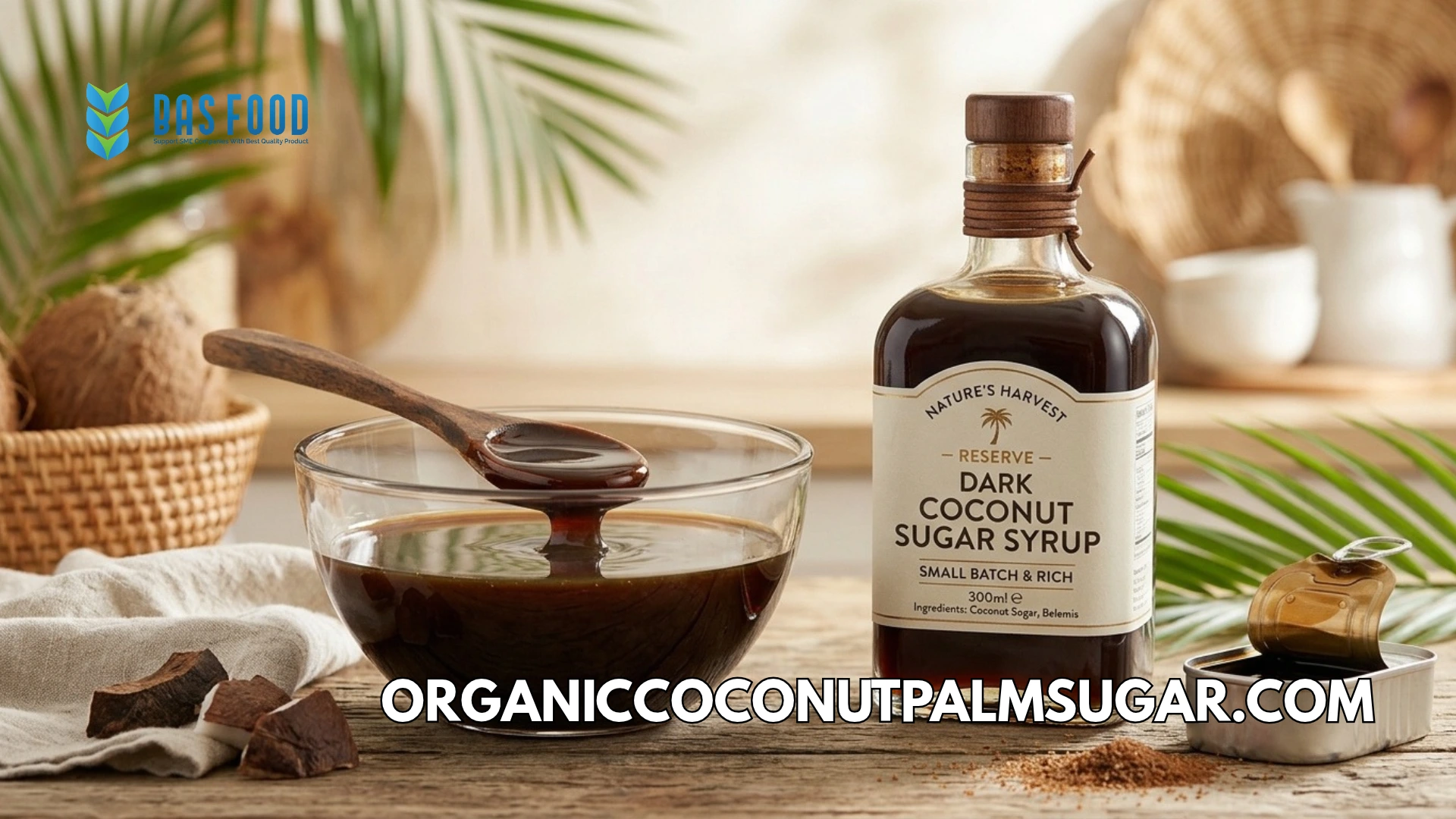
The easiest way to describe coconut sugar syrup is as a sweet liquid sweetener with warm, rounded flavor notes. Many people associate it with caramel, brown sugar, or light molasses. Nevertheless, the exact taste depends on how the syrup is produced and the characteristics of the coconut sap used as its raw material.
Unlike refined white sugar syrup, which usually provides a relatively neutral sweetness, coconut sugar syrup can contribute more flavor to a finished recipe. This difference matters when manufacturers want a sweetener that adds character rather than simply increasing sugar content.
The coconut sap syrup taste may include several sensory characteristics:
- Caramel-like notes: A warm flavor that can resemble cooked sugar.
- Brown sugar notes: A rounded sweetness that may remind consumers of brown sugar.
- Mild natural aroma: A subtle aroma that varies with raw materials and processing.
- Rich sweetness: A flavor that may feel fuller than a neutral sugar solution.
- Roasted or toffee-like hints: These may develop during heating, depending on the process.
These descriptions are useful starting points, not guaranteed specifications. Some products may taste lighter and more delicate, while others may have a deeper cooked-sugar character.
For B2B buyers, the best approach is to assess the syrup directly. A sample tasting helps determine whether the flavor suits a particular beverage, bakery product, sauce, or dessert.
The Science Behind Its Caramel Flavor
One of the most attractive characteristics of coconut sugar syrup is its potential caramel flavor. This flavor can develop as producers heat and concentrate coconut sap. During processing, heat changes the composition of the liquid and can create compounds that influence its aroma, color, and taste.
Sugar-related reactions contribute to these changes. Depending on the temperature, time, acidity, and composition of the sap, caramelization and other heat-driven reactions may occur to different degrees. These processes can create notes associated with cooked sugar, toffee, and caramel.
However, a darker syrup does not automatically have a stronger or better caramel flavor. Color and flavor can change together, but they are not identical quality indicators. A producer must consider the full process and evaluate the finished product rather than relying on appearance alone.
Excessive heating can also produce unwanted bitter or burnt notes. For this reason, producers need to control processing conditions carefully. The goal is to achieve the intended flavor while maintaining suitable consistency and product quality.
For manufacturers, this distinction is particularly important. A beverage brand may prefer a gentle caramel note that complements coffee, while a dessert manufacturer may want a more pronounced cooked-sugar character. Defining the desired flavor before purchasing helps buyers communicate their requirements clearly to a coconut sugar supplier.
What Influences Coconut Sugar Syrup Flavor?
The final flavor develops through several connected factors. Understanding them helps manufacturers evaluate suppliers, compare samples, and establish more consistent product specifications.
Coconut sap quality
Coconut sap is the starting material for coconut sugar syrup. Its composition can vary because of differences in collection, handling, maturity of the source, and environmental conditions. These variations may influence sweetness, aroma, acidity, and the way the sap responds to heating.
Freshness and proper handling also matter. Uncontrolled changes before processing can affect the raw material and may create undesirable flavor differences. Consequently, reliable collection and prompt processing are important parts of a consistent production system.
Heating and concentration
Heating removes water and concentrates the soluble components of the sap. At the same time, it can influence the syrup’s flavor and aroma. Different combinations of temperature and processing time may produce different sensory results, even when producers start with similar raw materials.
Manufacturers should therefore avoid assuming that every coconut sugar syrup has an identical flavor profile. When consistency is essential, buyers should request product samples and ask suppliers how they manage processing variation.
Solids content and sweetness
The concentration of dissolved solids affects how sweet and intense a syrup tastes. A more concentrated syrup may deliver more sweetness per gram of product, although perceived flavor also depends on its composition and other sensory characteristics.
For commercial formulations, buyers can request relevant specifications, such as Brix or total soluble solids, where applicable. Brix can help assess concentration, but it does not independently establish the full sugar composition, flavor quality, or microbiological safety of the product.
Storage and packaging
Flavor can also change during storage. Temperature, exposure to air, light, and packaging characteristics may influence product stability over time. Poor handling can create quality problems that affect the overall sensory experience.
For that reason, manufacturers should follow the supplier’s storage instructions and evaluate the syrup under realistic conditions. Businesses with long distribution routes should pay particular attention to storage requirements and the product’s documented shelf life.
Understanding the Sweetener Flavor Profile
A sweetener flavor profile describes the sensory characteristics that a sweetening ingredient contributes to a food or beverage. It goes beyond measuring sweetness. It can include aroma, flavor intensity, aftertaste, and how the ingredient interacts with other components.
For coconut sugar syrup, a useful flavor profile might describe the product as having medium or strong sweetness, light or pronounced caramel notes, a mild or rich aroma, and a clean or lingering aftertaste. These terms are practical for communication, but they should be supported by actual tasting and agreed evaluation criteria.
A simple sensory evaluation can help B2B buyers compare products. During testing, assess the following characteristics:
- Aroma: Smell the syrup before tasting it. Look for pleasant cooked-sugar notes and any unexpected odors.
- Initial sweetness: Observe how quickly sweetness becomes noticeable.
- Main flavor: Identify caramel, brown sugar, or other recognizable notes.
- Mouthfeel: Consider whether the syrup feels light, smooth, or thick in the intended application.
- Aftertaste: Check whether the flavor fades cleanly or leaves an unwanted bitter or burnt impression.
- Batch consistency: Compare multiple samples when repeat orders require a stable flavor.
It is also useful to evaluate coconut sugar syrup in the final recipe rather than tasting it only on its own. Coffee, dairy alternatives, spices, acids, fats, and other ingredients can change how people perceive sweetness and aroma.
A syrup that tastes excellent on a spoon may behave differently in a large beverage batch. Testing it in the intended formulation gives buyers a more reliable basis for purchasing decisions.
How Coconut Sugar Syrup Flavor Works in Beverages
Beverages are a natural application for coconut sugar syrup because a liquid sweetener can be convenient to measure, blend, and distribute through a formulation. Its caramel-like character may complement drinks that already contain roasted, creamy, or warm flavor notes.
Coffee and espresso drinks
Coffee is one of the most promising applications for coconut sugar syrup. Roasted coffee beans naturally offer flavor notes that can work well with cooked-sugar sweetness. Depending on the coffee variety and roast, coconut sugar syrup may complement chocolate-like, nutty, or caramel-like characteristics.
For cafés and beverage manufacturers, the important factor is balance. A strongly flavored syrup may dominate a delicate coffee, while a lighter syrup may allow the coffee’s original aroma to remain more noticeable. Recipe trials can help determine the appropriate dosage.
Tea and specialty drinks
Coconut sugar syrup can also be tested in milk tea, iced tea, spiced tea, and specialty beverages. Its flavor may complement ingredients such as cinnamon, ginger, and certain spices. However, the final result depends on the tea base and the amount of syrup used.
Cold beverages require particular attention to mixing and flavor balance. Although a liquid sweetener may be convenient, manufacturers should verify that it disperses properly under their actual preparation conditions.
Plant-based beverages
In oat, soy, almond, and other plant-based drinks, coconut sugar syrup may contribute sweetness and warm flavor notes. It can be considered for flavored beverage concepts, including coffee-style drinks and dessert-inspired products.
Still, formulators should evaluate the entire ingredient system. The syrup can affect color, sweetness, and flavor, but it does not automatically improve texture, nutritional value, or product stability. Testing remains essential before commercial production.
Coconut Sugar Syrup Flavor in Baking and Desserts
Bakeries and dessert manufacturers often look for sweeteners that contribute flavor as well as sweetness. Coconut sugar syrup may suit selected recipes because its cooked-sugar notes can complement ingredients such as vanilla, chocolate, cinnamon, nuts, and certain fruits.
In cakes, muffins, brownies, and dessert sauces, the syrup may help develop a warmer flavor profile. Nevertheless, it also introduces water into the recipe. Replacing dry sugar with a liquid sweetener can change moisture, structure, browning, and baking time. Manufacturers should therefore reformulate and test recipes instead of substituting it at a one-to-one ratio without evaluation.
The same principle applies to fillings, toppings, and dessert syrups. Coconut sugar syrup may provide an appealing flavor layer in pancakes, waffles, ice cream toppings, and sweet sauces. Its color can also influence the appearance of a finished product.
For large-scale production, businesses should assess flavor alongside viscosity, concentration, color, and consistency. A bakery producing thousands of units needs repeatable results, not simply a syrup that tastes good in a single trial. Clear specifications and documented testing help support that consistency.
How to Choose Coconut Sugar Syrup for Commercial Use
Selecting a syrup for industrial use requires more than checking whether it tastes sweet. Buyers should consider how the ingredient will perform in their product, how consistently the supplier can provide it, and whether the specifications fit their manufacturing requirements.
Start by defining the desired flavor. For example, a coffee brand may want noticeable caramel notes, while a fruit-based beverage producer may prefer a milder flavor that does not overpower the main ingredients. This description helps suppliers understand the intended application.
Next, request a representative sample and relevant technical information. Depending on the product and intended market, useful documents may include a technical data sheet, ingredient declaration, specification sheet, certificate of analysis, allergen statement where applicable, and available food safety documentation. Confirm which documents the supplier can actually provide.
Buyers should also review practical purchasing details, including:
- Available product formats and packaging.
- Minimum order quantity and production lead time.
- Storage and handling requirements.
- Batch identification and traceability.
- Available quality testing and product specifications.
- Export documentation and destination-market requirements.
- Procedures for handling quality concerns or product deviations.
It is wise to test the syrup in the actual production environment before placing a large order. This step can reveal differences in flavor, mixing behavior, or formulation performance that a basic tasting might miss.
How CV Bonafide Anugerah Sentosa Can Fit into Your Sourcing Process
For importers and food manufacturers sourcing Indonesian ingredients, CV Bonafide Anugerah Sentosa operates in the commodity export sector. Businesses interested in coconut sugar syrup can contact the company to confirm whether the product is currently available and whether its specifications match their requirements.
When approaching a potential coconut sugar exporter supplier, buyers should explain their intended application, preferred flavor characteristics, expected order volume, destination country, and packaging needs. Providing this information at the start makes it easier to determine whether a product is suitable for the project.
For example, a beverage manufacturer may prioritize a balanced caramel flavor and consistent concentration. Meanwhile, a bakery ingredient distributor may focus on packaging, repeat-order consistency, documentation, and supply planning. Different applications can require different specifications, so buyers should communicate their priorities clearly.
The same approach applies when evaluating a coconut sugar supplier for long-term business. Ask for a sample, confirm the current specification, and discuss how product variation is managed. Do not assume that a particular flavor strength, certification, minimum order quantity, or packaging format is available until the supplier confirms it.
For international transactions, also verify the import requirements of the destination market. Product labeling, food safety documentation, ingredient declarations, and customs paperwork may vary by country. Early communication can help reduce avoidable delays during purchasing and shipment preparation.
Conclusion: Make Flavor Part of Your Ingredient Strategy
The coconut sugar syrup flavor offers more than sweetness. Depending on its raw material and production process, it may contribute caramel-like notes, warm brown-sugar characteristics, and a distinctive flavor that works well in selected beverages, baked goods, sauces, and desserts.
For B2B buyers, the key is to match the syrup’s flavor profile to the intended application. Evaluate aroma, sweetness, aftertaste, concentration, and performance in the finished recipe. In addition, review the product specifications, storage guidance, documentation, and supplier consistency before committing to regular orders.
Whether you are developing a new beverage, refining a bakery recipe, or sourcing ingredients for distribution, practical testing will help you make a better decision. Contact CV Bonafide Anugerah Sentosa to discuss current product availability and confirm whether its coconut sugar products meet your sourcing requirements.