The dairy industry is evolving faster than ever. Consumers no longer choose products based only on taste or price. Today, they also look at ingredient lists, product sourcing, and whether the ingredients are natural. As a result, dairy manufacturers are searching for sweeteners that can improve flavor while supporting clean-label product development. One ingredient that continues to gain popularity is coconut sugar. Made from the sap of coconut blossoms, coconut sugar offers a rich caramel-like taste and a less refined production process than traditional white sugar. Because of these qualities, it has become an attractive option for many food manufacturers around the world.
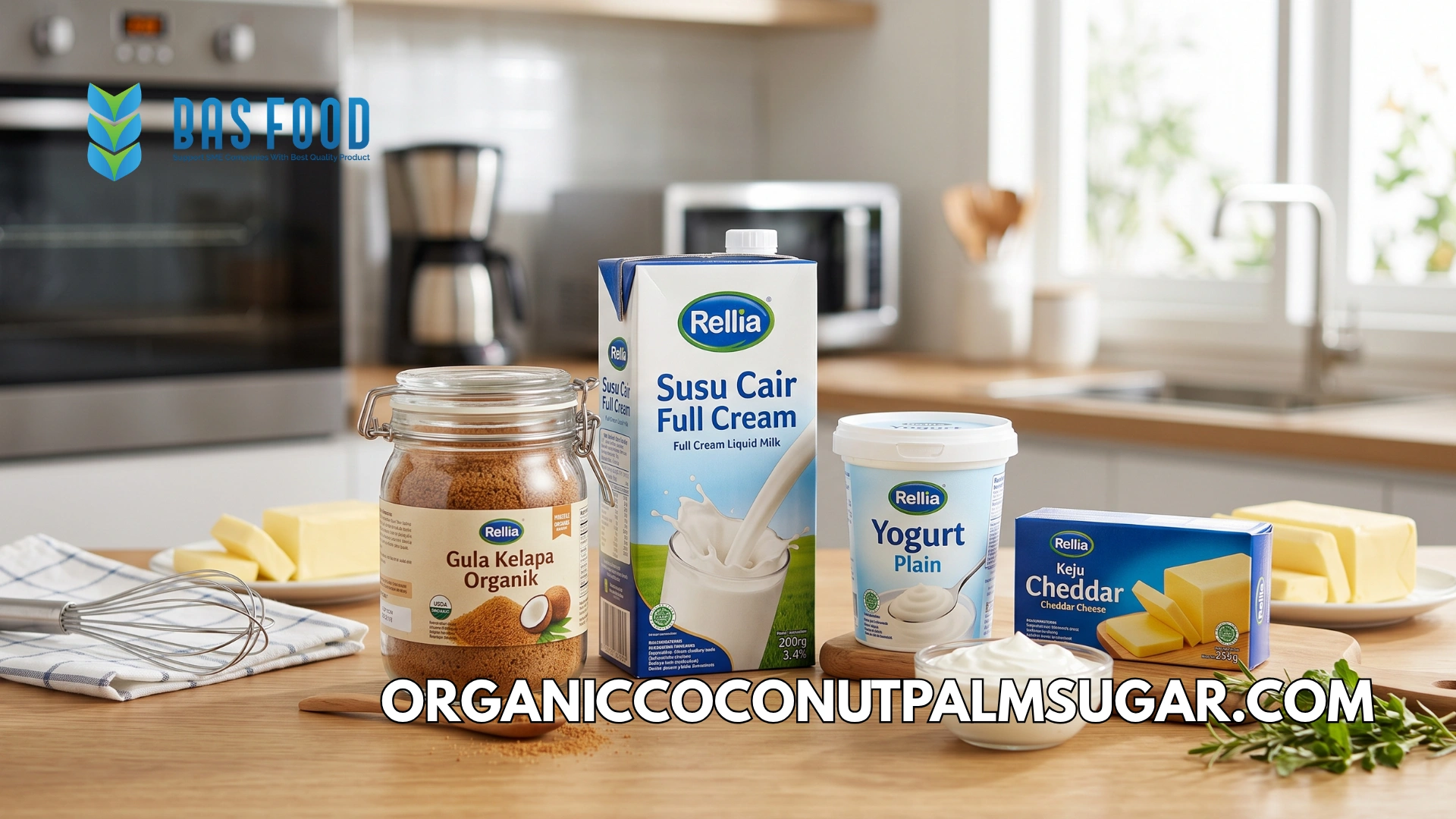
From creamy yogurt to premium ice cream, coconut sugar is finding its place in many dairy recipes. The growing interest in coconut sugar dairy applications is driven by both consumer demand and product innovation. Manufacturers are discovering that coconut sugar can enhance flavor, improve product positioning, and create unique dairy products that stand out in competitive markets.
For B2B buyers, understanding how coconut sugar performs in dairy processing is essential before selecting a supplier. Whether you are launching a new yogurt line or developing premium frozen desserts, choosing the right ingredient partner can make a significant difference.
This guide explores everything you need to know about coconut sugar dairy applications, including product benefits, manufacturing considerations, quality standards, and how to choose a trusted coconut sugar exporter for your business.
Why Coconut Sugar Is Gaining Popularity in the Dairy Industry
The global dairy market continues to introduce innovative products that meet changing consumer preferences. Modern shoppers appreciate products made with recognizable ingredients instead of heavily processed alternatives. This trend has encouraged manufacturers to rethink traditional sweeteners.
Coconut sugar fits perfectly into this movement. Since it is produced from coconut blossom sap, many consumers perceive it as a more natural ingredient. While it is still a sugar and should be consumed in moderation, its production process and distinctive flavor make it appealing for premium dairy products.
Another reason for the growing demand is flavor complexity. Unlike refined white sugar, coconut sugar delivers notes of caramel, butterscotch, and light toffee. These flavors complement milk-based products exceptionally well.
Manufacturers also appreciate its versatility. Coconut sugar can be used across various dairy categories without dramatically changing production methods. As a result, many companies are expanding their product portfolios by incorporating coconut sugar into both traditional and innovative dairy recipes.
For businesses working with a reliable coconut sugar supplier, maintaining consistent ingredient quality becomes much easier throughout commercial production.
Understanding Coconut Sugar as a Dairy Ingredient
Every ingredient influences the final quality of dairy products. Sweeteners do much more than provide sweetness. They also affect texture, mouthfeel, aroma, appearance, and overall consumer experience.
Coconut sugar offers several functional characteristics that make it suitable for dairy manufacturing. Its fine granules dissolve efficiently in many liquid dairy formulations, especially when mixed under controlled processing conditions.
Because coconut sugar contains natural color compounds, it also contributes a warm golden appearance. This characteristic works particularly well in caramel-flavored dairy products where a slightly darker color enhances product appeal.
Manufacturers typically select coconut sugar based on several specifications, including:
- Moisture content
- Particle size
- Color consistency
- Solubility
- Flavor profile
- Shelf stability
- Food safety compliance
Choosing an experienced coconut sugar supplier ensures these specifications remain consistent across multiple production batches, helping manufacturers maintain product quality.
Coconut Sugar in Yogurt: A Natural Yogurt Sweetener
One of the fastest-growing coconut sugar dairy applications is yogurt production.
Consumers increasingly prefer yogurt products with natural ingredients and unique flavor profiles. Coconut sugar helps manufacturers achieve both goals while creating a richer taste experience.
As a yogurt sweetener, coconut sugar pairs especially well with:
- Greek yogurt
- Stirred yogurt
- Drinking yogurt
- Organic yogurt
- Fruit yogurt
- Vanilla yogurt
- Probiotic yogurt
Instead of producing a sharp sweetness, coconut sugar delivers a smoother and more balanced flavor. This allows the natural creaminess of yogurt to remain the focus while adding pleasant caramel notes.
Fruit flavors such as strawberry, blueberry, mango, banana, peach, and mixed berries also blend beautifully with coconut sugar. The result is a premium yogurt that tastes both familiar and distinctive.
For manufacturers developing premium dairy products, coconut sugar provides an opportunity to create cleaner ingredient labels while enhancing overall product quality.
Creating Premium Ice Cream with Coconut Sugar
Ice cream is another category where coconut sugar performs exceptionally well.
Consumers are constantly searching for exciting frozen desserts with new flavors and premium ingredients. Coconut sugar supports this trend by delivering natural sweetness along with rich caramel complexity.
Among today’s popular ice cream ingredients, coconut sugar complements:
- Vanilla
- Chocolate
- Coffee
- Salted caramel
- Coconut
- Hazelnut
- Almond
- Cinnamon
Because coconut sugar naturally develops caramel-like flavors, it creates depth without relying heavily on artificial flavorings.
It also works well in artisan ice cream, gelato, frozen yogurt, and soft-serve applications. Many premium dessert brands use coconut sugar to create signature recipes that stand apart from conventional products.
Manufacturers often combine coconut sugar with other premium ice cream ingredients to produce unique flavor experiences that attract health-conscious and gourmet consumers alike.
Coconut Sugar in Flavored Milk and Dairy Beverages
The dairy beverage market has expanded rapidly in recent years.
Consumers now enjoy a wide variety of flavored milk products, protein beverages, coffee milk, milk teas, and nutritional dairy drinks.
Coconut sugar works well in these beverages because its sweetness remains smooth rather than overpowering. It blends especially well with chocolate, coffee, vanilla, cinnamon, and malt flavors.
Manufacturers also appreciate that coconut sugar supports premium product positioning. Many consumers recognize coconut sugar as a natural ingredient, making dairy beverages more attractive on store shelves.
As companies continue developing functional dairy drinks, coconut sugar offers additional opportunities for product differentiation.
Cheese, Cream, and Specialty Dairy Applications
Although coconut sugar is often associated with sweet products, it also has interesting applications in specialty dairy products.
Cream cheese spreads with honey or fruit flavors benefit from coconut sugar’s caramel notes. Dessert cheeses and whipped dairy toppings can also achieve more complex flavor profiles.
Some gourmet dairy manufacturers incorporate coconut sugar into flavored mascarpone, ricotta desserts, and cream-based fillings used in bakery products.
These specialty coconut sugar dairy applications allow manufacturers to create premium products that appeal to consumers seeking new taste experiences.
While formulation adjustments may be necessary, coconut sugar offers significant flexibility across many dairy categories.
Product Development Tips for Coconut Sugar Dairy Applications
Successful product development requires more than simply replacing white sugar with coconut sugar.
Manufacturers should conduct pilot trials to optimize sweetness, texture, color, and processing performance.
Several factors deserve attention during formulation:
- Dissolution rate
- Processing temperature
- Flavor balance
- Color development
- Product viscosity
- Shelf life
- Packaging compatibility
Because coconut sugar has a natural brown color, finished dairy products may appear slightly darker. In many premium products, this becomes a positive feature rather than a disadvantage.
Food developers should also consider the desired flavor profile. Coconut sugar pairs exceptionally well with vanilla, chocolate, coffee, cinnamon, coconut, maple, and nut flavors.
Testing multiple formulations helps determine the ideal ingredient ratio before moving into full-scale commercial production.
Quality Standards Matter for Dairy Manufacturers
Ingredient consistency is essential for dairy processing.
Even small variations in moisture, particle size, or color can influence production efficiency and final product quality.
Professional dairy manufacturers should evaluate suppliers based on:
- Product consistency
- Food safety systems
- Batch traceability
- Laboratory testing
- Export experience
- Packaging quality
- Stable supply capacity
- Technical documentation
A trusted coconut sugar supplier understands these requirements and provides ingredients that meet commercial production standards.
Manufacturers should also request product specifications and quality certificates when evaluating long-term ingredient partners.
Choosing the Right Coconut Sugar Exporter
Finding the right supplier goes beyond comparing prices.
An experienced coconut sugar exporter understands international food regulations, shipping documentation, quality control, and logistics management.
Reliable exporters typically provide:
- Bulk packaging options
- Retail packaging support
- Private label services
- OEM manufacturing
- Consistent product quality
- Export documentation
- International certifications
- Responsive customer service
Strong supplier relationships reduce production risks and help businesses maintain uninterrupted manufacturing schedules.
Working with a dependable coconut sugar exporter also supports long-term business growth by ensuring reliable product availability throughout the year.
Palm Sugar Supplier or Coconut Sugar Supplier: Which Should You Choose?
Many international buyers search for both a palm sugar supplier and a coconut sugar supplier because the two products belong to the same natural sweetener family.
Coconut sugar is produced specifically from coconut blossom sap, while the broader category of palm sugar may also include sugar from aren, palmyra, or date palms.
For dairy manufacturers, the best choice depends on the desired flavor profile, product positioning, and formulation requirements.
When evaluating suppliers, buyers should verify:
- Botanical source
- Production method
- Granule size
- Moisture content
- Organic certification availability
- Food safety certifications
- Export capabilities
- Packaging options
Selecting the right supplier ensures ingredient consistency while supporting product innovation.
Future Trends in Coconut Sugar Dairy Applications
Consumer demand for natural ingredients shows no signs of slowing down.
Across global markets, dairy brands continue introducing premium products that highlight ingredient transparency and authentic flavor.
This trend creates exciting opportunities for coconut sugar dairy applications in yogurt, frozen desserts, flavored milk, dairy snacks, and functional nutrition products.
Innovation will likely expand into high-protein dairy beverages, premium cultured dairy products, and specialty desserts that combine natural ingredients with exceptional taste.
Manufacturers that embrace coconut sugar today can position themselves ahead of evolving consumer preferences while creating products that stand out in increasingly competitive markets.
Partnering with an experienced coconut sugar supplier and reliable coconut sugar exporter ensures access to consistent ingredients, dependable logistics, and high-quality products suitable for international markets.
Frequently Asked Questions
Can coconut sugar be used in yogurt?
Yes. Coconut sugar works very well as a yogurt sweetener. It adds balanced sweetness and subtle caramel notes that complement both plain and fruit-flavored yogurt.
Does coconut sugar work in ice cream?
Absolutely. Coconut sugar is widely used in premium ice cream ingredients because it enhances flavor while contributing a rich caramel profile.
Will coconut sugar change the color of dairy products?
Yes. Coconut sugar has a natural golden-brown color, so finished products may appear slightly darker than those made with refined white sugar.
Is coconut sugar suitable for commercial dairy manufacturing?
Yes. Many dairy manufacturers use coconut sugar in yogurt, ice cream, flavored milk, frozen desserts, and specialty dairy products. Consistent ingredient quality is essential for commercial production.
What should I look for in a coconut sugar exporter?
Look for an exporter with consistent product quality, food safety certifications, strong export experience, reliable logistics, technical documentation, and flexible packaging options.
Conclusion
The growing interest in coconut sugar dairy applications reflects the dairy industry’s shift toward natural ingredients, premium flavors, and clean-label innovation. Whether used as a yogurt sweetener, blended into premium ice cream ingredients, or incorporated into flavored milk and specialty dairy desserts, coconut sugar offers manufacturers an excellent balance of functionality and flavor.
For B2B buyers, choosing the right ingredient partner is just as important as selecting the right formulation. A trusted coconut sugar supplier or experienced coconut sugar exporter can provide consistent quality, dependable supply, and export-ready products that meet international standards. Businesses seeking a broader range of natural sweeteners may also benefit from working with a reliable palm sugar supplier to expand their product offerings.
As consumer demand continues to favor authentic ingredients and premium dairy experiences, coconut sugar is well positioned to become an increasingly valuable ingredient in modern dairy manufacturing.