In today’s competitive food industry, quality is no longer optional. It is a requirement that directly affects product safety, brand reputation, and long-term business success. For importers, manufacturers, and distributors, understanding coconut flour quality standards is essential before making any sourcing decision. Coconut flour is widely used in bakery, gluten-free products, and functional foods. However, not all coconut flour is the same. Differences in processing, handling, and storage can significantly impact performance and safety. Therefore, buyers must evaluate not just the price, but also the quality benchmarks behind each product.
At the same time, global regulations are becoming stricter. Buyers must ensure compliance with food safety coconut flour requirements and proper certification systems such as HACCP coconut flour. This article provides a complete guide to help you understand these standards and make informed decisions in international trade.
Understanding Coconut Flour: Composition and Production Basics
How Coconut Flour Is Produced
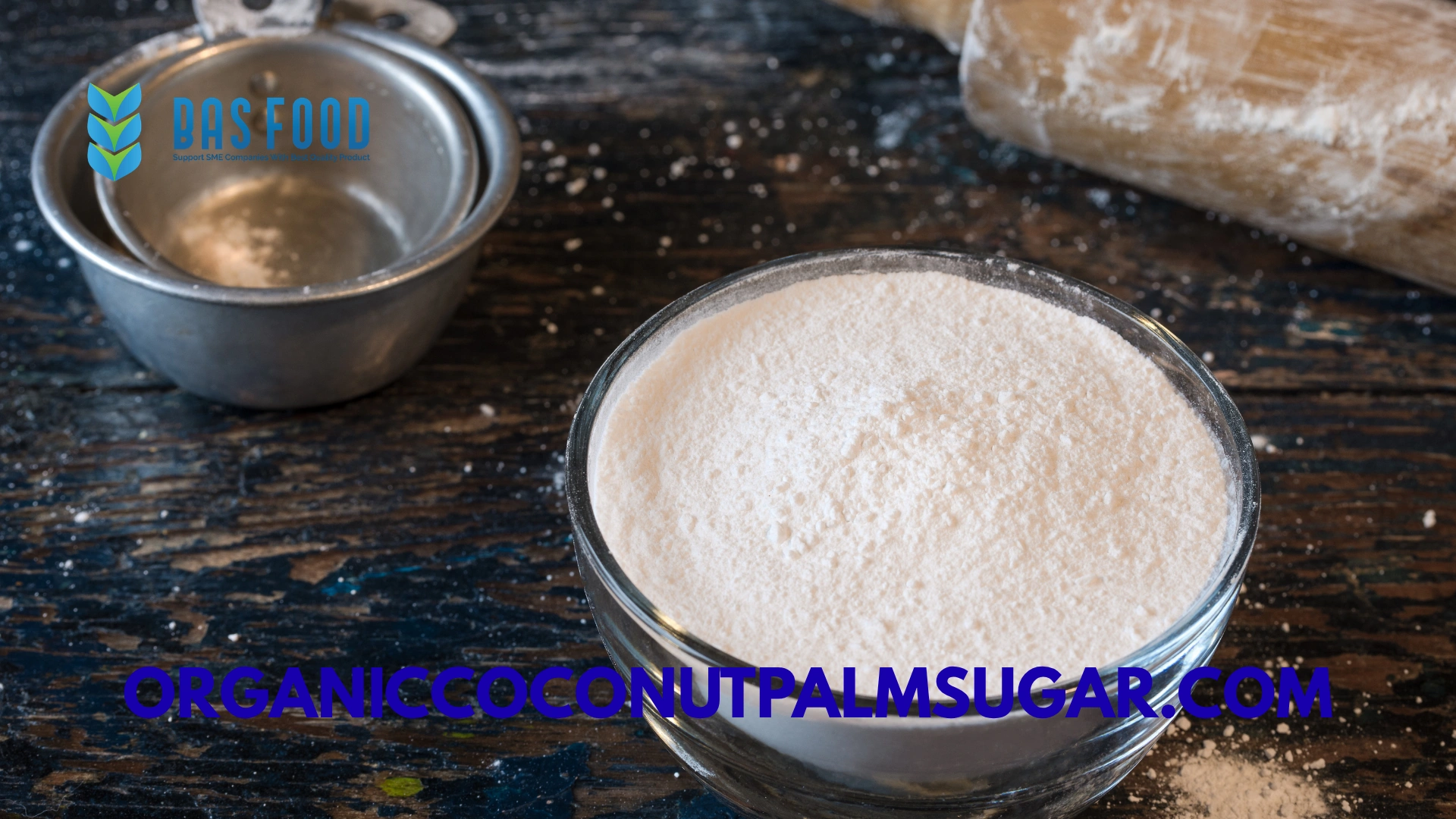
Coconut flour is made from dried coconut meat after extracting coconut milk or oil. The remaining solid material is dried and finely milled into flour. This process creates a high-fiber, gluten-free ingredient that is widely used in food processing.
However, production methods vary between manufacturers. Differences in drying temperature, grinding techniques, and oil extraction levels can affect the final product. These variations directly influence coconut flour quality standards.
For example, improper drying can lead to high moisture content. This increases the risk of microbial growth and reduces shelf life. Therefore, production control is a critical factor in maintaining consistent quality.
Key Components That Define Quality
Several components determine the quality of coconut flour. These include moisture content, fat level, fiber content, and particle size. Each factor plays a role in functionality and safety.
For instance, low moisture content helps prevent spoilage. Fine particle size improves texture in baked goods. Meanwhile, fat content affects shelf life and flavor stability.
Understanding these factors is essential for evaluating food safety coconut flour. It also helps buyers select products that meet their specific application needs.
Core Coconut Flour Quality Standards: What Buyers Must Check
Moisture Content and Shelf Stability
Moisture content is one of the most important indicators in coconut flour quality standards. High moisture levels can lead to mold growth and product spoilage.
Most high-quality coconut flour has a moisture content below 10%. This ensures longer shelf life and better storage stability.
In addition, proper packaging is required to maintain low moisture levels. Without it, the flour can absorb humidity during transportation.
Microbial Safety and Contamination Control
Microbial safety is a key part of food safety coconut flour. The product must be free from harmful bacteria such as Salmonella and E. coli.
To achieve this, manufacturers must implement strict hygiene practices. This includes clean processing environments and proper handling procedures.
Regular laboratory testing is also essential. It ensures that the product meets international safety standards and is safe for consumption.
Food Safety Coconut Flour: Meeting Global Regulatory Requirements
International Food Safety Standards
To compete in global markets, coconut flour must comply with international food safety regulations. These include standards set by organizations such as Codex Alimentarius and local food authorities.
Compliance ensures that the product is safe, consistent, and suitable for export. It also builds trust with buyers and end consumers.
For importers, verifying compliance is a critical step. It reduces risks and ensures smooth entry into regulated markets.
Traceability and Documentation
Traceability is another important aspect of food safety coconut flour. Buyers need to know where the product comes from and how it was processed.
Reliable suppliers provide complete documentation, including:
- Certificate of Analysis (COA)
- Microbiological test reports
- Batch tracking information
This transparency ensures accountability and strengthens supply chain reliability.
HACCP Coconut Flour: Ensuring Safety Through Process Control
What Is HACCP and Why It Matters
HACCP stands for Hazard Analysis and Critical Control Points. It is a systematic approach to identifying and controlling potential hazards in food production.
Implementing HACCP coconut flour systems ensures that risks are managed at every stage of production. This includes raw material sourcing, processing, and packaging.
For international buyers, HACCP certification is a strong indicator of quality. It shows that the manufacturer follows recognized safety practices.
Critical Control Points in Coconut Flour Production
In coconut flour production, several critical control points must be monitored. These include:
- Drying temperature
- Grinding process
- Packaging conditions
Each step must be carefully controlled to prevent contamination and maintain quality.
By applying HACCP coconut flour principles, manufacturers can produce safe and consistent products. This is essential for meeting global market demands.
Functional Quality: How Standards Affect Performance in Food Processing
Texture and Baking Performance
Quality standards do not only affect safety. They also influence how coconut flour performs in food applications.
For example, particle size affects texture. Fine flour creates smooth baked goods, while coarse flour may result in a grainy texture.
Moisture and fiber content also impact absorption and mixing behavior. Therefore, consistent coconut flour quality standards are essential for reliable production results.
Consistency Across Batches
In industrial food processing, consistency is critical. Variations in quality can lead to production issues and product defects.
Reliable suppliers maintain strict quality control to ensure uniformity. This includes standardized production methods and regular testing.
By ensuring consistent quality, manufacturers can improve efficiency and reduce waste.
Choosing the Right Supplier: A Strategic Approach for Importers
Evaluating Supplier Certifications
When sourcing coconut flour, certifications are key indicators of quality. Look for suppliers who comply with food safety coconut flour requirements and hold HACCP certification.
Additional certifications such as ISO and organic standards can also add value. They demonstrate commitment to quality and sustainability.
Verifying these certifications helps reduce risks and ensures product reliability.
Building Long-Term Partnerships
Choosing the right supplier is not just a one-time decision. It is a long-term partnership that affects your business success.
Reliable suppliers provide consistent quality, transparent communication, and dependable delivery. They also support product development and customization.
By working with trusted partners, importers can secure a stable supply chain and maintain high standards.
Common Challenges in Maintaining Coconut Flour Quality Standards
Storage and Transportation Issues
Even high-quality coconut flour can degrade if not handled properly. Exposure to moisture, heat, or contamination during transport can affect quality.
Therefore, proper storage conditions are essential. The product should be kept in a cool, dry environment with airtight packaging.
Managing these factors helps maintain coconut flour quality standards throughout the supply chain.
Variability in Raw Materials
Coconut quality can vary depending on origin, climate, and harvesting practices. This variability can affect the final product.
To address this, manufacturers must implement strict raw material selection processes. This ensures consistency and reduces quality fluctuations.
Understanding these challenges helps buyers make better sourcing decisions.
Conclusion: Building Confidence Through Quality Standards
In the global food industry, quality is the foundation of success. Understanding coconut flour quality standards allows buyers to make informed decisions and reduce risks.
From production and safety to functionality and consistency, every aspect of quality matters. By focusing on food safety coconut flour and implementing HACCP coconut flour systems, manufacturers can meet international expectations.
For importers and businesses, the key is to choose reliable suppliers and prioritize quality over short-term cost savings. In doing so, they can build strong brands, ensure customer satisfaction, and achieve long-term growth.