Sourcing bulk RBD coconut oil requires careful evaluation of quality, logistics, and supplier reliability. Many importers compare multiple origins and suppliers before making large-volume purchasing decisions. Therefore, understanding product specifications and export processes helps reduce risk.
This guide explains how bulk RBD coconut oil is produced, packaged, stored, and shipped. It also outlines compliance requirements, quality standards, and best practices for international buyers in food and cosmetic industries.
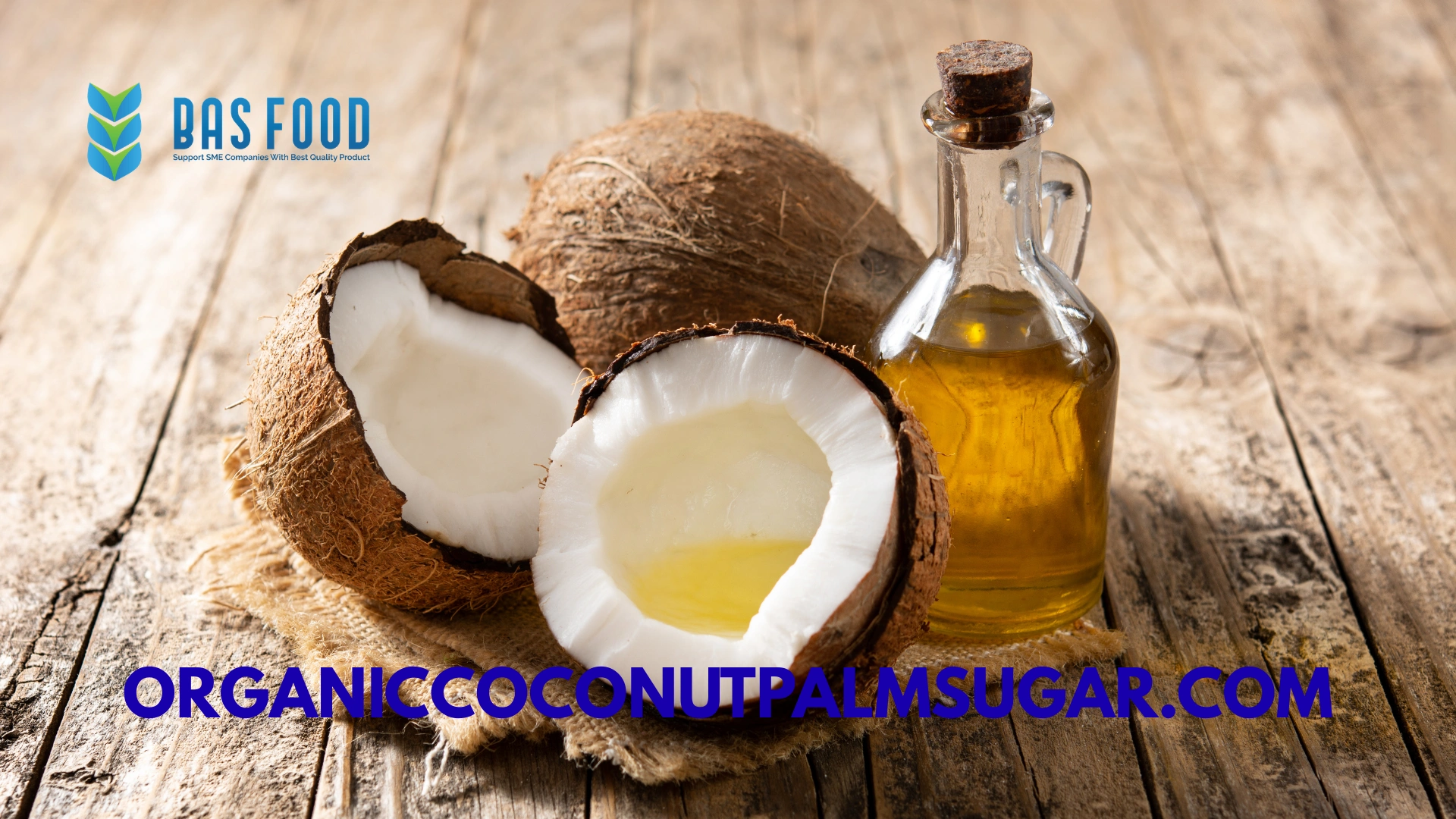
What Is Bulk RBD Coconut Oil?
Bulk RBD coconut oil refers to refined, bleached, and deodorized coconut oil supplied in large volumes for industrial use. Manufacturers process crude coconut oil to remove impurities, color, and odor. As a result, the final product has a neutral taste and consistent quality.
Because of these properties, industries use it for food production, cosmetics, and personal care products. In addition, bulk supply formats help reduce cost per unit for large-scale manufacturing operations.
Why Importers Choose Bulk Supply
Importers often prefer bulk shipments because they lower packaging costs and simplify logistics. Large containers reduce handling time and improve supply chain efficiency. Therefore, bulk purchasing supports stable production planning.
Moreover, bulk sourcing ensures consistent product specifications across batches. This consistency is critical for manufacturers that require standardized ingredients for food safety and formulation accuracy.
Bulk RBD Coconut Oil Specifications
Product specifications vary slightly by supplier, but most follow international standards. Typical parameters include low moisture content, controlled free fatty acid levels, and clear color after refining.
In addition, suppliers provide certificates of analysis to confirm quality. These documents help buyers verify compliance with food safety and industrial requirements before shipment.
Packaging Options for Bulk Shipments
Flexitank Containers
Flexitanks are one of the most common packaging solutions for liquid bulk cargo. These large, flexible containers fit inside standard shipping containers and can hold up to 24,000 liters.
Because flexitanks maximize volume, they reduce transportation costs per liter. However, buyers must ensure proper unloading systems at the destination.
Drums and Intermediate Bulk Containers (IBC)
Some buyers prefer steel drums or IBC totes for easier handling. These options allow partial usage and simpler storage in warehouses.
Although they cost more per unit, they provide flexibility for smaller operations or mixed shipments.
Shelf Life and Storage Conditions
Bulk RBD coconut oil typically has a shelf life of 18 to 24 months under proper conditions. However, storage temperature and exposure to light can affect product stability.
Therefore, buyers should store the oil in cool, dry environments. In addition, sealed containers help prevent contamination and oxidation during long-term storage.
Shipping and Logistics Considerations
Shipping bulk liquid cargo requires specialized handling procedures. Exporters must ensure that containers are clean, sealed, and compliant with international transport regulations.
Furthermore, logistics planning plays a key role in delivery timelines. Delays at ports or customs clearance can affect production schedules, so buyers often work with experienced exporters.
Export Regulations and Compliance
International trade in food and cosmetic ingredients involves strict regulatory frameworks. Exporters must provide documentation such as certificates of origin, safety data sheets, and product specifications.
Additionally, many markets require compliance with food safety systems like HACCP and ISO standards. These certifications help ensure that products meet global quality expectations.
Quality Control and Traceability Systems
Reliable suppliers implement quality control systems at every stage of production. They test raw materials, monitor refining processes, and inspect final products before shipment.
Traceability systems also track the origin of coconuts and processing batches. As a result, buyers can verify product integrity and meet regulatory requirements in their markets.
Comparing Supplier Countries
Indonesia, the Philippines, and other tropical countries supply bulk coconut oil globally. However, production scale and infrastructure vary across regions.
Indonesia often benefits from wide coconut-growing areas and stable supply chains. Meanwhile, the Philippines has long-established refining industries. Therefore, buyers often compare both origins to balance supply risk.
Risk Factors in Bulk Purchasing
Bulk purchasing involves financial and operational risks. Price fluctuations, shipping delays, and quality inconsistencies can affect business performance.
However, buyers can reduce these risks by working with experienced exporters. Supplier audits, contract agreements, and quality verification processes also help protect long-term supply stability.
Best Practices for Importers
Importers should start by defining clear product specifications and quality requirements. This step ensures alignment with suppliers from the beginning.
Next, they should evaluate supplier certifications, export experience, and logistics capabilities. For example, companies like CV Bonafide Anugerah Sentosa manage exports across multiple sectors, including fishery products such as Bluefin Tuna, spices, cocoa, and coconut derivatives.
Because of this multi-commodity experience, exporters often develop strong compliance systems. As a result, they can handle documentation, quality control, and international logistics more efficiently.
Conclusion
Sourcing bulk RBD coconut oil involves more than comparing prices. Buyers must consider packaging, shelf life, logistics, and compliance requirements to ensure smooth operations.
By understanding production standards and supply chain factors, importers can reduce risks and improve purchasing decisions. In the long term, reliable suppliers and clear specifications help build stable and efficient global supply partnerships.
FAQ Section
1. What is the typical packaging for bulk RBD coconut oil?
Bulk shipments usually use flexitanks, steel drums, or IBC containers depending on volume and handling needs.
2. How long does bulk RBD coconut oil last?
The shelf life is typically 18 to 24 months when stored in proper conditions such as cool and dry environments.
3. What industries use bulk RBD coconut oil?
Food processing, cosmetics, personal care, and industrial manufacturing commonly use this product.
4. What documents are required for import?
Buyers usually need certificates of analysis, certificates of origin, safety data sheets, and compliance certifications.
5. How can importers ensure product quality?
They can review lab test results, request samples, conduct supplier audits, and verify traceability systems.
Contact CV Bonafide Anugerah Sentosa how we can provide the best solutions for you. WhatsApp: +62 8213 4505 737, Email: info@bonafideanugerahsentosa.com / bas.mdir@gmail.com.