The global demand for natural sweeteners continues to grow rapidly. Consumers are increasingly choosing products that are minimally processed, naturally sourced, and aligned with healthier lifestyles. Among the many alternatives available today, organic coconut sugar has become one of the most attractive options in international markets. Food manufacturers, importers, and distributors are paying closer attention not only to price and availability but also to quality standards. In today’s competitive market, appearance and sensory characteristics strongly influence purchasing decisions. Therefore, understanding organic coconut sugar quality has become essential for businesses sourcing premium products. Unlike refined sugar, coconut sugar maintains many of its natural characteristics. These characteristics include color variations, texture consistency, and distinctive aroma profiles. Together, these elements define the overall product identity and influence consumer perception.
For global buyers, understanding key coconut sugar characteristics helps improve product selection, quality control, and supplier evaluation. This article explores how color, texture, and aroma reveal the quality of organic coconut sugar and why these factors matter in international trade.
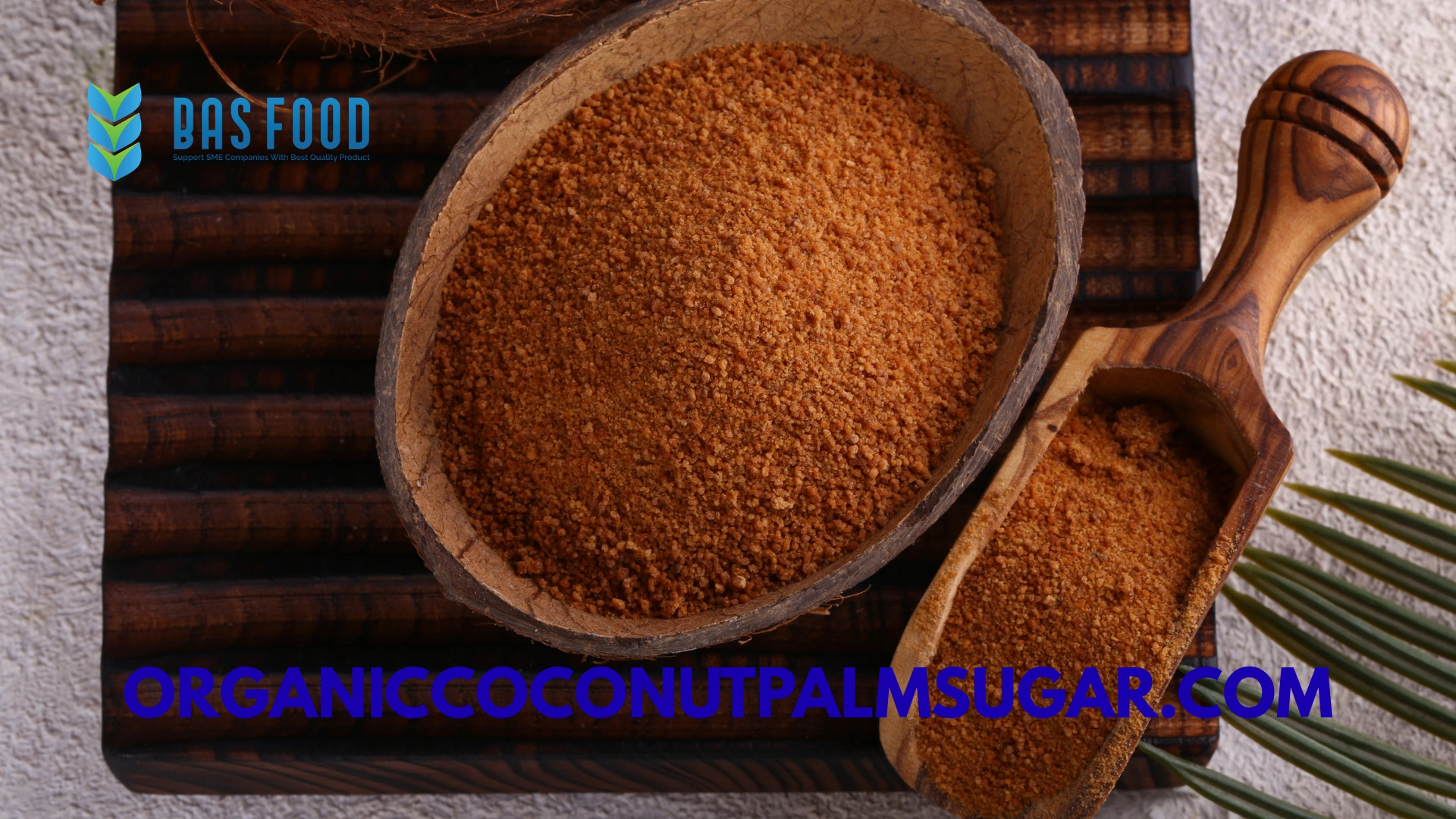
Understanding Organic Coconut Sugar: A Natural Sweetener with Unique Identity
What Is Organic Coconut Sugar?
Organic coconut sugar comes from the sap of coconut palm flower blossoms. Farmers carefully collect fresh sap before it transforms into coconuts. After collection, producers heat the sap gradually until moisture evaporates and sugar crystals begin to form.
Unlike heavily refined sweeteners, coconut sugar undergoes relatively simple processing methods. Manufacturers avoid extensive chemical treatment and bleaching procedures. As a result, the final product retains more natural qualities from the original sap.
Because of its natural production process, coconut sugar has gained popularity in health food products, beverages, bakery applications, and clean-label formulations.
Why Product Characteristics Matter
When buyers evaluate sugar products, they often focus on laboratory data and certifications. However, sensory attributes also provide valuable information.
Color, aroma, and texture help indicate:
- Production consistency
- Processing quality
- Freshness
- Raw material condition
- Handling practices
These factors strongly affect organic coconut sugar quality and influence customer satisfaction.
A premium product should offer a balanced appearance, pleasant aroma, and stable texture profile. Therefore, understanding coconut sugar characteristics becomes essential for buyers and food manufacturers.
Color as a Quality Indicator in Organic Coconut Sugar
Why Color Matters
Color is often the first characteristic buyers notice. Before consumers evaluate flavor or texture, visual appearance creates an immediate impression.
Organic coconut sugar naturally ranges from light golden brown to dark brown. This variation depends on several production factors including:
- Sap quality
- Heating temperature
- Cooking duration
- Moisture levels
- Processing techniques
Color differences do not always indicate poor quality. However, extreme inconsistencies may suggest processing problems.
Understanding Light and Dark Coconut Sugar Shades
Lighter coconut sugar generally results from carefully controlled heating temperatures. Gentle processing helps preserve natural color while reducing excessive caramelization.
Meanwhile, darker shades may develop due to:
- Longer cooking times
- Higher temperatures
- Increased caramel reactions
Some markets actually prefer darker coconut sugar because it delivers stronger caramel notes.
However, professional suppliers strive for consistency because stable color improves product appearance across food applications.
Maintaining visual consistency remains an important part of organic coconut sugar quality standards.
Texture: A Hidden Sign of Premium Coconut Sugar Quality
Why Texture Reveals Production Quality
Texture influences both product performance and customer experience. Although color attracts initial attention, texture determines handling, packaging, and usability.
High-quality coconut sugar typically offers:
- Fine granule consistency
- Smooth particle distribution
- Minimal clumping
- Stable moisture content
These features improve blending and ingredient performance.
Uneven textures may create processing difficulties for food manufacturers.
Therefore, texture analysis plays a significant role in evaluating coconut sugar characteristics.
Factors That Affect Coconut Sugar Texture
Several factors influence texture development during production.
These include:
- Moisture content
- Drying methods
- Cooling procedures
- Crystal formation
- Storage conditions
Excess moisture often causes clumping and reduces shelf stability.
Meanwhile, improper cooling can create uneven crystal structures.
Professional manufacturers closely monitor these variables to maintain consistent organic coconut sugar quality throughout production.
Aroma: The Signature Identity of Organic Coconut Sugar
Understanding Natural Coconut Sugar Aroma
Aroma provides another important quality indicator.
Organic coconut sugar naturally develops a rich aroma profile with:
- Mild caramel notes
- Brown sugar characteristics
- Warm sweetness
- Slight toasted impressions
This aroma develops during controlled heating processes.
The scent should remain pleasant and balanced rather than overpowering.
A well-developed aroma contributes positively to food applications and consumer acceptance.
Recognizing Aroma Problems
Certain aroma changes may indicate production or storage issues.
Unwanted aroma characteristics may include:
- Burnt smells
- Sour notes
- Fermented odors
- Smoke contamination
These defects often result from poor handling or inconsistent production practices.
Monitoring aroma helps buyers identify potential problems before large-scale purchasing decisions.
Therefore, aroma evaluation remains essential when assessing organic coconut sugar quality.
How Production Methods Influence Coconut Sugar Characteristics
Traditional Production Methods
Traditional coconut sugar production remains common throughout Indonesia and Southeast Asia.
Farmers collect fresh sap and cook it slowly over controlled heat until it thickens and crystallizes.
Traditional methods often create distinctive sensory profiles because small production variations affect final product outcomes.
These traditional techniques contribute to authentic coconut sugar characteristics valued in premium markets.
Modern Processing Systems Improve Consistency
As export demand increases, many manufacturers combine traditional expertise with modern equipment.
Modern systems may include:
- Stainless steel cooking vessels
- Controlled heating systems
- Hygienic production environments
- Moisture monitoring equipment
- Automated drying systems
These technologies improve consistency and support stronger organic coconut sugar quality standards.
Combining tradition with technology creates products suitable for global markets.
The Role of Moisture Content in Product Quality
Moisture Affects Appearance and Shelf Life
Moisture content directly impacts product performance.
Excess moisture can affect:
- Texture stability
- Clumping tendency
- Shelf life
- Aroma quality
High moisture levels may increase microbial risks and reduce storage performance.
Professional suppliers carefully control moisture during production.
Proper Drying Creates Better Product Stability
Controlled drying systems help create stable products suitable for export.
Careful moisture management supports:
- Better granule consistency
- Improved packaging performance
- Longer shelf life
- Stable aroma development
These factors strengthen overall organic coconut sugar quality and improve customer satisfaction.
Why Global Buyers Prioritize High Organic Coconut Sugar Quality
Product Consistency Supports Manufacturing Performance
International food manufacturers require consistent ingredients.
Variations in color, aroma, and texture can affect:
- Recipe formulations
- Product appearance
- Flavor outcomes
- Consumer expectations
Reliable ingredient consistency simplifies manufacturing processes.
Therefore, buyers increasingly prioritize stable coconut sugar characteristics.
Premium Markets Expect Higher Standards
Consumers in Europe, North America, and Asia increasingly prefer premium natural sweeteners.
These markets often require:
- Organic certification
- Clean-label ingredients
- Stable sensory quality
- Ethical sourcing practices
Meeting these standards creates stronger opportunities for exporters.
As competition increases, superior organic coconut sugar quality becomes a key differentiator.
Why Indonesia Leads Organic Coconut Sugar Production
Rich Coconut Resources and Local Expertise
Indonesia remains one of the world’s largest coconut-producing countries.
Its tropical climate and extensive coconut plantations create strong production capacity.
In addition, local communities possess generations of experience producing coconut sugar.
This combination creates excellent conditions for maintaining premium coconut sugar characteristics.
Expanding Export and Certification Infrastructure
Indonesian suppliers increasingly invest in:
- Organic certification
- HACCP systems
- Quality laboratories
- Modern production equipment
These improvements strengthen international competitiveness.
As demand grows, Indonesia continues leading premium organic coconut sugar markets.
Why CV Bonafide Anugerah Sentosa Is a Trusted Supplier
Commitment to Product Consistency
CV Bonafide Anugerah Sentosa specializes in exporting coconut products, spices, coffee, and fishery products from Indonesia.
The company prioritizes consistent sourcing and quality control throughout production.
Strong partnerships with local producers help maintain reliable supply and stable quality.
Complete Export Support for International Buyers
The company also provides:
- Product customization
- Export documentation
- Packaging solutions
- Logistics coordination
- Quality assurance systems
This complete support helps international buyers source premium coconut products efficiently.
Future Trends in Organic Coconut Sugar Quality Standards
Growing Demand for Clean Label Ingredients
Consumers increasingly seek natural products with simple ingredients.
This trend supports demand for premium coconut sugar products that maintain authentic sensory qualities.
Food manufacturers continue reformulating products using minimally processed ingredients.
As a result, emphasis on organic coconut sugar quality continues increasing.
Sustainability and Transparency Become More Important
Buyers increasingly prefer suppliers with transparent sourcing and responsible farming systems.
Future industry growth will likely focus on:
- Ethical sourcing
- Sustainable farming
- Traceability systems
- Product authenticity
Companies that prioritize these values may gain stronger market positions.
Conclusion: Quality Is More Than Taste Alone
Organic coconut sugar offers more than sweetness. Color, texture, and aroma collectively reveal product quality and production standards.
Understanding these sensory elements helps buyers evaluate consistency and make smarter sourcing decisions.
High-quality products demonstrate stable coconut sugar characteristics, balanced aroma, and attractive appearance.
As global demand continues growing, maintaining superior organic coconut sugar quality becomes increasingly important.
Indonesia remains a leading source of premium coconut sugar thanks to strong agricultural resources and production expertise.
By working with experienced exporters such as CV Bonafide Anugerah Sentosa, businesses can access reliable products and build long-term supply partnerships.