Organic coconut sugar has become one of the most popular natural sweeteners in the global food industry. Consumers are increasingly choosing it as an alternative to refined white sugar because of its natural origin, mild caramel flavor, and lower processing level. As demand grows worldwide, manufacturers, importers, and distributors are paying closer attention to product quality and storage stability. One of the most important factors in maintaining product quality is shelf life. Buyers want products that remain safe, fresh, and stable throughout transportation, warehousing, and retail distribution. For exporters and food manufacturers, understanding the organic coconut sugar shelf life is essential for ensuring customer satisfaction and reducing product loss.
Proper handling and storage also play a critical role. Even high-quality coconut sugar can lose quality if exposed to humidity, air, or poor storage conditions. In this article, we explore the science behind shelf life, explain effective coconut sugar storage methods, and discuss how moisture control sugar strategies help maintain long-term product quality.
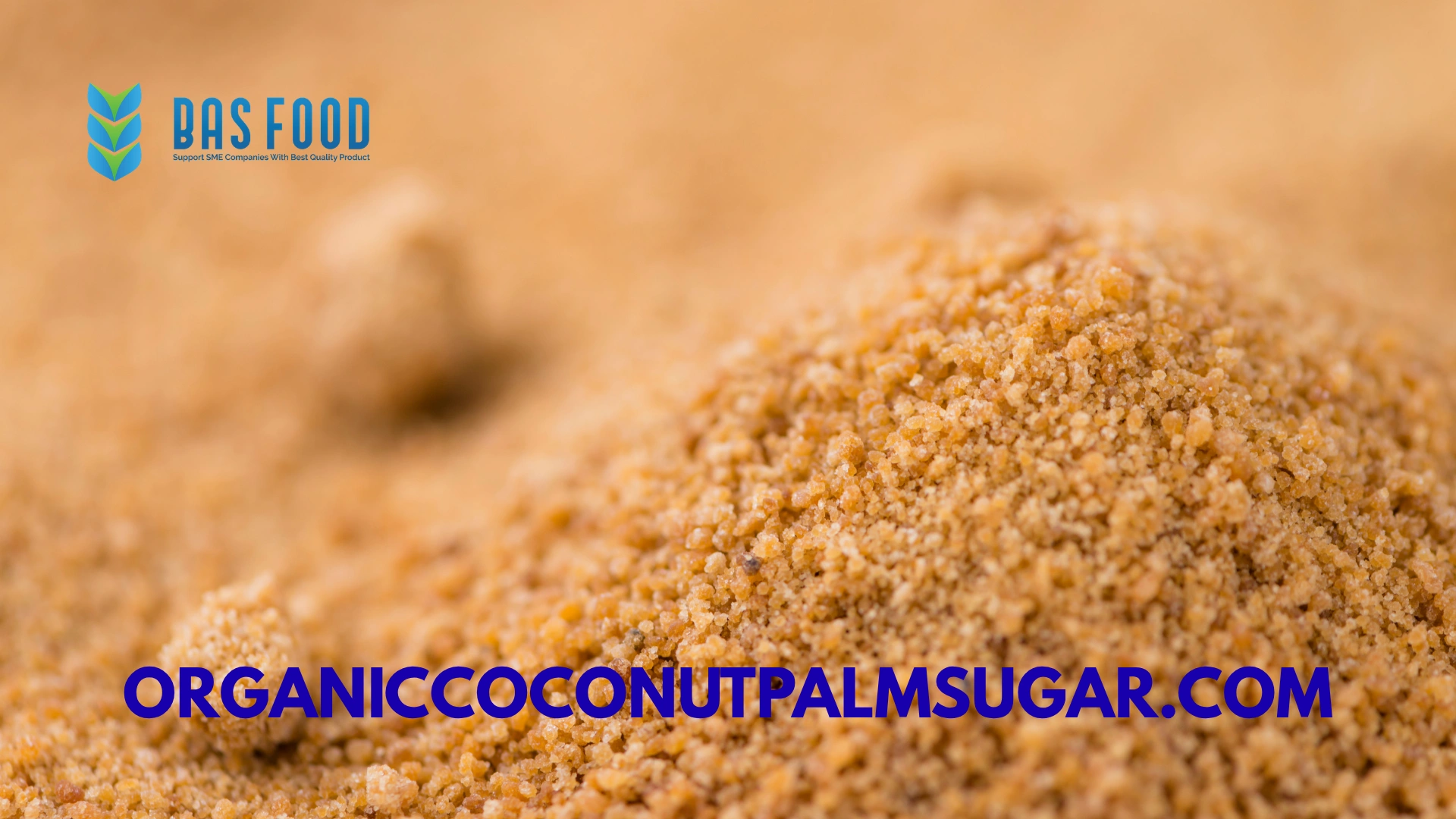
What Makes Organic Coconut Sugar Different?
Organic coconut sugar is made from the sap of coconut flower blossoms. Farmers collect the sap and heat it carefully until the liquid evaporates and crystallizes into sugar granules.
Unlike refined sugar, coconut sugar undergoes minimal processing. This helps preserve its natural color, flavor, and trace minerals. Because of this, many consumers see it as a more natural sweetener option.
Organic coconut sugar is widely used in bakery products, beverages, snacks, sauces, and health-focused foods. It is especially popular in clean-label and organic product categories.
However, because it is less refined than conventional sugar, it reacts differently to environmental conditions. Moisture exposure can affect texture and product stability. Therefore, proper handling is essential for maintaining the ideal organic coconut sugar shelf life.
Understanding the Shelf Life of Organic Coconut Sugar
Shelf life refers to the period during which a product maintains its intended quality, safety, and functionality under recommended storage conditions.
Organic coconut sugar generally has a shelf life ranging from 18 to 24 months when stored properly. However, several factors influence this timeframe.
Moisture is one of the most important factors. Coconut sugar naturally absorbs moisture from the surrounding environment because it is hygroscopic. This means it can attract water vapor from the air.
When exposed to humidity, the sugar may clump, harden, or lose its free-flowing texture. Although this does not always make the product unsafe, it can reduce product quality and customer acceptance.
Proper moisture control sugar strategies are critical for maintaining shelf stability and preserving product performance.
Why Moisture Control Is So Important
Moisture is the biggest challenge in coconut sugar storage and distribution. Even small amounts of humidity can affect texture, color, and flowability.
Because coconut sugar contains natural sugars and minerals, it tends to absorb moisture faster than highly refined sugars. This is especially important in tropical climates and during international shipping.
Excess moisture may lead to:
- Clumping
- Hardening
- Reduced flowability
- Texture changes
- Potential microbial growth in extreme conditions
For manufacturers and distributors, this can create operational problems during packaging and product formulation.
This is why effective moisture control sugar systems are essential throughout the supply chain.
The Science Behind Hygroscopic Ingredients
To fully understand coconut sugar storage, it is important to understand hygroscopic behavior.
Hygroscopic products naturally absorb water from the air until they reach equilibrium with the surrounding humidity. Coconut sugar has this property because of its natural composition.
Environmental humidity levels directly affect product condition. High humidity environments increase moisture absorption, while dry conditions help maintain product stability.
Temperature fluctuations can also worsen moisture problems. When products move between warm and cool environments, condensation may occur inside packaging.
As a result, stable storage conditions are necessary to protect the organic coconut sugar shelf life during transportation and warehousing.
Best Storage Conditions for Organic Coconut Sugar
Maintaining proper storage conditions is the key to preserving product quality.
Organic coconut sugar should be stored in a cool, dry, and clean environment. The recommended storage temperature is generally below 30°C, with low relative humidity.
Storage areas should have good ventilation and minimal exposure to direct sunlight. Excessive heat can accelerate moisture absorption and affect product stability.
Products should also be kept away from strong odors because coconut sugar can absorb surrounding smells during long storage periods.
Professional coconut sugar storage management helps maintain product texture, flavor, and appearance throughout the shelf life period.
Packaging Solutions That Extend Shelf Life
Packaging plays a major role in protecting organic coconut sugar from environmental exposure.
High-quality packaging materials help create barriers against moisture and air. Common packaging options include:
- Multi-layer kraft paper bags with inner liners
- Food-grade plastic packaging
- Vacuum-sealed packaging
- Laminated pouches for retail products
Inner liners are especially important because they reduce moisture transfer during transportation and storage.
For export markets, packaging durability is critical. Products may travel long distances through different climate conditions before reaching customers.
Reliable packaging systems significantly improve the organic coconut sugar shelf life and reduce quality issues during distribution.
Transportation Challenges in Global Export Markets
Exporting coconut sugar internationally creates additional storage and stability challenges.
Shipping containers may experience high temperatures and humidity fluctuations during ocean transportation. Without proper protection, moisture buildup can occur inside containers.
Container condensation, often called “container rain,” can damage packaging and affect product quality. This is especially common during seasonal temperature changes.
To reduce these risks, exporters often use moisture absorbers and proper pallet wrapping systems. Containers should also be clean, dry, and ventilated before loading.
Strong logistics management supports effective moisture control sugar strategies throughout the export process.
Quality Indicators During Shelf Life
Several quality indicators help manufacturers monitor coconut sugar condition over time.
One important factor is moisture content. Stable moisture levels help preserve free-flowing texture and reduce clumping.
Color consistency is another indicator. Excessive moisture or poor storage conditions may darken the product over time.
Aroma and flavor should also remain stable throughout the storage period. Exposure to humidity and heat may affect flavor quality.
Microbiological safety is equally important. Properly stored coconut sugar generally has low microbial risk because of its low water activity. However, poor handling conditions can increase contamination risks.
Routine testing helps ensure that the organic coconut sugar shelf life remains within acceptable quality standards.
The Role of Food Safety and Certifications
International buyers increasingly demand strong food safety systems and certifications from coconut sugar suppliers.
Common certifications include:
- HACCP
- ISO 22000
- Organic certification
- Halal certification
- Kosher certification
These certifications demonstrate that suppliers follow proper manufacturing and storage procedures.
Food safety systems also support traceability and quality consistency throughout the supply chain.
Professional suppliers implement strict coconut sugar storage protocols to maintain compliance with international standards.
This builds trust with importers and supports long-term business relationships.
Common Mistakes That Reduce Shelf Life
Several common mistakes can negatively affect coconut sugar quality during storage and transportation.
One major issue is improper sealing. Packaging that is not fully sealed allows moisture to enter easily.
Another problem is storing products in humid warehouses. Even high-quality packaging may not fully protect products in extremely humid environments.
Poor inventory rotation can also create problems. Older stock should be distributed first to maintain freshness and prevent overextended storage times.
Temperature fluctuations during shipping and warehousing may also increase moisture condensation risks.
Avoiding these mistakes is essential for maximizing the organic coconut sugar shelf life.
Why Buyers Prioritize Shelf Stability
Food manufacturers and distributors prefer ingredients with stable shelf life because they reduce operational risks.
Stable products improve inventory management and reduce waste. They also support consistent product quality during manufacturing.
Retailers also benefit because products maintain better appearance and texture on store shelves.
For export markets, long shelf life is especially important because products may spend weeks or months in international transit and distribution networks.
Reliable shelf stability strengthens supplier reputation and improves competitiveness in global markets.
This is why effective moisture control sugar management is a major priority for professional exporters.
Indonesia’s Strength as a Coconut Sugar Producer
Indonesia is one of the world’s leading producers of organic coconut sugar. Its tropical climate and abundant coconut resources support year-round production.
Indonesian coconut sugar is widely recognized for its natural quality, rich flavor, and sustainable production methods.
Many Indonesian suppliers use traditional expertise combined with modern food safety systems to serve international markets.
CV Bonafide Anugerah Sentosa is a trusted exporter supplying high-quality organic coconut sugar and other coconut-derived products worldwide.
The company focuses on strong quality control, proper packaging, and reliable coconut sugar storage systems to maintain product stability during export.
This helps buyers maintain product quality throughout the entire supply chain.
Future Trends in Organic Coconut Sugar Markets
The future of organic coconut sugar looks very promising. Consumers continue seeking natural sweeteners and clean-label ingredients.
At the same time, manufacturers are developing healthier product formulations that use alternative sweeteners.
As global demand grows, buyers will place even greater focus on quality consistency, food safety, and shelf stability.
Packaging innovation and advanced moisture-control technologies will likely become more important in the industry.
Suppliers that invest in effective moisture control sugar systems and export-quality packaging will gain a stronger competitive advantage.
Conclusion: Shelf Life Is the Foundation of Product Quality
Organic coconut sugar offers excellent opportunities in global food markets. However, maintaining quality depends heavily on proper storage and moisture management.
Understanding the factors that affect organic coconut sugar shelf life helps manufacturers, exporters, and distributors protect product quality and reduce losses.
From packaging systems to warehouse management, every stage of the supply chain plays an important role.
By implementing professional coconut sugar storage methods and strong moisture control sugar strategies, suppliers can maintain freshness, consistency, and customer satisfaction.
With experienced partners like CV Bonafide Anugerah Sentosa, global buyers can access premium organic coconut sugar products supported by reliable export standards and long-term quality assurance.