Sugar is one of the most widely used ingredients in the world. From beverages and bakery products to sauces and snacks, it plays a major role in modern food production. However, growing health awareness has changed how consumers look at sweeteners. Today, people want options that are more natural, less processed, and better aligned with healthy lifestyles. As a result, organic coconut sugar has gained significant attention. Many consumers and food manufacturers now compare it directly with regular refined sugar. Questions about nutrition, processing methods, glycemic impact, and sustainability continue to shape purchasing decisions.
In this article, we explore the complete comparison between organic coconut sugar vs sugar. We also discuss the broader refined sugar comparison and explain the important natural sweetener benefits that make coconut sugar increasingly popular in global markets.
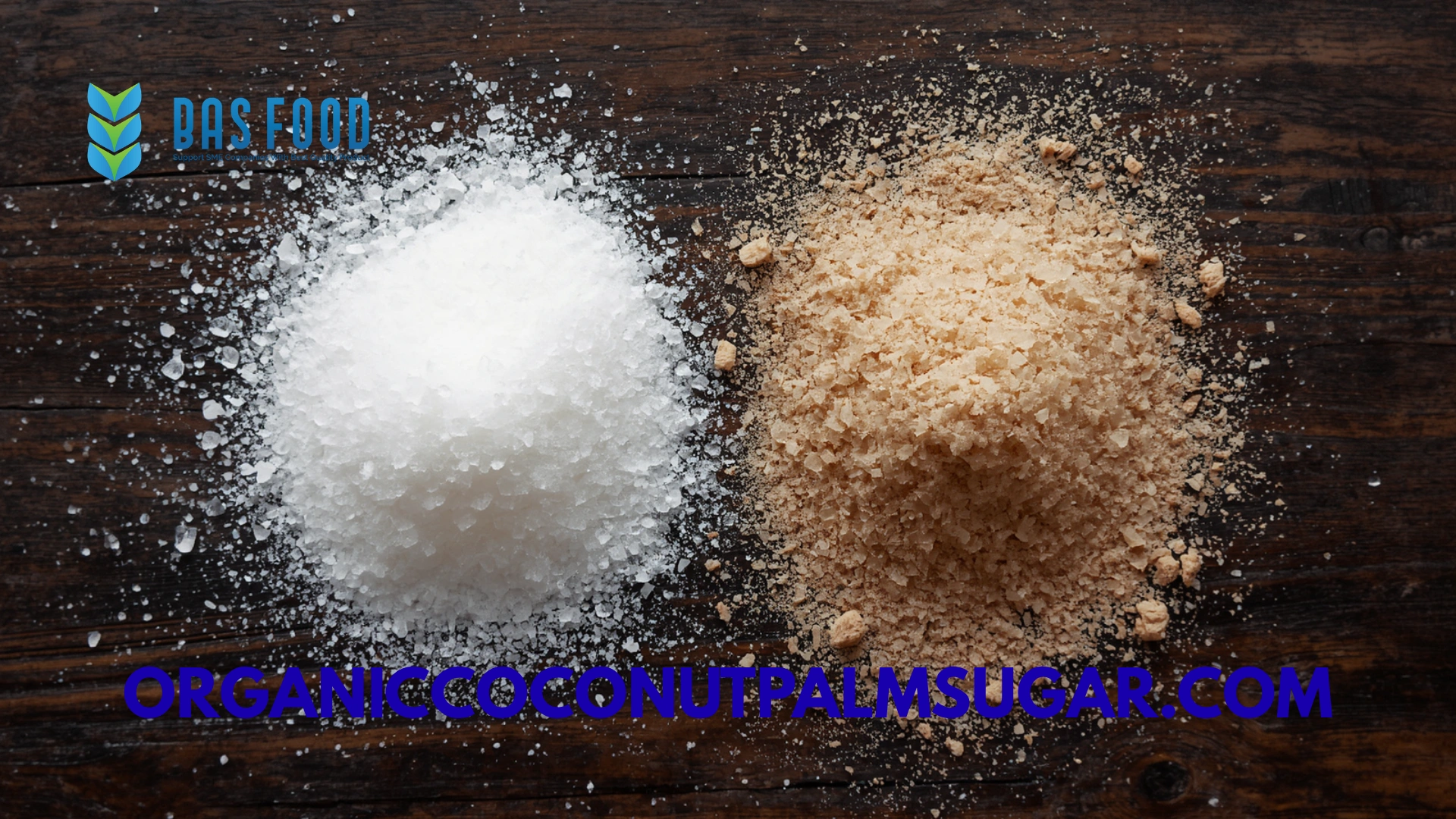
Understanding Organic Coconut Sugar and Regular Sugar
Before comparing the two, it is important to understand how each sweetener is produced.
Organic coconut sugar is made from the sap of coconut flower blossoms. Farmers collect the sap and gently heat it until the water evaporates, leaving behind natural sugar crystals. The process is relatively simple and involves minimal refining.
Regular sugar, often called table sugar or refined sugar, is usually produced from sugar cane or sugar beet. After extraction, the sugar undergoes extensive refining, bleaching, and processing to create white sugar crystals.
This difference in processing is one of the biggest factors in the debate around organic coconut sugar vs sugar.
Because coconut sugar is less processed, it retains some natural compounds found in the coconut sap. Meanwhile, regular sugar mainly contains pure sucrose with very limited nutritional value.
Processing Methods: Natural vs Highly Refined
One of the clearest differences between coconut sugar and regular sugar is the production process.
Organic coconut sugar is produced using traditional methods. The sap is collected manually and heated slowly. This process helps preserve the sugar’s natural color, flavor, and some nutrients.
In contrast, regular sugar goes through multiple industrial refining stages. These may include clarification, crystallization, centrifugation, bleaching, and chemical treatment.
During this refining process, most natural minerals and compounds are removed. The result is highly purified sugar with a clean white appearance.
This refined sugar comparison often leads consumers toward more natural alternatives. Many people now prefer ingredients that undergo less processing and maintain a closer connection to their natural source.
The growing demand for minimally processed foods continues driving interest in organic coconut sugar worldwide.
Nutritional Differences Between Coconut Sugar and Regular Sugar
Although both products are sweeteners, their nutritional profiles differ in several ways.
Organic coconut sugar contains small amounts of minerals such as potassium, magnesium, zinc, and iron. It also contains trace amounts of antioxidants and inulin fiber.
While these nutrients are not present in extremely high amounts, they contribute to the perception of coconut sugar as a more natural option.
Regular sugar, on the other hand, mainly provides empty calories. It contains very little nutritional value beyond carbohydrates.
This nutritional contrast is central to the discussion around organic coconut sugar vs sugar.
However, it is important to understand that coconut sugar is still sugar. It should still be consumed in moderation as part of a balanced diet.
Even so, many consumers appreciate the additional natural sweetener benefits offered by coconut sugar.
Glycemic Index and Blood Sugar Impact
The glycemic index measures how quickly a food raises blood sugar levels after consumption.
One reason organic coconut sugar has become popular is its lower glycemic index compared to regular white sugar.
Coconut sugar contains inulin, a type of dietary fiber that may slow glucose absorption. Because of this, coconut sugar may cause a slower rise in blood sugar levels.
Regular refined sugar typically has a higher glycemic index. It is rapidly absorbed into the bloodstream, which may contribute to spikes in blood sugar.
This difference plays an important role in the broader refined sugar comparison discussion.
Consumers who focus on blood sugar management often look for sweeteners with lower glycemic impact. This trend has contributed to the increasing popularity of coconut sugar in health-conscious markets.
Still, moderation remains important regardless of the type of sweetener used.
Flavor Profile and Culinary Applications
Taste is another important factor when comparing coconut sugar and regular sugar.
Organic coconut sugar has a rich caramel-like flavor with subtle hints of toffee. Its brown color and warm taste make it popular in bakery products, beverages, desserts, and sauces.
Regular white sugar has a more neutral sweetness. Because it lacks additional flavor notes, it is commonly used in products where a clean sweet taste is preferred.
In baking applications, coconut sugar can add depth and complexity to recipes. It works especially well in cookies, cakes, granola, and chocolate products.
Many chefs and food manufacturers now use coconut sugar to create premium and clean-label products.
The growing focus on natural sweetener benefits has also increased coconut sugar’s popularity in artisanal and organic food categories.
Organic Certification and Consumer Trust
This certification has become a major purchasing factor in modern food markets.
Organic coconut sugar is produced without synthetic fertilizers, pesticides, or genetically modified materials. Certified organic products must meet strict agricultural and processing standards.
This certification provides additional trust for consumers seeking healthier and more environmentally friendly products.
Regular refined sugar may not always meet organic standards, especially when produced through intensive industrial farming methods.
In the ongoing discussion around organic coconut sugar vs sugar, organic certification often strengthens the appeal of coconut sugar.
For food manufacturers, using certified organic ingredients can also improve brand positioning and support premium pricing strategies.
Sustainability and Environmental Considerations
Sustainability has become increasingly important in global food industries.
Coconut sugar production is often considered more environmentally friendly compared to traditional sugar production. Coconut trees require relatively low water usage and can continue producing sap for many years.
In many regions, coconut farming also supports smallholder farmers and rural communities.
Sugar cane farming, meanwhile, can involve intensive land use, large water consumption, and industrial processing systems.
This sustainability advantage contributes to the growing popularity of coconut sugar among environmentally conscious consumers.
The connection between sustainability and natural sweetener benefits continues influencing global buying decisions.
As more consumers seek eco-friendly products, coconut sugar’s market position may continue strengthening.
Market Trends and Growing Global Demand
The global sweetener market is changing rapidly. Consumers increasingly prefer products labeled natural, organic, plant-based, and minimally processed.
This trend has created strong demand for coconut sugar across Europe, North America, the Middle East, and Asia-Pacific markets.
Health-conscious consumers actively search for alternatives to refined sugar. At the same time, food manufacturers are reformulating products to meet clean-label expectations.
As a result, the market for organic coconut sugar continues expanding.
The growing awareness surrounding organic coconut sugar vs sugar comparisons has helped coconut sugar move from niche health stores into mainstream retail channels.
Food manufacturers now use coconut sugar in beverages, cereals, snacks, dairy alternatives, confectionery, and bakery products.
Industrial Applications in Food Manufacturing
Organic coconut sugar is no longer limited to household kitchens. It has become an important ingredient in industrial food production.
Manufacturers use coconut sugar in:
- Bakery products
- Chocolate and confectionery
- Energy bars
- Plant-based beverages
- Sauces and syrups
- Breakfast cereals
- Functional foods
Its caramel flavor profile and natural image make it highly attractive for premium product development.
In addition, coconut sugar supports clean-label formulations because consumers recognize it as a natural ingredient.
This makes coconut sugar valuable in the ongoing refined sugar comparison within the food manufacturing industry.
Challenges and Misconceptions About Coconut Sugar
Despite its popularity, coconut sugar is sometimes misunderstood.
Some consumers assume that coconut sugar is a “healthy sugar” that can be consumed without limits. However, it still contains calories and carbohydrates similar to other sugars.
Another challenge is pricing. Organic coconut sugar is usually more expensive than regular sugar because of manual harvesting and smaller production volumes.
Supply consistency can also become a challenge, especially when demand rises rapidly in export markets.
Even so, many consumers and manufacturers continue choosing coconut sugar because of its processing method, sustainability profile, and perceived natural sweetener benefits.
Education and transparent communication are important for helping consumers make informed decisions.
Indonesia’s Role as a Global Coconut Sugar Supplier
Indonesia is one of the world’s leading producers of coconut sugar. Its tropical climate and extensive coconut plantations support stable production.
Indonesian coconut sugar is widely recognized for its quality, flavor, and traditional processing methods.
Many Indonesian producers also offer certified organic coconut sugar for export markets.
CV Bonafide Anugerah Sentosa is a trusted exporter supplying high-quality organic coconut sugar and other coconut-derived products to international buyers.
As global demand continues growing, Indonesia remains an important source for businesses seeking reliable coconut sugar suppliers.
This strengthens Indonesia’s role in the global market surrounding organic coconut sugar vs sugar alternatives.
Future Outlook for Natural Sweeteners
The future of natural sweeteners looks very promising.
Consumers are becoming more selective about food ingredients. Transparency, sustainability, and clean-label positioning are expected to remain major trends in the coming years.
As food companies continue reformulating products, demand for alternative sweeteners will likely increase further.
Organic coconut sugar is well-positioned to benefit from this shift because it aligns with multiple consumer preferences at once.
Its natural image, lower processing level, and sustainability profile support long-term growth opportunities.
The continued evolution of the refined sugar comparison conversation will likely keep coconut sugar relevant in global food industries.
Conclusion: Understanding the Real Difference Between Coconut Sugar and Regular Sugar
The comparison between coconut sugar and regular sugar goes beyond sweetness alone. It involves processing methods, nutritional value, sustainability, flavor, and consumer perception.
In the growing discussion around organic coconut sugar vs sugar, coconut sugar offers several advantages related to natural processing, trace nutrients, and clean-label appeal.
While both sweeteners should still be consumed responsibly, coconut sugar provides additional natural sweetener benefits that many consumers and manufacturers find attractive.
At the same time, the broader refined sugar comparison continues shaping global food trends and influencing product innovation.
For businesses seeking reliable organic coconut sugar suppliers, partnering with experienced exporters like CV Bonafide Anugerah Sentosa can help ensure consistent quality and long-term success in international markets.