The demand for RBD coconut oil export Indonesia continues to grow as global manufacturers seek stable and compliant supply sources. Buyers in food, cosmetics, and industrial sectors require consistent quality and reliable delivery. Therefore, selecting the right export partner becomes a key business decision.
Indonesia plays a major role in the global coconut oil trade. With large coconut resources and established processing facilities, the country supports high-volume exports. This article explains how RBD coconut oil export Indonesia meets international standards and what buyers should consider before sourcing.
Understanding RBD Coconut Oil for Industrial Use
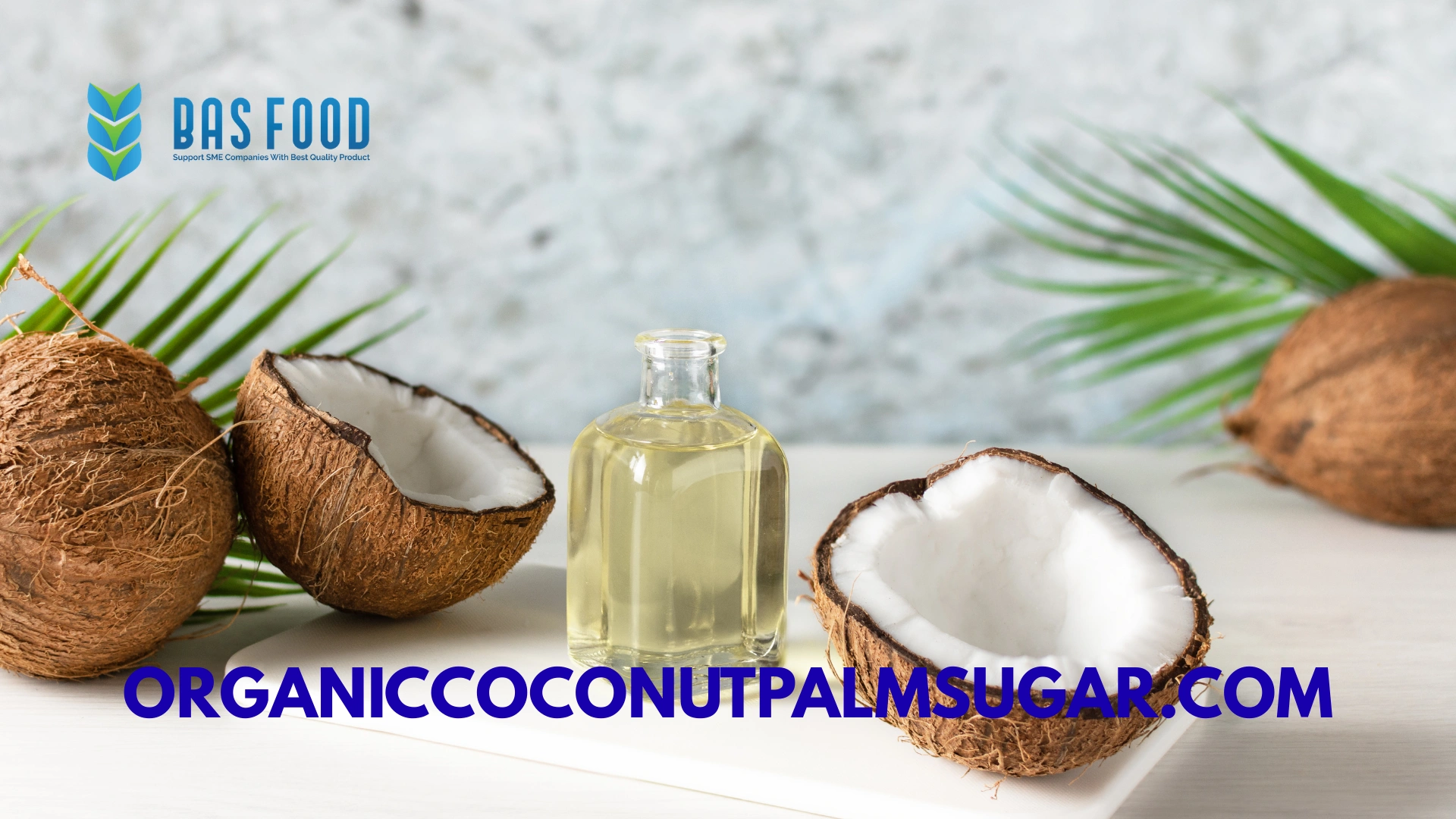
RBD coconut oil stands for refined, bleached, and deodorized coconut oil. Manufacturers process crude coconut oil to remove impurities, odor, and color. As a result, the oil becomes neutral and suitable for various industrial applications.
Because of its stability, industries use it for frying, baking, cosmetics, and personal care products. In addition, its long shelf life makes it ideal for global distribution and bulk storage.
Why Indonesia Is a Key Exporter
Indonesia has one of the largest coconut production bases in the world. Coconut farms spread across multiple islands, which helps maintain steady supply levels throughout the year.
Moreover, the country has developed strong refining infrastructure. This combination allows exporters to meet large-volume demand from international buyers consistently.
RBD Coconut Oil Export Indonesia and Global Standards
RBD coconut oil export Indonesia follows strict international standards required by major markets. Exporters align their production and documentation with regulations from the European Union, the United States, and Middle Eastern countries.
For example, EU buyers require compliance with food safety and traceability regulations. Meanwhile, the United States enforces standards through FDA requirements. In the Middle East, halal certification often plays a critical role in supplier selection.
Production and Refining Process
The production process begins with drying coconut meat into copra. Manufacturers then extract crude coconut oil before refining it through several stages.
These stages include degumming, bleaching, filtration, and deodorization. Each step ensures the oil meets quality specifications required by international buyers.
Quality Control and Laboratory Testing
Quality control plays a central role in export readiness. Suppliers test each batch for moisture content, free fatty acids, and contaminants.
In addition, laboratories verify color, odor, and chemical composition. These tests ensure consistency and help buyers maintain product standards in their own production processes.
Packaging and Bulk Export Options
Flexitank Shipments
Flexitanks allow exporters to ship large volumes efficiently. These containers fit inside standard shipping units and maximize cargo capacity.
As a result, buyers reduce transportation costs per metric ton. However, proper unloading systems are required at the destination.
Drums and IBC Containers
Drums and intermediate bulk containers provide flexibility for smaller shipments. They are easier to handle and suitable for partial usage.
Although they cost more per unit, they help buyers manage inventory more efficiently.
Shelf Life and Storage Conditions
RBD coconut oil typically has a shelf life of up to 24 months. However, proper storage conditions are essential to maintain product quality.
Therefore, suppliers recommend storing the oil in cool and dry environments. In addition, sealed containers prevent oxidation and contamination during storage and transport.
Export Documentation and Compliance
Exporters must prepare complete documentation for international shipments. These documents include certificates of analysis, certificates of origin, and safety data sheets.
Furthermore, compliance with systems such as HACCP, ISO standards, and halal certification ensures acceptance in global markets. These certifications reduce regulatory risks and support smooth customs clearance.
Logistics and International Shipping
Efficient logistics ensure timely delivery of bulk shipments. Exporters coordinate container loading, port handling, and shipping schedules.
In addition, experienced exporters manage customs processes and documentation. This reduces delays and ensures goods arrive in good condition.
Risk Management in Coconut Oil Export
Exporting agricultural commodities involves several risks. Weather conditions, supply fluctuations, and shipping disruptions can affect delivery timelines.
However, buyers can reduce these risks by working with experienced exporters. Long-term agreements and supply planning also improve stability in procurement.
Best Practices for Global Buyers
Buyers should clearly define product specifications before placing orders. This includes quality parameters, packaging type, and shipment volume.
Next, they should evaluate supplier certifications and export experience. For example, CV Bonafide Anugerah Sentosa has experience exporting multiple commodities, including fishery products such as Bluefin Tuna, spices, cocoa products, and coconut derivatives.
Because of this experience, exporters often understand international compliance requirements. They can also manage logistics, documentation, and quality control more effectively.
Conclusion
Global manufacturers depend on reliable sourcing for consistent production. Therefore, choosing the right supplier for RBD coconut oil export Indonesia is a strategic decision.
Indonesia offers strong advantages in raw material availability, refining capacity, and export infrastructure. When combined with proper compliance and logistics management, these factors support long-term supply partnerships.
FAQ Section
1. What industries use RBD coconut oil from Indonesia?
Food processing, cosmetics, personal care, and industrial manufacturing sectors commonly use RBD coconut oil.
2. What certifications are required for export?
Common certifications include HACCP, ISO standards, halal certification, and sometimes organic certification depending on market requirements.
3. How is RBD coconut oil shipped internationally?
It is usually shipped in flexitanks, drums, or IBC containers depending on the shipment size and buyer preference.
4. What is the shelf life of RBD coconut oil?
The shelf life is typically up to 24 months under proper storage conditions.
5. How can buyers verify supplier reliability?
Buyers can review certifications, request lab test results, conduct audits, and evaluate export experience.
Contact CV Bonafide Anugerah Sentosa how we can provide the best solutions for you. WhatsApp: +62 8213 4505 737, Email: info@bonafideanugerahsentosa.com / bas.mdir@gmail.com.