For procurement teams and sourcing specialists, understanding RBD coconut oil specifications is essential when selecting raw materials for large-scale production. Industrial buyers must evaluate chemical and physical parameters to ensure the oil meets food manufacturing and personal care formulation requirements.
Because coconut oil serves as a functional ingredient in many applications, consistent specifications protect product stability and quality. Therefore, buyers often review specification sheets, laboratory results, and regulatory compliance before approving suppliers.
What Is RBD Coconut Oil?
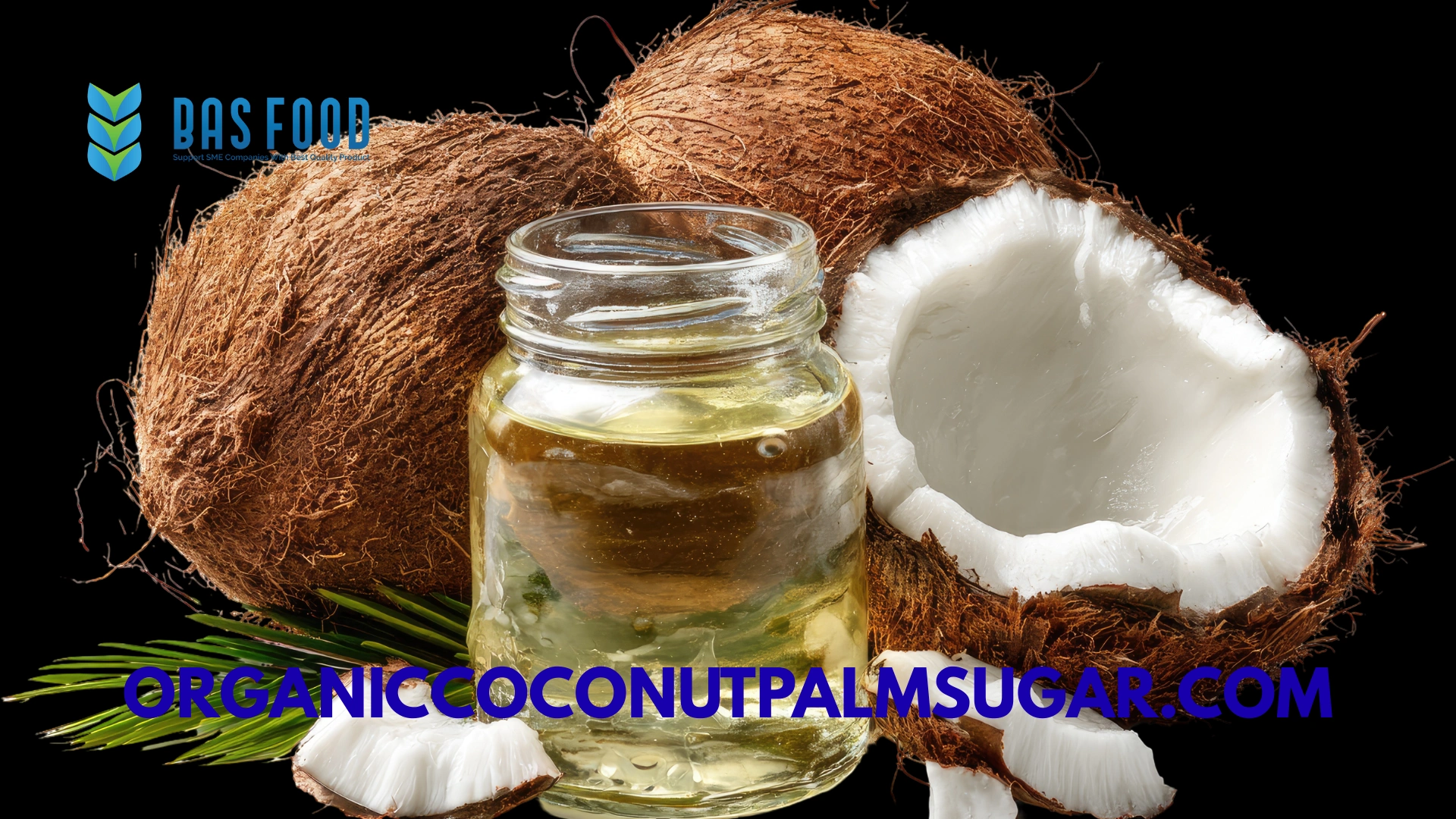
RBD coconut oil stands for Refined, Bleached, and Deodorized coconut oil. Manufacturers produce it by refining crude coconut oil extracted from dried coconut kernel, commonly known as copra.
During processing, refining removes free fatty acids and impurities. Bleaching then eliminates pigments and trace contaminants. Finally, deodorization removes volatile compounds that create natural coconut aroma.
As a result, the final product becomes neutral in color, odor, and taste. This neutrality makes it suitable for both food products and personal care formulations.
Why Industrial Buyers Study RBD Coconut Oil Specifications
Manufacturing industries require stable and predictable ingredients. Even small differences in oil composition can influence flavor, texture, shelf life, or cosmetic performance.
For example, food manufacturers need oils with low moisture and low free fatty acids. Meanwhile, cosmetic producers focus on clarity, oxidative stability, and odor neutrality.
Therefore, RBD coconut oil specifications provide a technical framework that allows buyers to evaluate supplier quality.
Key RBD Coconut Oil Specifications Explained
Most exporters follow internationally recognized specification ranges. These values confirm the purity and processing quality of the oil.
Typical Chemical Specifications
| Parameter | Typical Range |
|---|---|
| Free Fatty Acid (FFA) | ≤ 0.1–0.5% |
| Moisture & Impurities | ≤ 0.1% |
| Peroxide Value | ≤ 3 meq/kg |
| Iodine Value | 7–11 |
| Saponification Value | 250–260 |
These indicators reveal the chemical stability and processing quality of the oil.
Typical Physical Specifications
| Parameter | Typical Range |
|---|---|
| Free Fatty Acid (FFA) | ≤ 0.1–0.5% |
| Moisture & Impurities | ≤ 0.1% |
| Peroxide Value | ≤ 3 meq/kg |
| Iodine Value | 7–11 |
| Saponification Value | 250–260 |
These physical properties help manufacturers determine how the oil behaves in production environments.
How Refining Processes Influence Oil Specifications
Processing methods directly affect the final specification values. Producers must control refining temperatures, filtration methods, and deodorization parameters.
First, crude coconut oil undergoes neutralization to reduce free fatty acids. Then bleaching removes pigments and unwanted compounds.
Finally, steam deodorization eliminates odor and volatile elements. Because each step influences quality, strict process control ensures that RBD coconut oil specifications remain consistent.
International Standards and Regulatory Frameworks
Global trade requires exporters to follow international edible oil standards. These guidelines define acceptable ranges for chemical composition and contaminants.
Organizations such as the Codex Alimentarius Commission publish internationally recognized standards for edible oils.
Additionally, national food safety authorities may apply their own rules. Therefore, exporters must verify compliance with regulations in destination markets.
Quality Control and Laboratory Verification
Before shipment, suppliers conduct laboratory testing to confirm compliance with specification sheets. Laboratories measure chemical indicators such as FFA level, peroxide value, and moisture.
Quality control teams also evaluate physical characteristics like color and clarity. These tests ensure the oil meets the defined RBD coconut oil specifications required by industrial buyers.
Moreover, exporters often provide a Certificate of Analysis (COA) with each shipment.
Packaging Options for Bulk Industrial Buyers
Bulk buyers require packaging that protects oil quality during long-distance shipping. Exposure to air or moisture can reduce stability.
Common export packaging formats include:
- Food-grade steel drums
- HDPE plastic drums
- Flexitank containers
- ISO tank containers
Each packaging option suits different shipment volumes and logistics requirements. Procurement teams often choose packaging based on production scale and storage facilities.
Supply Chain Experience and Export Compliance
Companies that manage diverse export products often develop strong compliance systems. Handling multiple commodities requires strict documentation and quality control.
For instance, CV Bonafide Anugerah Sentosa supplies coconut products, spices, cocoa ingredients, and fishery commodities.
Seafood exports demand strict traceability and temperature monitoring. Exporters shipping species such as Bluefin tuna and Yellowfin tuna must maintain detailed compliance documentation.
Because of this experience, exporters often apply similar quality management systems to coconut-derived ingredients.
Risks When Specifications Are Not Verified
Failure to verify specifications can lead to serious production issues. Oils with high moisture or peroxide values may oxidize faster.
Additionally, inconsistent oil properties may disrupt manufacturing processes. Food formulations may change flavor, while cosmetic products may lose stability.
Therefore, procurement teams should always verify RBD coconut oil specifications before approving shipments.
Best Practices for Procurement and QA Teams
Procurement teams should request a full specification sheet before placing purchase orders. This document outlines chemical and physical properties required for production.
QA teams should also review certificates of analysis and conduct independent laboratory testing when necessary. These checks confirm that incoming shipments match supplier documentation.
Long-term partnerships usually include supplier audits, traceability systems, and regulatory compliance reviews.
Conclusion
Industrial manufacturers depend on consistent raw materials to maintain product quality. Clear RBD coconut oil specifications help buyers evaluate supplier reliability and ingredient performance.
By reviewing chemical parameters, physical properties, and laboratory results, procurement teams can reduce sourcing risks. In addition, strong compliance systems help exporters maintain trust in global ingredient markets.
FAQ Section
1. What are RBD coconut oil specifications?
RBD coconut oil specifications define chemical and physical parameters such as free fatty acid level, moisture content, color, and melting point.
2. Why do manufacturers require specification sheets?
Specification sheets help buyers verify ingredient quality and ensure compatibility with food or cosmetic formulations.
3. What is the acceptable FFA level for refined coconut oil?
Most industrial buyers require free fatty acid levels below 0.5%, depending on application and market standards.
4. How do suppliers verify coconut oil specifications?
Suppliers perform laboratory testing and provide certificates of analysis for each shipment.
5. What packaging formats are used for bulk coconut oil export?
Exporters typically use steel drums, plastic drums, flexitanks, or ISO tanks for bulk shipments.
Contact CV Bonafide Anugerah Sentosa how we can provide the best solutions for you. WhatsApp: +62 8213 4505 737, Email: info@bonafideanugerahsentosa.com / bas.mdir@gmail.com.