The snack industry has changed dramatically over the past decade. Consumers are no longer satisfied with products that simply taste good. Today, they also want snacks made with simple ingredients, authentic flavors, and natural sweeteners. This shift has encouraged food manufacturers to rethink traditional recipes and develop products that meet modern consumer expectations. One ingredient leading this transformation is coconut sugar. Made from the sap of coconut blossoms, coconut sugar delivers a pleasant caramel flavor while offering a less refined alternative to conventional white sugar. It works well in a wide variety of snack products and helps manufacturers create premium product lines with clean-label appeal.
As demand for natural ingredients continues to grow, coconut sugar snacks have become increasingly popular across retail, foodservice, and private-label markets. From granola bars and protein bites to roasted nuts and baked snacks, coconut sugar offers both flavor and functionality.
For B2B buyers, understanding how coconut sugar performs during commercial manufacturing is essential. Whether you produce healthy snack bars, baked chips, trail mixes, or innovative snack products, choosing the right ingredient supplier can improve product consistency and strengthen your brand.
In this guide, we’ll explore everything you need to know about coconut sugar snacks, including manufacturing benefits, product applications, formulation tips, and how partnering with a trusted coconut sugar supplier supports long-term business growth.
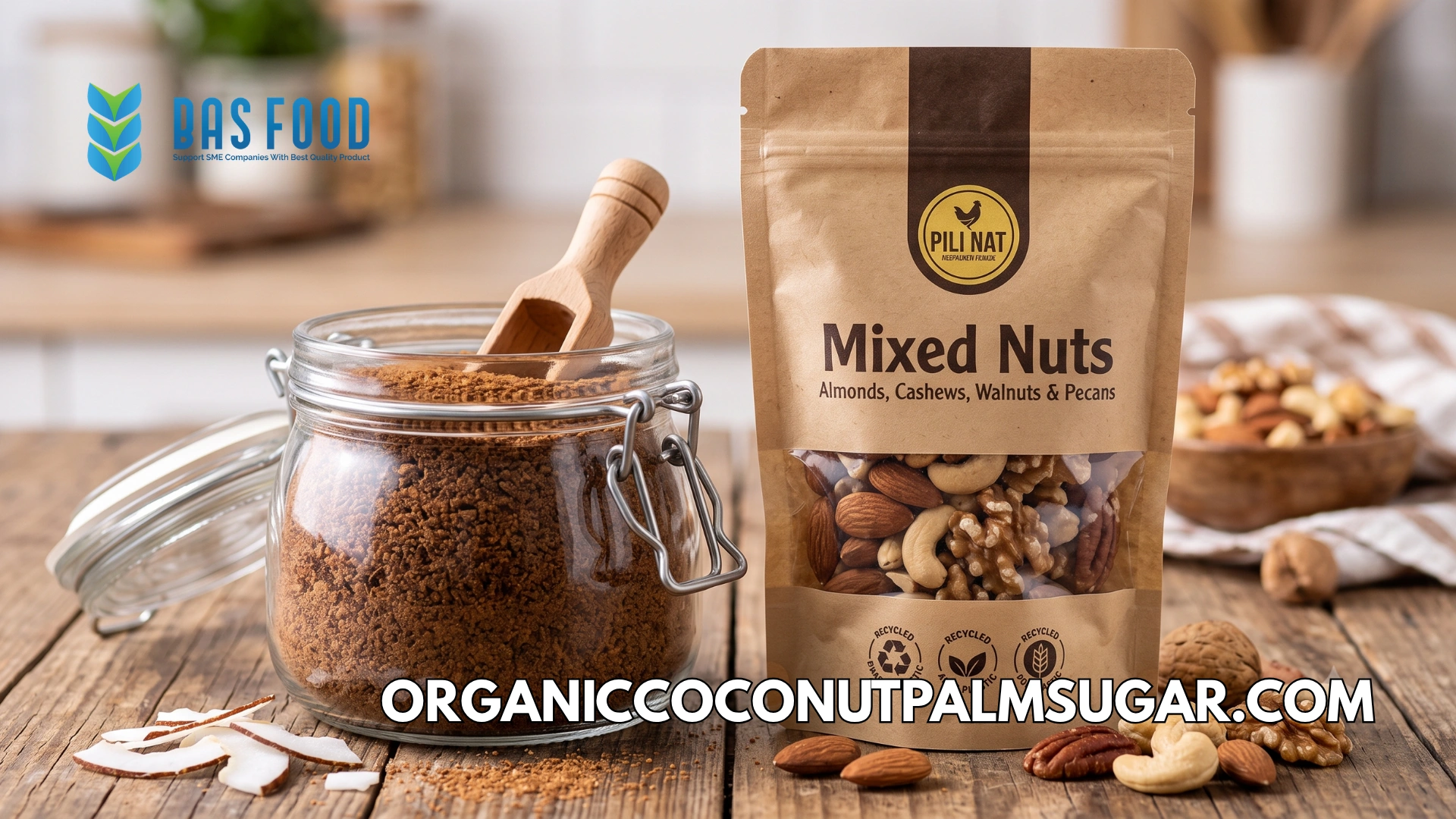
Why Coconut Sugar Is Becoming Popular in the Snack Industry
Consumer eating habits continue to evolve. Busy lifestyles have increased demand for convenient foods, but shoppers also expect better ingredient quality. As a result, snack manufacturers are creating products that combine convenience with natural ingredients.
Coconut sugar fits perfectly into this trend. Unlike highly refined sweeteners, coconut sugar is produced from coconut blossom sap using a simple process that preserves its natural caramel flavor.
Consumers often appreciate ingredient lists that contain recognizable names. While coconut sugar is still a sugar and should be consumed in moderation, many brands use it to support clean-label product positioning and premium product development.
Another reason for its popularity is flavor. Coconut sugar delivers gentle caramel and toffee notes that pair well with grains, nuts, seeds, dried fruit, chocolate, spices, and many other snack ingredients.
Because of this versatility, manufacturers continue expanding their product portfolios with innovative coconut sugar snacks for both domestic and international markets.
Understanding Coconut Sugar as a Healthy Snack Ingredient
Sweeteners do more than add sweetness.
In snack manufacturing, they influence texture, color, aroma, moisture retention, product binding, and overall eating experience.
As one of today’s preferred healthy snack ingredients, coconut sugar offers several functional advantages.
Its balanced sweetness allows the natural flavors of oats, almonds, peanuts, cocoa, coconut, and fruit to remain noticeable instead of being overwhelmed by excessive sweetness.
During baking and roasting, coconut sugar develops rich caramel aromas that enhance the finished product.
Manufacturers usually evaluate coconut sugar using several important quality specifications:
- Moisture content
- Particle size
- Color consistency
- Solubility
- Flavor profile
- Shelf stability
- Food safety compliance
Choosing an experienced coconut sugar supplier helps ensure these specifications remain consistent throughout commercial production.
Coconut Sugar in Granola Bars and Energy Bars
Granola bars continue to be one of the fastest-growing snack categories worldwide.
Consumers appreciate products that are convenient, portable, and made with recognizable ingredients.
Coconut sugar works exceptionally well in granola bars because it enhances both flavor and texture.
It pairs naturally with:
- Rolled oats
- Almonds
- Cashews
- Walnuts
- Pumpkin seeds
- Chia seeds
- Flaxseed
- Raisins
- Cranberries
- Coconut flakes
Its mild caramel sweetness creates balanced flavor without masking the taste of whole-food ingredients.
Manufacturers also use coconut sugar in protein bars, breakfast bars, cereal bars, and functional snack bars designed for active lifestyles.
Coconut Sugar in Baked Snacks
Baked snacks continue gaining market share as consumers seek alternatives to traditional fried products.
Crackers, baked chips, cookies, biscuits, and cereal bites often benefit from small amounts of coconut sugar.
Its natural caramel flavor enhances overall taste while contributing attractive golden coloring during baking.
Manufacturers commonly incorporate coconut sugar into:
- Whole grain crackers
- Oat cookies
- Breakfast biscuits
- Baked cereal bites
- Mini snack cookies
- Seed crackers
- Crispy granola clusters
These products appeal to consumers who want flavorful snacks with familiar ingredients.
Coconut Sugar in Roasted Nuts and Trail Mixes
Roasted nuts are another excellent application for coconut sugar.
When combined with gentle roasting, coconut sugar creates a light caramel coating that improves flavor and appearance.
Popular combinations include:
- Almonds
- Cashews
- Peanuts
- Pecans
- Walnuts
- Macadamia nuts
- Mixed nuts
Manufacturers also use coconut sugar in trail mixes containing dried fruit, seeds, chocolate pieces, and puffed grains.
These coconut sugar snacks deliver a premium taste while maintaining a simple ingredient profile.
Seasonal flavors such as cinnamon, pumpkin spice, vanilla, cocoa, or espresso also pair beautifully with coconut sugar.
Why Coconut Sugar Supports Modern Snack Production
Commercial snack production requires ingredients that perform consistently throughout manufacturing.
Whether products are baked, roasted, coated, or extruded, ingredient consistency directly affects product quality.
Coconut sugar offers several advantages for manufacturers.
Its granulated form blends easily with dry ingredients and dissolves efficiently when used in syrups or coatings.
During baking, coconut sugar develops rich caramel aromas while contributing attractive color.
Manufacturers also appreciate its compatibility with automated production systems, making it suitable for both artisan producers and large-scale food factories.
Reliable ingredient performance helps improve production efficiency while reducing product variation.
Product Development Tips for Coconut Sugar Snacks
Replacing refined sugar with coconut sugar requires thoughtful product development.
Although coconut sugar works well in many snack formulations, manufacturers should always conduct pilot trials before commercial production.
Important areas to evaluate include:
- Sweetness level
- Flavor balance
- Product binding
- Texture
- Baking temperature
- Color development
- Shelf stability
- Packaging compatibility
Because coconut sugar naturally has a brown color, finished products often appear slightly darker than those made with white sugar.
In premium snack products, this characteristic usually enhances the perception of authenticity and quality.
Testing multiple formulations allows product developers to optimize recipes while maintaining consistent manufacturing performance.
Choosing High-Quality Coconut Sugar for Commercial Manufacturing
Ingredient quality directly influences the success of commercial snack products.
Manufacturers should carefully evaluate suppliers before making purchasing decisions.
Key quality considerations include:
- Uniform particle size
- Stable moisture content
- Consistent caramel flavor
- Reliable color
- Food safety certifications
- Laboratory testing
- Batch traceability
- Export-ready packaging
A professional coconut sugar supplier provides technical documentation and product specifications that support efficient production.
Consistent ingredient quality also simplifies quality control and improves customer satisfaction.
Palm Sugar Supplier or Coconut Sugar Supplier?
Many international buyers compare both a palm sugar supplier and a coconut sugar supplier when sourcing natural sweeteners.
Coconut sugar belongs to the broader palm sugar family but is produced specifically from coconut blossom sap.
Other palm sugars may come from aren, palmyra, or date palms.
Each variety offers unique flavor characteristics depending on its botanical source and production method.
Before selecting a supplier, manufacturers should evaluate:
- Botanical origin
- Production process
- Moisture specifications
- Particle size
- Food safety certifications
- Organic certification availability
- Packaging options
- Export capabilities
Working with the right supplier helps ensure product consistency while supporting long-term product innovation.
Why Partnering with a Reliable Coconut Sugar Exporter Matters
International sourcing requires more than competitive pricing.
Manufacturers need suppliers that can deliver consistent quality, reliable logistics, and responsive communication.
An experienced coconut sugar exporter typically provides:
- Bulk packaging
- Retail packaging options
- Private label services
- OEM manufacturing
- Export documentation
- International certifications
- Stable production capacity
- On-time delivery
These services help manufacturers reduce supply chain risks while maintaining uninterrupted production.
Long-term supplier relationships also improve forecasting, inventory management, and production planning.
The Future of Coconut Sugar Snacks
The future of snacking will continue to focus on quality, convenience, and ingredient transparency.
Consumers increasingly choose products made with recognizable ingredients and authentic flavors.
As these preferences continue to shape the market, coconut sugar snacks are expected to expand into many exciting product categories.
Future innovation may include:
- Functional snack bars
- High-protein snacks
- Children’s snack products
- Organic snack lines
- Plant-based snacks
- Breakfast snacks
- Gourmet baked snacks
- Premium trail mixes
Manufacturers that adopt coconut sugar today can position themselves ahead of changing consumer trends while creating products with long-term market appeal.
Partnering with a dependable coconut sugar supplier, experienced coconut sugar exporter, or trusted palm sugar exporter ensures access to consistent ingredients and reliable global supply.
Frequently Asked Questions
What are coconut sugar snacks?
Coconut sugar snacks are snack products sweetened with coconut sugar instead of refined white sugar. Examples include granola bars, protein bars, baked snacks, trail mixes, roasted nuts, cookies, and cereal bites.
Why is coconut sugar used in snack products?
Coconut sugar provides balanced sweetness, natural caramel flavor, and complements grains, nuts, seeds, dried fruit, and chocolate while supporting premium product positioning.
Is coconut sugar suitable for commercial snack production?
Yes. Coconut sugar performs well in commercial snack production because it blends easily, bakes consistently, and works in both dry and coated snack products.
What products use coconut sugar?
Manufacturers use coconut sugar in granola bars, protein bars, baked cookies, crackers, roasted nuts, breakfast snacks, cereal products, and many other snack categories.
What should I look for in a coconut sugar exporter?
Choose a supplier with consistent quality, food safety certifications, export experience, reliable logistics, technical documentation, and flexible packaging solutions.
Conclusion
The growing demand for coconut sugar snacks reflects today’s consumer preference for natural ingredients, authentic flavors, and premium food products. Whether used as one of the key healthy snack ingredients in granola bars, blended into baked snacks, or incorporated into large-scale snack production, coconut sugar offers manufacturers an excellent combination of flavor, functionality, and clean-label appeal.
For B2B businesses, selecting the right sourcing partner is just as important as developing the perfect recipe. A reliable coconut sugar supplier can provide consistent ingredient quality, while an experienced coconut sugar exporter ensures dependable logistics and export-ready solutions for international markets. Companies looking to expand their range of natural sweeteners may also benefit from working with a trusted palm sugar supplier or palm sugar exporter to diversify their product offerings.
As the global snack market continues to evolve, coconut sugar is well positioned to remain a valuable ingredient for innovative snack products that meet the expectations of modern consumers.