Breakfast cereals have come a long way from being simple bowls of sweetened flakes. Today, consumers expect more from their morning meals. They want cereals made with recognizable ingredients, balanced flavors, and ingredients that align with modern food trends. As a result, food manufacturers are constantly looking for ways to improve their products while keeping production efficient. One ingredient that is gaining attention is coconut sugar. Produced from the sap of coconut blossoms, coconut sugar offers a pleasant caramel-like flavor and is less refined than conventional white sugar. These qualities make it an excellent ingredient for premium breakfast cereals, granola, muesli, and other ready-to-eat products.
The increasing demand for coconut sugar cereal reflects the broader shift toward natural ingredients and clean-label foods. Consumers appreciate products that combine great taste with simple ingredient lists, and manufacturers are responding by developing innovative cereal recipes using coconut sugar.
Whether you produce granola, cereal clusters, puffed grains, or instant breakfast mixes, understanding how coconut sugar performs can help you create products that stand out in competitive markets.
This comprehensive guide explores everything you need to know about coconut sugar cereal, including product benefits, manufacturing applications, formulation tips, and how choosing the right coconut sugar supplier can support long-term business growth.
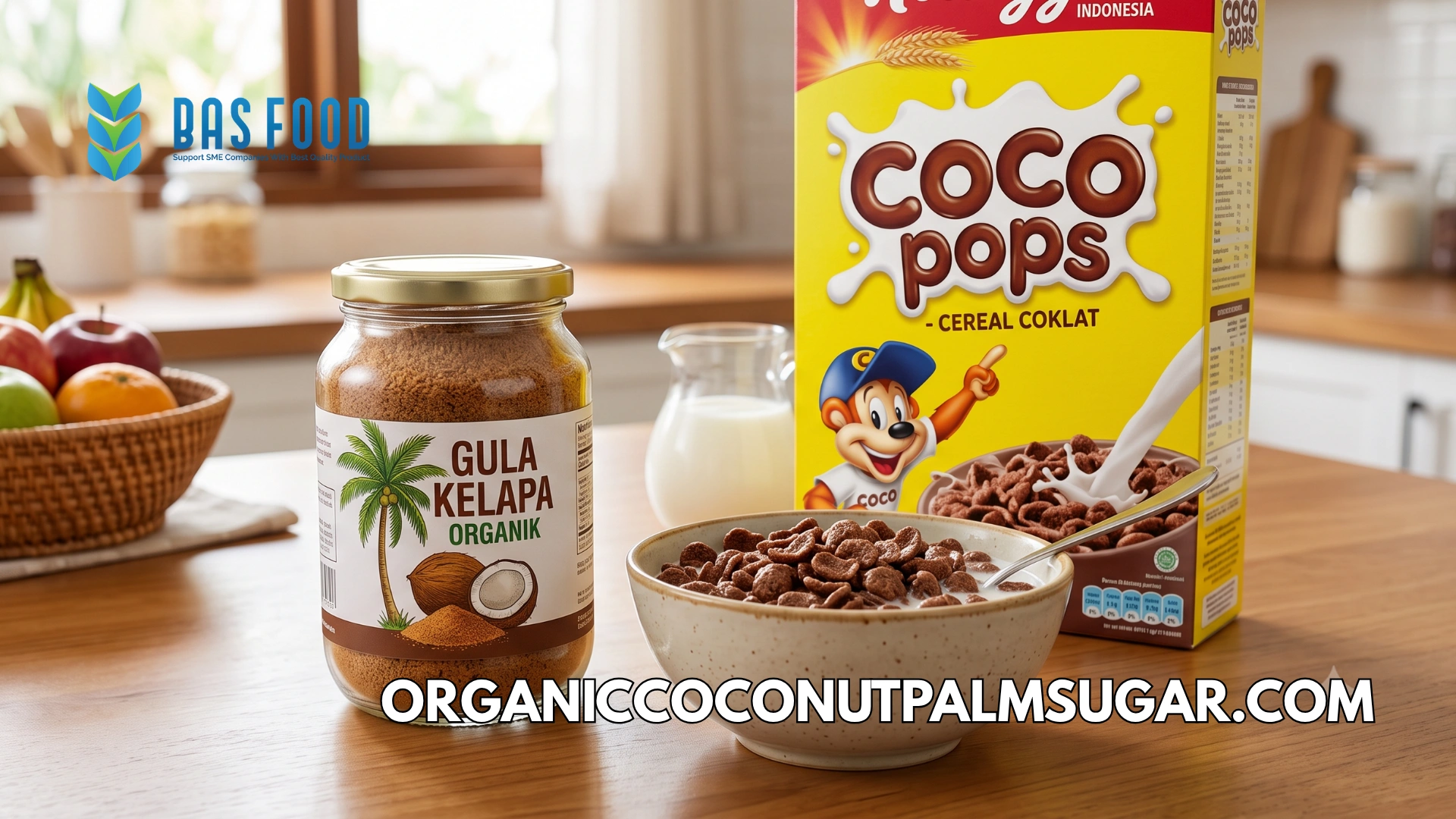
Why Coconut Sugar Is Becoming Popular in Breakfast Cereals
The breakfast category continues to evolve as consumer preferences change. Modern shoppers often read ingredient labels before purchasing food products. They are increasingly attracted to cereals made with natural ingredients rather than highly refined alternatives.
Because of this trend, manufacturers are introducing new recipes that feature recognizable sweeteners like coconut sugar.
Unlike refined white sugar, coconut sugar contributes more than sweetness. It provides subtle caramel and toffee notes that create a richer eating experience. This makes breakfast cereals taste more premium without requiring artificial flavors.
Consumers also enjoy cereals that have authentic textures and flavors. Coconut sugar complements whole grains, oats, seeds, nuts, and dried fruits, creating balanced flavor combinations suitable for both adults and children.
For food manufacturers, this growing demand creates opportunities to launch premium cereal products that appeal to health-conscious shoppers while maintaining familiar taste profiles.
Understanding Coconut Sugar as a Cereal Ingredient
Every ingredient in a breakfast cereal recipe plays an important role. Sweeteners not only affect taste but also influence texture, color, coating performance, and overall product appearance.
Coconut sugar performs well because it provides balanced sweetness while enhancing flavor complexity.
Its natural caramel characteristics pair exceptionally well with cereal grains. When heated during manufacturing, coconut sugar develops pleasant roasted notes that complement oats, wheat, rice, corn, barley, and ancient grains.
Manufacturers often evaluate coconut sugar using several quality specifications:
- Moisture content
- Particle size
- Color consistency
- Solubility
- Flavor profile
- Shelf stability
- Food safety compliance
Working with a reliable coconut sugar supplier helps ensure consistent ingredient quality throughout commercial production.
Coconut Sugar in Granola: A Perfect Match
One of the most successful coconut sugar cereal applications is granola.
Granola combines oats, nuts, seeds, and dried fruit into a crunchy breakfast product. Because its ingredients already have rich natural flavors, coconut sugar fits perfectly into the recipe.
As one of today’s preferred granola ingredients, coconut sugar helps create:
- Rich caramel flavor
- Attractive golden color
- Crunchy texture
- Balanced sweetness
- Premium product positioning
It also works beautifully alongside almonds, walnuts, pecans, pumpkin seeds, sunflower seeds, flaxseed, chia seeds, raisins, cranberries, coconut flakes, and cinnamon.
Manufacturers developing premium granola often choose coconut sugar because it enhances flavor without overpowering the natural ingredients.
Consumers appreciate granola products that taste homemade, and coconut sugar contributes significantly to that experience.
Coconut Sugar in Breakfast Flakes and Cereal Clusters
Breakfast cereals include far more than granola.
Many manufacturers now use coconut sugar in:
- Corn flakes
- Multigrain flakes
- Rice cereal
- Wheat cereal
- Oat clusters
- Protein cereal
- High-fiber cereal
- Muesli
- Puffed grain cereal
Coconut sugar creates a light caramel coating that improves both taste and appearance.
Its subtle sweetness works especially well with toasted grains, making cereal products taste richer while maintaining a natural flavor profile.
Cereal clusters also benefit from coconut sugar because it helps bind ingredients together during baking while contributing attractive golden coloring.
This combination of functionality and flavor makes coconut sugar an increasingly valuable ingredient in cereal manufacturing.
Why Coconut Sugar Works Well in Breakfast Food Manufacturing
Modern breakfast food manufacturing focuses on creating products that satisfy consumers while remaining efficient to produce.
Manufacturers need ingredients that perform consistently during mixing, coating, baking, drying, and packaging.
Coconut sugar offers several advantages throughout production.
Its granulated form blends easily with dry ingredients and dissolves efficiently when used in syrups or coating solutions.
During baking, coconut sugar develops pleasant caramel aromas that enhance the finished product.
Manufacturers also appreciate its compatibility with many cereal formulations, allowing product developers to experiment with different recipes without completely redesigning production processes.
These qualities make coconut sugar suitable for both artisan cereal producers and large-scale commercial manufacturers.
Flavor Pairing Ideas for Coconut Sugar Cereal
One reason coconut sugar continues gaining popularity is its ability to pair naturally with many breakfast ingredients.
Its mild caramel flavor complements both traditional and modern cereal recipes.
Excellent ingredient combinations include:
- Oats and almonds
- Cinnamon and apples
- Coconut and banana
- Chocolate and hazelnuts
- Pumpkin seeds and cranberries
- Pecans and maple
- Vanilla and quinoa
- Coffee and cocoa
- Blueberries and flaxseed
These combinations create premium cereal products with distinctive flavor profiles that attract consumers looking for something beyond ordinary breakfast options.
Manufacturers can also develop seasonal cereal varieties using coconut sugar alongside pumpkin spice, gingerbread spices, or festive dried fruits.
Product Development Tips for Coconut Sugar Cereal
Successful cereal formulation requires careful testing.
Although coconut sugar can replace refined sugar in many recipes, manufacturers should optimize formulations before commercial production.
Areas to evaluate include:
- Sweetness level
- Coating consistency
- Crunch retention
- Baking temperature
- Ingredient distribution
- Color development
- Shelf stability
- Packaging performance
Because coconut sugar naturally contains brown pigments, finished cereals may appear darker than products sweetened with refined sugar.
In premium breakfast cereals, this characteristic often enhances the perception of natural quality rather than creating a disadvantage.
Pilot-scale production allows manufacturers to fine-tune recipes while maintaining consistent quality.
Choosing High-Quality Coconut Sugar for Cereal Production
Ingredient consistency is essential for cereal manufacturing.
Even small differences in moisture content or granule size can influence coating quality and production efficiency.
When evaluating suppliers, manufacturers should consider:
- Uniform particle size
- Stable moisture levels
- Clean caramel flavor
- Consistent color
- Food safety certifications
- Laboratory testing
- Export experience
- Reliable supply capacity
A professional coconut sugar supplier understands these requirements and provides products that support large-scale food manufacturing.
Manufacturers should also request technical specifications and product documentation before establishing long-term purchasing agreements.
Why Choosing the Right Coconut Sugar Exporter Matters
High-quality ingredients alone are not enough.
International buyers also need dependable logistics, consistent communication, and reliable documentation.
An experienced coconut sugar exporter provides:
- Bulk packaging
- Private label services
- OEM support
- Export documentation
- Quality assurance
- Stable production capacity
- International food safety standards
- On-time delivery
These services help manufacturers reduce production risks while ensuring uninterrupted ingredient supply.
Long-term supplier relationships also improve forecasting, inventory planning, and product consistency across multiple production cycles.
Palm Sugar Supplier or Coconut Sugar Supplier?
Many international buyers search for both a palm sugar supplier and a coconut sugar supplier when sourcing natural sweeteners.
Although coconut sugar belongs to the broader palm sugar family, it is produced specifically from coconut blossom sap.
Different palm sugars may have unique flavor characteristics depending on their botanical source.
Before choosing a supplier, buyers should verify:
- Botanical origin
- Production method
- Granule size
- Moisture specifications
- Organic certification options
- Food safety compliance
- Packaging choices
- Export capability
Selecting the right supplier helps manufacturers maintain product consistency while supporting long-term business growth.
Future Trends in Coconut Sugar Cereal
Consumer demand for premium breakfast products continues to grow worldwide.
Shoppers increasingly prefer cereals made with natural ingredients, recognizable sweeteners, and authentic flavors.
As this trend continues, coconut sugar cereal is expected to become an important category in breakfast innovation.
Manufacturers are already developing:
- Protein granola
- High-fiber cereals
- Ancient grain blends
- Functional breakfast products
- Organic cereal lines
- Children’s breakfast cereals
- Premium snack cereals
Coconut sugar fits naturally into these product categories because it supports clean-label positioning while delivering excellent flavor.
Businesses that partner with a trusted coconut sugar exporter and reliable coconut sugar supplier can stay ahead of market trends while delivering consistent product quality to customers worldwide.
Frequently Asked Questions
What is coconut sugar cereal?
Coconut sugar cereal refers to breakfast cereals sweetened with coconut sugar instead of refined white sugar. It includes granola, muesli, cereal flakes, cereal clusters, and puffed grain products.
Why is coconut sugar used in breakfast cereals?
Coconut sugar provides balanced sweetness, rich caramel flavor, and complements whole grains, nuts, seeds, and dried fruits. It also supports premium and clean-label product positioning.
Is coconut sugar suitable for granola production?
Yes. Coconut sugar is one of the preferred granola ingredients because it enhances flavor, creates an attractive golden color, and helps bind ingredients during baking.
Can coconut sugar be used in large-scale breakfast food manufacturing?
Absolutely. Many companies use coconut sugar in breakfast food manufacturing because it performs consistently during mixing, coating, baking, and packaging when sourced from a reliable supplier.
What should I look for in a coconut sugar exporter?
Choose a supplier with consistent quality, food safety certifications, export experience, reliable logistics, technical documentation, and flexible packaging options.
Conclusion
The growing popularity of coconut sugar cereal reflects the breakfast industry’s focus on natural ingredients, premium flavors, and consumer-friendly product labels. Whether used in granola, cereal clusters, multigrain flakes, or innovative breakfast blends, coconut sugar offers manufacturers an excellent combination of functionality, flavor, and market appeal.
For businesses involved in breakfast food manufacturing, selecting the right ingredient partner is just as important as creating the perfect recipe. A dependable coconut sugar supplier can provide consistent product quality, while an experienced coconut sugar exporter ensures reliable logistics and export-ready solutions for international markets. Companies seeking a broader range of natural sweeteners may also benefit from working with a trusted palm sugar supplier to expand their product portfolio.
As consumer demand continues to favor clean-label foods and authentic ingredients, coconut sugar is well positioned to play an increasingly important role in the future of breakfast cereals around the world.