Over the past decade, coconut sugar has evolved from a traditional sweetener used in tropical countries into a globally recognized food ingredient. Today, it can be found in supermarkets, coffee shops, bakeries, beverage brands, and food manufacturing facilities across Europe, North America, the Middle East, Asia, and many other regions. This remarkable growth has made coconut sugar popularity one of the most talked-about topics in the natural sweetener industry.
For importers, distributors, and food manufacturers, understanding why coconut sugar is gaining attention is more than following a trend. It provides valuable insight into changing consumer preferences, ingredient innovation, and future sourcing opportunities. As more consumers seek products made with recognizable ingredients, manufacturers are responding by incorporating coconut sugar into a wide variety of food and beverage products.
The rise of the global coconut sugar market is driven by several factors, including increasing consumer awareness, expanding international trade, product innovation, and the growing interest in healthy sweeteners. While coconut sugar should not be marketed with unsupported health claims, many brands choose it because it is naturally sourced from coconut blossom sap and fits well with today’s demand for minimally processed ingredients.
In this guide, we explore the reasons behind coconut sugar popularity, examine current coconut sugar demand, discuss its role in global food manufacturing, and explain why businesses continue investing in this versatile natural sweetener.
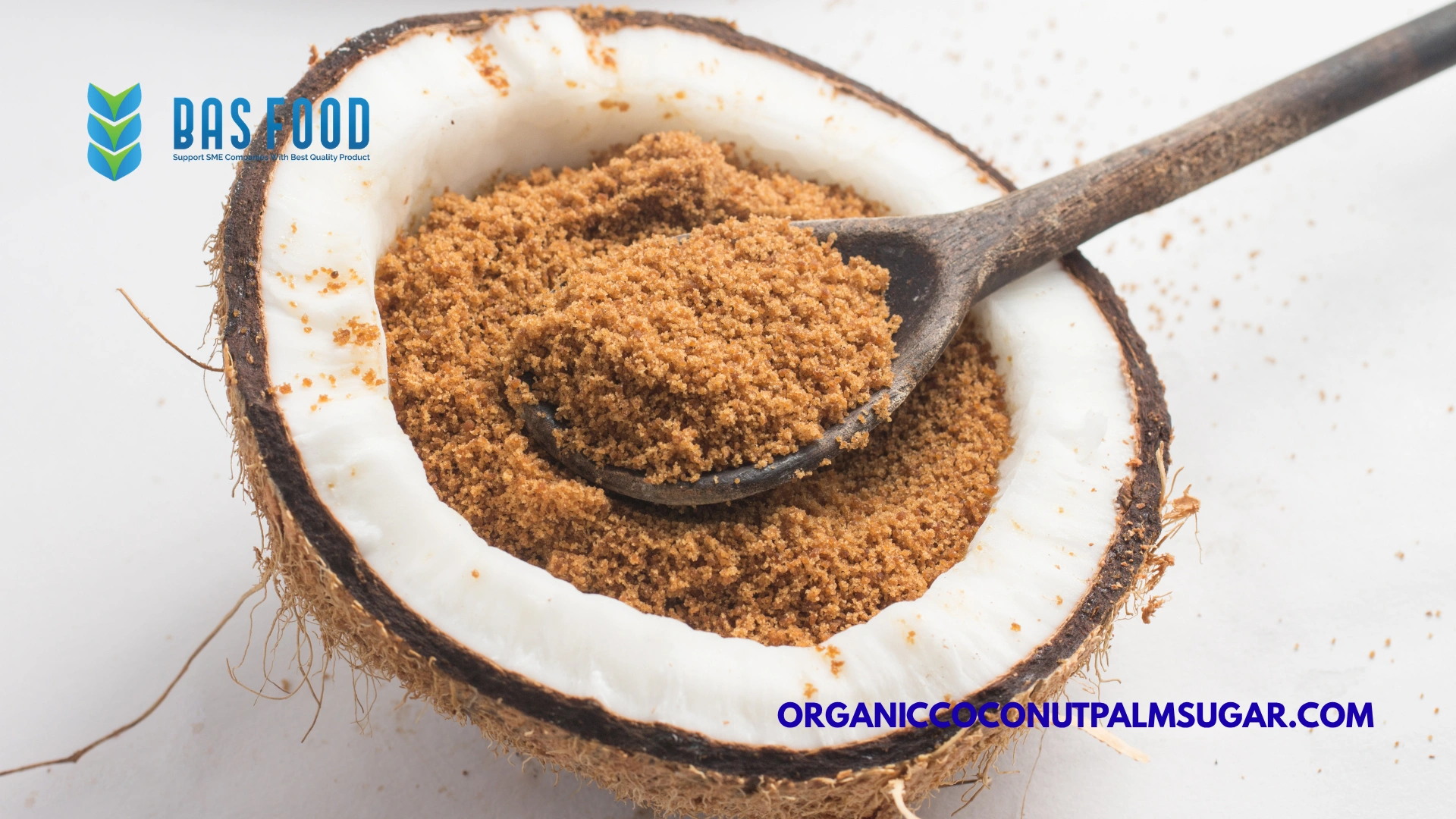
Why Coconut Sugar Popularity Continues to Grow
Consumer preferences have changed significantly over the past several years.
People are paying closer attention to ingredient labels and often prefer foods made with recognizable, naturally sourced ingredients. As a result, manufacturers have expanded their use of coconut sugar across many product categories.
Unlike highly refined sweeteners, coconut sugar has a simple origin. It is produced from the sap of coconut palm blossoms through a straightforward evaporation process. This production method appeals to brands looking for ingredients with a clear and authentic story.
Another factor behind coconut sugar popularity is its rich caramel flavor. Instead of providing only sweetness, coconut sugar adds depth and complexity to recipes, making it suitable for premium food products.
Its versatility also makes it attractive to manufacturers because it can be used in bakery products, beverages, confectionery, sauces, dairy products, snacks, and many other applications.
Understanding the Global Coconut Sugar Market
The global coconut sugar market has expanded steadily as international demand for natural ingredients continues to increase.
Food manufacturers in many countries now include coconut sugar in both new and existing product formulations. Retail brands are introducing coconut sugar as a pantry staple, while food service businesses are exploring new menu items featuring this traditional sweetener.
International trade has also become more efficient. Improved logistics, stronger export infrastructure, and better quality management systems allow coconut-producing countries to supply consistent products to buyers worldwide.
As more companies recognize coconut sugar’s commercial potential, investment in production facilities, packaging technology, and quality control continues to increase.
This ongoing development strengthens supply chains while supporting continued market growth.
What Is Driving Coconut Sugar Demand?
Several important trends contribute to rising coconut sugar demand around the world.
Consumer Interest in Natural Ingredients
Modern consumers often seek products with simple ingredient lists.
Food companies respond by selecting ingredients that are easy to recognize and understand.
Coconut sugar fits well within this trend because it comes from coconut blossom sap and follows a relatively simple production process.
Product Innovation
Manufacturers continue introducing new food products featuring coconut sugar.
These include:
- Bakery products
- Coffee drinks
- Tea beverages
- Chocolate
- Breakfast cereals
- Snack bars
- Ice cream
- Sauces
- Seasonings
- Dessert products
Innovation keeps expanding the number of commercial applications for coconut sugar.
Growth of Premium Food Categories
Premium food brands often focus on ingredient quality and product storytelling.
Coconut sugar helps support this positioning because of its natural origin and distinctive caramel flavor.
Coconut Sugar and the Growing Interest in Healthy Sweeteners
The global conversation around healthy sweeteners continues to influence food innovation.
Consumers are increasingly interested in exploring different sweetening options beyond traditional refined sugar.
Although coconut sugar should not be promoted using unsupported health claims, many food companies appreciate its natural source and traditional production process.
As a result, coconut sugar is frequently included in premium product lines that emphasize naturally derived ingredients.
Manufacturers also value its versatility because it performs well in a wide range of food applications without requiring significant production changes.
This combination of functionality and consumer appeal contributes to continued market growth.
Industries Benefiting from Coconut Sugar Popularity
The expanding coconut sugar popularity affects many sectors of the food industry.
Bakery Industry
Bakeries use coconut sugar in cakes, cookies, breads, muffins, and pastries.
Its caramel flavor enhances finished products while creating distinctive taste profiles.
Beverage Manufacturing
Coffee, tea, smoothies, flavored drinks, and nutritional beverages increasingly include coconut sugar.
It dissolves well while contributing natural caramel notes.
Confectionery
Chocolate manufacturers and candy producers appreciate coconut sugar because it adds sweetness along with rich flavor complexity.
Premium confectionery products often feature coconut sugar as part of their ingredient story.
Dairy Products
Ice cream, yogurt, flavored milk, and frozen desserts benefit from coconut sugar’s balanced sweetness.
Its flavor pairs naturally with dairy ingredients.
Sauce and Seasoning Production
Sauces, marinades, barbecue products, and seasoning blends often use coconut sugar to create balanced sweetness and caramel flavor.
Why Importers Are Investing in Coconut Sugar
International buyers recognize the long-term opportunities created by increasing coconut sugar demand.
Importers appreciate that coconut sugar serves multiple industries, allowing them to supply diverse customer segments with a single product category.
Many buyers also value the relatively stable year-round demand generated by bakery manufacturers, beverage producers, retailers, and food service companies.
As consumer awareness continues growing, importers can expand their product portfolios while strengthening relationships with food manufacturers seeking reliable ingredient suppliers.
Choosing experienced exporters with strong quality management systems further supports consistent business growth.
Indonesia’s Role in the Global Coconut Sugar Market
Indonesia remains one of the world’s leading coconut sugar producers.
Its tropical climate supports extensive coconut plantations, while experienced farming communities have harvested coconut blossom sap for generations.
Many Indonesian manufacturers combine traditional production knowledge with modern food safety systems, laboratory testing, and export-ready packaging.
This combination enables Indonesia to supply consistent coconut sugar to customers across Europe, North America, Asia, the Middle East, Africa, and other international markets.
Reliable export infrastructure also allows Indonesian suppliers to meet the growing requirements of the expanding global coconut sugar market.
How Businesses Can Benefit from Coconut Sugar Popularity
Companies that understand market trends are better positioned for long-term success.
Manufacturers can use coconut sugar to diversify product lines and create innovative food products that appeal to changing consumer preferences.
Retailers can expand their natural ingredient offerings to meet increasing customer demand.
Importers can establish long-term partnerships with experienced exporters, ensuring stable product availability and consistent quality.
Distributors can also benefit by supplying coconut sugar to multiple industries rather than focusing on a single customer segment.
These opportunities make coconut sugar an attractive product for businesses throughout the international food supply chain.
Choosing the Right Coconut Sugar Supplier
Growing demand makes supplier selection even more important.
Professional exporters should provide:
- Consistent product quality
- Reliable production capacity
- Export-ready packaging
- Product specifications
- Food safety documentation
- Responsive communication
- Flexible packaging options
Importers should request samples, review product specifications, and evaluate production capabilities before placing large orders.
Building long-term relationships with dependable suppliers helps ensure reliable supply even as coconut sugar demand continues to grow.
Frequently Asked Questions
Why is coconut sugar becoming more popular?
Coconut sugar popularity is increasing because consumers and manufacturers value naturally sourced ingredients, versatile functionality, and its distinctive caramel flavor.
What industries use coconut sugar?
Coconut sugar is widely used in bakery products, beverages, confectionery, dairy products, sauces, snacks, cereals, and food manufacturing.
What is driving coconut sugar demand?
Growing consumer interest in natural ingredients, product innovation, premium food categories, and expanding international trade all contribute to rising demand.
Is coconut sugar only used in health food products?
No. Coconut sugar is used across many food categories, including mainstream bakery, beverage, confectionery, dairy, and food service products.
Why do importers choose coconut sugar?
Importers value its broad market demand, versatile applications, reliable export availability, and growing acceptance in international food markets.
Conclusion
The continued rise in coconut sugar popularity reflects broader changes within the global food industry. Consumers increasingly appreciate naturally sourced ingredients, while manufacturers seek versatile sweeteners that support product innovation and premium positioning.
As the global coconut sugar market expands, businesses throughout the supply chain continue responding to increasing coconut sugar demand by investing in quality production, improved packaging, and stronger international partnerships.
Although coconut sugar should always be marketed responsibly without unsupported health claims, its traditional production process, rich caramel flavor, and broad range of applications make it a valuable ingredient for modern food manufacturing.
For importers, distributors, and food manufacturers, partnering with an experienced exporter ensures consistent quality, dependable supply, and the confidence needed to succeed in today’s competitive global market.