The global food industry is undergoing a significant transformation. Consumers are becoming more aware of ingredient sourcing, food processing methods, and product transparency. As a result, manufacturers are searching for ingredients that align with modern consumer expectations while delivering excellent taste and functionality. One category benefiting from this shift is natural sweeteners. As brands move away from highly processed ingredients, alternative sweeteners are gaining popularity across multiple food sectors. Among these emerging ingredients, coconut treacle has become a promising option for food manufacturers seeking natural and versatile sweetening solutions.
The growing coconut treacle market reflects this change in consumer behavior. Food companies are increasingly incorporating coconut-derived sweeteners into beverages, bakery products, snacks, sauces, and health-focused products. At the same time, global demand for clean-label ingredients continues to rise.
Additionally, ongoing natural sweetener trends are creating new opportunities for suppliers, exporters, and manufacturers worldwide. As consumers seek products with recognizable ingredients, coconut treacle is becoming an increasingly attractive choice for food innovation.
In this article, we will explore the growth of the coconut treacle market, the factors driving demand, key applications, sourcing opportunities, and future industry trends.
What Is Coconut Treacle?
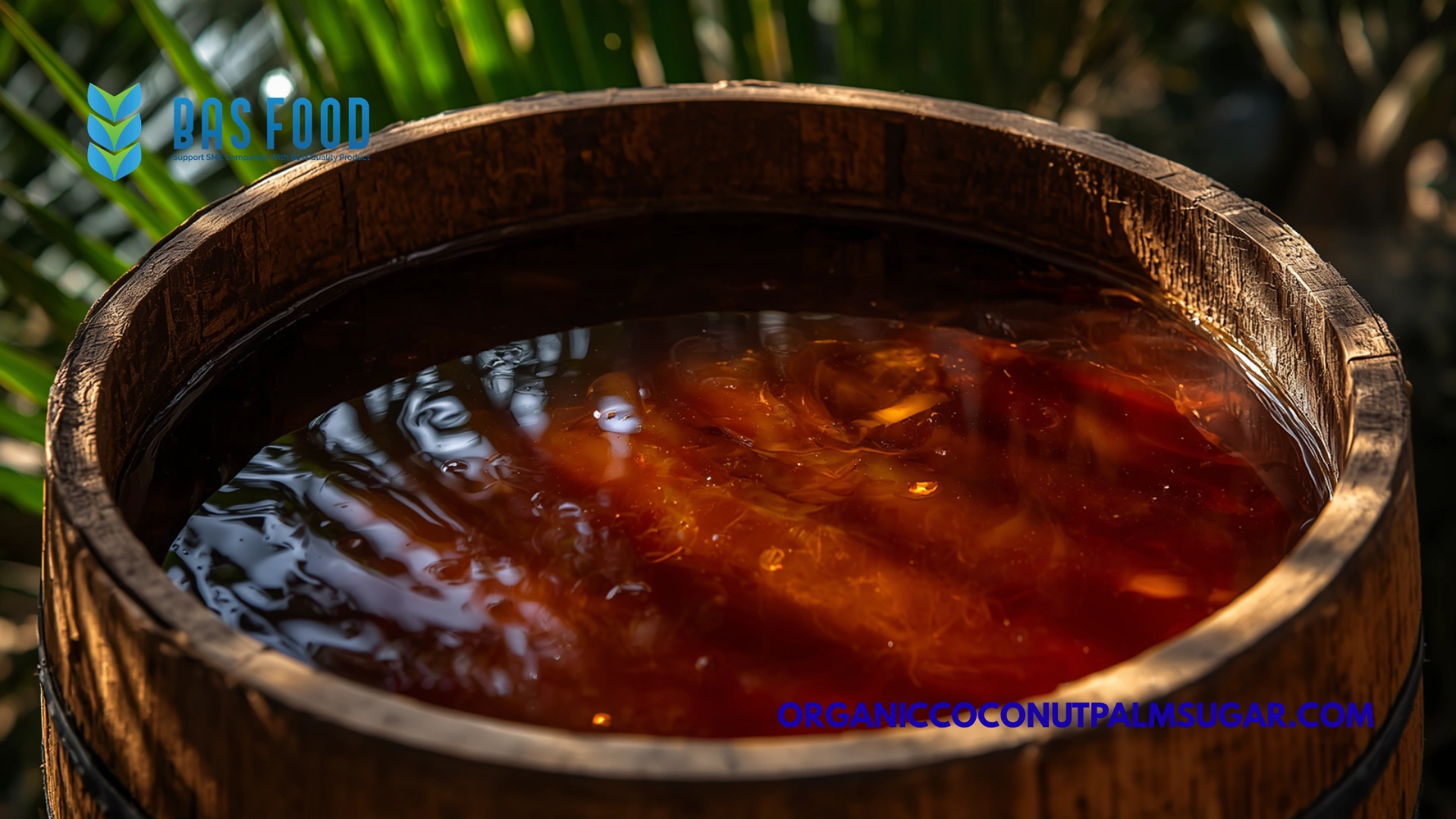
Coconut treacle is a natural syrup produced from the sap of coconut flower blossoms.
Before coconut flowers develop into mature coconuts, they release a naturally sweet sap. Farmers carefully harvest this sap using traditional tapping methods that have been practiced for generations throughout coconut-growing regions.
Once collected, the sap is filtered and gently heated to remove excess moisture. This process creates a thick syrup known as coconut treacle.
The final product typically features a rich amber color, smooth texture, and mild caramel-like flavor.
Unlike highly refined sweeteners, coconut treacle undergoes relatively simple processing. Because of this, many food manufacturers view it as a natural ingredient that aligns with clean-label product development strategies.
Its versatility and appealing flavor profile have contributed significantly to the expansion of the coconut treacle market.
Understanding the Growth of the Coconut Treacle Market
The coconut treacle market has experienced steady growth in recent years.
Several important factors are contributing to this upward trend.
First, consumer awareness regarding food ingredients continues increasing. Many shoppers actively seek products made with ingredients they recognize and understand.
Second, food manufacturers are developing products that emphasize natural sourcing and simplified ingredient lists. This trend has created new opportunities for alternative sweeteners such as coconut treacle.
Third, premium food categories are expanding rapidly across international markets. Consumers are willing to pay more for products that offer quality, authenticity, and transparency.
As a result, coconut treacle has gained traction among food manufacturers seeking innovative ingredients for product differentiation.
The combination of consumer demand, product innovation, and market expansion continues driving growth throughout the industry.
Natural Sweetener Trends Driving Industry Expansion
The rise of coconut treacle cannot be separated from broader natural sweetener trends.
Consumers today are increasingly interested in ingredients that originate from natural agricultural sources.
This preference has encouraged food companies to explore alternatives to traditional sweeteners.
Clean Label Movement
One of the strongest drivers of growth is the clean-label movement.
Consumers often prefer shorter ingredient lists containing familiar components.
Natural sweeteners such as coconut treacle support this trend effectively.
Premium Food Products
Premium products continue gaining market share worldwide.
Manufacturers use specialty ingredients to create distinctive offerings that stand out in competitive markets.
Sustainability Awareness
Consumers increasingly consider environmental and social factors when making purchasing decisions.
Ingredients sourced through responsible agricultural practices often receive greater attention.
Plant-Based Food Growth
The expansion of plant-based foods has also created new demand for coconut-derived ingredients.
Together, these market forces are strengthening the long-term outlook for coconut treacle.
Applications Across the Food and Beverage Industry
One of the main reasons for the success of the coconut treacle market is product versatility.
Manufacturers use coconut treacle across a wide variety of food categories.
Beverage Manufacturing
The beverage industry represents one of the largest growth opportunities.
Common applications include:
- Coffee beverages
- Tea products
- Functional drinks
- Smoothies
- Plant-based beverages
Its liquid format makes integration into beverage formulations simple and efficient.
Bakery Products
Coconut treacle performs exceptionally well in bakery applications.
Manufacturers use it in:
- Cakes
- Cookies
- Muffins
- Bread products
- Dessert fillings
Its caramel-like flavor helps enhance product taste and consumer appeal.
Snack Foods
Snack manufacturers increasingly incorporate coconut treacle into:
- Granola bars
- Protein bars
- Energy snacks
- Healthy snack products
These applications continue expanding as demand for natural ingredients grows.
Sauces and Condiments
Its syrup consistency makes coconut treacle suitable for sauces, glazes, marinades, and specialty condiments.
This versatility contributes significantly to overall market growth.
Regional Opportunities in the Coconut Treacle Market
Demand for coconut treacle is expanding across multiple regions.
Different markets are adopting the ingredient for different reasons.
North America
Consumers in North America continue embracing clean-label and premium food products.
This trend supports growing interest in natural sweeteners.
Europe
European markets prioritize sustainability, traceability, and natural ingredients.
These preferences create favorable conditions for coconut treacle adoption.
Asia-Pacific
Rapid urbanization, rising incomes, and growing interest in premium foods continue driving demand throughout the region.
Middle East
Manufacturers and distributors increasingly seek premium imported ingredients for food innovation.
These regional opportunities contribute to the global expansion of the coconut treacle market.
Why Indonesia Plays a Critical Role in Market Growth
Indonesia is one of the world’s largest coconut-producing countries.
Its tropical climate provides ideal conditions for coconut cultivation throughout the year.
Millions of coconut trees support a vast network of farmers, processors, and exporters.
This extensive agricultural base provides reliable access to coconut blossom sap, the essential raw material used in coconut treacle production.
Indonesia also benefits from generations of coconut farming expertise.
Many producers combine traditional harvesting knowledge with modern production techniques to meet international market expectations.
These advantages position Indonesia as one of the most important suppliers supporting global market growth.
Sustainability and Ethical Sourcing Are Influencing Buyers
Sustainability has become a major purchasing factor across global food markets.
Consumers increasingly prefer products made with responsibly sourced ingredients.
Fortunately, coconut treacle aligns well with sustainability objectives.
Farmers collect sap without harming coconut trees, allowing long-term productivity.
The trees continue producing flowers, coconuts, and sap for many years.
Additionally, coconut treacle production supports rural communities throughout coconut-growing regions.
These environmental and social benefits strengthen the appeal of coconut treacle among buyers and consumers alike.
As sustainability becomes more important, responsibly sourced coconut treacle is expected to experience continued demand growth.
Key Challenges and Opportunities for Suppliers
Although the market outlook is positive, suppliers must address several challenges.
Maintaining Product Consistency
Food manufacturers require consistent product performance.
Strong quality management systems are essential.
Scaling Production
As demand grows, suppliers must expand capacity while maintaining quality standards.
Meeting International Regulations
Export markets often require strict compliance with food safety and documentation requirements.
Building Long-Term Relationships
Successful suppliers focus on partnership development rather than transactional sales.
At the same time, these challenges create opportunities for suppliers that invest in quality, transparency, and customer support.
Future Outlook for the Coconut Treacle Market
The future of the coconut treacle market appears highly promising.
Several trends are expected to support continued expansion.
Consumer demand for natural ingredients remains strong.
Food manufacturers continue prioritizing clean-label product development.
Premium food categories are expanding across international markets.
Sustainability and responsible sourcing continue influencing purchasing decisions.
In addition, ongoing natural sweetener trends suggest that alternative sweeteners will remain important components of food innovation strategies.
As these market forces continue evolving, coconut treacle is likely to play an increasingly significant role in global food manufacturing.
Partner with CV Bonafide Anugerah Sentosa for Premium Coconut Treacle
For businesses seeking high-quality coconut treacle, CV Bonafide Anugerah Sentosa provides reliable sourcing solutions for international markets.
The company works closely with experienced farmers and processing facilities throughout Indonesia to ensure product consistency, dependable supply, and export-ready quality.
In addition to coconut treacle, CV Bonafide Anugerah Sentosa supplies coconut nectar, coconut sugar, organic coconut sugar, virgin coconut oil, coconut milk products, spices, coffee products, and fishery products.
With extensive export experience and strong sourcing networks, the company helps global buyers secure premium Indonesian ingredients that support long-term business growth.
Conclusion
The global food industry continues moving toward natural, transparent, and sustainably sourced ingredients.
As a result, the coconut treacle market is experiencing steady growth across multiple regions and product categories.
Driven by evolving consumer preferences, expanding clean-label initiatives, and broader natural sweetener trends, coconut treacle has become an increasingly valuable ingredient for manufacturers worldwide.
For importers, distributors, and food producers, partnering with reliable suppliers ensures access to consistent quality and long-term sourcing stability.
As demand continues rising, coconut treacle is well-positioned to become one of the most important natural sweeteners in the future food industry.