The global food industry is undergoing a transformation. Consumers are no longer looking only for sweetness. Instead, they want ingredients that offer authenticity, natural origins, and a story behind the product. As a result, food manufacturers are exploring traditional sweeteners that align with clean-label and natural food trends. One product gaining attention is coconut treacle. Produced from the sap of coconut flower blossoms, this golden-brown syrup has been used for generations in tropical regions. Today, it is increasingly appearing in premium food products, specialty beverages, bakery items, and natural ingredient formulations.
As demand grows, buyers are becoming more interested in coconut treacle nutrition. They want to understand what makes coconut treacle unique and how it compares to conventional sweeteners. While coconut treacle is still a sweetener and should be consumed in moderation, its natural production process and nutrient profile have made it an attractive ingredient for food brands around the world.
This guide explores coconut treacle nutrition, the minerals in coconut treacle, production methods, commercial applications, and why global buyers are paying closer attention to this traditional coconut-based sweetener.
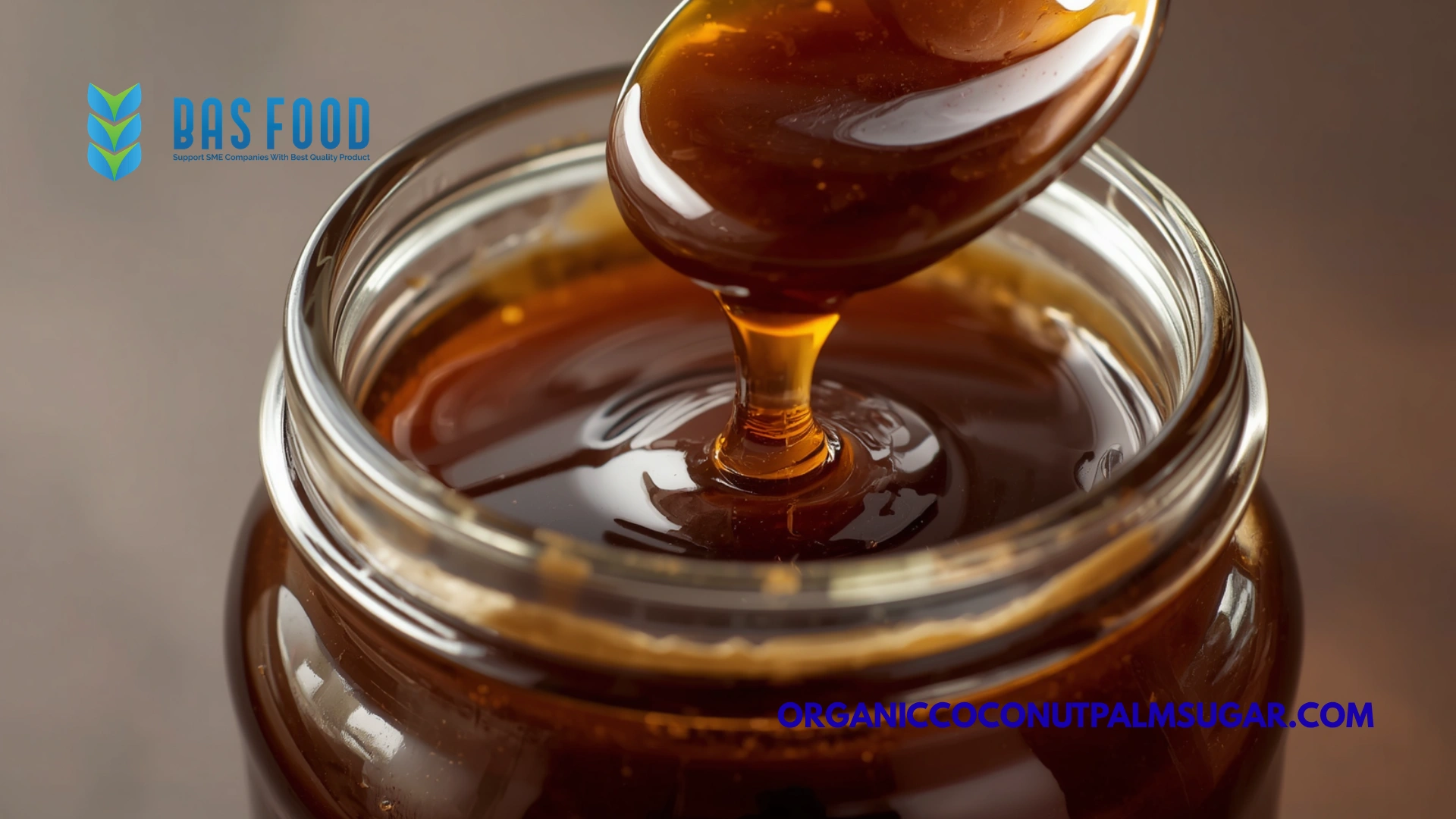
What Is Coconut Treacle?
Coconut treacle is a natural syrup made from coconut blossom sap. Before coconut flowers develop into mature coconuts, they produce a sweet liquid sap that can be carefully harvested by skilled farmers.
The collected sap is filtered and slowly heated to evaporate excess moisture. As water content decreases, the sap thickens into a rich syrup known as coconut treacle.
Unlike highly refined sweeteners that undergo extensive industrial processing, coconut treacle is produced using relatively simple methods. This helps preserve the natural characteristics of the original sap.
The result is a thick syrup with a pleasant caramel-like flavor, making it suitable for a wide range of food and beverage applications.
Today, coconut treacle is commonly used in bakery products, sauces, beverages, desserts, plant-based foods, and specialty gourmet products.
Understanding Coconut Treacle Nutrition
When discussing coconut treacle nutrition, it is important to understand what the product actually contains.
Like most sweeteners, coconut treacle primarily provides carbohydrates in the form of naturally occurring sugars. These sugars contribute sweetness and energy to food products.
However, because coconut treacle is produced from coconut blossom sap and undergoes minimal processing, it may retain small amounts of naturally occurring nutrients found in the original sap.
This characteristic often distinguishes coconut treacle from highly refined sweeteners that undergo extensive purification processes.
For food manufacturers, coconut treacle offers more than sweetness. It also provides a unique ingredient story that appeals to consumers seeking natural and traditionally produced foods.
The nutritional composition may vary depending on factors such as tree variety, harvesting methods, production practices, and geographical origin.
Minerals in Coconut Treacle: What Makes It Unique?
One of the most frequently discussed aspects of coconut treacle is the presence of naturally occurring minerals.
The minerals in coconut treacle originate from the coconut blossom sap itself. Because the sap is collected directly from the coconut tree, it naturally contains trace amounts of various minerals absorbed from the soil.
Some commonly referenced minerals may include:
Potassium
Potassium is one of the minerals naturally found in coconut-derived products.
It plays important roles in normal body functions and is frequently discussed in nutrition-related conversations.
Magnesium
Magnesium is another naturally occurring mineral that may be present in coconut blossom sap.
Calcium
Calcium is often associated with bone health and may be found in small amounts within coconut-based sweeteners.
Iron
Iron is an essential mineral that supports various biological functions.
Zinc
Trace levels of zinc may also occur naturally in coconut sap.
While coconut treacle should not be viewed as a major source of these nutrients, the presence of naturally occurring minerals contributes to its appeal among consumers seeking minimally processed ingredients.
How Production Methods Influence Nutritional Quality
The production process plays a significant role in determining coconut treacle quality.
Everything begins with fresh coconut blossom sap. Farmers collect sap from coconut flower stalks and transport it to processing facilities as quickly as possible.
Freshness is important because sap naturally begins changing shortly after harvesting.
Once collected, the sap is filtered and heated under controlled conditions.
Gentle processing helps maintain product quality while concentrating the natural sugars.
Excessive processing may affect flavor, appearance, and certain naturally occurring components.
Therefore, reputable producers carefully monitor temperature and processing time to achieve the desired syrup consistency while preserving product integrity.
For international buyers, production practices often influence overall product value and market positioning.
Coconut Treacle Compared to Other Sweeteners
The sweetener market offers many options, including refined sugar, maple syrup, agave syrup, honey, and coconut-based products.
When evaluating coconut treacle nutrition, many buyers want to understand how it differs from conventional sweeteners.
Compared to Refined Sugar
Refined sugar typically undergoes extensive processing designed to isolate sucrose.
Coconut treacle, on the other hand, remains closer to its natural source and may retain trace nutrients from coconut sap.
Compared to Maple Syrup
Both maple syrup and coconut treacle are natural syrups derived from tree sap.
However, they originate from different plant sources and offer distinct flavor profiles.
Compared to Honey
Honey is produced by bees, while coconut treacle comes directly from coconut blossom sap.
These different origins contribute to differences in taste, texture, and market positioning.
For food manufacturers, the choice often depends on product formulation requirements and target consumer preferences.
Why Food Manufacturers Are Interested in Coconut Treacle
Modern consumers increasingly value ingredient transparency.
As a result, manufacturers are searching for ingredients that align with clean-label trends while offering unique product differentiation opportunities.
Coconut treacle satisfies several market demands simultaneously.
Natural Origin
Consumers appreciate ingredients that come from recognizable agricultural sources.
Premium Positioning
The traditional harvesting process and unique flavor profile support premium product development.
Versatility
Coconut treacle performs well across many applications, including:
- Bakery products
- Beverages
- Sauces
- Condiments
- Desserts
- Plant-based foods
- Storytelling Value
Brands increasingly use ingredient stories to connect with consumers.
Coconut treacle’s traditional production methods provide a compelling narrative that supports marketing efforts.
Applications of Coconut Treacle in the Food Industry
The versatility of coconut treacle has contributed significantly to its growing popularity.
Beverage Applications
Manufacturers use coconut treacle in:
- Coffee beverages
- Tea products
- Smoothies
- Functional drinks
- Specialty beverages
Its liquid form simplifies blending and formulation.
Bakery Products
Coconut treacle works well in:
- Cakes
- Cookies
- Muffins
- Pastries
- Dessert fillings
Its rich flavor enhances product complexity.
Sauces and Marinades
The syrup consistency makes coconut treacle ideal for gourmet sauces and culinary applications.
Plant-Based Products
As plant-based foods continue growing globally, coconut treacle provides a naturally sourced sweetening solution.
Sustainability and Community Impact
Sustainability is becoming increasingly important in ingredient sourcing decisions.
Fortunately, coconut treacle production supports several environmentally responsible practices.
Coconut trees can remain productive for decades while continuously producing flowers and fruit.
Farmers harvest sap without cutting down trees, helping maintain long-term agricultural productivity.
Additionally, coconut treacle production supports rural farming communities throughout coconut-producing regions.
Many international buyers now view sustainability as an important consideration alongside product quality and pricing.
This combination of environmental and social benefits strengthens coconut treacle’s position in modern food supply chains.
Why Indonesia Is a Leading Source of Premium Coconut Treacle
Indonesia is one of the world’s largest coconut-producing countries.
Its tropical climate provides ideal growing conditions and supports year-round coconut cultivation.
Millions of coconut trees supply a robust network of farmers, processors, and exporters.
Indonesian producers combine traditional harvesting knowledge with modern quality management systems to produce export-quality coconut treacle.
In addition, the country’s strong agricultural infrastructure and export experience make it an attractive sourcing destination for global buyers.
These advantages help Indonesian suppliers serve international markets with reliable quality and consistent supply.
Partner with a Trusted Indonesian Coconut Treacle Exporter
For businesses seeking premium coconut treacle, choosing the right supplier is essential.
CV Bonafide Anugerah Sentosa supplies high-quality coconut treacle and a wide range of coconut-derived products to international markets. The company works closely with trusted farming communities and processing partners to ensure product consistency, reliable supply, and export-ready quality.
In addition to coconut treacle, CV Bonafide Anugerah Sentosa supplies coconut sugar, organic coconut sugar, coconut nectar, virgin coconut oil, coconut milk products, coffee, spices, and fishery products.
With extensive sourcing networks and export expertise, the company helps global buyers access premium Indonesian products that meet international standards.
Conclusion
As consumer interest in natural ingredients continues to grow, coconut treacle nutrition has become an increasingly important topic for food manufacturers, distributors, and importers.
While coconut treacle remains a sweetener that should be consumed as part of a balanced diet, its natural production process, unique flavor profile, and presence of naturally occurring minerals in coconut treacle contribute to its growing popularity.
Combined with sustainability advantages, versatile applications, and strong consumer appeal, coconut treacle represents an exciting opportunity for businesses seeking innovative natural ingredients.
For global buyers, sourcing high-quality coconut treacle from trusted Indonesian exporters can provide access to a premium sweetener that aligns with modern food industry trends and consumer expectations.