In today’s competitive global market, product quality is no longer optional. It is a core requirement for success. Buyers expect consistency, safety, and performance from every shipment. This is especially true in the coconut industry, where quality directly affects food production outcomes. That is why understanding what defines high quality desiccated coconut is essential. Whether you are a food manufacturer, distributor, or importer, your choice of supplier will influence your final product. Therefore, focusing on quality is not just about meeting standards. It is about building trust and long-term business relationships.
What is High Quality Desiccated Coconut?
Desiccated coconut is made from fresh coconut meat that has been grated, dried, and processed into different particle sizes. However, not all desiccated coconut is created equal. Quality depends on several factors, including raw material selection, processing methods, and storage conditions.
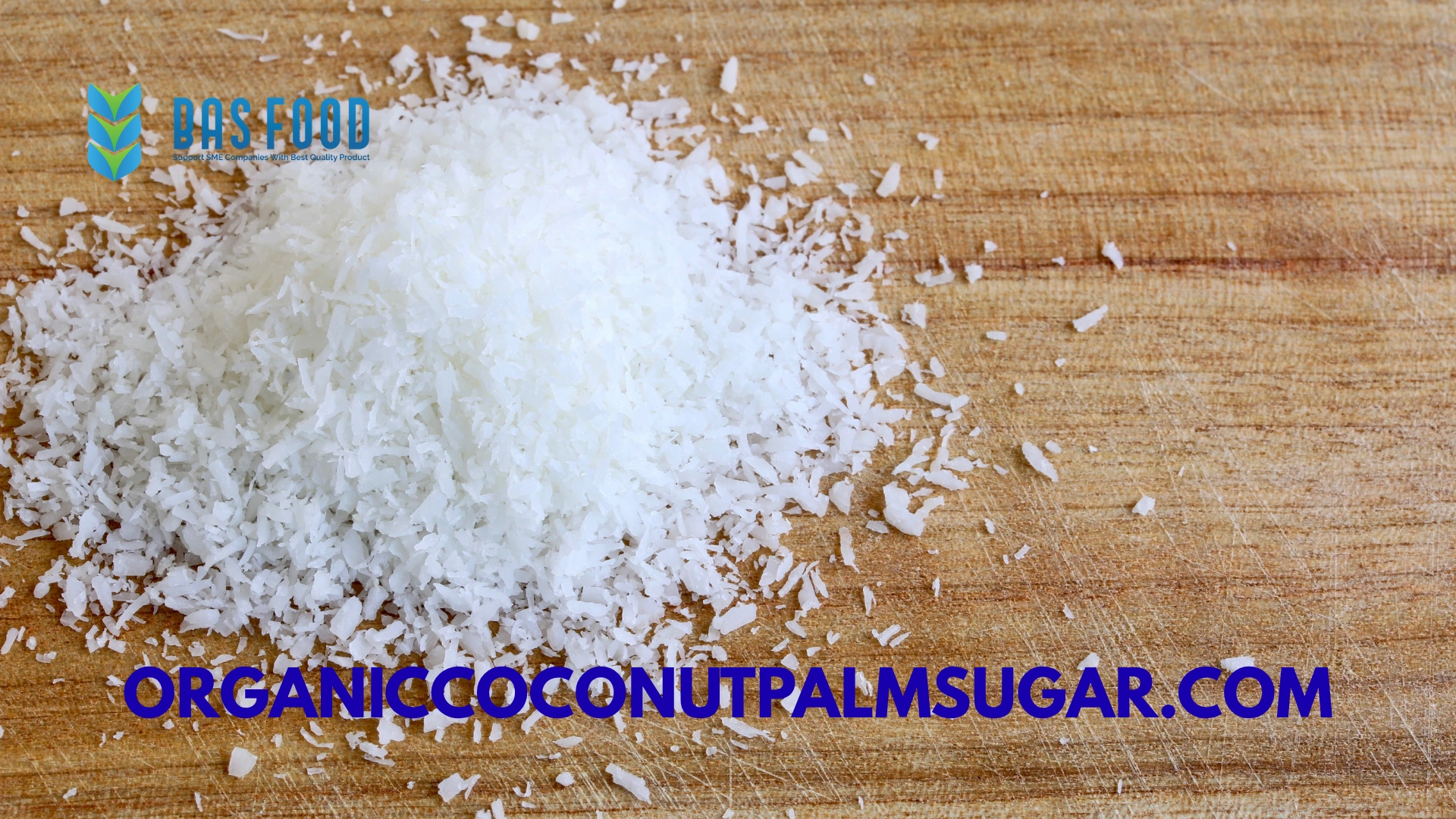
High quality desiccated coconut is clean, white, and free from contaminants. It has a natural coconut aroma and consistent texture. In addition, it meets strict moisture and safety standards. These characteristics ensure that the product performs well in various food applications.
Key Characteristics of Premium Desiccated Coconut
To identify high quality desiccated coconut, buyers must evaluate several physical and chemical properties. First, color is an important indicator. Premium desiccated coconut should be bright white, without yellow or brown discoloration.
Second, aroma and taste must be fresh and natural. Any off-odor may indicate poor processing or contamination. Third, texture should be uniform, whether fine, medium, or coarse. These factors are part of a reliable coconut quality checklist that buyers should follow when sourcing products.
Moisture Content and Shelf Stability
Moisture content is one of the most critical quality parameters. Low moisture levels help prevent microbial growth and extend shelf life. Typically, high quality desiccated coconut contains around 2% to 3% moisture.
Proper moisture control ensures shelf stability coconut performance. It allows the product to remain safe and fresh during storage and transportation. Therefore, buyers must always verify moisture specifications as part of their import coconut guide.
Importance of Raw Material Selection
Quality begins at the source. Fresh coconuts must be harvested at the right maturity stage. Overripe or immature coconuts can affect flavor, texture, and oil content.
Reliable producers carefully select raw materials to ensure consistent quality. This is a key factor in any coconut supplier criteria. By using high-quality coconuts, manufacturers can produce superior desiccated coconut that meets global standards.
Processing Standards and Technology
Processing plays a major role in determining final product quality. After harvesting, coconuts must be cleaned, shredded, and dried under controlled conditions.
Advanced drying technology ensures uniform moisture levels and prevents contamination. Facilities that follow strict hygiene and food safety standards produce high quality desiccated coconut consistently. Therefore, buyers should evaluate processing capabilities when selecting suppliers.
Food Safety and Certification Requirements
Food safety is a top priority in international trade. Buyers must ensure that their suppliers comply with global standards such as HACCP, ISO, and Halal certifications.
These certifications guarantee that the product is safe and meets regulatory requirements. They are also essential components of a comprehensive import coconut guide. Choosing certified suppliers reduces risk and builds confidence in the supply chain.
Packaging and Storage for Quality Preservation
Even the best product can lose quality if it is not packaged correctly. Desiccated coconut must be packed in moisture-proof and food-grade materials.
Proper packaging protects the product from humidity, contamination, and oxidation. In addition, storage conditions must be controlled to maintain quality. These factors are essential in ensuring that high quality desiccated coconut reaches the buyer in optimal condition.
Applications Across Food Industries
Desiccated coconut is widely used in bakery, confectionery, snack production, and ready-to-eat meals. Its versatility makes it a valuable ingredient in many industries.
In these coconut applications, quality plays a crucial role. Consistent texture and flavor ensure that final products meet consumer expectations. Therefore, manufacturers prefer high quality desiccated coconut for reliable performance.
Cost vs Quality: Finding the Right Balance
Price is always an important consideration. However, choosing lower-cost products can lead to quality issues and production inefficiencies.
Investing in high quality desiccated coconut often results in better long-term value. It reduces waste, improves product consistency, and enhances brand reputation. Therefore, buyers should balance cost with quality when making sourcing decisions.
Evaluating Coconut Supplier Criteria
Selecting the right supplier is one of the most important steps in sourcing. Buyers should evaluate suppliers based on experience, certifications, and production capacity.
A strong coconut supplier criteria includes consistent quality, reliable delivery, and transparent communication. Suppliers who meet these criteria can support long-term business growth and stability.
Building a Coconut Quality Checklist
A structured coconut quality checklist helps buyers make informed decisions. This checklist should include parameters such as moisture content, color, aroma, particle size, and certification.
By using a checklist, buyers can standardize their evaluation process. This reduces risk and ensures that only high quality desiccated coconut is selected for production.
Challenges in Maintaining Consistent Quality
Maintaining consistent quality can be challenging. Factors such as weather conditions, raw material variation, and processing limitations can affect results.
However, experienced suppliers use advanced systems to manage these challenges. Continuous monitoring and quality control help maintain high standards. This ensures reliable supply of high quality desiccated coconut.
The Role of Indonesia in Global Coconut Supply
Indonesia is one of the leading producers of coconut products. Its tropical climate supports year-round production and ensures a steady supply of raw materials.
In addition, Indonesian exporters have strong experience in global trade. They understand international standards and provide consistent quality. Therefore, Indonesia is a key source of high quality desiccated coconut.
Conclusion: Quality as the Foundation of Long-Term Success
In the global coconut industry, quality is the foundation of success. It affects product performance, safety, and customer satisfaction.
By focusing on high quality desiccated coconut, buyers can improve their products and build strong market positions. With the right supplier and clear quality standards, businesses can achieve sustainable growth in the competitive global market.