Importing coconut products remains one of the most profitable moves for food manufacturers, distributors, and wholesale buyers worldwide. Among the many coconut derivatives, desiccated coconut stands out for its versatility and wide use across bakery, confectionery, and processed food industries. Many buyers opt to import desiccated coconut from Indonesia because the country is one of the world’s largest coconut producers with a strong export ecosystem.
This guide walks you through how to import desiccated coconut from Indonesia without delays, misunderstandings, or unnecessary costs. You’ll learn each step of the coconut export process, how to evaluate Indonesian coconut suppliers, what documents you need, and how to make shipping as smooth as possible.
Along the way, we’ll also highlight the role of CV Bonafide Anugerah Sentosa, a trusted Indonesian producer and exporter of coconut products, spices, fishery, and coffee commodities for global buyers.
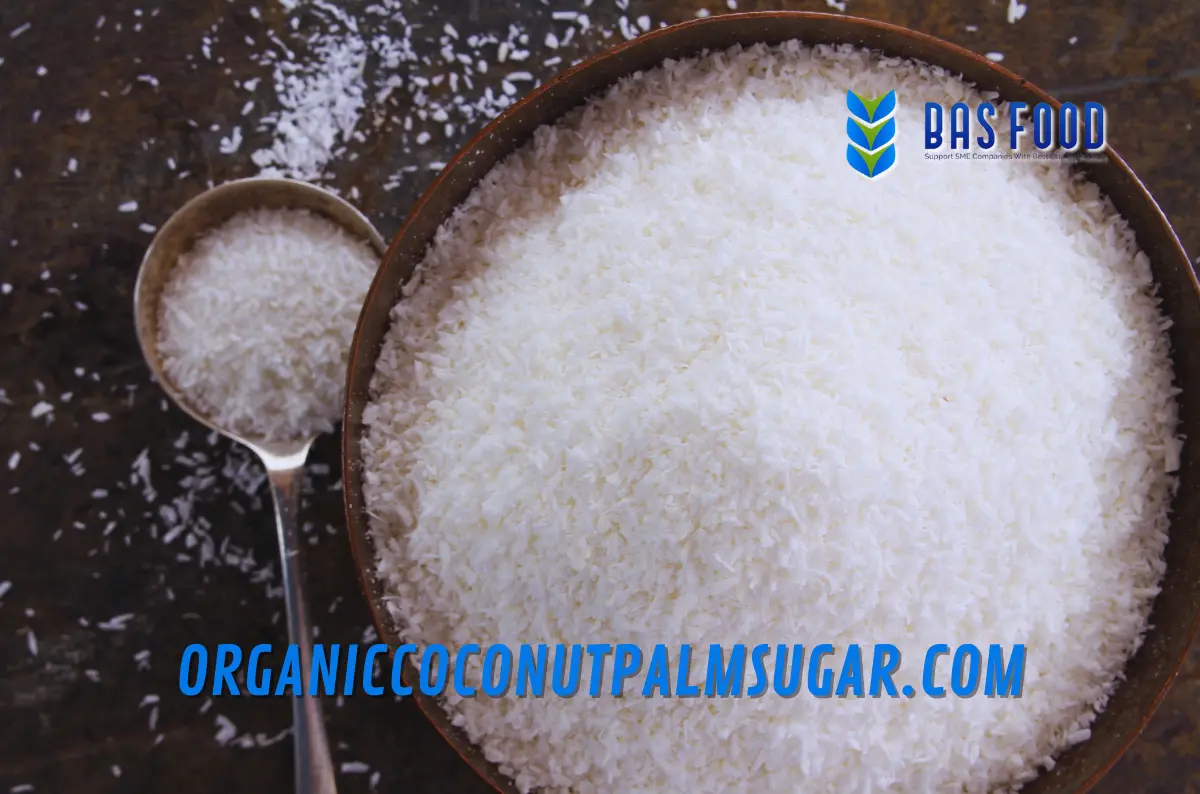
Why Choose Indonesia for Desiccated Coconut?
Indonesia’s coconut industry has grown for decades thanks to its tropical climate, fertile soil, and long-standing tradition of coconut cultivation. As a result, the country has developed a reliable system for processing and exporting coconut derivatives, especially desiccated coconut.
Furthermore, Indonesian factories follow international food standards such as HACCP, ISO, Halal, and Organic certifications. These certifications help importers feel confident that the products they receive meet global quality expectations. Many suppliers also offer multiple grades, including fine, medium, and extra-fine desiccated coconut, which makes the sourcing process more flexible.
The country’s geographic advantage also ensures smooth shipping routes. Its major export ports are well connected to Asia, the Middle East, Europe, and North America. This makes importing desiccated coconut from Indonesia faster compared to sourcing from regions with limited port access.
Understanding the Coconut Export Process from Indonesia
When you plan to import desiccated coconut from Indonesia, it helps to understand how the export system works from the Indonesian side. The coconut export process is structured and straightforward, but it requires attention to detail.
First, suppliers prepare production batches based on international standards. This includes raw coconut selection, shredding, drying, testing for moisture levels, and packaging in food-grade bags. Before shipping, export-ready products must pass laboratory checks to verify fat content, moisture content, microbiological quality, and hygiene standards.
After quality approval, the exporter arranges documents such as the Commercial Invoice, Bill of Lading, Packing List, Certificate of Origin, and Health Certificate. These documents are required at customs in both Indonesia and your destination country. When working with reliable exporters, this process runs smoothly because they understand what each destination requires.
How to Choose Reliable Indonesian Coconut Suppliers
Your sourcing success largely depends on the supplier you choose. A good exporter not only ships high-quality coconut products but also guides you through compliance, documentation, and logistics.
Start by evaluating suppliers based on certification, production capacity, and industry experience. Trusted suppliers will provide certificates like HACCP, ISO, Halal, or Organic to ensure their processes meet global standards. They also offer product specifications that match your requirements, such as fine grade or medium grade desiccated coconut.
Additionally, choose suppliers with strong communication skills and transparent procedures. For example, CV Bonafide Anugerah Sentosa has built a solid reputation as a supplier and producer of coconut products, spices, and fishery goods for international buyers. Their team assists importers from sample request to shipment, ensuring clarity at every stage. Suppliers like this reduce your risk of delays or misunderstandings.
Shipping and Documentation Requirements
When you import desiccated coconut from Indonesia, smooth shipping depends on complete and accurate documents. Customs authorities in both countries check these documents before clearing your cargo.
Some of the most important documents include:
- Commercial Invoice showing product type, quantity, and price
- Packing List detailing bag or carton weight
- Bill of Lading issued by the shipping line
- Certificate of Origin (Form E, Form A, or specific country formats)
- Health Certificate issued by Indonesian authorities
- Phytosanitary Certificate, when required
It’s also important to choose the right shipping method. Most importers use 20-foot or 40-foot containers for larger quantities, while trial orders may ship via LCL. Your supplier will help guide container loading so the product stays secure and moisture-free during transit.
Ensuring Compliance in Your Destination Country
Every importing country has its own food safety regulations. To avoid customs delays, you need to ensure that your shipment meets your country’s requirements before it leaves Indonesia.
Some countries require additional inspections or specific labeling standards such as allergen warnings, fat content information, or production traceability. Communicate these requirements early to your exporter so they can prepare the correct labels and documents.
In many cases, importers also request third-party lab tests. Indonesian coconut processors can provide extra product analysis on request. Working closely with dependable exporters helps ensure that all compliance steps are handled properly.
Working with CV Bonafide Anugerah Sentosa for Smooth Imports
If you want a stress-free importing experience, partnering with an experienced supplier makes all the difference. CV Bonafide Anugerah Sentosa is known internationally as a reliable exporter of desiccated coconut, coconut sugar, spices, fishery products, and coffee.
They offer high-quality desiccated coconut in fine, medium, and coarse grades. Their products are processed under strict food safety systems and tested before shipment. Beyond that, they help buyers handle shipping schedules, documentation, and export requirements so that your cargo arrives smoothly.
Bonafide’s strong network in Indonesia’s coconut industry ensures consistent supply, competitive pricing, and stable production capacity. For importers seeking long-term cooperation, this makes the partnership even more valuable.
Tips for First-Time Importers
If you’re importing for the first time, a few practical tips go a long way. Start with a sample order so you can test product quality and packaging. This helps you match your needs to the right grade of desiccated coconut.
After evaluating samples, place a trial order with clear product specifications such as fat level, moisture content, color, and texture. Make sure you communicate your country’s regulations early to avoid mistakes in labeling or paperwork.
Finally, maintain open communication with the exporter throughout production, loading, and shipping. It’s also wise to insure your shipment to protect against unexpected damage. Taking these steps gives you a smooth import experience even when dealing with large volumes.
Conclusion: Importing from Indonesia Can Be Easier Than You Think
When you understand the process, choosing to import desiccated coconut from Indonesia becomes a strategic and efficient move. With the right exporter, proper documentation, and clear communication, importing can be smooth and stress-free.
Indonesia’s strong coconut industry, modern processing facilities, and supportive export system give importers worldwide a reliable source for high-quality coconut products. And with trusted suppliers like CV Bonafide Anugerah Sentosa, you get more than a product — you get a long-term partner who ensures consistency and compliance.
Whether you’re a wholesaler, a food manufacturer, or a distributor, Indonesian desiccated coconut offers quality, value, and efficiency that are hard to match.
Contact CV Bonafide Anugerah Sentosa how we can provide the best solutions for you. WhatsApp: +62 8213 4505 737, Email: info@bonafideanugerahsentosa.com / bas.mdir@gmail.com.