The global demand for specialty food ingredients continues to grow as consumers become more selective about the products they buy. Among the many lifestyle-based food trends, the Paleo diet has remained popular with consumers looking for foods made from simple, minimally processed ingredients. As a result, many food manufacturers, retailers, and importers are asking an important question: Is coconut sugar Paleo?
The answer depends on how the Paleo diet is interpreted. Many Paleo communities and recipe developers consider coconut sugar to be an acceptable paleo diet sweetener because it is produced from the sap of coconut palm blossoms using a relatively simple evaporation process. However, some stricter interpretations of the Paleo diet recommend limiting all added sugars, including coconut sugar. Because opinions differ, businesses should avoid making universal claims that coconut sugar is accepted by every Paleo consumer.
Despite these varying viewpoints, coconut sugar has become a common ingredient in many Paleo-inspired food products. Its pleasant caramel flavor, plant-based origin, and versatile functionality make it attractive for bakery products, snack bars, beverages, sauces, and desserts marketed toward consumers seeking recognizable ingredients.
This guide explains the relationship between coconut sugar paleo, explores why it is frequently used as a natural paleo sugar, and provides valuable sourcing information for importers, distributors, and food manufacturers serving international markets.
What Does Coconut Sugar Paleo Mean?
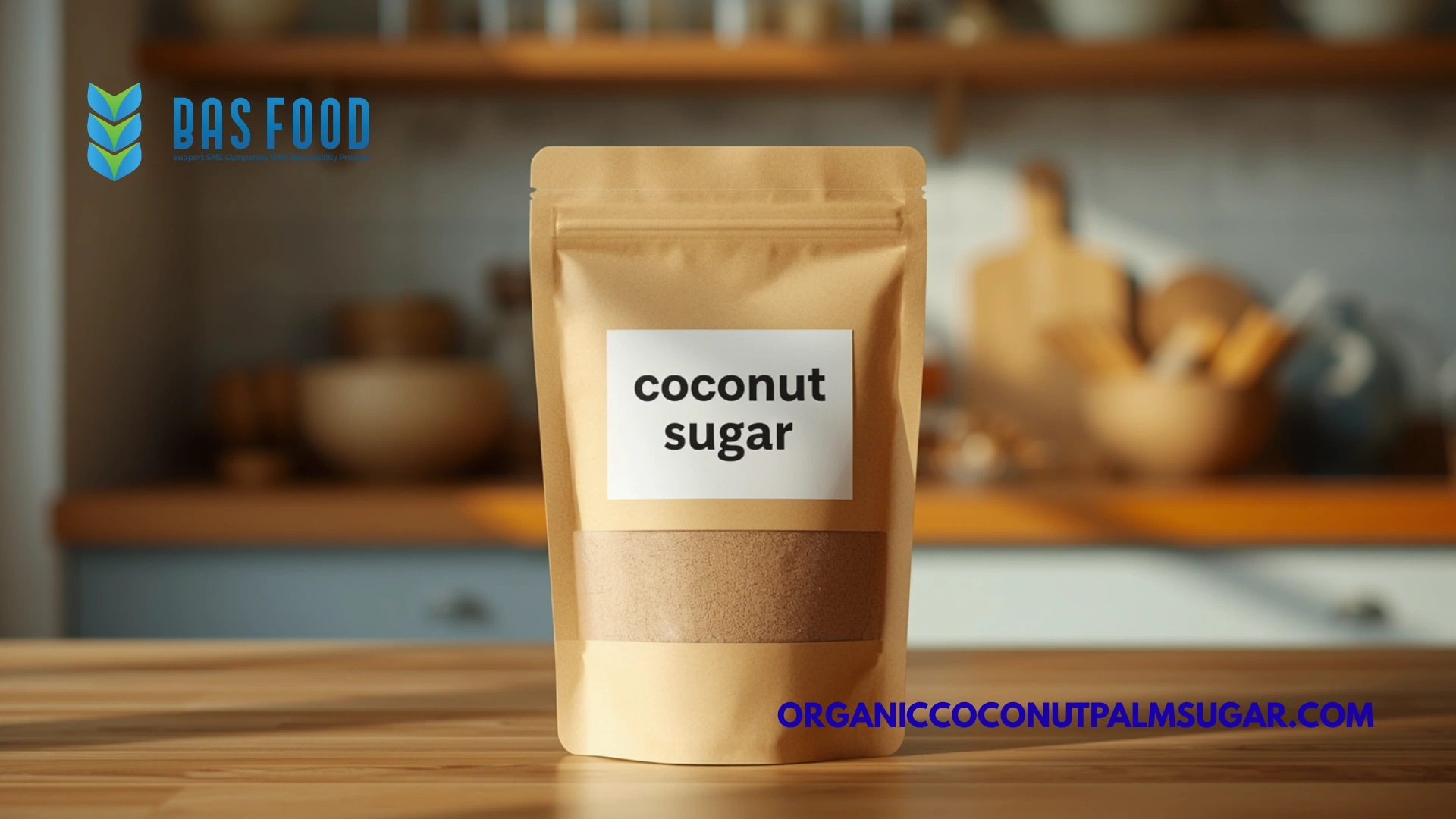
The phrase coconut sugar paleo refers to the use of coconut sugar in foods that are intended for consumers following Paleo-inspired eating patterns.
Coconut sugar is produced by collecting sap from coconut palm blossoms and gently heating it until water evaporates, leaving natural sugar crystals. The production process is relatively simple and does not involve extensive refining.
Because of its plant origin and minimal processing compared with some highly refined sweeteners, coconut sugar is often selected for Paleo recipes and product formulations.
However, it is important to recognize that the Paleo diet does not have one universally accepted standard. Different authors, nutrition professionals, and Paleo communities may have different recommendations regarding added sugars.
For this reason, manufacturers should describe coconut sugar accurately and avoid implying that it is officially approved by every Paleo organization or dietary philosophy.
Why Coconut Sugar Is Used as a Paleo Diet Sweetener
Many product developers choose coconut sugar as a paleo diet sweetener for several practical reasons.
Plant-Based Origin
Coconut sugar comes directly from coconut blossom sap, making it a naturally plant-derived ingredient.
Its straightforward origin appeals to brands emphasizing recognizable ingredients.
Minimal Processing
Compared with some highly refined sweeteners, coconut sugar follows a relatively simple production process centered on evaporation.
This characteristic aligns with many Paleo-inspired product concepts that emphasize minimally processed foods.
Rich Caramel Flavor
Coconut sugar contributes pleasant caramel notes that enhance bakery products, beverages, snacks, and desserts.
Its balanced sweetness creates a more complex flavor profile than refined white sugar.
Versatility
Manufacturers can incorporate coconut sugar into a wide range of food products without major formulation changes.
This flexibility supports innovation across many food categories.
Natural Paleo Sugar: Understanding the Appeal
The phrase natural paleo sugar is commonly used in consumer discussions, but businesses should communicate carefully.
Many consumers following Paleo-inspired lifestyles prefer ingredients that come from natural plant sources and undergo relatively simple processing.
Coconut sugar fits these preferences because it begins with coconut blossom sap and is transformed into sugar through gentle evaporation.
However, coconut sugar remains an added sugar.
Responsible food manufacturers should avoid suggesting that it can be consumed without moderation simply because it is naturally derived.
Providing balanced, factual information helps build long-term consumer trust while supporting regulatory compliance.
How Coconut Sugar Is Produced
Understanding production helps explain why coconut sugar appeals to many Paleo-oriented brands.
Harvesting Coconut Blossom Sap
Experienced farmers collect fresh sap from unopened coconut flower blossoms.
Proper harvesting techniques help preserve sap quality.
Filtration
Fresh sap is filtered to remove natural impurities before cooking.
Gentle Evaporation
The sap is heated gradually to evaporate water while concentrating naturally occurring sugars.
Crystallization
As moisture continues evaporating, the syrup crystallizes into coconut sugar.
Manufacturers may produce powder, granules, blocks, or liquid forms depending on customer requirements.
The relatively simple production process contributes to coconut sugar’s popularity among brands seeking minimally processed ingredients.
Food Applications for Coconut Sugar in Paleo-Inspired Products
Coconut sugar is widely used in products marketed toward consumers interested in Paleo-style eating.
Bakery Products
Cookies, cakes, muffins, brownies, and breads often include coconut sugar because of its pleasant caramel flavor.
Snack Bars
Many manufacturers use coconut sugar in granola-style products, fruit bars, and energy snacks.
Beverages
Coffee drinks, tea products, smoothies, flavored beverages, and nutritional drinks also incorporate coconut sugar.
Sauces and Condiments
Barbecue sauces, marinades, dressings, and cooking sauces benefit from coconut sugar’s balanced sweetness.
Desserts
Frozen desserts, chocolate products, and premium confectionery frequently use coconut sugar to create richer flavor profiles.
Why Importers Choose Coconut Sugar
International buyers continue sourcing coconut sugar because it serves multiple food industries.
Manufacturers appreciate its versatile functionality, while retailers value growing consumer awareness of naturally sourced ingredients.
Importers also recognize opportunities to supply brands developing specialty food products, including vegan, gluten-free, organic, and Paleo-inspired product lines.
Reliable sourcing supports long-term business growth while meeting evolving market demands.
Choosing the Right Coconut Sugar Supplier
Selecting a professional exporter is essential for maintaining product consistency.
Reliable suppliers provide:
- Consistent product quality
- Export-ready packaging
- Food safety documentation
- Product specifications
- Responsive communication
- Reliable production capacity
- Flexible packaging options
Importers should also request laboratory analysis, production information, and samples before placing large orders.
Long-term partnerships with experienced exporters help ensure dependable supply and consistent product performance.
Marketing Coconut Sugar Responsibly
Because Paleo interpretations differ, businesses should communicate carefully when promoting coconut sugar.
Rather than claiming coconut sugar is universally approved for every Paleo diet, brands should focus on factual product characteristics such as:
- Plant-derived origin
- Coconut blossom sap source
- Relatively simple production process
- Rich caramel flavor
- Versatile food applications
This balanced approach helps companies build credibility while complying with marketing regulations.
Responsible communication also strengthens consumer trust over time.
Common Misunderstandings About Coconut Sugar Paleo
One common misconception is that all Paleo experts completely agree on coconut sugar.
In reality, opinions vary.
Some Paleo communities include coconut sugar in recipes, while others recommend limiting all added sugars.
Another misunderstanding is that coconut sugar is produced from coconut fruit.
Actually, it is made from the sap of coconut flower blossoms.
Some consumers also assume natural sugars can be consumed without moderation.
Like other added sweeteners, coconut sugar should be enjoyed as part of a balanced diet.
Frequently Asked Questions
Is coconut sugar Paleo?
Many Paleo recipe developers and food brands consider coconut sugar compatible with Paleo-inspired products, although opinions differ within the Paleo community.
Why is coconut sugar used as a paleo diet sweetener?
Its plant origin, relatively simple production process, pleasant caramel flavor, and versatility make it popular in Paleo-inspired food products.
Is coconut sugar a natural paleo sugar?
Many consumers view coconut sugar as a natural paleo sugar because it comes from coconut blossom sap. However, it remains an added sugar and should be consumed in moderation.
What products use coconut sugar?
Bakery products, snack bars, beverages, sauces, desserts, and confectionery commonly include coconut sugar.
Why do importers source coconut sugar?
Importers value its growing international demand, versatile applications, and suitability for a variety of specialty food markets.
Conclusion
Understanding coconut sugar paleo helps importers, food manufacturers, and distributors develop products that meet the evolving needs of today’s specialty food markets. Because coconut sugar is produced from coconut blossom sap using a relatively simple evaporation process, many brands and recipe developers use it as a paleo diet sweetener in a wide range of food applications.
Although there is no universal agreement within the Paleo community regarding added sugars, coconut sugar is widely recognized for its plant-derived origin, pleasant caramel flavor, and versatility. Businesses should communicate these characteristics accurately while avoiding claims that it is accepted by every Paleo philosophy.
For companies seeking a dependable natural paleo sugar ingredient, working with an experienced exporter ensures consistent quality, reliable documentation, export-ready packaging, and dependable supply. As demand for naturally sourced ingredients continues to grow worldwide, coconut sugar remains a valuable option for manufacturers creating innovative products for modern consumers.