As consumers become more interested in natural food ingredients, questions about sugar composition have become increasingly common. Food manufacturers, importers, and health-conscious consumers want to understand not only where sweeteners come from but also what they contain. One of the most frequently searched topics today is coconut sugar fructose.
Coconut sugar has gained worldwide popularity because it is produced from the sap of coconut palm blossoms and offers a pleasant caramel flavor. It is widely used in bakery products, beverages, confectionery, sauces, dairy products, and premium food ingredients. However, many buyers want to know how fructose in coconut sugar compares with other sweeteners and what this means for product formulation.
Understanding the natural sugar composition of coconut sugar is important for businesses that develop food products, prepare nutritional information, and communicate responsibly with consumers. Accurate information also helps importers answer customer questions while complying with food labeling regulations in international markets.
This comprehensive guide explains the relationship between coconut sugar fructose, explores its natural sugar profile, discusses production methods, and provides practical sourcing information for global food manufacturers and importers.
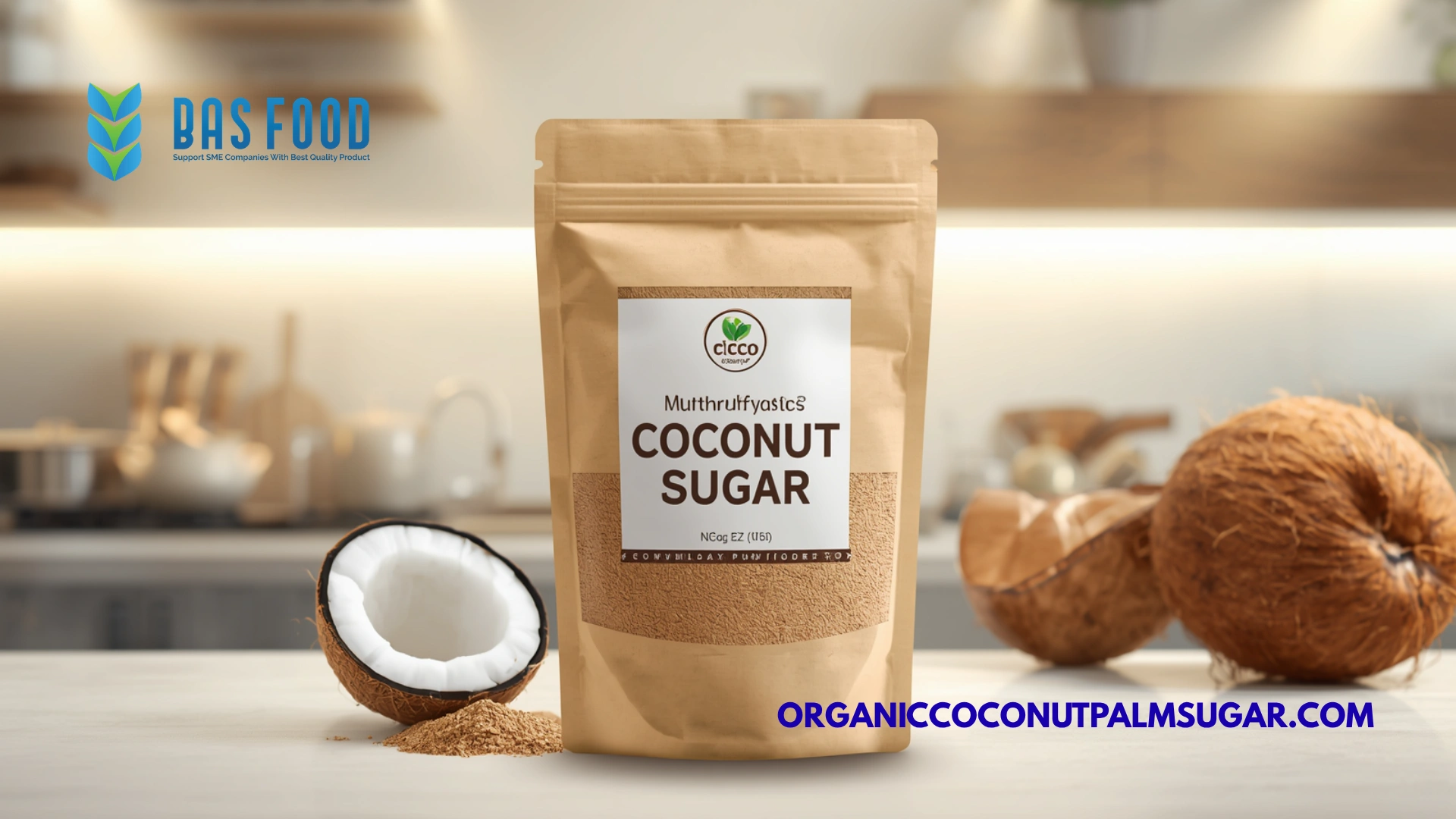
What Is Coconut Sugar?
Before discussing coconut sugar fructose, it is helpful to understand how coconut sugar is produced.
Coconut sugar comes from the fresh sap collected from the blossoms of coconut palm trees. Farmers carefully tap the flower stalks and collect the naturally sweet sap before it begins to ferment.
The fresh sap is then filtered and gently heated to evaporate water. As the moisture decreases, the liquid gradually thickens and crystallizes into coconut sugar.
Because the production process is relatively simple and begins with a plant-derived raw material, coconut sugar has become a popular ingredient among manufacturers looking for naturally sourced sweeteners.
Understanding Coconut Sugar Fructose
Many consumers assume coconut sugar is made entirely of one type of sugar. In reality, the composition is more complex.
Coconut sugar fructose refers to the naturally occurring fructose that forms part of coconut sugar’s overall carbohydrate profile.
Like many natural sweeteners, coconut sugar contains a mixture of naturally occurring sugars rather than a single sugar type.
Its composition generally includes sucrose as the primary component, along with smaller amounts of glucose and fructose in coconut sugar. The exact proportions can vary depending on factors such as palm variety, harvesting practices, climate, and processing methods.
Understanding this natural variation helps manufacturers formulate products more accurately while communicating responsibly with consumers.
Natural Sugar Composition of Coconut Sugar
The natural sugar composition of coconut sugar develops naturally from coconut blossom sap.
Unlike highly refined sweeteners that undergo extensive industrial processing, coconut sugar retains the sugars that naturally occur in the collected sap.
The primary components typically include:
- Sucrose
- Glucose
- Fructose
Together, these sugars contribute to coconut sugar’s pleasant sweetness and distinctive caramel flavor.
Because the exact sugar profile varies naturally, manufacturers should rely on laboratory analysis when preparing nutritional labels or product specifications.
Professional exporters often provide certificates of analysis upon request to support accurate product documentation.
How Fructose Influences Coconut Sugar
Although fructose in coconut sugar is only one part of its overall composition, it contributes to several product characteristics.
Sweetness
Fructose naturally contributes sweetness to the finished product.
Flavor Development
The combination of naturally occurring sugars helps create coconut sugar’s rich caramel flavor during heating.
Product Performance
The natural sugar mixture influences baking performance, browning, moisture retention, and texture in finished food products.
Food manufacturers consider these characteristics when selecting ingredients for different product applications.
Coconut Sugar Compared with Other Sweeteners
Many buyers compare coconut sugar with other commonly used sweeteners.
Although every sweetener has unique characteristics, coconut sugar stands out because of its production method and flavor profile.
Coconut sugar is made from fresh coconut blossom sap, setting it apart from refined white sugar. It also differs from artificial sweeteners because its sweetness comes from naturally occurring sugars. Another advantage is its versatility, as coconut sugar is widely available in granulated, powdered, block, syrup, and liquid forms for a variety of food and beverage applications.
These characteristics make it suitable for many commercial food applications.
Food Applications for Coconut Sugar
The balanced sweetness created by its natural sugar composition makes coconut sugar highly versatile.
Bakery Products
Cookies, breads, muffins, cakes, brownies, and pastries commonly use coconut sugar.
Its caramel flavor enhances finished products while supporting attractive browning.
Beverages
Coffee, tea, smoothies, flavored drinks, and nutritional beverages benefit from coconut sugar’s balanced sweetness.
Sauces and Condiments
Barbecue sauces, marinades, dressings, and seasoning blends often include coconut sugar.
Dairy Products
Ice cream, yogurt, frozen desserts, and flavored dairy products frequently use coconut sugar.
Confectionery
Chocolate, candies, dessert fillings, and gourmet sweets also benefit from coconut sugar’s flavor profile.
Responsible Communication About Coconut Sugar
Food businesses should communicate carefully when discussing coconut sugar fructose.
Although coconut sugar contains naturally occurring fructose, it remains an added sugar.
Manufacturers should avoid suggesting that coconut sugar is free from carbohydrates or contains only fructose.
Similarly, businesses should avoid unsupported health claims regarding its sugar composition.
Providing balanced, factual information helps companies maintain regulatory compliance while strengthening consumer trust.
Transparency remains one of the most valuable assets in today’s food industry.
Choosing a Reliable Coconut Sugar Supplier
Reliable sourcing begins with selecting an experienced exporter.
Professional suppliers provide:
- Consistent product quality
- Product specifications
- Certificates of analysis
- Food safety documentation
- Export-ready packaging
- Laboratory support
- Responsive communication
Importers should also evaluate production capacity, quality systems, and export experience before establishing long-term partnerships.
Working with dependable suppliers reduces sourcing risks while improving customer satisfaction.
Common Misunderstandings About Coconut Sugar Fructose
Several misconceptions continue circulating about coconut sugar.
One common misunderstanding is that coconut sugar contains only fructose.
Actually, coconut sugar contains a mixture of naturally occurring sugars.
Another misconception is that all coconut sugar has identical sugar composition.
In reality, the natural sugar composition varies depending on harvesting conditions, coconut varieties, environmental factors, and manufacturing practices.
Some consumers also assume naturally occurring sugars eliminate the need for moderation.
Like other added sweeteners, coconut sugar should be consumed responsibly as part of a balanced diet.
Frequently Asked Questions
What is coconut sugar fructose?
Coconut sugar fructose refers to the naturally occurring fructose present within coconut sugar’s overall sugar composition.
Does coconut sugar contain only fructose?
No. Coconut sugar generally contains a mixture of sucrose, glucose, and fructose.
Why does fructose matter?
Fructose contributes to sweetness and helps shape the product’s overall flavor profile.
What is the natural sugar composition of coconut sugar?
Its composition typically includes naturally occurring sucrose, glucose, and fructose, although proportions may vary.
Why should importers understand sugar composition?
Understanding sugar composition supports accurate labeling, product development, customer communication, and regulatory compliance.
Conclusion
Understanding coconut sugar fructose helps food manufacturers, importers, and distributors communicate more accurately about one of today’s most popular natural sweeteners. Rather than containing only one type of sugar, coconut sugar features a balanced natural sugar composition that typically includes sucrose together with naturally occurring glucose and fructose in coconut sugar.
This unique composition contributes to coconut sugar’s pleasant sweetness, rich caramel flavor, and versatility across bakery products, beverages, sauces, confectionery, dairy products, and many other commercial food applications. At the same time, businesses should present factual information without making unsupported nutritional or health claims.
For companies sourcing premium coconut sugar, partnering with an experienced exporter provides access to consistent quality, reliable documentation, laboratory support, and export-ready packaging. As global demand for naturally sourced ingredients continues growing, understanding coconut sugar’s composition helps businesses make informed sourcing decisions while building lasting customer trust.