Organic coconut flour, especially allergen free coconut flour, is one of the fastest-growing ingredients in clean-label manufacturing. The demand comes from brands looking for allergen-friendly, plant-based, and minimally processed ingredients to serve a global audience. Because coconut flour checks all these boxes, it has become a preferred choice for food and beverage formulators across Europe, the United States, Africa, and Asia. Its natural profile makes it a reliable solution for modern product innovation.
As global markets adopt transparent labeling standards, the role of coconut flour becomes even more essential. It offers a simple, recognizable name on ingredient lists, yet delivers impressive nutritional value. Beyond that, it serves as a flexible base for snacks, bakery lines, and ready-to-eat formulas. Importers appreciate how it elevates product positioning while supporting consumer expectations for clean ingredients.
CV Bonafide Anugerah Sentosa, a trusted producer and supplier of coconut products, spices, and fishery commodities from Indonesia, has been supplying organic coconut flour to worldwide manufacturers. Their focus on consistent quality and export-ready specifications makes them a preferred partner for buyers seeking stable supply chains.
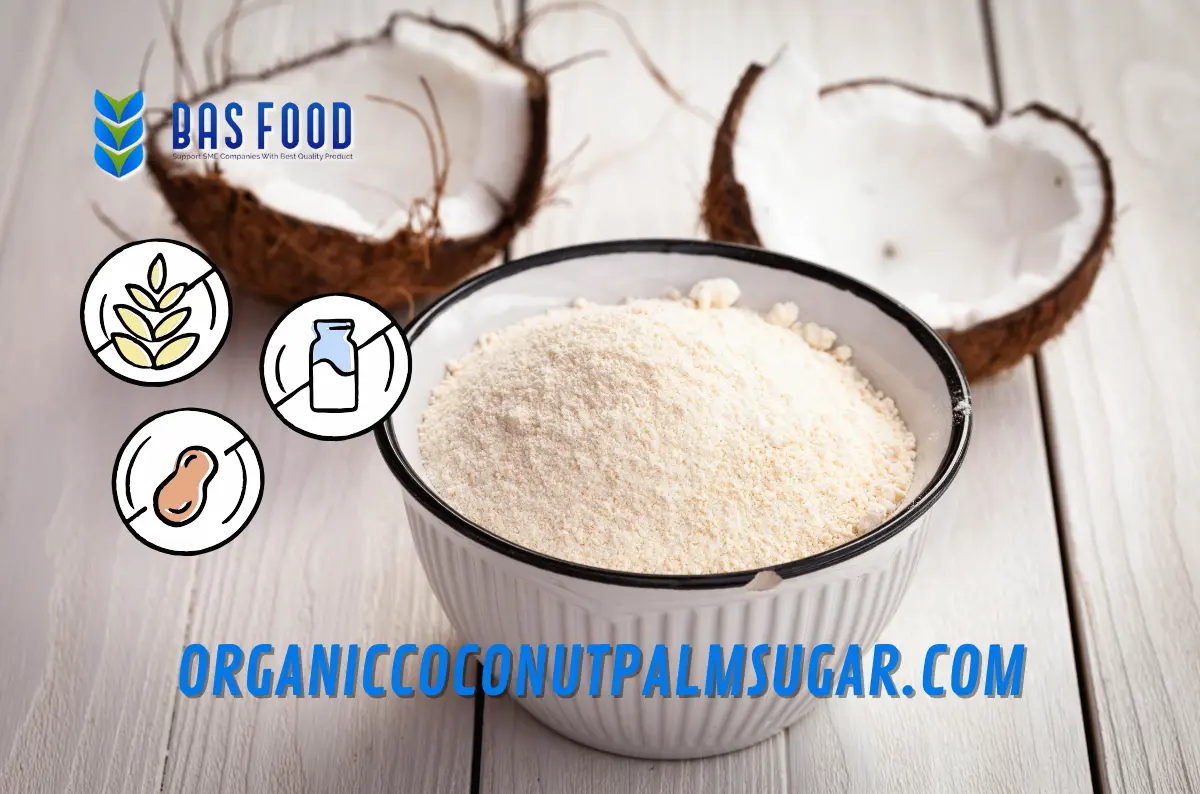
Why Allergen-Free Ingredients Matter in Today’s Global Market
Food producers face increasing pressure to reduce allergens in their formulations. Many consumers experience reactions to wheat, soy, nuts, and dairy. This shift encourages manufacturers to look for alternatives that eliminate risks and simplify regulatory compliance. Organic coconut flour answers these needs, helping formulators build allergen-conscious product lines.
Furthermore, an allergen-free ingredient provides a competitive advantage when entering markets with strict regulations. For example, many regions require clear disclosures for top allergens. With allergen free coconut flour, producers can remove several major risks from their ingredient list. This reduces reformulation challenges and minimizes the potential for cross-contamination during production.
Clean-Label Formulation and the Role of Coconut Flour
Clean-label products continue to dominate store shelves worldwide. Consumers want simple ingredients they can recognize and trust. Organic coconut flour works naturally in this direction because it undergoes minimal processing and does not need chemical additives. Its single-ingredient nature makes it ideal for brands aiming to meet clean-label expectations.
In fact, the rise of plant-based food trends has strengthened the need for authentic, unprocessed flour alternatives. Coconut flour aligns with these trends by offering a nutrient-rich, fiber-dense option that supports guilt-free snacking. When producers combine it with real fruit, seeds, or natural sweeteners, they can create healthy snacks with strong marketing appeal.
Coconut Flour as a Gluten-Free Ingredient for Export
Many global markets actively look for gluten-free ingredient export options to cater to rising levels of gluten intolerance and celiac conditions. Organic coconut flour provides a dependable base for gluten-free bakery items, pancakes, crackers, and protein bars. Manufacturers appreciate how its natural structure supports texture without relying on wheat-based binding agents.
Additionally, the international gluten-free sector continues to expand. Countries in Europe and North America maintain strict standards for gluten-free labeling, requiring reliable and verified sourcing. By choosing coconut flour from expert exporters such as CV Bonafide Anugerah Sentosa, buyers can ensure compliance with global gluten-free requirements. This helps reduce supply chain risk while strengthening brand confidence.
Plant-Based Flour Innovation for Modern Food Production
As plant-based diets continue to grow, formulators search for ingredients that offer versatility without sacrificing nutritional value. Coconut flour performs well as a plant-based flour substitute thanks to its fiber content, natural fats, and gentle flavor profile. These characteristics help manufacturers create balanced recipes for plant-powered snacks and bakery goods.
Moreover, plant-based flour alternatives expand opportunities for product diversity. Coconut flour allows brands to experiment with better-for-you snacks, high-fiber blends, and vegan reformulations. From protein balls to vegan muffins, many applications benefit from its absorbency and binding properties. This makes coconut flour a core ingredient for health-oriented brands.
Coconut Flour for Healthy Snacks and Functional Food Development
Healthy snack categories are flourishing across global markets. Consumers want products with clear nutritional benefits and minimal additives. Coconut flour for healthy snacks fits easily into this trend. Because it contains natural fiber, healthy fats, and no gluten, it helps manufacturers create satisfying treats without compromising ingredient transparency.
Its texture also works well in functional foods. When blended with plant proteins or fruit powders, coconut flour improves structure while maintaining a clean-label profile. Many companies use it to produce granola bars, keto-friendly biscuits, or high-fiber snack bites. In each case, coconut flour supports a formulation that meets the lifestyle needs of health-conscious consumers.
How Coconut Flour Strengthens Allergen-Free Product Formulation
Formulators aiming for allergen-free product lines often face challenges in balancing structure, taste, and nutritional value. Coconut flour helps solve these issues naturally. Its ability to absorb moisture enables good texture development in gluten-free and allergen-free recipes. As a result, manufacturers can produce baked goods and snacks without relying on wheat, soy, or nut-derived ingredients.
Another advantage is its mild flavor. Unlike stronger-tasting flours, coconut flour integrates smoothly with sweet and savory formulas, allowing brands to maintain their signature sensory profile. This makes it a reliable base for allergen-free product innovation across diverse categories. With supply stability from exporters such as CV Bonafide Anugerah Sentosa, manufacturers can integrate coconut flour confidently into long-term production.
Why Importers Choose Indonesian Organic Coconut Flour
Indonesia has become one of the leading suppliers of organic coconut ingredients. Importers often choose Indonesian coconut flour because of the country’s strong agricultural base, consistent production quality, and international certifications. The tropical climate creates an ideal environment for coconut cultivation, ensuring a steady supply of raw materials.
Additionally, exporters like CV Bonafide Anugerah Sentosa emphasize traceability, food safety, and clean processing standards. Their export-ready product specifications appeal to importers who need reliable documentation for market entry. With growing international demand for clean-label and allergen-free products, Indonesia’s coconut flour industry continues to gain momentum.
Conclusion: Organic Coconut Flour as a Future-Focused Ingredient
As the global food industry evolves, clean-label and allergen-free formulation will continue to shape consumer preferences. Organic coconut flour offers a powerful combination of safety, nutrition, and versatility. It supports gluten-free, plant-based, and healthy snack applications while maintaining a transparent ingredient identity. This positions it as a strategic choice for brands entering competitive global markets.
For importers searching for dependable supply partners, CV Bonafide Anugerah Sentosa provides high-quality organic coconut flour backed by strong export capabilities. With consistent standards and wide expertise across coconut, spices, and fishery products, the company stands out as a trusted partner for long-term sourcing. As demand accelerates, coconut flour will remain a key ingredient in the growing clean-label and allergen-free product landscape.
Contact CV Bonafide Anugerah Sentosa how we can provide the best solutions for you. WhatsApp: +62 8213 4505 737, Email: info@bonafideanugerahsentosa.com / bas.mdir@gmail.com.