The global food industry is changing rapidly. Consumers are paying more attention to ingredient labels, product origins, and how foods are made. As a result, food manufacturers are actively searching for ingredients that offer both functionality and a more natural image. One ingredient that has gained significant attention is coconut treacle. This rich syrup, made from the sap of coconut flower blossoms, is increasingly being used in beverages, bakery products, sauces, snacks, and health-focused foods. Many brands now consider it a valuable coconut treacle alternative to sugar because it aligns with current consumer preferences for natural and minimally processed ingredients.
At the same time, interest in healthy sugar substitutes continues to grow worldwide. Consumers are exploring different sweetening options, while food companies are developing products that support clean-label trends and premium positioning. Coconut treacle fits perfectly into this movement because it provides sweetness, flavor, and a compelling product story.
For importers, distributors, and food manufacturers, understanding the benefits and applications of coconut treacle can help unlock new product opportunities. This guide explores why coconut treacle is becoming an attractive alternative to traditional sugar and how businesses can benefit from incorporating it into their product portfolios.
What Is Coconut Treacle?
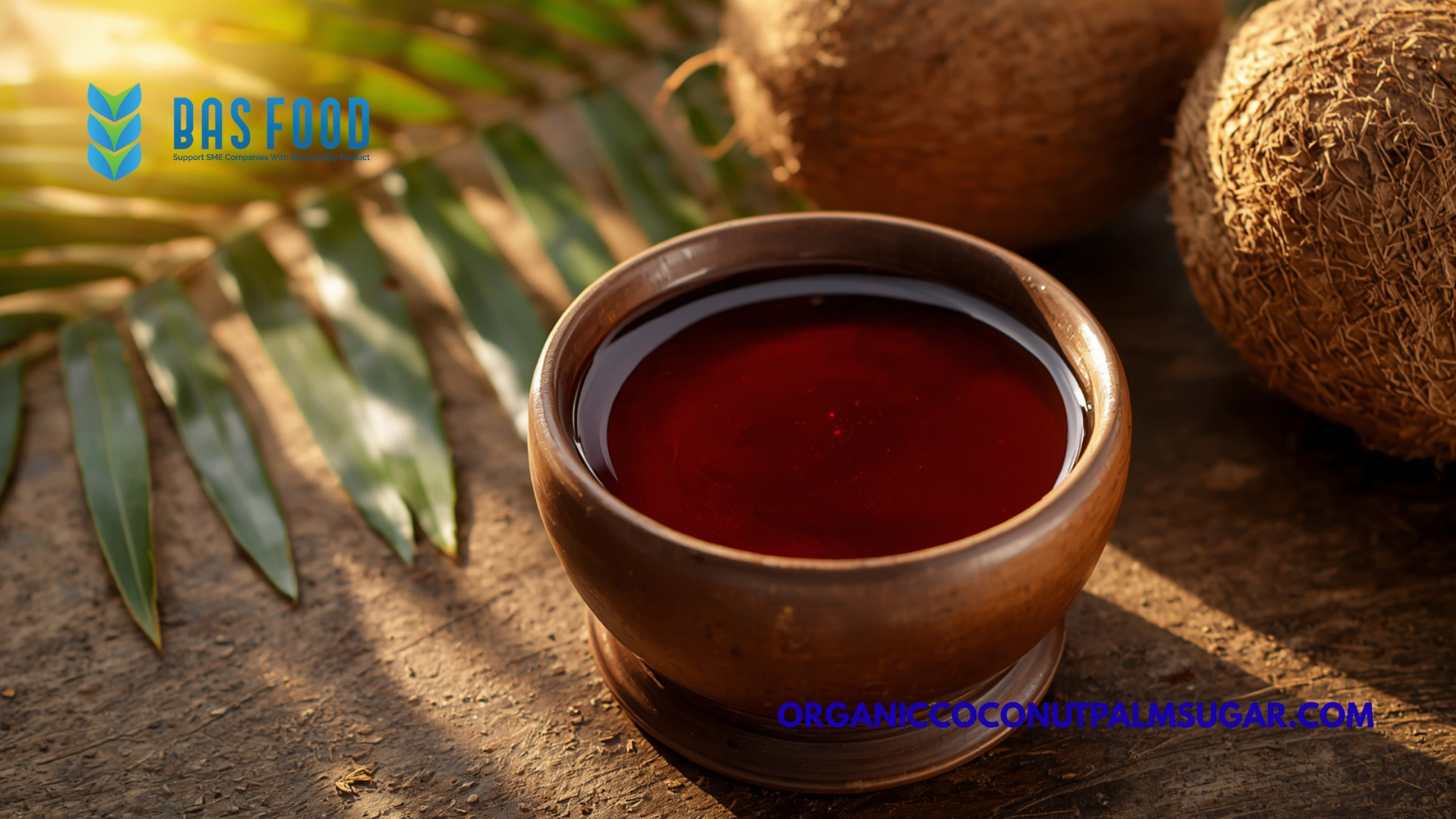
Coconut treacle is a natural syrup produced from the sap collected from coconut flower blossoms.
Before coconut flowers mature into coconuts, they produce a sweet sap. Farmers carefully harvest this sap using traditional tapping techniques that have been practiced for generations throughout coconut-producing regions.
After collection, the sap is filtered and slowly heated to remove excess moisture. This process creates a thick syrup with a smooth texture and rich caramel-like flavor.
Unlike highly refined sweeteners, coconut treacle undergoes relatively simple processing. Because of this, many manufacturers view it as a natural ingredient suitable for clean-label food products.
Its unique flavor and versatility have made it increasingly popular among food companies looking for innovative sweetening solutions.
Why Consumers Are Looking Beyond Traditional Sugar
Consumer attitudes toward sweeteners have evolved dramatically over the past decade.
People are no longer focused solely on sweetness. Instead, they want ingredients that offer transparency, authenticity, and a natural origin.
Several factors are contributing to this shift.
Growing Interest in Natural Ingredients
Modern consumers often prefer ingredients that come directly from recognizable agricultural sources.
Ingredients such as coconut treacle provide a simple and easy-to-understand origin story.
Clean Label Preferences
Consumers increasingly read ingredient labels before making purchasing decisions.
Products made with natural sweeteners often appeal to shoppers looking for cleaner formulations.
Premium Product Demand
Premium food categories continue growing worldwide.
Specialty sweeteners help brands create unique products that stand out in crowded markets.
These factors have encouraged manufacturers to explore alternatives to conventional sugar sources.
Coconut Treacle Alternative to Sugar: What Makes It Different?
Many sweeteners can provide sweetness, but coconut treacle offers several unique characteristics.
This is one reason why it is becoming a preferred coconut treacle alternative to sugar in many food applications.
Rich Flavor Profile
Refined sugar primarily contributes sweetness.
Coconut treacle, however, delivers sweetness combined with subtle caramel and toffee-like notes.
This additional flavor can enhance the overall sensory experience of food products.
Natural Origin
Coconut treacle comes directly from coconut blossom sap.
Its agricultural origin appeals to consumers seeking natural ingredients.
Minimal Processing
Compared to highly refined sweeteners, coconut treacle generally undergoes fewer processing steps.
This characteristic aligns well with clean-label product development.
Versatility
Manufacturers can use coconut treacle across a wide range of applications.
Its flexibility makes it valuable for product innovation.
These qualities help explain why coconut treacle continues gaining popularity among food brands worldwide.
How Coconut Treacle Fits into Healthy Sugar Substitutes Trends
The market for healthy sugar substitutes continues expanding across multiple regions.
Consumers increasingly want alternatives that support modern lifestyle preferences and clean-label expectations.
Coconut treacle has become part of this broader movement.
Supporting Product Differentiation
Food brands often use alternative sweeteners to distinguish products from competitors.
Coconut treacle offers a unique ingredient story that supports premium positioning.
Consumer Perception
Many shoppers associate coconut-derived products with natural and tropical origins.
This perception can strengthen marketing efforts and enhance product appeal.
Premium Ingredient Appeal
Specialty ingredients often attract consumers seeking new food experiences.
Coconut treacle’s flavor and origin make it an attractive option for premium product development.
As a result, manufacturers increasingly incorporate coconut treacle into innovative product formulations.
Applications of Coconut Treacle Across Food Industries
One reason for the growing popularity of coconut treacle is its versatility.
Manufacturers can use it in numerous food and beverage categories.
Bakery Products
Coconut treacle performs exceptionally well in bakery applications.
Common uses include:
- Cakes
- Cookies
- Muffins
- Brownies
- Bread products
Its caramel notes add depth and complexity to finished products.
Additionally, its liquid consistency can contribute to texture and moisture retention.
Beverage Manufacturing
The beverage sector offers significant opportunities.
Manufacturers incorporate coconut treacle into:
- Coffee beverages
- Tea drinks
- Smoothies
- Functional beverages
- Plant-based drinks
Its syrup form makes blending simple and efficient.
Sauces and Condiments
Coconut treacle works well in:
- Marinades
- Glazes
- Barbecue sauces
- Gourmet condiments
Its flavor profile complements both sweet and savory formulations.
Snack Foods
Snack manufacturers increasingly use coconut treacle in:
- Granola bars
- Protein bars
- Energy snacks
- Healthy snack products
These applications continue growing alongside demand for natural ingredients.
Why Food Manufacturers Prefer Coconut Treacle
Manufacturers evaluate ingredients based on multiple factors.
Beyond sweetness, they consider functionality, sourcing reliability, consumer appeal, and production efficiency.
Coconut treacle performs well in all these areas.
Consistent Functionality
Reliable suppliers provide coconut treacle with consistent specifications.
This consistency supports predictable manufacturing outcomes.
Product Innovation Opportunities
Unique ingredients allow brands to create differentiated products.
Coconut treacle helps manufacturers develop offerings that stand apart from traditional formulations.
Strong Consumer Appeal
Consumers increasingly seek products containing recognizable ingredients.
Coconut treacle supports this demand while enhancing brand storytelling.
Compatibility with Premium Brands
Premium food products often rely on specialty ingredients.
Coconut treacle fits naturally within this market segment.
These advantages contribute to its growing use across global food industries.
Sustainability Adds Additional Market Value
Sustainability has become an important consideration for many buyers.
Consumers increasingly support products made with responsibly sourced ingredients.
Fortunately, coconut treacle production aligns well with sustainability goals.
Farmers collect sap from coconut flower blossoms without harming the trees.
The trees continue producing flowers, coconuts, and sap for many years.
This renewable production system supports long-term agricultural productivity.
Additionally, coconut treacle production contributes to rural livelihoods in coconut-growing regions.
These environmental and social benefits further enhance the market appeal of coconut treacle.
Why Indonesia Leads Global Coconut Treacle Production
Indonesia is one of the world’s largest coconut-producing countries.
Its tropical climate provides ideal growing conditions throughout the year.
Millions of coconut trees support extensive farming and processing networks.
This abundant raw material supply helps ensure reliable coconut treacle production.
Indonesian producers also benefit from generations of expertise in coconut cultivation and sap harvesting.
Many companies combine traditional knowledge with modern quality management systems to meet international market requirements.
As a result, Indonesia has become a preferred sourcing destination for coconut-derived ingredients.
How to Choose the Right Coconut Treacle Supplier
Selecting the right supplier is critical for long-term success.
Food manufacturers should evaluate several important factors.
Product Quality
Consistent quality is essential for reliable production.
Supply Stability
Suppliers should demonstrate dependable production capacity.
Export Experience
Experienced exporters can help manage logistics and documentation efficiently.
Traceability
Transparent supply chains support buyer confidence and quality assurance.
Customer Support
Strong communication improves collaboration and long-term business relationships.
A reliable supplier becomes a strategic partner rather than simply a product vendor.
Why CV Bonafide Anugerah Sentosa Is a Trusted Coconut Treacle Supplier
CV Bonafide Anugerah Sentosa supplies premium coconut treacle sourced from Indonesia’s leading coconut-growing regions.
The company works closely with experienced farmers and processing facilities to ensure consistent quality, dependable supply, and export-ready products.
In addition to coconut treacle, CV Bonafide Anugerah Sentosa supplies coconut nectar, coconut sugar, organic coconut sugar, virgin coconut oil, coconut milk products, spices, coffee products, and fishery products.
With extensive export experience and strong sourcing networks, the company helps international buyers access high-quality Indonesian ingredients that support product innovation and business growth.
Conclusion
As consumer preferences continue evolving, food manufacturers are increasingly exploring alternatives to conventional sweeteners.
The growing demand for natural ingredients, clean-label products, and premium food experiences has created strong opportunities for coconut treacle.
Its rich flavor, natural origin, versatile functionality, and sustainability advantages make it an attractive coconut treacle alternative to sugar across numerous food and beverage applications.
At the same time, broader interest in healthy sugar substitutes continues supporting market growth worldwide.
For manufacturers, distributors, and importers seeking innovative sweetening solutions, coconut treacle represents an ingredient with significant potential for future product development and market success.