The global food industry is experiencing a significant shift. Consumers are paying closer attention to ingredient labels, sourcing practices, and the overall quality of the foods they consume. As a result, food manufacturers are actively exploring natural sweeteners that can support clean-label product development while meeting evolving consumer expectations. Among the many sweeteners available today, coconut treacle vs maple syrup is a popular comparison as they have emerged as two of the most popular natural syrup options. Both products are plant-based, minimally processed, and widely used in food manufacturing. However, despite their similarities, they differ in origin, production methods, flavor profiles, applications, and sourcing considerations.
This growing interest has led many importers and manufacturers to ask an important question: when comparing coconut treacle vs maple syrup, which sweetener is the better choice?
The answer depends on various factors, including product formulation, target markets, flavor preferences, supply chain requirements, and business objectives. In this guide, we will explore a complete natural syrup comparison to help buyers make informed sourcing decisions.
What Is Coconut Treacle?
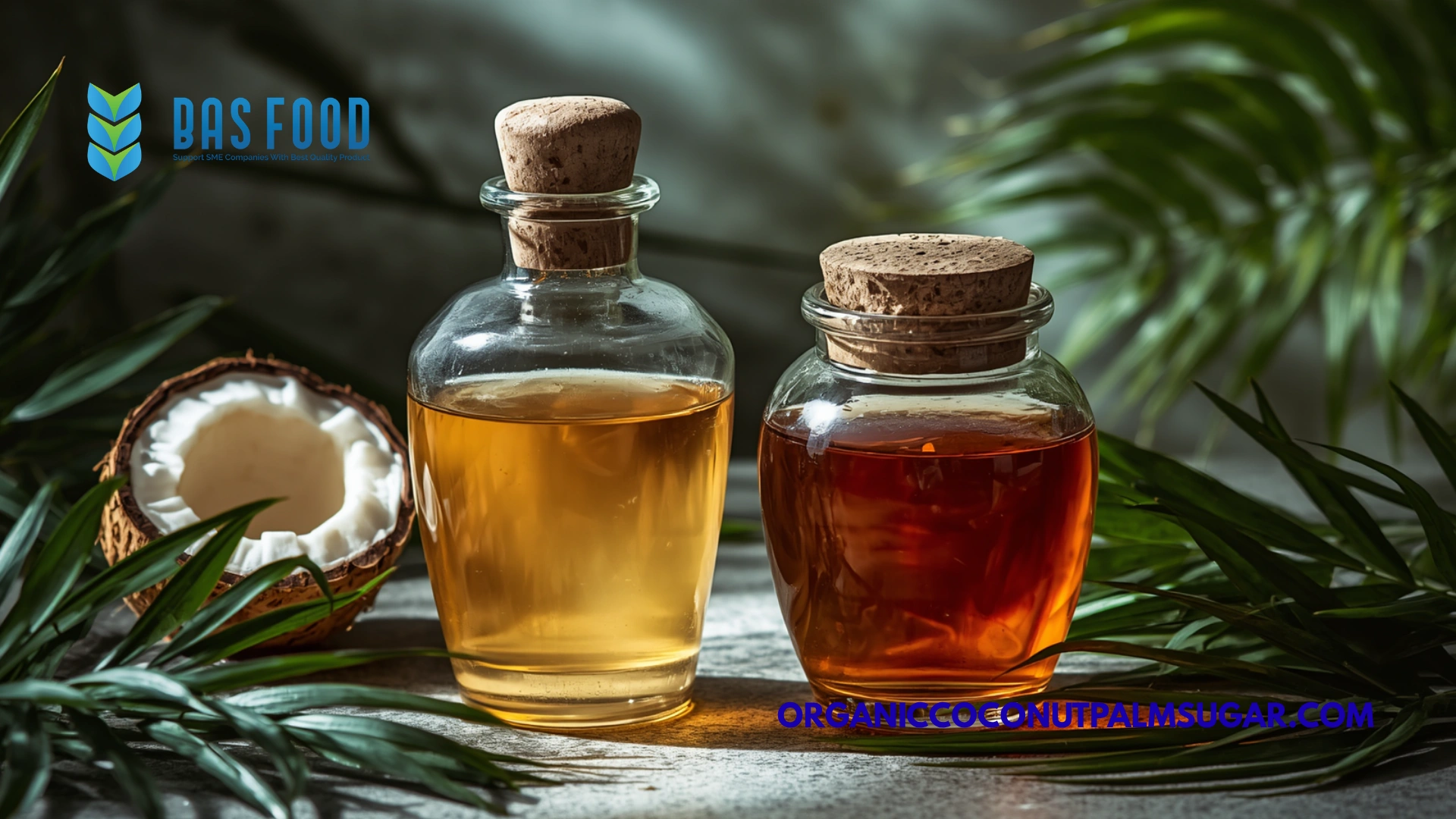
Coconut treacle is a thick syrup produced from the sap collected from coconut flower blossoms.
Before coconut flowers develop into mature fruits, they release a naturally sweet sap. Skilled farmers carefully harvest this sap and transport it to processing facilities where it undergoes filtration and controlled heating.
As moisture evaporates, the sap gradually thickens into a rich golden-brown syrup known as coconut treacle.
One of the reasons coconut treacle has gained popularity is its relatively simple production process. Unlike highly refined sweeteners, it undergoes minimal processing while retaining its distinctive flavor and texture.
Today, coconut treacle is used in beverages, bakery products, sauces, desserts, confectionery, and specialty foods throughout global markets.
Its rich flavor profile and versatility make it an attractive ingredient for manufacturers seeking premium natural sweeteners.
What Is Maple Syrup?
Maple syrup is a natural sweetener produced from the sap of maple trees.
The production process begins during specific seasons when maple trees release sap that can be collected through tapping methods. Producers gather the sap and then boil it to remove excess water.
As the sap concentrates, it develops into the amber-colored syrup widely known as maple syrup.
Maple syrup has long been associated with North American food traditions, particularly in Canada and parts of the United States.
Today, it is commonly used in breakfast foods, bakery products, beverages, sauces, and specialty food applications worldwide.
Its distinctive flavor and strong consumer recognition have helped maintain its popularity across international markets.
Coconut Treacle vs Maple Syrup: Understanding the Core Differences
At first glance, both products appear similar because they are natural liquid sweeteners.
However, several important differences become apparent when conducting a thorough natural syrup comparison.
Source Material
The primary distinction in the coconut treacle vs maple syrup discussion is the source of the raw material.
Coconut treacle comes from coconut blossom sap.
Maple syrup comes from maple tree sap.
Because these plants grow in very different climates and regions, supply chains and sourcing strategies differ significantly.
Production Environment
Coconut treacle is generally produced in tropical countries where coconut trees thrive year-round.
Maple syrup production is concentrated in temperate climates where seasonal sap flows occur.
These environmental differences can influence availability, production schedules, and sourcing flexibility.
Appearance
Both sweeteners range from golden to dark brown shades.
However, coconut treacle often has a darker appearance and thicker consistency than maple syrup.
Flavor Profile Comparison
Flavor plays a major role in ingredient selection.
Food manufacturers carefully evaluate how sweeteners affect the overall taste of finished products.
Coconut Treacle Flavor
Coconut treacle typically offers:
- Rich sweetness
- Mild caramel notes
- Toffee-like characteristics
- Subtle molasses undertones
Its complex flavor profile works particularly well in premium food applications.
Many manufacturers use coconut treacle to create distinctive products with deeper flavor dimensions.
Maple Syrup Flavor
Maple syrup is known for:
- Smooth sweetness
- Characteristic maple flavor
- Light woody notes
- Delicate caramel characteristics
Its unique flavor is highly recognizable to consumers worldwide.
The choice often depends on whether a manufacturer wants a familiar maple profile or a more tropical and caramel-like sweetness.
Production and Sustainability Considerations
Sustainability has become increasingly important in global sourcing decisions.
Both sweeteners offer renewable production systems, but they differ in several ways.
Coconut Treacle Production
Coconut trees can produce flowers continuously throughout the year in tropical regions.
Farmers harvest sap without cutting down trees, allowing long-term productivity and sustainable cultivation.
Additionally, coconut production supports millions of smallholder farmers across coconut-growing countries.
Maple Syrup Production
Maple syrup production also relies on renewable tree resources.
Producers tap trees carefully to collect sap while maintaining tree health.
However, maple sap collection is generally seasonal, depending on climate conditions and temperature fluctuations.
For businesses prioritizing year-round sourcing opportunities, coconut treacle may offer certain supply chain advantages.
Applications in Food and Beverage Manufacturing
Both sweeteners perform well across various product categories.
However, their unique characteristics influence application suitability.
Coconut Treacle Applications
Coconut treacle is frequently used in:
- Functional beverages
- Coffee products
- Tea beverages
- Plant-based foods
- Gourmet sauces
- Bakery products
- Snack foods
Its thick consistency and rich flavor make it particularly valuable in premium formulations.
Maple Syrup Applications
Maple syrup is widely used in:
- Breakfast foods
- Pancake toppings
- Waffle products
- Bakery items
- Confectionery
- Beverage products
Its strong consumer recognition can enhance product appeal in certain markets.
Manufacturers often choose based on flavor objectives and brand positioning.
Supply Chain and Global Sourcing Considerations
When comparing coconut treacle vs maple syrup, sourcing considerations are often just as important as product characteristics.
Coconut Treacle Supply Chain
Coconut treacle is primarily sourced from tropical coconut-producing countries such as Indonesia, Sri Lanka, and the Philippines.
Because coconut trees produce sap throughout much of the year, manufacturers can often access more consistent supply availability.
Maple Syrup Supply Chain
Maple syrup production is concentrated mainly in Canada and parts of the United States.
Seasonal harvesting periods can influence supply dynamics and pricing fluctuations.
For global buyers seeking diversified sourcing strategies, understanding these differences is essential.
Reliable supply chains contribute significantly to manufacturing efficiency and long-term business growth.
Market Trends Driving Demand for Natural Syrups
Consumer preferences continue shifting toward products made with natural ingredients.
This trend has increased demand for both coconut treacle and maple syrup.
Several factors contribute to market growth:
Clean Label Preferences
Consumers increasingly seek products with recognizable ingredients.
Premium Food Categories
Natural sweeteners support premium positioning and product differentiation.
Plant-Based Innovation
The growth of plant-based foods creates opportunities for naturally sourced sweeteners.
Sustainable Sourcing
Many buyers prioritize ingredients associated with responsible agricultural practices.
These trends are expected to continue supporting demand for both sweeteners in the years ahead.
Which Sweetener Is Better for Manufacturers?
The answer depends on the specific application.
Choose coconut treacle if your goals include:
- Tropical flavor profiles
- Rich caramel notes
- Premium product differentiation
- Year-round sourcing opportunities
- Innovative food development
Choose maple syrup if your goals include:
- Familiar consumer recognition
- Traditional flavor expectations
- Established market demand
- North American-inspired product concepts
In reality, many food manufacturers incorporate both sweeteners into different product lines.
This strategy allows them to maximize flexibility and appeal to a wider range of consumer preferences.
Why Indonesia Is Emerging as a Leading Source of Coconut Treacle
Indonesia is one of the world’s largest coconut-producing countries.
Its tropical climate provides ideal conditions for coconut cultivation and year-round sap production.
Millions of coconut trees support extensive farming networks throughout the country.
Indonesian producers combine traditional harvesting knowledge with modern processing technologies to produce high-quality coconut treacle suitable for export markets.
Additionally, Indonesia offers competitive production costs, strong export capabilities, and reliable raw material availability.
These advantages have positioned Indonesia as a preferred sourcing destination for coconut-based sweeteners.
Partner with a Trusted Indonesian Coconut Treacle Exporter
For importers, distributors, and food manufacturers seeking premium coconut treacle, selecting the right sourcing partner is essential.
CV Bonafide Anugerah Sentosa supplies high-quality coconut treacle and a wide range of coconut-derived products to international markets. The company works closely with trusted farming communities and processing facilities to ensure consistent quality, reliable supply, and export-ready products.
In addition to coconut treacle, CV Bonafide Anugerah Sentosa supplies coconut sugar, organic coconut sugar, coconut nectar, virgin coconut oil, coconut milk products, coffee, spices, and fishery products.
Through strong sourcing networks and export expertise, the company helps global buyers access premium Indonesian products that meet international standards.
Conclusion
The comparison of coconut treacle vs maple syrup highlights two excellent natural sweeteners that serve different purposes within the food industry.
While maple syrup offers strong consumer recognition and traditional appeal, coconut treacle provides unique flavor characteristics, tropical sourcing advantages, and growing market opportunities.
As consumer demand for natural ingredients continues to expand, both products are expected to remain important players in the evolving sweetener landscape.
For manufacturers, importers, and distributors seeking innovative ingredient solutions, conducting a careful natural syrup comparison can help identify the sweetener that best supports product development goals and long-term business success.