
The global food manufacturing industry is changing fast. Today, buyers demand healthier ingredients, clean labels, and sustainable sourcing. As a result, manufacturers are rethinking their raw materials. One ingredient that continues to gain strong attention is coconut flour. More specifically, the demand for bulk coconut flour is rising among large-scale food producers who need consistent quality, stable supply, and competitive pricing. At the same time, businesses are searching for a reliable bulk coconut flour supplier that can meet industrial standards. This is where sourcing strategy becomes critical. Choosing the right partner affects not only product quality but also long-term profitability.
In this article, we break down everything you need to know about industrial coconut flour, from production and benefits to applications and sourcing strategy. If you are part of the food manufacturing industry, this guide will help you make informed decisions.
What Is Coconut Flour and Why It Matters in Industrial Production
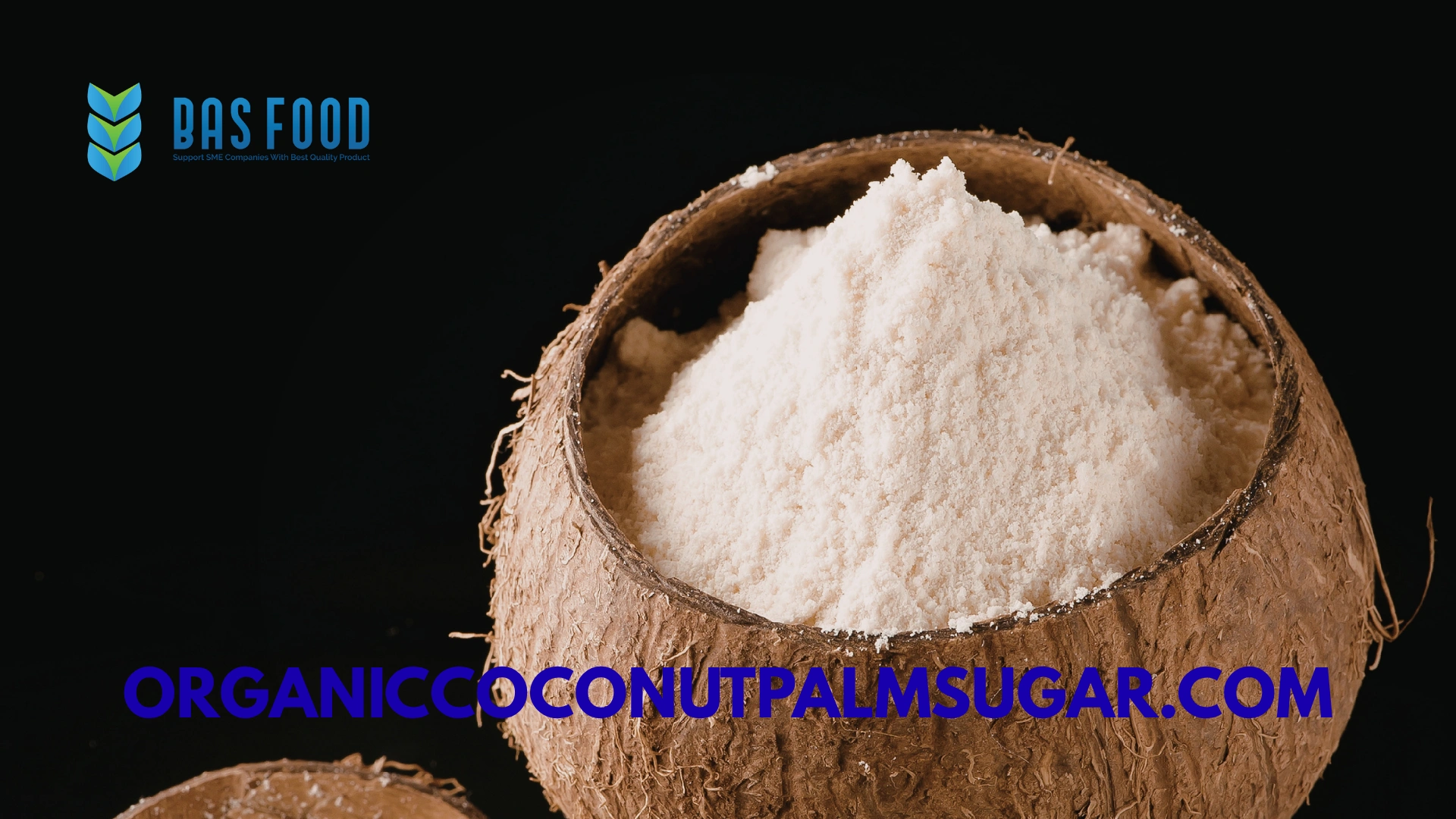
Coconut flour is a fine, powdery flour made from dried coconut meat. It is typically a byproduct of coconut milk or coconut oil production. After extracting the liquid, the remaining coconut solids are dried and ground into flour.
From an industrial perspective, this ingredient offers both nutritional and functional benefits. It is naturally gluten-free, high in fiber, and low in carbohydrates. Because of this, it fits well into current food trends such as keto, paleo, and gluten-free diets.
Moreover, industrial coconut flour has strong water absorption properties. This means manufacturers can use less flour while maintaining texture and structure in recipes. As a result, production becomes more efficient.
Another key advantage is shelf stability. Coconut flour has a relatively long shelf life when stored properly. This makes it suitable for bulk purchasing and long-distance export, which is essential for global food manufacturers.
The Rising Demand for Bulk Coconut Flour in the Food Manufacturing Industry
Over the past decade, consumer preferences have shifted toward healthier and more natural food products. This shift directly impacts ingredient sourcing. Manufacturers now prioritize ingredients that support clean labeling and functional nutrition.
Because of this trend, the demand for bulk coconut flour has increased across multiple sectors. These include bakery, snack production, plant-based food, and even pet food industries. Companies are actively searching for a reliable bulk coconut flour supplier to support their scaling needs.
In addition, regulatory pressure in regions like Europe and North America encourages the use of allergen-friendly ingredients. Coconut flour, being gluten-free and grain-free, meets these requirements. Therefore, it becomes a strategic choice for manufacturers targeting international markets.
Another factor driving demand is sustainability. Coconut-based products are often seen as more eco-friendly compared to wheat or soy-based alternatives. This perception adds value to brands that want to position themselves as environmentally responsible.
Key Applications of Industrial Coconut Flour in Food Manufacturing
The versatility of industrial coconut flour makes it suitable for a wide range of food applications. One of the most common uses is in bakery products. Manufacturers use it to produce gluten-free bread, cakes, muffins, and cookies. Its ability to absorb moisture helps create a soft and moist texture.
In addition, coconut flour is widely used in snack production. It can be found in protein bars, granola mixes, and healthy chips. Because it is rich in fiber, it enhances the nutritional profile of these products without compromising taste.
Another important application is in plant-based and vegan foods. Coconut flour works well as a binding agent in meat alternatives. It also contributes to texture and mouthfeel, which are critical factors in plant-based product development.
Furthermore, the pet food industry has started using coconut flour as a functional ingredient. It supports digestive health and adds nutritional value. This opens new opportunities for manufacturers who want to diversify their product lines.
Advantages of Working with a Bulk Coconut Flour Supplier
Choosing the right bulk coconut flour supplier is not just about price. It involves evaluating quality, consistency, certifications, and logistics capabilities. A reliable supplier ensures that every batch meets your specifications.
First, consistency is crucial in food manufacturing. Variations in texture, moisture content, or particle size can affect the final product. A professional supplier uses standardized processing methods to maintain uniform quality.
Second, certifications play an important role. Many manufacturers require certifications such as HACCP, ISO, Organic, or Halal. These certifications ensure that the product meets international safety and quality standards.
Third, supply chain reliability matters. A trusted supplier can handle large orders and deliver on time. This reduces the risk of production delays and helps maintain smooth operations.
Finally, working with an experienced exporter provides access to technical support. They can offer insights into product applications, formulation, and storage. This added value can improve your overall production efficiency.
Indonesia as a Strategic Source of Industrial Coconut Flour
Indonesia is one of the world’s largest coconut producers. This makes it a strategic location for sourcing industrial coconut flour. The country has abundant raw materials, skilled labor, and growing processing capabilities.
Moreover, Indonesian suppliers are increasingly focusing on export quality. Many companies invest in modern processing facilities and follow international standards. This ensures that their products meet the requirements of global markets.
Another advantage is cost competitiveness. Due to local availability of coconuts, production costs are relatively lower compared to other regions. This allows manufacturers to secure high-quality coconut flour at competitive prices.
Additionally, Indonesia offers strong logistics connections to key markets in Asia, Europe, and the Middle East. This makes it easier for buyers to manage shipping and reduce lead times.
Quality Standards and Specifications You Should Know
When sourcing bulk coconut flour, it is important to understand the key quality parameters. These include moisture content, fat content, fiber level, color, and microbiological safety.
Moisture content should be low to prevent spoilage and extend shelf life. Typically, it ranges between 8% and 12%. A lower moisture level ensures better stability during storage and transportation.
Particle size is another important factor. Fine and uniform particles improve mixing and consistency in food production. This is especially important for bakery and snack applications.
Color and odor also indicate quality. High-quality coconut flour should have a natural white to off-white color and a mild coconut aroma. Any discoloration or strong odor may indicate poor processing or storage conditions.
In addition, microbiological safety is critical. The product must be free from harmful bacteria such as Salmonella and E. coli. This ensures compliance with international food safety regulations.
How to Choose the Right Bulk Coconut Flour Supplier
Selecting the right bulk coconut flour supplier requires a structured approach. Start by evaluating the supplier’s experience and track record. Companies with export experience understand international standards and documentation.
Next, review their certifications and quality control processes. A reliable supplier should provide detailed product specifications and lab test results. Transparency is a key indicator of professionalism.
You should also assess their production capacity. Make sure they can handle your required volume without compromising quality. This is especially important for long-term contracts.
Communication is another critical factor. A responsive supplier can address issues quickly and provide updates on shipments. This helps build a strong and reliable partnership.
Finally, consider visiting the production facility if possible. This gives you a clear understanding of their operations and quality standards.
Why CV Bonafide Anugerah Sentosa Is Your Trusted Partner
When it comes to sourcing industrial coconut flour, working with a trusted partner makes all the difference. CV Bonafide Anugerah Sentosa is an Indonesian exporter specializing in coconut products, spices, coffee, and fishery products.
The company focuses on delivering high-quality coconut flour for global markets. With strong sourcing networks and modern processing methods, they ensure consistent product quality.
In addition, they understand the needs of B2B buyers. They offer flexible packaging options, competitive pricing, and reliable export logistics. This makes them a dependable bulk coconut flour supplier for food manufacturers worldwide.
Moreover, their commitment to quality and customer satisfaction sets them apart. They work closely with clients to meet specific requirements and support long-term business growth.
Future Trends: The Growing Role of Coconut Flour in Global Food Industry
Looking ahead, the role of coconut flour in the food industry will continue to expand. As consumers become more health-conscious, demand for high-fiber and gluten-free ingredients will increase.
In addition, innovation in food processing will create new applications for industrial coconut flour. From functional beverages to alternative proteins, the possibilities are growing.
Sustainability will also play a major role. Companies will prioritize ingredients that support eco-friendly practices. Coconut flour, being a byproduct, aligns well with this trend.
Furthermore, global trade will continue to open new opportunities. Manufacturers who secure reliable suppliers early will have a competitive advantage in the market.
Conclusion: Turning Coconut Flour into a Strategic Business Asset
Bulk coconut flour is more than just an ingredient. It is a strategic asset for food manufacturers aiming to meet modern consumer demands. With its nutritional benefits, versatility, and sustainability, it offers significant value.
However, success depends on choosing the right bulk coconut flour supplier. Quality, consistency, and reliability are key factors that directly impact your production.
By sourcing from trusted exporters like CV Bonafide Anugerah Sentosa, you can ensure a stable supply of high-quality industrial coconut flour. This allows you to focus on innovation, efficiency, and growth.