Manufacturers need consistent ingredients for their production lines globally. You must secure a bulk RBD coconut oil supply to maintain quality standards. This oil serves many industries including food and cosmetic sectors daily. Therefore, finding a reliable partner matters significantly for your business growth.
Importers face challenges when sourcing commodities from international markets frequently. Poor quality control leads to spoiled goods and unhappy customers quickly. You need a supplier who follows rigorous testing protocols consistently. Clear standards prevent misunderstandings during the shipping and receiving process effectively.
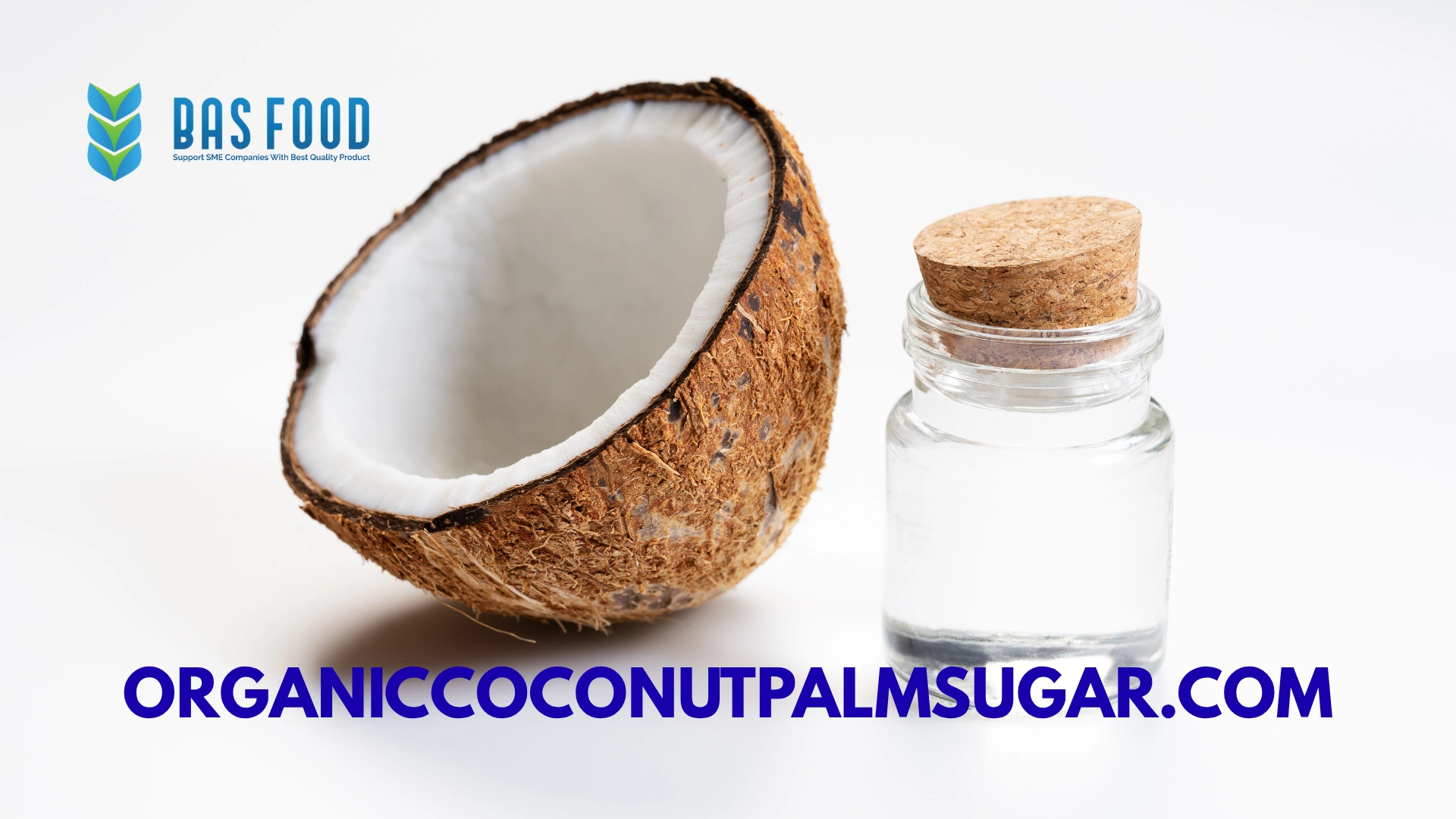
Understanding RBD Coconut Oil Properties
RBD stands for Refined, Bleached, and Deodorized processing methods. This process removes impurities and ensures a neutral smell for users. You should request detailed sheets from your potential export partners regularly. These documents describe the exact type of coconut used in production clearly.
Furthermore, the grade of the coconut meat matters significantly for quality. High-grade oil comes from mature nuts with white flesh primarily. Lower grades might contain impurities or inconsistent textures often. You must define acceptable limits for defects in your agreement strictly.
Consequently, detailed specifications form the foundation of a healthy trade relationship. You can avoid costly returns by setting clear expectations early. This clarity ensures both parties expect the same final product always. Therefore, always review the product description before signing contracts today.
Importance of Reliable Bulk RBD Coconut Oil Supply
Reliability prevents downtime in your manufacturing facilities significantly. A steady bulk RBD coconut oil supply keeps factories running smoothly. Delays cost money and damage your reputation with clients frequently. Therefore, choose a partner who honors delivery schedules consistently.
Additionally, consistent quality allows you to maintain your own product standards. Variations in oil quality affect your final consumer goods directly. You need a supplier who monitors every batch carefully. This diligence supports your brand promise to end customers effectively.
Moreover, supply chain disruptions can halt your entire production line. You must assess the supplier’s capacity to handle large orders. They should demonstrate flexibility during peak seasons without failing. Scalability prevents supply chain disruptions during high demand periods.
Quality Standards for Food Grade Oil
Food safety remains the top priority for international import regulations. Shredded coconut oil must meet strict limits for bacteria and pathogens. Common tests check for Salmonella, E. coli, and total plate count. You cannot accept shipments that exceed these safety thresholds ever.
Additionally, facilities must maintain hygienic conditions during processing operations. Workers should wear protective gear and follow sanitation protocols strictly. Regular audits ensure the factory maintains high cleanliness standards. You should ask for copies of recent third-party audit reports.
Therefore, always require recent microbiological test certificates with every order. This due diligence protects your brand from safety scandals. You build trust with retailers by proving safety compliance. Consequently, verify these files with the issuing authority immediately.
Specifications for Cosmetic Grade Oil
Cosmetics require purity because consumers apply oil to their skin. Skin sensitivity demands high standards for all ingredients used. Manufacturers test for contaminants to ensure user safety always. You need to confirm these levels match your formula requirements.
Moreover, oil separation can occur if storage conditions remain poor. Proper processing prevents excess oil from leaking into packaging materials. You should inspect incoming goods for signs of grease stains. Consistent fat content indicates stable production processes at the factory.
Furthermore, request nutritional analysis reports with every single order. This stability supports your own quality control measures effectively. You can cross-check these results upon arrival at your warehouse. Strict control ensures your product stays fresh on shelves.
Sourcing Raw Materials Responsibly
Ethical sourcing builds brand value for modern consumer markets. Farmers need fair treatment and sustainable income opportunities. Sustainable practices protect the environment for future generations. You should verify their testing frequency and laboratory accreditation.
Additionally, ask about their labor practices and community impact. Responsible companies treat workers fairly and safely everywhere. They avoid child labor and ensure fair wages consistently. You can request social compliance audit reports for verification.
Consequently, prioritize partners with green initiatives in their operations. Buyers prefer eco-friendly suppliers increasingly in today’s market. This traceability supports sustainability claims on your packaging. Therefore, value suppliers with proven track records in ethics.
Logistics and Shipping Considerations
Logistics expertise ensures your cargo arrives on time and intact. The supplier should handle export documentation professionally and quickly. They must coordinate with freight forwarders efficiently to avoid delays. Delays at the port cost money and damage relationships significantly.
Next, confirm their experience with refrigerated or dry containers specifically. Oil usually ships in dry containers with protective liners. However, specific markets might require temperature control for freshness. They must know the best routing for your destination country.
Therefore, choose a partner with strong shipping networks globally. Efficient routing reduces transit time and risk of damage. You need a team that supports you after loading. Comprehensive logistics support simplifies your import process greatly.
Packaging Options for Large Orders
Packaging protects the product from physical damage and environmental exposure. You must ensure materials meet food-grade safety standards globally. Moisture barriers prevent spoilage during long shipping voyages effectively. The supplier should offer custom labeling options for your brand.
Next, verify if they follow import country labeling rules strictly. Ingredients and allergen warnings must appear correctly on every pack. Mistakes here lead to customs seizures or fines immediately. The supplier needs experience with your specific destination market.
Furthermore, discuss palletization and container loading methods. Proper stacking prevents damage during shipping operations. They must use fumigation treatments for wooden pallets. Consequently, confirm these details to avoid port delays.
Pricing Factors and Market Trends
Price matters, but the lowest rate often hides risks. You should compare total landed costs instead of unit prices. Shipping, insurance, and duties affect your final margin. A transparent supplier provides detailed cost breakdowns clearly.
Additionally, negotiate payment terms that protect both parties. Letter of Credit options reduce financial risk significantly. Avoid paying 100% upfront before production starts. Standard terms often involve a deposit and balance upon shipment.
Moreover, ask about price stability clauses in the contract. Coconut prices fluctuate based on harvest yields. Fixed prices for long-term contracts offer budget certainty. Understanding this dynamic prevents unexpected price hikes.
Compliance and Certification Requirements
Accurate documentation speeds up customs clearance processes at ports. You need commercial invoices, packing lists, and certificates of origin. Health certificates from authorized government agencies are also mandatory. Missing papers cause delays and extra storage costs frequently.
Moreover, labeling must include batch numbers for traceability purposes. This feature allows you to track products back to the source. You can manage recalls efficiently if safety issues arise later. Clear labels also help retailers manage stock rotation properly.
Therefore, confirm all document requirements before shipment departure. This organization reduces waste and improves inventory management. You need a supplier who acts as an extension of your team. Focus on long-term value rather than short-term savings only.
Partnering with CV Bonafide Anugerah Sentosa
CV Bonafide Anugerah Sentosa stands out as a trusted exporter globally. They serve as a reliable partner for various commodity groups. Their expertise extends beyond coconuts to diverse product categories. They produce Bluefin Tuna and other fishery products professionally.
Additionally, they handle spices and cocoa products with great care. Their multi-product capability indicates robust supply chains and resources. You can source multiple items from one verified partner easily. This consolidation simplifies your logistics and paperwork significantly.
Furthermore, their commitment to reliability ensures smooth transactions. They understand the needs of international importers deeply. Their team prioritizes quality control and timely delivery. Choosing CV Bonafide Anugerah Sentosa means choosing stability.
Conclusion
Selecting the right partner requires careful research and due diligence. You must evaluate quality, safety, and logistics capabilities thoroughly. A strong relationship supports your business growth effectively over time. Do not rush the selection process without verifying facts first.
Furthermore, prioritize transparency and communication in all business dealings. Clear contracts prevent misunderstandings during the long partnership ahead. Your brand reputation depends on this critical choice today. This strategy ensures sustainable success in the competitive market.
Contact CV Bonafide Anugerah Sentosa how we can provide the best solutions for you. WhatsApp: +62 8213 4505 737, Email: info@bonafideanugerahsentosa.com / bas.mdir@gmail.com.