In today’s food industry, buyers are increasingly searching for healthier, cleaner, and more sustainable ingredients. One natural sweetener gaining popularity among these options is coconut nectar. Consumers no longer focus only on taste. They also pay attention to how products are sourced, processed, and marketed. As a result, many food manufacturers are replacing refined sugar with natural alternatives that offer better nutritional value and stronger consumer appeal.
One product that has gained significant attention is nectar. This naturally derived sweetener comes directly from coconut blossoms and offers a rich flavor profile while maintaining a minimally processed production method. Food companies, beverage manufacturers, organic brands, and health-conscious consumers around the world are now incorporating coconut syrup into their products.
But what exactly is coconut nectar? How is it produced? Why are international buyers increasingly sourcing it from Indonesia? This comprehensive guide explains everything global buyers need to know about coconut nectar, including its production process, benefits, applications, export opportunities, and sourcing considerations.
Understanding Coconut Nectar: What Is It?
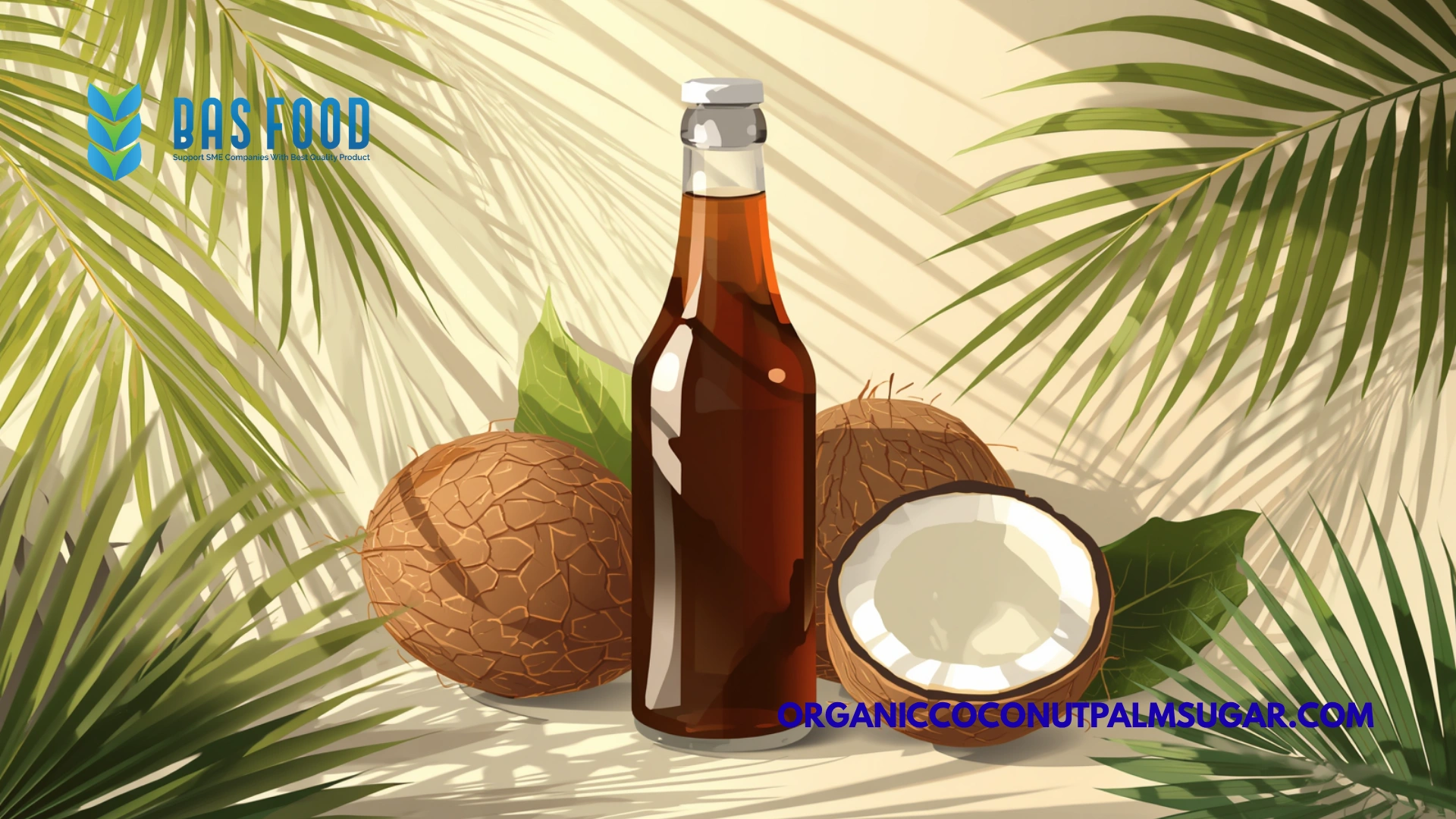
Coconut nectar is a liquid sweetener made from the sap collected from the flower blossoms of coconut trees. Before the coconut fruit develops, farmers carefully tap the coconut flower stalk and collect the naturally sweet sap.
This fresh sap contains naturally occurring sugars, minerals, amino acids, and nutrients. Producers then gently heat the sap to reduce water content and create a thick syrup-like consistency known as coconut nectar.
Many people also refer to nectar as coconut blossom nectar because it originates from the coconut flower. In some markets, it is called coconut sap syrup, highlighting its syrupy texture and sweet flavor.
Unlike refined white sugar, nectar undergoes minimal processing. Manufacturers do not bleach, refine, or heavily process the sap. Consequently, the final product retains many of its natural characteristics.
As consumers become more aware of ingredient labels, coconut liquid has become a preferred natural sweetener in many premium food products worldwide.
The Origins of Coconut Nectar and Why Indonesia Leads the Market
Indonesia is one of the world’s largest producers of coconut-based products. The country’s tropical climate, extensive coconut plantations, and centuries-old farming traditions create ideal conditions for producing high-quality coconut nectar.
Across regions such as Java, Sumatra, Sulawesi, and Bali, coconut farmers have perfected the art of harvesting coconut sap. These traditional methods have been passed down through generations while increasingly incorporating modern food safety standards.
The abundance of coconut trees allows Indonesia to maintain a stable supply of raw materials throughout the year. This reliability is particularly important for international buyers seeking long-term sourcing partnerships.
In addition, Indonesia has developed strong export infrastructure that supports global shipments of nectar, coconut sugar, virgin coconut oil, coconut milk products, and other coconut-derived ingredients.
For importers, sourcing coconut syrup from Indonesia often provides an attractive combination of quality, availability, competitive pricing, and sustainability.
How Coconut Nectar Is Made: From Blossom to Bottle
The production of coconut nectar begins with careful sap collection. Skilled farmers climb coconut trees and make precise cuts on the flower stalks. The sap slowly drips into collection containers over several hours.
Fresh sap is highly sensitive and must be processed quickly after harvesting. Producers transport the sap to processing facilities where it undergoes filtration to remove natural impurities.
Next, manufacturers gently heat the sap at controlled temperatures. This process evaporates excess moisture while preserving the natural flavor and nutrients present in the sap.
As water content decreases, the liquid becomes thicker and develops a rich golden-brown color. The resulting product is coconut treacle.
Quality-focused producers avoid excessive heating because it can negatively affect flavor, aroma, and nutritional properties. Modern facilities also implement strict quality control procedures to ensure consistency.
The final product is then packaged into food-grade containers suitable for domestic and international markets.
Coconut Nectar vs Refined Sugar: Understanding the Difference
Many buyers compare coconut nectar with traditional refined sugar when evaluating ingredient options.
Refined sugar undergoes extensive industrial processing. Manufacturers extract sugar from sugarcane or sugar beets and then refine it through multiple stages that remove most naturally occurring nutrients.
Coconut nectar follows a much simpler process. Producers collect sap directly from coconut blossoms and gently concentrate it into syrup.
Another significant difference lies in consumer perception. Today’s shoppers increasingly favor ingredients that appear natural, minimally processed, and sustainably sourced.
Because of this trend, brands often position products containing nectar as premium offerings. This can help food manufacturers create stronger product differentiation in competitive markets.
Additionally, coconut syrup provides a distinct caramel-like flavor that refined sugar cannot replicate. This unique taste profile makes it valuable for specialty food applications.
Nutritional Components Found in Coconut Nectar
One reason for the growing popularity of coconut nectar is its naturally occurring nutrient content.
Fresh coconut sap contains several beneficial compounds, including:
- Potassium
- Magnesium
- Zinc
- Iron
- Calcium
- Amino acids
- Natural sugars
- Antioxidants
Although coconut syrup is still a sweetener and should be consumed in moderation, many consumers appreciate the fact that it retains some naturally occurring nutrients from the coconut blossom sap.
Manufacturers frequently highlight these attributes when marketing products containing coconut liquid. However, businesses should always ensure that nutritional claims comply with local food regulations in their target markets.
The growing demand for ingredient transparency has made coconut nectar an attractive option for clean-label food formulations.
Why Coconut Nectar Is Becoming a Popular Natural Sweetener Worldwide
The global shift toward healthier lifestyles has significantly influenced sweetener preferences.
Consumers increasingly read ingredient labels and avoid artificial additives. They prefer products with recognizable ingredients that align with natural and organic lifestyles.
As a result, coconut nectar has emerged as a leading natural sweetener in several market segments.
Key factors driving demand include:
Clean Label Appeal
Consumers appreciate products with simple ingredient lists. Coconut nectar fits well into clean-label formulations because it is minimally processed.
Plant-Based Trend
The rise of vegan and plant-based diets has increased demand for plant-derived sweeteners.
Premium Product Positioning
Many brands use coconut nectar to create premium food and beverage offerings that command higher retail prices.
Sustainability Interest
Environmentally conscious consumers often seek ingredients that support sustainable agricultural practices.
These trends continue to fuel strong growth in global coconut nectar demand.
Common Applications of Coconut Nectar in the Food Industry
One reason coconut nectar attracts international buyers is its versatility.
Food manufacturers use coconut nectar across numerous product categories.
Beverage Industry
Producers add coconut nectar to:
- Functional beverages
- Smoothies
- Coffee drinks
- Tea products
- Sports drinks
- Wellness beverages
- Bakery Industry
Bakers use coconut nectar in:
- Cookies
- Cakes
- Muffins
- Bread
- Granola products
- Confectionery Products
Manufacturers incorporate coconut nectar into:
- Chocolate products
- Energy bars
- Snack bars
- Caramel products
- Dairy Alternatives
Plant-based food brands use coconut nectar in:
- Oat milk
- Almond milk
- Coconut yogurt
- Vegan desserts
- Health Food Products
Natural food companies frequently include coconut nectar in products targeting health-conscious consumers.
Its broad application range makes it highly attractive for B2B buyers seeking multifunctional ingredients.
Coconut Nectar, Coconut Blossom Nectar, and Coconut Sap Syrup: Are They the Same?
Buyers often encounter different names when researching coconut-based sweeteners.
In most commercial contexts:
- Coconut nectar
- Coconut blossom nectar
- Coconut sap syrup
refer to essentially the same product.
The differences usually reflect regional terminology, branding preferences, or marketing strategies rather than major variations in production methods.
However, buyers should always review product specifications carefully. Factors such as moisture content, viscosity, color, flavor profile, and processing standards may vary between suppliers.
Requesting technical data sheets and laboratory testing reports helps ensure product consistency.
Sustainability Benefits of Coconut Nectar Production
Sustainability has become a critical purchasing factor for many global food companies.
Fortunately, coconut nectar production aligns well with sustainability objectives.
Unlike crops harvested through complete plant removal, coconut trees remain productive for many years. Farmers harvest sap while the trees continue growing and producing.
This contributes to long-term agricultural sustainability and supports rural farming communities.
Additionally, coconut-based farming systems often involve mixed agricultural practices that promote biodiversity and reduce environmental impact.
For companies pursuing ESG goals, coconut nectar can support sustainability-focused sourcing strategies.
What Global Buyers Should Look for When Sourcing Coconut Nectar
Choosing the right supplier is essential for successful imports.
Buyers should evaluate several factors before making purchasing decisions.
Product Quality
Request laboratory testing reports covering:
- Moisture content
- Microbiological safety
- Heavy metals
- Food safety compliance
- Certifications
Depending on target markets, buyers may require:
- Organic certification
- HACCP
- GMP
- Kosher certification
- Halal certification
- Supply Capacity
Ensure suppliers can support long-term volume requirements and seasonal demand fluctuations.
Export Experience
Experienced exporters understand documentation requirements, international shipping procedures, and destination market regulations.
Traceability
Reliable suppliers should maintain transparent sourcing practices and traceability systems.
Conducting supplier audits can further reduce sourcing risks.
Why Indonesia Is a Strategic Source for Coconut Nectar
Indonesia offers several advantages for global buyers seeking dependable coconut nectar suppliers.
These advantages include:
- Large coconut-growing regions
- Experienced farming communities
- Competitive production costs
- Established export infrastructure
- Growing certification capabilities
- Consistent year-round production
Furthermore, Indonesian suppliers continue investing in modern processing facilities that meet international food safety standards.
As demand for natural sweeteners increases globally, Indonesia remains one of the most important sourcing destinations for coconut nectar and related coconut products.
Partner with a Trusted Coconut Nectar Supplier from Indonesia
For buyers seeking premium-quality coconut nectar, partnering with an experienced Indonesian exporter can provide long-term value.
CV Bonafide Anugerah Sentosa supplies coconut nectar, coconut sugar, organic coconut sugar, virgin coconut oil, coconut milk products, spices, coffee, and fishery products for international markets.
The company works closely with Indonesian farmers and producers to ensure product quality, traceability, and reliable export performance. Whether you are a food manufacturer, ingredient distributor, wholesaler, or private label brand, sourcing from a trusted Indonesian supplier can help strengthen your supply chain and support growing market demand for natural sweeteners.
Final Thoughts
The global food industry continues moving toward cleaner, more natural ingredients. As consumers demand healthier alternatives to refined sugar, coconut nectar has emerged as one of the most attractive sweetener options available today.
Produced from the sap of coconut blossoms, this versatile ingredient offers a minimally processed solution that aligns with clean-label, plant-based, and sustainability-focused trends. Whether marketed as coconut nectar, coconut blossom nectar, or coconut sap syrup, the product continues gaining recognition among food manufacturers worldwide.
For global buyers, understanding sourcing practices, production standards, certifications, and supplier capabilities is essential. Indonesia remains one of the strongest sourcing destinations due to its abundant coconut resources, experienced producers, and growing export expertise.
As demand continues to rise, coconut nectar is positioned to become an increasingly important ingredient in the future of natural sweetening solutions.