The global beverage market continues to search for natural hydration ingredients. As a result, organic coconut water export Indonesia has become an important sourcing option for beverage manufacturers and distributors. Indonesia offers large coconut plantations, year-round harvesting, and growing processing capacity.
Moreover, international beverage brands now require reliable export partners who understand certification systems, food safety, and logistics. Therefore, understanding how the Indonesian supply chain works helps buyers secure stable and compliant ingredient sourcing.
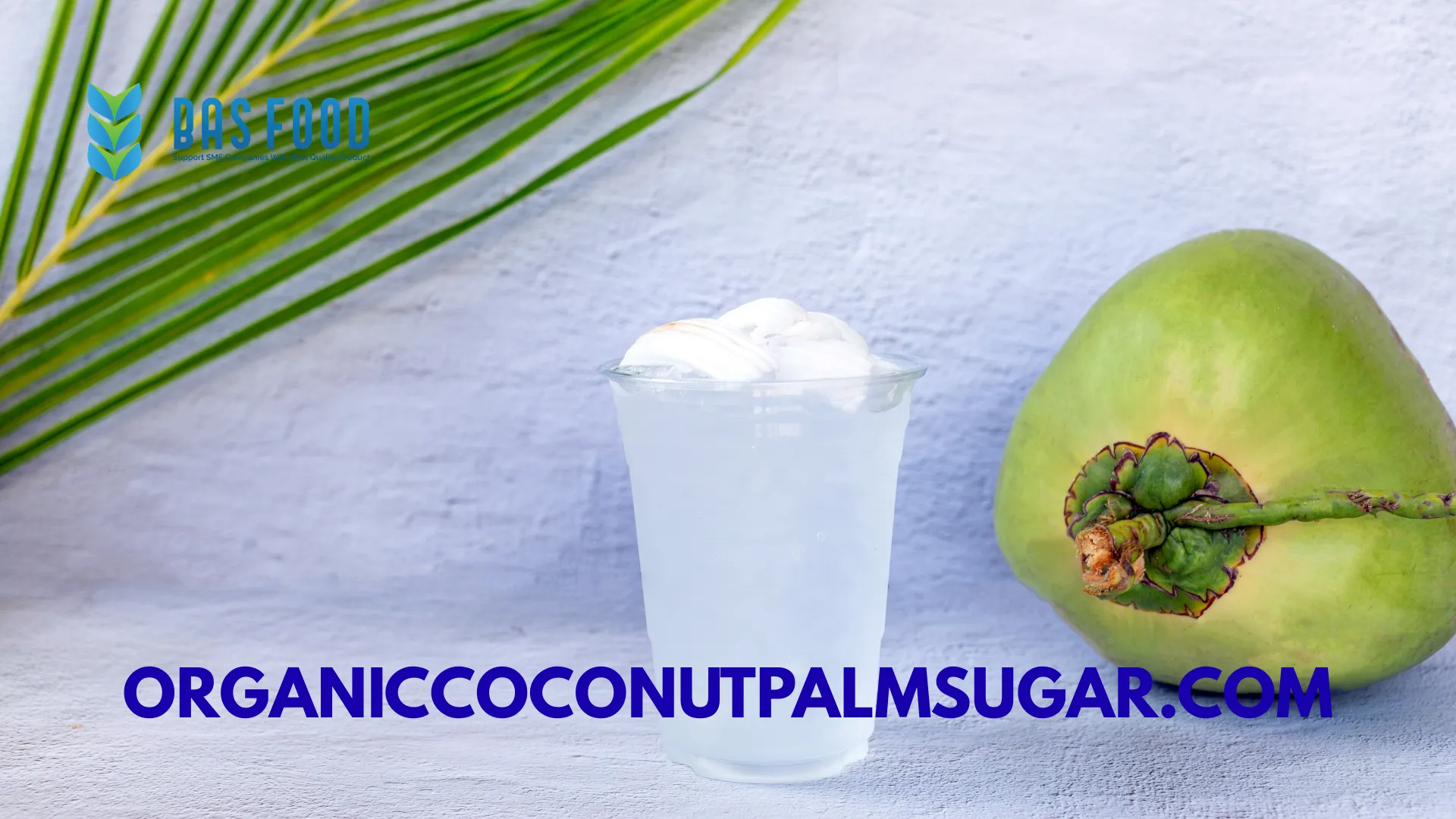
The Growing Role of Coconut Water in the Beverage Industry
Coconut water has moved beyond traditional markets and entered the global functional beverage category. Many beverage brands now include it in hydration drinks, smoothies, and natural sports beverages.
In addition, consumers increasingly prefer plant-based ingredients. This shift encourages manufacturers to source coconut water from countries with large coconut ecosystems. Consequently, Southeast Asia has become a key production region for global supply.
Why Organic Coconut Water Export Indonesia Attracts Global Buyers
Indonesia ranks among the largest coconut producers in the world. The country benefits from tropical climate zones that support year-round coconut growth.
Furthermore, many farming regions rely on traditional cultivation methods with limited chemical input. This condition helps producers transition to certified organic agriculture. As a result, Indonesia can supply both conventional and organic coconut water to international beverage markets.
Climate and Coconut Varieties That Support Quality
Indonesia’s archipelago creates diverse growing environments. Coconut trees grow along coastal areas and inland tropical regions. These ecosystems support high yields and consistent harvest cycles.
Additionally, local coconut varieties produce naturally sweet and mineral-rich coconut water. This profile suits beverage formulation because it delivers balanced flavor without heavy processing.
Export Regulations for Coconut Water Products
International beverage ingredients must comply with multiple regulatory frameworks. Importers in Europe, the United States, and the Middle East require documentation that verifies food safety and origin.
For example, shipments may include health certificates, certificates of origin, and organic certification documents. These records confirm that the product meets import standards and traceability rules.
Organic Certification and International Compliance
Organic certification ensures the product meets strict agricultural standards. Exporters typically follow certification systems recognized in major markets.
Common certifications include EU Organic and the USDA National Organic Program. Some exporters also maintain Halal certification to support buyers in Middle Eastern markets.
Compliance also includes testing for contaminants and microbial safety. Therefore, laboratory analysis and documented traceability remain essential components of export readiness.
Processing Technology and Product Stabilization
Fresh coconut water spoils quickly if left untreated. Therefore, processors stabilize the liquid soon after extraction to protect quality and shelf life.
Pasteurization
Pasteurization uses controlled heat to reduce microbial activity. This method preserves much of the natural flavor but often requires refrigerated storage.
Aseptic Processing
Aseptic technology allows coconut water to remain stable at ambient temperature. The product is sterilized and packed in sterile containers to prevent contamination.
Both methods support international distribution. However, buyers should confirm the processing technique used for each shipment.
Cold Chain Logistics and Global Distribution
Transport conditions strongly influence beverage ingredient quality. Temperature fluctuations may shorten shelf life or change flavor characteristics.
Exporters who manage temperature-controlled logistics often apply strict monitoring systems. These systems track shipment conditions from factory to destination port.
Experience with frozen seafood exports can strengthen logistics discipline. For instance, companies handling species such as Bluefin tuna or Yellowfin tuna must maintain precise cold chain procedures. This operational knowledge often benefits other export categories.
Quality Control and Product Traceability
Quality assurance begins at the farm level. Processors inspect coconuts before extraction to ensure freshness and maturity.
Next, laboratories test coconut water for Brix level, pH balance, and microbial safety. These checks help beverage manufacturers maintain consistent product formulations.
Traceability systems also record harvest location and processing batches. If any issue appears later, exporters can quickly identify the production source.
Risk Factors in Global Ingredient Supply
International sourcing always carries potential risks. Climate variation, shipping delays, and regulatory changes may affect supply schedules.
However, experienced exporters manage these challenges through structured quality systems. Regular supplier audits, documentation review, and contingency planning reduce operational disruption.
Importers should also review production capacity and harvest cycles before committing to large supply contracts.
Export Experience Across Multiple Commodities
Exporters with diverse product portfolios often maintain stronger compliance systems. Managing different commodities requires careful documentation and logistics coordination.
For example, CV Bonafide Anugerah Sentosa operates across fishery products, spices, cocoa derivatives, and coconut-based ingredients. Their work with seafood products such as Bigeye tuna requires strict adherence to international export documentation and inspection procedures.
This experience supports consistent export management across agricultural commodities, including coconut water products.
Best Practices for Buyers Importing Coconut Water
First, review product specifications carefully. Confirm Brix level, packaging format, and processing method before placing orders.
Second, request recent laboratory results and certification documents. These records verify organic status and food safety compliance.
Finally, consider conducting a trial shipment. This step helps evaluate logistics performance and product stability before committing to larger contracts.
Conclusion: Building Reliable Global Supply Chains
Global beverage brands depend on stable ingredient sourcing. Organic coconut water export Indonesia provides a practical option due to the country’s large coconut production and expanding processing industry.
When exporters follow strict quality control, certification, and logistics practices, international buyers can secure dependable supply. Structured evaluation and transparent documentation help both sides build long-term trade relationships.
FAQ Section
1. Why do beverage brands import coconut water from Indonesia?
Indonesia offers large coconut production capacity, diverse growing regions, and established export infrastructure. These factors support consistent supply.
2. What certifications are required for exporting coconut water?
Common certifications include EU Organic, USDA Organic, and Halal. Importers may also request food safety testing and traceability documentation.
3. Does coconut water require refrigerated transport?
Some products require refrigerated logistics depending on processing method. Aseptic packaging often allows ambient shipping conditions.
4. How do exporters maintain quality during shipping?
Exporters monitor temperature, maintain sanitation standards, and conduct laboratory testing. These procedures protect product safety during transit.
5. What factors influence coconut water quality?
Climate, coconut variety, harvest timing, and processing technology all affect flavor, sugar level, and shelf life.
Contact CV Bonafide Anugerah Sentosa how we can provide the best solutions for you. WhatsApp: +62 8213 4505 737, Email: info@bonafideanugerahsentosa.com / bas.mdir@gmail.com.