Organic coconut water bulk supply has become increasingly important in the global beverage industry. Beverage brands, food manufacturers, and ingredient distributors are actively sourcing coconut water as a natural base ingredient for functional drinks, ready-to-drink beverages, and hydration products.
Unlike retail coconut water sold in bottles or cartons, bulk coconut water is supplied as a beverage ingredient. It allows product developers to integrate coconut water into formulations while maintaining control over flavor, sweetness level, and product positioning.
For international buyers, understanding how organic coconut water bulk supply works—from sourcing to packaging—helps ensure consistent quality and reliable supply chains.
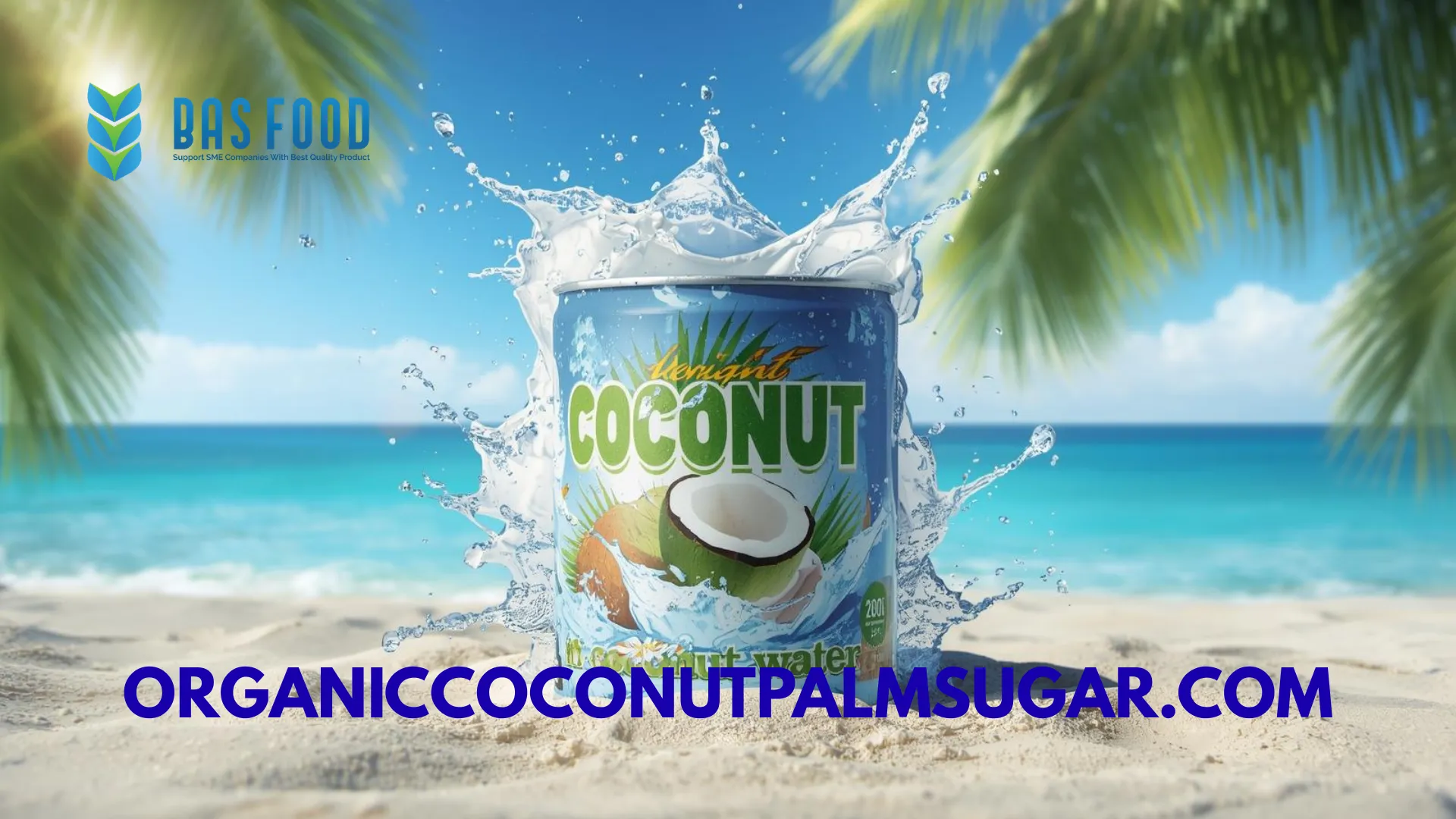
Why Coconut Water Is Used as a Beverage Ingredient
Coconut water is naturally present inside young green coconuts. It contains natural sugars, minerals, and a mild flavor that makes it suitable as a beverage base.
In product development, coconut water is often used for:
- Functional beverages
- Hydration drinks
- Juice blends
- Sports drinks
- Natural ingredient beverages
Because of its neutral taste profile, coconut water blends easily with fruit juices, botanical extracts, and plant-based ingredients.
This versatility explains why beverage manufacturers increasingly source coconut water in bulk ingredient form rather than finished consumer products.
What Defines Organic Coconut Water
Organic coconut water comes from coconuts cultivated under certified organic agricultural standards. Farms must avoid synthetic pesticides, chemical fertilizers, and genetically modified crops.
International organic certification is typically governed by regulatory frameworks such as those administered by the United States Department of Agriculture under the USDA Organic program and the European Commission for EU organic standards.
Exporters supplying organic coconut water must ensure:
- Traceable sourcing from certified farms
- Controlled harvesting processes
- Organic-compliant processing facilities
- Documentation verifying certification status
For beverage brands, these certifications support product transparency and regulatory compliance in global markets.
How Organic Coconut Water Is Produced
Bulk organic coconut water production begins with harvesting young green coconuts. These coconuts are typically collected when the water content inside the fruit is at its highest.
The processing steps usually include:
1. Coconut Harvesting
Farmers harvest coconuts manually to prevent damage to the fruit. The coconuts are then transported to processing facilities soon after harvesting.
Maintaining freshness during this stage is critical for preserving flavor and quality.
2. Extraction Process
At the processing facility, coconuts are cleaned and opened. The water inside is extracted using hygienic collection systems designed for food-grade liquids.
Modern extraction lines allow processors to handle large volumes efficiently while maintaining sanitary conditions.
3. Filtration and Stabilization
After extraction, coconut water is filtered to remove natural particles or coconut fibers.
To stabilize the product for storage and export, processors may apply controlled pasteurization or aseptic processing techniques.
These methods help maintain product safety without significantly altering flavor characteristics.
Forms of Organic Coconut Water for Bulk Supply
Bulk coconut water is not always shipped as a ready-to-drink liquid. Exporters supply it in several formats depending on buyer requirements.
Liquid Coconut Water
This format closely resembles fresh coconut water but is stabilized for export. It is commonly transported using aseptic bags or bulk containers.
Liquid supply works well for beverage manufacturers that want to maintain a natural coconut water profile.
Coconut Water Concentrate
Concentrated coconut water removes a portion of the water content through controlled evaporation.
This format reduces shipping weight and storage volume. Beverage manufacturers later reconstitute the concentrate by adding purified water during production.
Frozen Coconut Water
Frozen supply helps preserve the original characteristics of coconut water. It is typically used when buyers prioritize minimal processing.
However, frozen logistics require cold-chain transportation and storage systems.
Bulk Packaging Options for Coconut Water
Bulk coconut water exporters use several packaging formats designed for liquid food ingredients.
Common packaging options include:
Aseptic Bag-in-Drum
Food-grade aseptic bags are placed inside steel drums. This format protects coconut water from contamination and extends shelf life.
Drums usually contain around 200–250 kg of liquid product.
Bag-in-Box Systems
Bag-in-box packaging uses multi-layer aseptic bags placed inside cardboard boxes. This option is convenient for medium-volume ingredient buyers.
Flexitanks
For very large shipments, flexitanks placed inside shipping containers can transport tens of thousands of liters of coconut water.
Flexitanks reduce packaging waste and improve logistics efficiency for large-scale buyers.
Quality Standards for Bulk Coconut Water Supply
International buyers typically request product specifications to confirm quality consistency.
Common parameters include:
- Brix level (natural sugar content)
- pH level
- Color and clarity
- Microbiological safety
- Absence of contaminants
These specifications ensure the ingredient performs consistently in beverage formulations.
Global food safety frameworks developed by organizations such as the Codex Alimentarius Commission provide guidelines that influence quality standards in the international food trade.
Supply Chain Traceability in Coconut Exports
Traceability is increasingly important for beverage manufacturers. Buyers want clear documentation showing where the coconuts were grown and how the product was processed.
Exporters therefore maintain supply chain records covering:
- Farm sourcing
- Processing batch numbers
- Quality testing results
- Export documentation
This level of transparency helps beverage brands meet regulatory requirements in multiple markets.
Indonesia as a Major Coconut Ingredient Supplier
Indonesia is one of the world’s largest coconut-producing countries. The country’s tropical climate and extensive coconut plantations support large-scale coconut ingredient production.
As a result, Indonesia has become an important supplier of coconut derivatives including:
- Coconut sugar
- Coconut milk products
- Coconut oil
- Coconut water ingredients
Export-oriented companies such as CV Bonafide Anugerah Sentosa supply international buyers with coconut derivatives as well as other commodities like spices, coffee, cocoa products, and seafood ingredients.
These diversified supply chains help exporters manage sourcing and logistics for global markets.
Key Considerations for Beverage Brands
When sourcing organic coconut water bulk supply, beverage brands usually evaluate several factors before selecting a supplier.
Important considerations include:
Certification and Compliance
Buyers must confirm that suppliers hold valid organic certification for target markets such as the United States or European Union.
Processing Capability
Processing facilities should use modern food-grade extraction and stabilization systems to ensure product safety.
Packaging Flexibility
Suppliers that offer multiple packaging formats can adapt to different buyer logistics systems.
Supply Stability
Reliable exporters maintain consistent raw material sourcing and processing capacity throughout the year.
This stability is especially important for beverage brands launching large-scale commercial products.
The Future of Coconut Water as a Beverage Ingredient
Demand for coconut water ingredients continues to expand as beverage companies explore natural beverage formulations.
Product developers are experimenting with coconut water in categories such as:
- plant-based hydration drinks
- functional beverages
- natural sports drinks
- juice blends
Because coconut water provides a light flavor base, it fits well with emerging beverage concepts.
As global beverage innovation continues, the role of organic coconut water bulk supply will likely grow in the ingredient market.
Conclusion
Organic coconut water has evolved from a simple tropical beverage into a versatile ingredient used across the global beverage industry. For manufacturers and importers, bulk supply offers a practical way to incorporate coconut water into beverage formulations while maintaining production flexibility.
Understanding sourcing, processing, packaging, and certification requirements helps buyers choose reliable suppliers and maintain consistent ingredient quality.
As demand for natural beverage ingredients grows, coconut water will remain an important component in beverage product development worldwide.
FAQ
What is organic coconut water bulk supply?
It refers to coconut water sourced from certified organic coconuts and supplied in large quantities for use as a beverage ingredient.
How is bulk coconut water packaged?
Common packaging formats include aseptic bag-in-drum systems, bag-in-box containers, and flexitanks.
With that in mind, is coconut water concentrate different from liquid coconut water?
Yes. Concentrate removes part of the water content to reduce shipping volume. Afterward, it can be reconstituted during beverage production.
Which industries use bulk coconut water?
The main users are beverage manufacturers, functional drink brands, and ingredient distributors.
Why is traceability important in coconut water supply?
Traceability ensures transparency in sourcing and processing, which helps buyers meet regulatory and quality requirements.
Contact CV Bonafide Anugerah Sentosa how we can provide the best solutions for you. WhatsApp: +62 8213 4505 737, Email: info@bonafideanugerahsentosa.com / bas.mdir@gmail.com.