In recent years, coconut flour has moved from a niche ingredient to a mainstream solution in global food production. Manufacturers are now looking for alternatives that are not only functional but also align with health trends. Coconut flour fits this demand perfectly. It is gluten-free, high in fiber, and versatile across many applications. However, what truly sets it apart is not just its nutritional profile. Its performance in processing environments makes it highly valuable. Understanding coconut flour properties is essential for manufacturers who want consistent results in baking, formulation, and large-scale production.
At the same time, its behavior is very different from traditional wheat flour. Therefore, food processors must understand its structure, how it absorbs liquids, and how it reacts under heat. In this article, we explore its texture, absorption capacity, and overall baking behavior coconut flour, so you can use it effectively in your production line.
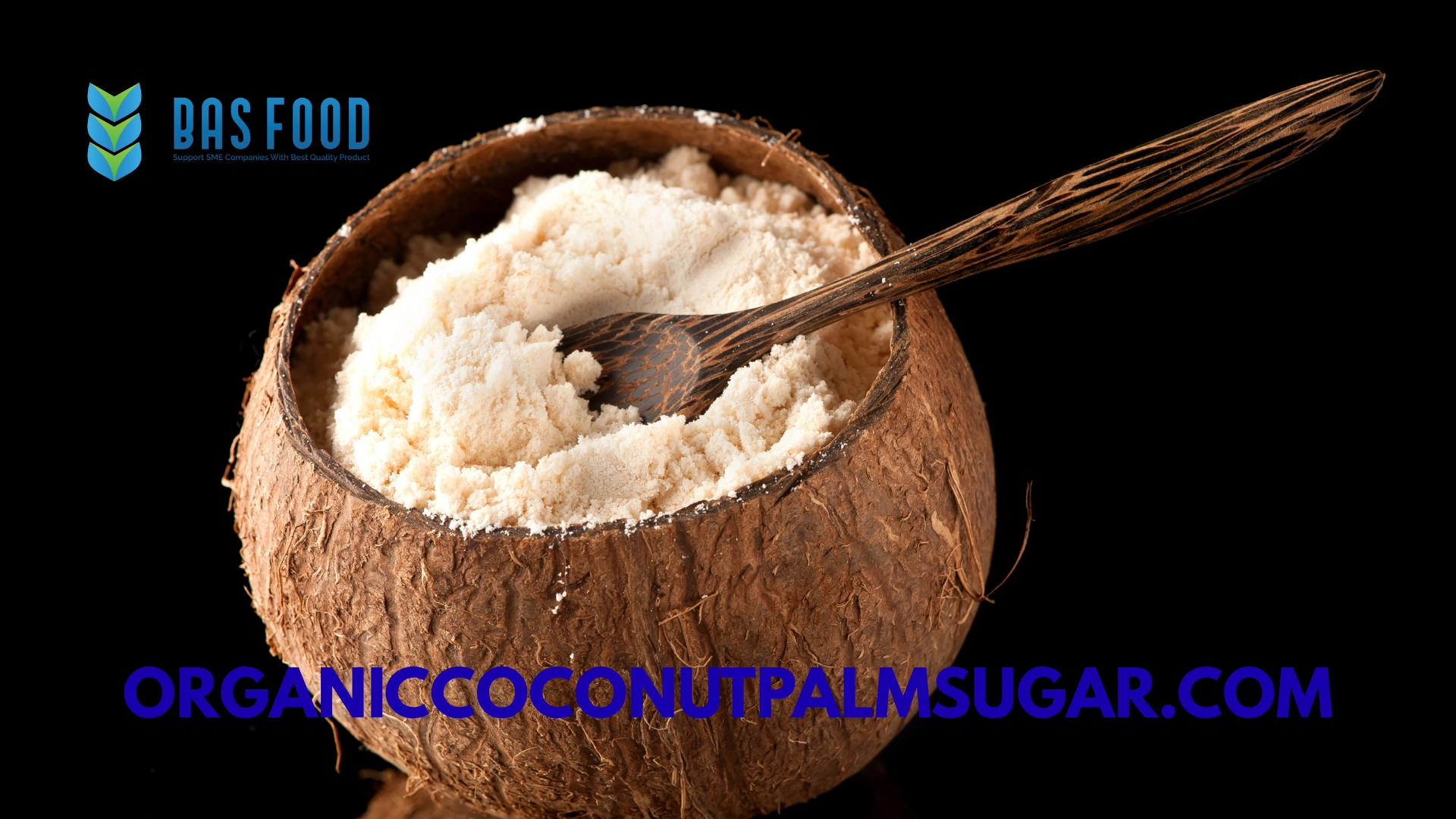
Understanding Coconut Flour Structure: What Makes It Unique
How Coconut Flour Is Produced
Coconut flour is made from dried coconut meat after the extraction of coconut milk or oil. The remaining solid is dried and finely ground into flour. This process creates a product that is naturally rich in fiber and low in fat.
Because of this production method, the internal structure of coconut flour is quite different from cereal-based flours. It contains a high level of insoluble fiber, which directly affects its functionality. This is one of the most important coconut flour properties that manufacturers must understand.
In addition, the particle size of coconut flour plays a key role. Fine particles create a smoother texture, while coarser particles may lead to a grainy mouthfeel. Therefore, selecting the right specification is critical for product development.
Fiber Content and Its Functional Impact
The high fiber content in coconut flour is both an advantage and a challenge. On one hand, it improves nutritional value. On the other hand, it significantly affects how the flour behaves in recipes.
Fiber acts like a sponge. It absorbs water quickly and holds it within the structure. This explains the strong water absorption coconut flour is known for.
As a result, formulations using coconut flour require more liquid than those using wheat flour. Without proper adjustment, the final product can become dry or dense. Therefore, understanding this property is essential for successful food processing.
Water Absorption Coconut Flour: A Key Functional Advantage
Why Coconut Flour Absorbs More Liquid
One of the defining coconut flour properties is its exceptional ability to absorb water. This happens because of its high fiber content and porous structure.
Compared to wheat flour, coconut flour can absorb up to three to four times more liquid. This makes it highly efficient in formulations where moisture retention is important.
For example, in baked goods, this property helps maintain softness over time. Products stay moist longer, which improves shelf life. Therefore, water absorption coconut flour becomes a valuable advantage in commercial production.
Impact on Formulation and Ingredient Ratios
However, this high absorption capacity also requires careful formulation. Standard recipes cannot be used directly. Instead, manufacturers must adjust liquid ratios and binding agents.
Eggs, gums, or starches are often added to balance the structure. These ingredients help compensate for the lack of gluten and improve texture.
In large-scale production, consistency is key. Therefore, precise measurement and testing are necessary to optimize baking behavior coconut flour. Small changes in hydration can significantly affect the final product.
Texture and Mouthfeel: How Coconut Flour Shapes Final Products
Light vs Dense Texture Outcomes
Texture is one of the most noticeable effects of coconut flour in food products. Depending on how it is used, it can create either light or dense results.
When properly formulated, coconut flour can produce soft and tender baked goods. However, if not balanced correctly, it can lead to a heavy and compact texture.
This is why understanding coconut flour properties is essential for product developers. The key lies in controlling moisture, mixing methods, and ingredient ratios.
Improving Texture Through Blending
Many manufacturers blend coconut flour with other flours to improve texture. For example, combining it with rice flour or tapioca starch can create a more balanced structure.
Blending reduces density and enhances elasticity. It also improves the overall baking behavior coconut flour in complex recipes.
This approach is especially useful in gluten-free product development. It allows manufacturers to achieve better texture without compromising nutritional value.
Baking Behavior Coconut Flour: What Happens During Heat Processing
How Coconut Flour Reacts to Heat
Heat processing plays a major role in determining the final quality of food products. Coconut flour behaves differently from wheat flour when exposed to heat.
Since it does not contain gluten, it does not form the same elastic network. Instead, structure comes from eggs, starches, or other binding agents.
During baking, the absorbed water turns into steam. This helps create volume, but only if the formulation is balanced. Therefore, understanding baking behavior coconut flour is crucial for achieving consistent results.
Challenges in Industrial Baking
In industrial settings, scaling up recipes can be challenging. Coconut flour requires precise control of temperature, humidity, and mixing time.
For example, overmixing can lead to dense products, while undermixing may cause uneven texture. In addition, baking time may need adjustment due to higher moisture content.
Despite these challenges, coconut flour offers excellent opportunities. When used correctly, it can deliver high-quality products with improved shelf life and nutritional value.
Applications in Food Processing: Where Coconut Flour Performs Best
Bakery and Confectionery Products
Coconut flour is widely used in bakery applications such as cakes, cookies, and muffins. Its high absorption helps retain moisture, which is important for soft textures.
In addition, it adds a mild coconut flavor that enhances product appeal. This makes it suitable for premium and health-focused products.
Understanding water absorption coconut flour allows manufacturers to create formulations that are both functional and appealing.
Gluten-Free and Functional Foods
The demand for gluten-free products continues to grow. Coconut flour is a key ingredient in this segment due to its natural gluten-free nature.
It is also used in functional foods, including protein bars and dietary products. Its fiber content supports digestive health, which adds marketing value.
Because of its unique coconut flour properties, it fits well into clean-label and health-oriented product lines.
Best Practices for Working with Coconut Flour in Industrial Settings
Optimizing Formulation and Testing
Successful use of coconut flour requires careful testing. Each batch may behave slightly differently depending on processing conditions.
Therefore, manufacturers should conduct trials to determine optimal hydration levels and mixing techniques. This ensures consistent baking behavior coconut flour across production runs.
In addition, using standardized specifications from reliable suppliers helps maintain quality.
Storage and Handling Considerations
Coconut flour is sensitive to moisture. Improper storage can affect its performance and shelf life.
It should be stored in a cool, dry environment to maintain its functional properties. Proper packaging also prevents contamination and preserves quality.
By following these practices, manufacturers can fully utilize the benefits of coconut flour properties in food processing.
Conclusion: Turning Coconut Flour Challenges into Opportunities
Coconut flour is more than just an alternative ingredient. It is a functional solution with unique characteristics that can improve product quality and meet market demand.
Its strong water absorption coconut flour capability, combined with its distinct texture, offers both challenges and advantages. When understood and managed correctly, it delivers excellent results in a wide range of applications.
For food processors and importers, the key lies in understanding its behavior. By mastering its coconut flour properties and optimizing formulations, you can unlock its full potential.
In today’s competitive market, this knowledge can make a real difference. It allows you to create better products, reduce waste, and meet the expectations of modern consumers.