Importing bulk organic coconut water requires more than price comparison. Beverage manufacturers must assess shelf life, cold chain logistics, export compliance, and quality control systems. Early due diligence reduces risk and protects brand reputation.
This guide explains the practical factors you should review before signing a supply contract. It focuses on operational reliability, regulatory alignment, and long-term sourcing stability.
Understanding the Nature of Bulk Organic Coconut Water
Bulk organic coconut water is a minimally processed beverage ingredient extracted from young green coconuts. It contains natural sugars, minerals, and electrolytes. Because of its composition, it is sensitive to heat, oxygen, and microbial exposure.
Therefore, processors must stabilize the liquid quickly after extraction. Pasteurization or aseptic processing extends usability. However, each method affects shelf life and storage requirements.
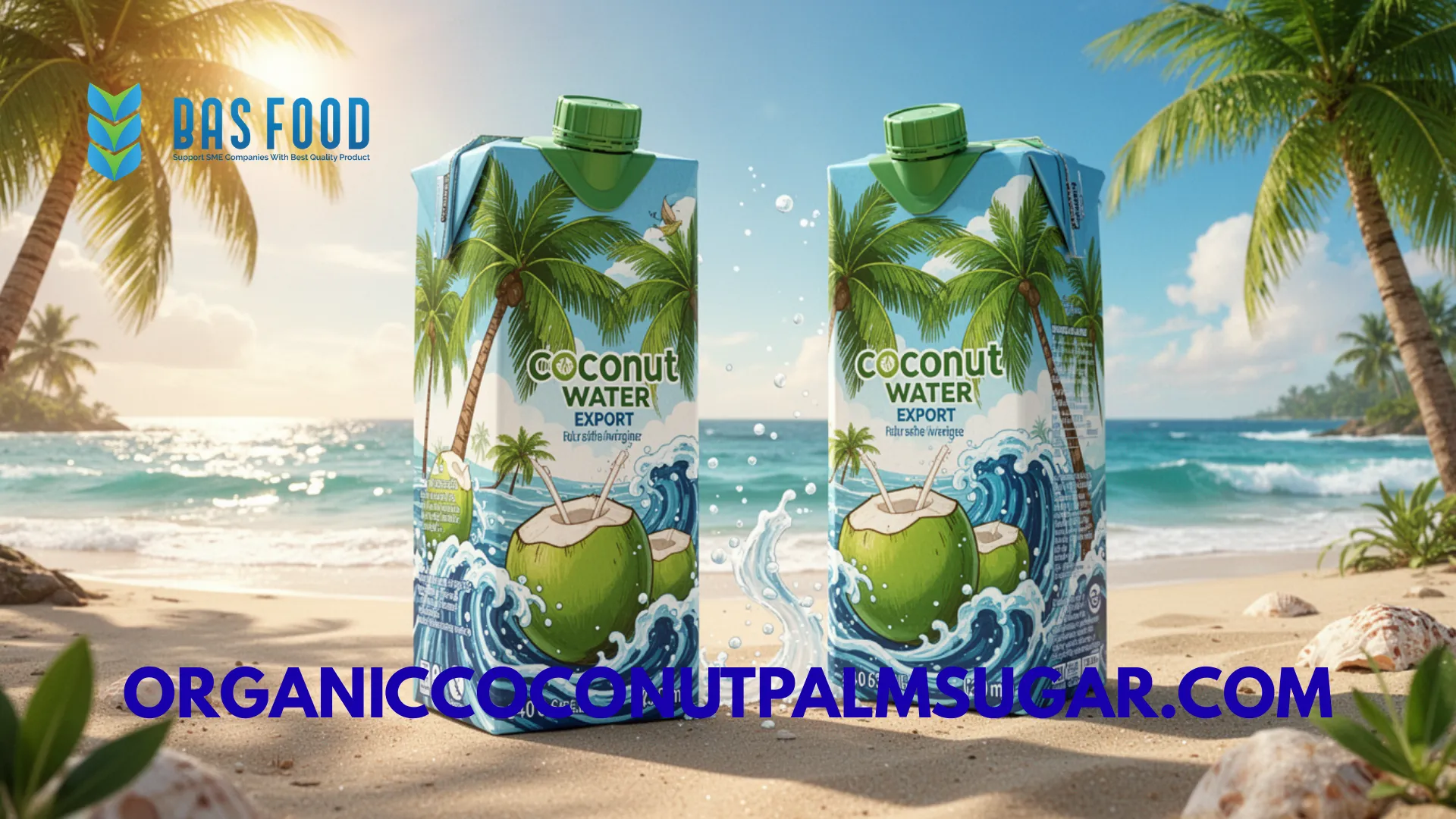
Why Source Evaluation Matters for Beverage Brands
Ingredient inconsistency can disrupt production planning. Even small variations in Brix level or clarity may affect flavor balance in ready-to-drink beverages.
In addition, organic certification requires documented traceability. Buyers should verify farm origin, harvest practices, and certification validity. Reliable sourcing reduces reformulation costs and compliance risks.
Regulatory and Organic Certification Requirements
Organic status must align with your destination market. For example, exporters may comply with EU Organic Regulation or USDA National Organic Program standards. Documentation should include valid certificates and transaction records.
Moreover, importers must review labeling and residue testing policies. Some markets require additional microbial or heavy metal analysis. Early verification prevents customs delays.
International Trade Compliance and Export Documentation
Bulk beverage ingredients require accurate export paperwork. These documents include health certificates, certificates of origin, and commercial invoices. Errors can delay port clearance.
Companies experienced in seafood export regulations often demonstrate strong compliance culture. For example, exporters handling tuna species such as Bluefin tuna or Yellowfin tuna must meet strict traceability and inspection standards. That discipline often strengthens documentation practices across other product categories.
Processing Methods and Shelf-Life Stability
Pasteurization vs Aseptic Processing
Pasteurized coconut water typically requires refrigerated storage. Shelf life may range from several weeks to a few months, depending on packaging.
Aseptic processing, on the other hand, enables ambient storage when properly sealed. This method reduces cold storage dependency but requires advanced equipment and strict hygiene control.
Impact on Formulation
Processing temperature can influence flavor profile and color. Therefore, beverage developers should request samples processed under the same conditions as commercial shipments. Lab testing ensures compatibility with your formulation goals.
Cold Chain Logistics and Temperature Control
Cold chain management directly affects product safety. Temperature deviations can increase microbial growth and reduce shelf life.
Therefore, importers must confirm container specifications and monitoring systems. Data loggers should track temperature from factory to destination port. Exporters with experience in frozen fish logistics understand strict temperature discipline and documentation accuracy.
Quality Control Systems and Laboratory Testing
Quality assurance should begin at farm level and continue through processing. Regular microbial testing, pH checks, and Brix analysis help maintain consistency.
In addition, batch coding supports traceability. This system allows rapid response if any issue arises. Buyers should review standard operating procedures and recent audit reports before approving suppliers.
Supply Capacity and Harvest Cycles
Coconut production depends on climate and regional conditions. Some producing countries offer year-round harvest, while others face seasonal peaks.
Therefore, evaluate annual capacity and contingency planning. Multiple sourcing zones within one country reduce climate-related disruption. Stable volume supports long-term beverage contracts.
Packaging Formats and Transport Efficiency
Bulk organic coconut water may ship in aseptic bags, drums, or intermediate bulk containers. Packaging choice affects freight cost and storage requirements.
Furthermore, container loading efficiency influences total landed cost. Buyers should compare packaging density, palletization methods, and transit time. Clear coordination between exporter and freight forwarder prevents avoidable delays.
Risk Factors and Mitigation Strategies
Microbial contamination, certification lapses, and shipment delays represent common risks. However, structured supplier audits reduce these concerns.
Buyers should implement supplier approval programs and periodic performance reviews. In addition, diversification across harvest regions adds resilience to supply chains.
Working With Experienced Exporters
Exporters active across multiple agricultural sectors often maintain strong compliance systems. For instance, CV Bonafide Anugerah Sentosa manages fishery products, spices, cocoa derivatives, and coconut-based ingredients for global buyers.
Their experience with cold chain logistics, quality control, and international trade compliance supports consistent export execution. While product categories differ, operational discipline remains consistent across commodities.
Best Practices Before Finalizing a Bulk Contract
First, request technical specifications and recent lab results. Second, confirm shelf-life validation data under expected storage conditions.
Next, review organic certification scope and expiration dates. Finally, conduct a trial shipment to evaluate logistics performance and product stability under real conditions.
Conclusion: Reducing Risk Through Structured Evaluation
Importing bulk organic coconut water requires systematic assessment. Climate conditions, processing technology, cold chain management, and compliance systems all influence long-term reliability.
By applying structured due diligence and working with experienced exporters, beverage manufacturers can secure stable supply and protect product quality. Careful evaluation reduces hesitation and supports confident purchasing decisions.
FAQ Section
1. How long does bulk organic coconut water typically last?
Shelf life depends on processing method and storage temperature. Aseptic products often last longer than refrigerated pasteurized versions.
2. Does bulk coconut water require cold chain transport?
Pasteurized products usually require refrigeration. Aseptic formats may ship at ambient temperature but still require stable handling conditions.
3. What certifications should exporters provide?
Exporters should provide valid organic certificates, health certificates, and certificates of origin. Buyers should verify issuing authorities.
4. How can buyers test product consistency?
Laboratory analysis for Brix, pH, and microbial levels ensures consistency. Batch sampling before shipment adds extra assurance.
5. What risks should importers plan for?
Common risks include temperature deviation, documentation errors, and harvest fluctuations. Structured supplier audits and monitoring systems reduce exposure.
Contact CV Bonafide Anugerah Sentosa how we can provide the best solutions for you. WhatsApp: +62 8213 4505 737, Email: info@bonafideanugerahsentosa.com / bas.mdir@gmail.com.