The global food industry is changing rapidly. Consumers are paying closer attention to ingredient labels and increasingly choosing products made with natural, minimally processed ingredients. As a result, food manufacturers are actively searching for healthier and more sustainable sweetening solutions. Among the many options available today, coconut-based sweeteners have gained significant popularity. Two of the most widely used products are coconut nectar and coconut sugar. The coconut nectar vs coconut sugar debate is common in the industry, as both originate from the same raw material, yet they offer different characteristics, applications, and advantages. For food manufacturers, distributors, importers, and private-label brands, understanding the differences between these products is essential. Choosing the right sweetener can influence product formulation, consumer appeal, production efficiency, and market positioning.
This comprehensive guide explores the topic of coconut nectar vs coconut sugar, helping global buyers understand how these products are produced, how they differ, and which option may be best suited for specific applications.
What Are Coconut Sweeteners?
Before comparing coconut nectar and coconut sugar, it is important to understand the broader category they belong to.
Coconut sweeteners are natural sweetening products derived from the sap of coconut flower blossoms. Farmers collect the sap before coconuts develop into mature fruit. The sap naturally contains sugars, minerals, amino acids, and other plant compounds.
Unlike highly refined sugar products, coconut sweeteners generally undergo minimal processing. Producers focus on concentrating the sap while preserving much of its natural character.
The growing popularity of coconut sweeteners is closely linked to consumer demand for clean-label ingredients. Many brands now use coconut-derived sweeteners to support natural product positioning and meet market demand for recognizable ingredients.
As food companies continue exploring natural sugar alternatives, coconut nectar and coconut sugar have become leading options for various food and beverage applications.
What Is Coconut Nectar?
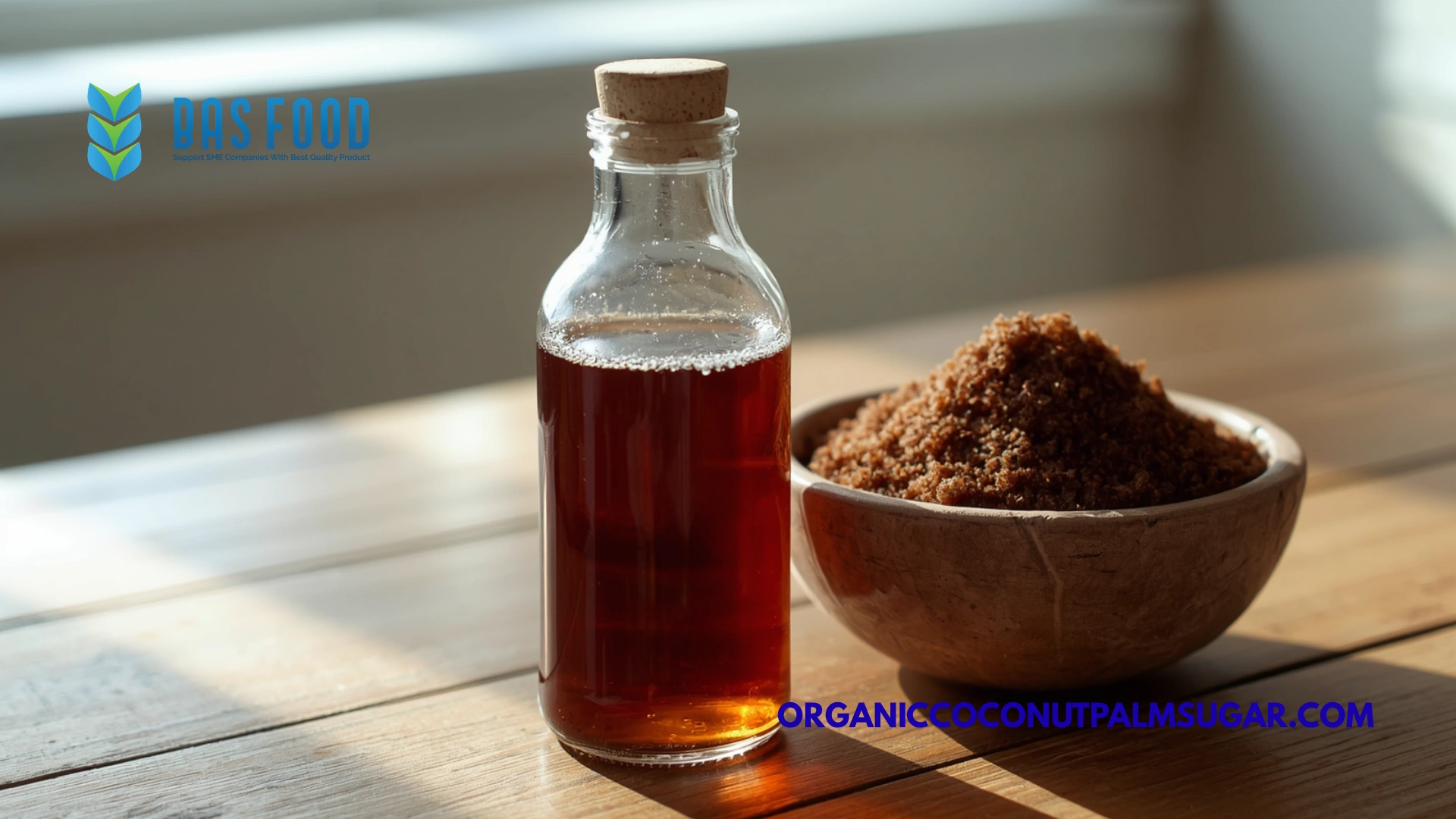
Coconut nectar is a liquid sweetener produced by concentrating fresh coconut blossom sap.
The production process begins with sap collection from coconut flower stalks. After harvesting, producers filter the sap and gently heat it to remove excess water. As the moisture evaporates, the sap becomes a thick golden syrup known as coconut nectar.
Because the process stops before crystallization occurs, coconut nectar retains its liquid consistency. This characteristic makes it particularly useful in applications that require a pourable sweetener.
Many consumers appreciate coconut nectar because it is minimally processed and maintains a rich caramel-like flavor profile. Its natural sweetness and smooth texture allow manufacturers to use it in a wide range of food products.
Today, coconut nectar is commonly found in premium beverages, health foods, sauces, dressings, and functional food products.
What Is Coconut Sugar?
Coconut sugar begins with the same raw material used for coconut nectar: fresh coconut sap.
However, the production process continues beyond the syrup stage. After concentrating the sap into a thick syrup, producers continue heating until most of the moisture evaporates. The syrup eventually crystallizes into solid sugar.
The resulting product can be processed into granules, powders, blocks, or other formats depending on market requirements.
Coconut sugar has become one of the most popular natural sugar alternatives worldwide. Many consumers use it as a replacement for conventional cane sugar in baking, cooking, and beverage preparation.
Its familiar granular form makes it easy to incorporate into existing food manufacturing processes. Consequently, coconut sugar enjoys broad acceptance across retail and industrial markets.
Coconut Nectar vs Coconut Sugar: Understanding the Production Difference
The most important distinction in the coconut nectar vs coconut sugar comparison lies in the production process.
Both products originate from coconut sap harvesting. Farmers collect sap from coconut flower blossoms using traditional tapping methods. The sap is then filtered and transferred to processing facilities.
At this point, the manufacturing processes remain identical. Producers heat the sap to remove water and concentrate the natural sugars.
The difference occurs during the final processing stage.
For coconut nectar, manufacturers stop processing while the product remains in liquid form. The result is a thick syrup that can be poured and blended easily.
For coconut sugar, producers continue heating until crystallization occurs. The final product becomes solid and suitable for grinding into granules or powder.
Although the production difference may seem simple, it significantly affects product functionality and application possibilities.
Comparing Flavor Profiles
Flavor is one of the most important factors buyers consider when selecting sweeteners.
Coconut nectar offers a rich, smooth sweetness with distinct caramel and molasses notes. Its liquid consistency helps distribute flavor evenly throughout formulations.
Many food manufacturers choose coconut nectar because it provides complexity without overpowering other ingredients.
Coconut sugar shares a similar flavor profile but often exhibits a deeper and slightly stronger caramel character due to additional concentration during processing.
Both products offer unique sensory benefits compared with refined white sugar. However, the choice often depends on the desired taste profile and product application.
Manufacturers creating premium beverages may prefer coconut nectar, while bakery producers frequently select coconut sugar because of its familiar functionality.
Texture and Functionality Differences
Another key factor in the coconut nectar vs coconut sugar discussion is texture.
Coconut nectar remains a liquid syrup. This makes it highly suitable for products requiring smooth incorporation without additional dissolving steps.
Manufacturers commonly use coconut nectar in:
- Beverages
- Smoothies
- Syrups
- Dressings
- Sauces
- Functional foods
Its liquid nature allows for easy mixing and blending.
Coconut sugar, on the other hand, provides a dry format similar to traditional sugar. This characteristic makes it ideal for:
- Baking mixes
- Cookies
- Cakes
- Confectionery
- Dry ingredient blends
- Powdered beverage formulations
The choice often depends on whether manufacturers require a liquid or dry sweetening ingredient.
Nutritional Considerations
Consumers increasingly evaluate sweeteners based on perceived nutritional value.
Both coconut nectar and coconut sugar originate from coconut sap and contain naturally occurring minerals and plant compounds.
Because they undergo relatively minimal processing compared with refined sugar, many consumers view them as more natural alternatives.
However, buyers should recognize that both products remain sweeteners and primarily function as sources of sugar.
Food manufacturers should avoid making unsupported health claims and instead focus on factual product characteristics such as sourcing, processing methods, and ingredient transparency.
The growing popularity of coconut-based sweeteners largely reflects consumer interest in natural and minimally processed ingredients rather than specific nutritional advantages.
Sustainability Benefits of Coconut Sweeteners
Sustainability has become a major purchasing consideration across global supply chains.
One reason coconut sweeteners continue gaining popularity is their connection to sustainable agricultural practices.
Coconut trees can remain productive for decades. Farmers harvest sap from flowering stalks while the trees continue growing and producing.
This renewable production model helps support long-term agricultural sustainability.
Additionally, coconut farming often provides income for rural communities throughout tropical regions. The production of coconut nectar and coconut sugar supports local livelihoods while promoting agricultural development.
For brands pursuing environmental and social responsibility goals, coconut-derived sweeteners can contribute to sustainability-focused sourcing strategies.
Market Demand for Natural Sugar Alternatives
Consumer preferences continue driving growth in the global market for natural sugar alternatives.
Today’s shoppers frequently seek products with shorter ingredient lists and recognizable ingredients. This trend has encouraged manufacturers to explore alternatives to conventional refined sugar.
Coconut nectar and coconut sugar both align with clean-label and natural product trends. Consequently, demand for these ingredients continues increasing across multiple sectors.
Key growth categories include:
Food and Beverage Industry
Manufacturers use coconut sweeteners in:
- Functional beverages
- Plant-based foods
- Organic products
- Nutritional supplements
- Bakery Industry
Bakers use coconut sugar extensively in:
- Cookies
- Cakes
- Muffins
- Artisan breads
- Health Food Market
Health-focused brands increasingly incorporate coconut nectar and coconut sugar into premium product formulations.
As consumer awareness grows, market opportunities for coconut-based sweeteners are expected to expand further.
Which Is Better: Coconut Nectar or Coconut Sugar?
There is no universal answer to this question.
The best choice depends on the intended application.
Coconut nectar is often preferred when manufacturers need:
- Liquid sweetening solutions
- Smooth blending
- Beverage applications
- Sauce and dressing formulations
Coconut sugar is typically preferred when manufacturers require:
- Dry ingredient formats
- Baking applications
- Granulated sweeteners
- Sugar replacement in traditional recipes
Both products offer valuable functionality and support clean-label product development.
For many manufacturers, the ideal strategy is not choosing one over the other but incorporating both products into different product categories.
Understanding formulation requirements helps determine which sweetener delivers the best performance.
Why Indonesia Leads the Global Coconut Sweetener Industry
Indonesia is one of the world’s largest producers of coconut-based products.
Millions of coconut trees grow across the country, creating a stable supply of raw materials for both coconut nectar and coconut sugar production.
Indonesian farmers possess extensive experience in coconut sap harvesting and traditional sweetener production. Combined with modern processing facilities, this expertise supports high-quality export products.
Many Indonesian suppliers also maintain food safety certifications and export capabilities that meet international market requirements.
As global demand for coconut sweeteners continues increasing, Indonesia remains one of the most reliable sourcing destinations for international buyers.
Partner with a Trusted Coconut Sweetener Supplier from Indonesia
For food manufacturers, distributors, and importers seeking premium coconut sweeteners, selecting the right supplier is essential.
CV Bonafide Anugerah Sentosa supplies coconut nectar, coconut sugar, organic coconut sugar, and a wide range of coconut-derived products for international markets. The company works closely with Indonesian producers to ensure quality, consistency, and reliable export performance.
In addition to coconut sweeteners, CV Bonafide Anugerah Sentosa supplies virgin coconut oil, coconut milk products, spices, coffee products, and fishery products. Through strong sourcing networks and export expertise, the company helps global buyers access premium Indonesian agricultural commodities.
Whether you are developing new food products or expanding your ingredient portfolio, partnering with an experienced supplier can strengthen your supply chain and support long-term growth.
Conclusion
The comparison of coconut nectar vs coconut sugar reveals that both products offer unique advantages for food manufacturers and global buyers. Although they originate from the same coconut sap, differences in processing create distinct characteristics that suit different applications.
Coconut nectar provides a versatile liquid sweetener ideal for beverages, sauces, and functional foods. Coconut sugar offers a familiar dry format suitable for baking and traditional sugar replacement applications.
As consumer demand for natural sugar alternatives continues to grow, both products are expected to play increasingly important roles in food innovation. By understanding the strengths of each option and sourcing from reliable suppliers, businesses can successfully meet evolving market expectations while supporting clean-label product development.