The global food industry is experiencing a major shift toward natural ingredients. Consumers increasingly prefer products made from recognizable and minimally processed ingredients. As a result, manufacturers are actively searching for alternatives to refined sugar that align with clean-label and sustainability trends. One product gaining significant attention is coconut nectar. Derived from the sap of coconut blossoms, this natural sweetener offers a rich flavor profile, versatile applications, and a production process rooted in traditional agricultural practices. Today, food manufacturers, beverage companies, organic brands, and ingredient distributors worldwide are exploring coconut nectar as a premium sweetening solution. Understanding coconut nectar production is essential for buyers seeking reliable sourcing partners and high-quality products. The coconut nectar production process directly affects flavor, quality, consistency, and market value. Therefore, companies involved in food manufacturing must understand how coconut nectar is produced before selecting suppliers.
This comprehensive guide explains every stage of coconut nectar production, from coconut sap harvesting to final packaging, while highlighting why Indonesia remains one of the world’s leading suppliers of coconut-based sweeteners.
What Is Coconut Nectar?
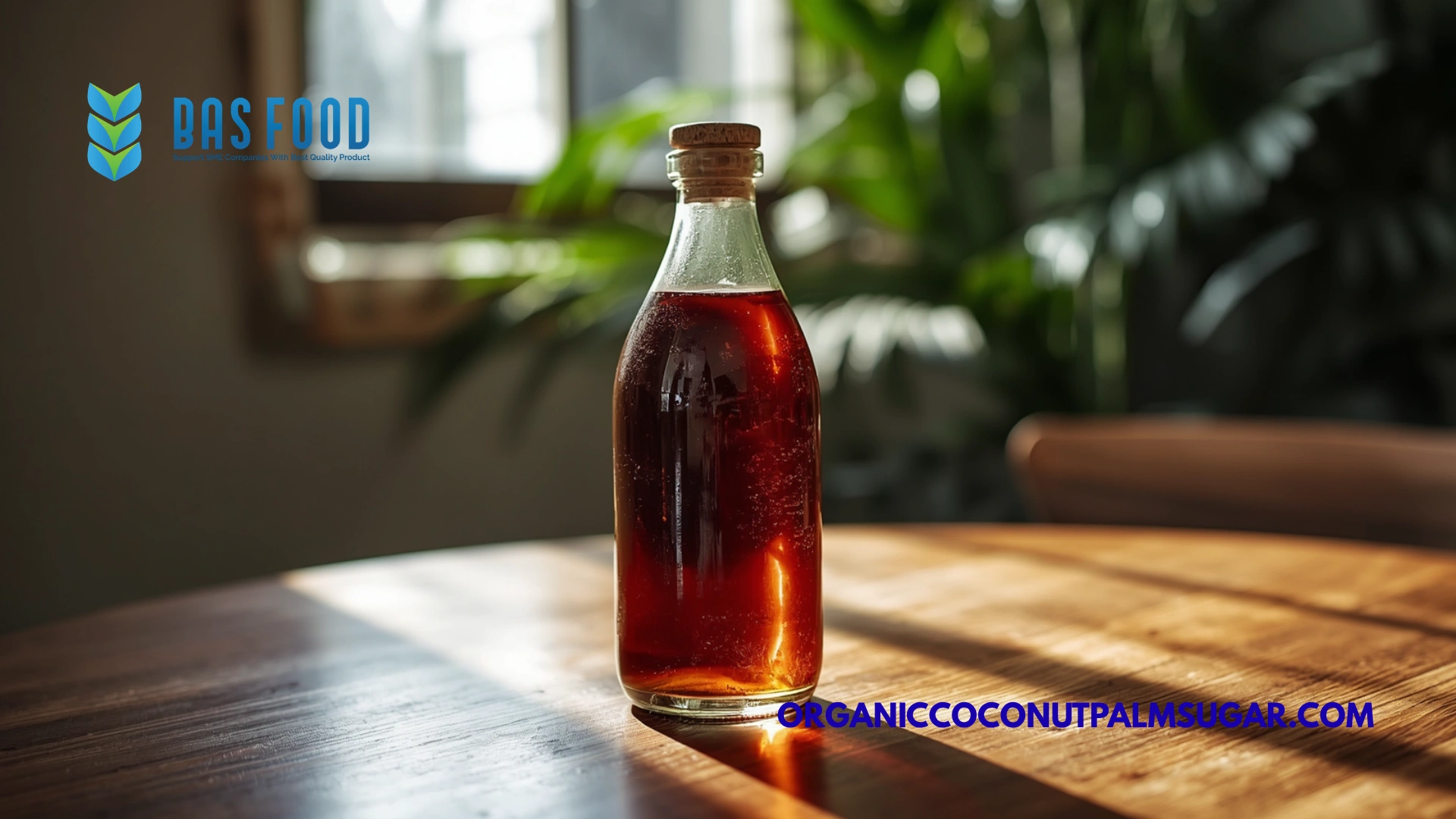
Coconut nectar is a natural liquid sweetener produced from the sap collected from coconut flower blossoms. Before coconuts develop into fruit, coconut trees produce flowering stalks that contain nutrient-rich sap. Farmers carefully collect this sap and process it into a thick syrup known as coconut nectar.
Unlike refined sugar, coconut nectar undergoes minimal processing. Producers simply collect the fresh sap and gently evaporate excess water through controlled heating. This method helps preserve much of the natural character of the original sap.
Because of its natural origin, coconut nectar has become a popular ingredient in health-conscious food products. Manufacturers often use it in beverages, bakery products, sauces, snack foods, and nutritional formulations.
The growing demand for clean-label ingredients has contributed significantly to the expansion of the global coconut nectar market. Consequently, many international buyers are now seeking suppliers that specialize in professional coconut nectar production.
Understanding the Source: The Coconut Blossom
The entire coconut nectar production process begins with the coconut blossom. These flowering structures appear before the coconut fruit develops and contain the sap that serves as the raw material for nectar production.
Healthy coconut trees are essential for producing high-quality sap. Farmers typically select mature trees that consistently generate strong flowering stalks. The quality of the tree often influences the volume and composition of sap collected.
Environmental conditions also play a critical role. Tropical climates with adequate rainfall, fertile soil, and proper cultivation practices support optimal sap production. Indonesia’s tropical environment provides ideal growing conditions, which explains why the country has become one of the world’s leading coconut nectar producers.
The flowering stalks require careful preparation before sap collection begins. Skilled farmers gently massage and condition the blossoms over several days to stimulate sap flow. This traditional practice remains an important part of coconut sap harvesting in many producing regions.
Coconut Sap Harvesting: The Foundation of Quality Coconut Nectar
One of the most critical stages of coconut nectar production is coconut sap harvesting. The quality of the final nectar depends heavily on how the sap is collected and handled.
Farmers make precise cuts on the coconut flower stalk and place collection containers beneath the cut area. The sap slowly drips into these containers over several hours. Collection usually occurs twice daily to maintain freshness and prevent spoilage.
Fresh coconut sap is highly perishable. Natural fermentation can begin shortly after collection if the sap is not handled properly. Therefore, producers must transport the sap quickly to processing facilities.
Proper hygiene during coconut sap harvesting is equally important. Clean collection containers, sanitary handling procedures, and rapid transportation help preserve sap quality and reduce contamination risks.
Experienced farmers understand that even small variations during harvesting can affect flavor, color, and overall product quality. Consequently, professional coconut nectar producers invest significant effort in training and quality control at the harvesting stage.
The Journey from Fresh Sap to Coconut Nectar
Once the sap arrives at the processing facility, it enters the next stage of coconut nectar production.
The first step involves filtration. Producers remove any natural debris or impurities collected during harvesting. This process ensures a cleaner raw material before concentration begins.
After filtration, the sap is transferred into evaporation vessels. Controlled heating gradually removes excess water while concentrating the natural sugars present in the sap. This stage transforms the thin liquid sap into a thicker syrup.
Unlike highly refined sweeteners, coconut nectar producers generally use gentle heating methods. Excessive heat can negatively affect flavor, color, and nutritional properties. Therefore, maintaining appropriate temperatures is essential for preserving product quality.
As evaporation continues, the liquid develops a rich golden-brown appearance and characteristic caramel-like flavor. These qualities make coconut nectar highly desirable in premium food applications.
The final product is then cooled and prepared for packaging or further processing depending on customer specifications.
Coconut Syrup Production vs Coconut Sugar Production
Many buyers wonder about the difference between coconut syrup production and coconut sugar production.
Both products originate from the same raw material: coconut sap. However, the processing stages differ after evaporation.
In coconut nectar or coconut syrup production, manufacturers stop the concentration process while the product remains in liquid form. The result is a thick, pourable syrup with a smooth texture.
For coconut sugar production, producers continue heating the syrup until it reaches a much lower moisture content. The concentrated syrup eventually crystallizes into granulated or powdered coconut sugar.
Although both products share similar origins, they serve different applications within the food industry. Coconut nectar is commonly used in beverages, sauces, dressings, and liquid sweetener formulations. Coconut sugar is more often used in baking, confectionery, and dry ingredient blends.
Understanding this distinction helps buyers select the most appropriate product for their manufacturing needs.
Quality Control in Coconut Nectar Production
Quality assurance is a critical component of modern coconut nectar production. International buyers expect products that meet strict food safety and consistency standards.
Producers implement quality control measures throughout the entire production process. These controls begin with supplier selection and continue through harvesting, transportation, processing, packaging, and storage.
Laboratory testing often includes:
- Moisture content analysis
- Microbiological testing
- Sugar profile evaluation
- Heavy metal screening
- Product consistency verification
In addition, manufacturers maintain detailed traceability systems. These systems help track products from coconut farms to export shipments.
Consistent quality is particularly important for food manufacturers that rely on coconut nectar as a functional ingredient. Variations in flavor, viscosity, or color can affect final product performance.
Therefore, buyers should prioritize suppliers that maintain comprehensive quality management programs.
Sustainability Benefits of Coconut Nectar Production
Sustainability has become an increasingly important consideration for food manufacturers and ingredient buyers.
Fortunately, coconut nectar production aligns well with sustainable agricultural principles. Unlike crops that require complete harvesting, coconut trees continue producing blossoms and sap over many years.
This long-term productivity helps reduce environmental impact while supporting stable agricultural communities. Coconut farmers can generate recurring income without removing the trees from production.
Additionally, coconut farming often supports biodiversity through mixed agricultural systems. Many coconut-growing regions integrate other crops within coconut plantations, creating more resilient farming ecosystems.
For companies pursuing environmental, social, and governance (ESG) goals, sourcing coconut nectar can support sustainability initiatives while meeting consumer demand for responsibly produced ingredients.
Why Indonesia Leads Global Coconut Nectar Production
Indonesia is one of the world’s largest coconut-producing countries. Millions of coconut trees grow throughout the archipelago, providing abundant raw materials for coconut nectar production.
The country’s favorable climate allows year-round coconut cultivation. This consistent supply supports reliable production schedules and export availability.
Indonesian farmers also possess generations of experience in coconut sap harvesting and coconut-based product manufacturing. Traditional knowledge combined with modern processing technology enables producers to achieve high-quality results.
In recent years, many Indonesian manufacturers have upgraded their facilities to meet international food safety standards. These investments have strengthened Indonesia’s position as a preferred sourcing destination for global buyers.
Furthermore, Indonesia offers competitive production costs and strong export infrastructure, making it an attractive option for importers seeking dependable supply chains.
Applications of Coconut Nectar in the Global Food Industry
The versatility of coconut nectar contributes significantly to its growing popularity.
Food manufacturers use coconut nectar in a wide variety of products, including:
- Beverages
- Functional drinks
- Smoothies
- Coffee products
- Tea beverages
- Wellness drinks
- Bakery Products
- Cakes
- Cookies
- Muffins
- Artisan breads
- Sauces and Dressings
- Marinades
- Salad dressings
- Glazes
- Cooking sauces
- Health Foods
- Energy bars
- Nutritional supplements
- Plant-based products
- Organic snack foods
Its natural sweetness and appealing flavor profile make it suitable for numerous food applications.
As consumer demand for natural sweeteners continues to increase, coconut nectar is expected to play an increasingly important role in product innovation.
Choosing the Right Coconut Nectar Supplier
Selecting a reliable supplier is essential for ensuring product quality and supply chain stability.
Buyers should evaluate several key factors when sourcing coconut nectar.
Product Quality
Request product specifications, laboratory reports, and samples before committing to large purchases.
Food Safety Standards
Verify compliance with recognized food safety systems and certifications.
Production Capacity
Ensure suppliers can support long-term volume requirements and future business growth.
Export Experience
Experienced exporters understand international shipping procedures and documentation requirements.
Traceability
Strong traceability systems provide greater transparency and confidence throughout the supply chain.
Building partnerships with reputable suppliers helps minimize sourcing risks and support long-term business success.
Partner with a Trusted Coconut Nectar Supplier from Indonesia
For businesses seeking premium-quality coconut nectar, choosing an experienced Indonesian exporter can provide substantial advantages.
CV Bonafide Anugerah Sentosa supplies coconut nectar and a wide range of coconut-derived products for international markets. The company works closely with Indonesian farmers and processors to ensure product quality, consistency, and reliable export performance.
In addition to coconut nectar, CV Bonafide Anugerah Sentosa supplies coconut sugar, organic coconut sugar, virgin coconut oil, coconut milk products, spices, coffee, and fishery products. Through strong sourcing networks and export expertise, the company helps global buyers access high-quality Indonesian agricultural products.
Whether you are a food manufacturer, ingredient distributor, wholesaler, or private-label brand, partnering with a trusted Indonesian supplier can strengthen your sourcing strategy and support long-term growth.
Conclusion
As global demand for natural sweeteners continues to grow, understanding coconut nectar production has become increasingly important for buyers and manufacturers. From coconut sap harvesting to professional coconut syrup production, every stage influences the quality, flavor, and market value of the final product.
Indonesia remains one of the world’s most important sources of coconut nectar due to its abundant coconut resources, skilled farming communities, and expanding export capabilities. By working with reliable suppliers that prioritize quality, sustainability, and food safety, buyers can secure a dependable source of premium coconut nectar for international markets.
With its clean-label appeal, versatile applications, and sustainable production model, coconut nectar is positioned to remain a valuable ingredient in the future of the global food industry.