Consumers around the world are becoming more careful about the food they eat. They read labels, compare ingredients, and search for healthier alternatives to traditional products. One of the biggest concerns today is sugar consumption and its impact on blood sugar levels. Because of this, the concept of glycemic index has become increasingly important in the food and beverage industry. Manufacturers, distributors, and health-conscious consumers now pay close attention to sweeteners that may offer a lower glycemic response. This trend has created strong interest in coconut sugar, especially organic coconut sugar. Many brands market it as a more natural option compared to refined white sugar. One of the key reasons for this growing demand is the reputation of the organic coconut sugar glycemic index. Many food manufacturers promote coconut sugar as a natural sweetener with a lower glycemic value than conventional sugar. This makes it attractive for businesses targeting premium, healthy, and clean-label markets.
At the same time, companies developing healthier food products are actively searching for a reliable low GI sweetener coconut ingredient to include in their formulations. This article explains what glycemic index means, how coconut sugar is produced, and why organic coconut sugar has become an important product in global food markets.
What Is Glycemic Index and Why Is It Important?
Understanding the Basics of Glycemic Index
The glycemic index, often called GI, is a system used to measure how quickly carbohydrate-containing foods raise blood sugar levels after consumption. Foods are ranked on a scale from 0 to 100.
Foods with a high GI are digested and absorbed quickly, causing rapid increases in blood sugar. In contrast, foods with a lower GI are absorbed more slowly, leading to a more gradual rise in glucose levels.
This concept is important because blood sugar management plays a major role in overall health. Consumers who want balanced energy levels often prefer foods with lower glycemic values.
For food manufacturers, understanding glycemic index is also important for product development. Many companies now design products specifically for health-conscious markets that prefer lower sugar spikes.
The Growing Consumer Awareness Around Sugar Alternatives
Public awareness about sugar consumption has increased significantly over the last decade. Consumers are now more educated about the relationship between diet, lifestyle, and long-term wellness.
As a result, demand for natural sweeteners has increased rapidly. Consumers are looking for alternatives that are less processed and closer to their natural form.
This trend has created new opportunities for products such as coconut sugar. The growing popularity of the organic coconut sugar glycemic index makes it especially attractive for brands focused on healthier positioning.
Additionally, food manufacturers are searching for ingredients that support clean-label marketing. Coconut sugar fits this demand because it is often minimally processed and naturally derived from coconut palm sap.
What Is Organic Coconut Sugar?
The Natural Source Behind Coconut Sugar
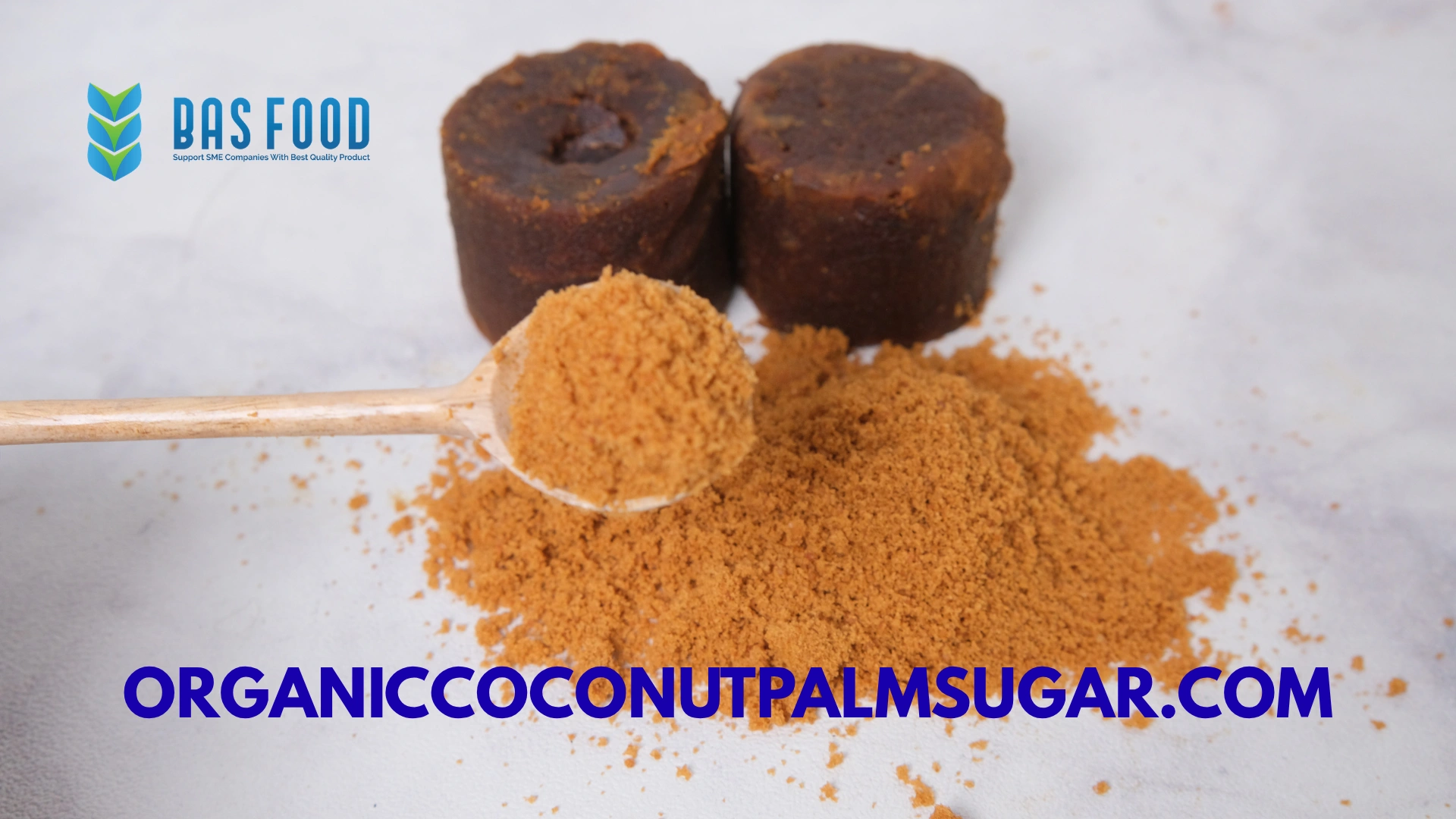
Organic coconut sugar is made from the sap of coconut palm flower blossoms. Farmers carefully tap the flower buds and collect the liquid sap before it develops into coconuts.
After collection, the sap is heated slowly to evaporate moisture. Over time, it thickens into syrup and eventually crystallizes into sugar granules or solid blocks.
Unlike refined white sugar, coconut sugar undergoes minimal processing. This helps preserve some naturally occurring minerals and compounds found in the sap.
Because of this simple production method, many consumers perceive coconut sugar as a more natural sweetener option.
What Makes Organic Coconut Sugar Different?
Organic coconut sugar differs from conventional sugar in several ways. First, it is less refined and generally does not involve bleaching or heavy chemical processing.
Second, it contains small amounts of minerals such as potassium, zinc, calcium, and iron. While these nutrients exist in limited quantities, they still contribute to the product’s natural appeal.
Third, many buyers are interested in the organic coconut sugar glycemic index because coconut sugar may produce a slower glucose response compared to refined sugar.
These characteristics make coconut sugar popular in:
- Health food products
- Organic snacks
- Vegan foods
- Functional beverages
- Clean-label bakery products
As demand grows, many food companies now use low GI sweetener coconut ingredients in premium product formulations.
Understanding Organic Coconut Sugar Glycemic Index
Why Coconut Sugar Is Considered Lower GI
One reason coconut sugar attracts attention is its relatively lower glycemic index compared to refined white sugar.
The lower GI value is often associated with the presence of inulin, a type of dietary fiber naturally found in coconut sap. Inulin may slow glucose absorption, leading to a more gradual blood sugar response.
Because of this, many consumers view coconut sugar as a better alternative to conventional sweeteners.
The growing interest in the organic coconut sugar glycemic index has helped expand global demand across health-focused markets.
Important Considerations About Glycemic Response
Although coconut sugar may have a lower GI compared to refined sugar, moderation remains important. Coconut sugar is still a form of sugar and contains calories and carbohydrates.
Different factors can also influence glycemic response, including:
- Individual metabolism
- Serving size
- Overall diet
- Product formulation
- Processing methods
Therefore, food manufacturers should communicate responsibly when marketing products containing coconut sugar.
Instead of positioning coconut sugar as a “healthy sugar,” many brands focus on its natural origin, lower processing level, and role as a low GI sweetener coconut ingredient.
Why Food Manufacturers Prefer Low GI Sweetener Coconut Ingredients
Supporting Health-Focused Product Trends
Global food trends increasingly focus on wellness, balanced nutrition, and natural ingredients. Consumers actively search for products that align with healthier lifestyles.
As a result, manufacturers are reformulating products using alternative sweeteners such as coconut sugar.
The use of low GI sweetener coconut ingredients allows brands to:
- Improve clean-label positioning
- Appeal to health-conscious buyers
- Support natural product marketing
- Differentiate premium products
This trend is especially strong in bakery, snack, cereal, and beverage industries.
Enhancing Flavor and Product Quality
Coconut sugar also offers functional benefits beyond glycemic considerations. It has a rich caramel-like flavor that enhances product taste naturally.
Unlike some artificial sweeteners, coconut sugar blends well in baked goods and beverages without leaving a strong aftertaste.
Manufacturers appreciate its versatility because it works well in:
- Granola bars
- Chocolate products
- Cookies
- Plant-based drinks
- Healthy desserts
This versatility continues to strengthen demand for products associated with the organic coconut sugar glycemic index.
How Organic Coconut Sugar Is Produced
Traditional Coconut Sugar Processing
Traditional coconut sugar production remains widely practiced in Indonesia and other Southeast Asian countries.
Farmers climb coconut trees and carefully collect fresh sap from flower blossoms. The sap is then filtered and cooked slowly over heat until it thickens and crystallizes.
This traditional method preserves the authentic flavor and natural character of coconut sugar.
Many buyers value traditional processing because it supports local farming communities and reflects sustainable agricultural practices.
Modern Processing for Global Export Standards
As international demand grows, producers increasingly combine traditional methods with modern food safety systems.
Modern facilities use:
- Stainless steel processing equipment
- Hygienic production rooms
- Controlled heating systems
- Quality testing laboratories
These improvements help maintain consistent quality and meet international certification requirements such as:
- Organic Certification
- HACCP
- ISO Standards
- Halal Certification
Reliable exporters ensure that products associated with the organic coconut sugar glycemic index meet global buyer expectations.
Global Market Trends for Organic Coconut Sugar
Rising Demand for Natural Sweeteners
The global sweetener market is changing rapidly. Consumers now prefer products made from recognizable and minimally processed ingredients.
This shift strongly supports coconut sugar growth in international markets such as:
- Europe
- United States
- Japan
- South Korea
- Taiwan
- Middle East
Manufacturers in these regions increasingly use low GI sweetener coconut ingredients in premium product lines.
Growth in Vegan and Plant-Based Industries
Plant-based food trends also contribute to coconut sugar demand. Coconut sugar is considered vegan-friendly because it comes directly from plant sap.
As vegan and dairy-free industries expand, more brands include coconut sugar in:
- Vegan snacks
- Dairy alternatives
- Organic bakery products
- Functional beverages
This growing demand creates long-term opportunities for exporters and coconut sugar suppliers worldwide.
Why Indonesia Leads the Organic Coconut Sugar Industry
Abundant Coconut Resources and Traditional Expertise
Indonesia is one of the world’s leading coconut-producing countries. Its tropical climate and vast coconut plantations provide strong production capacity.
In addition, Indonesian farmers have generations of experience producing coconut sugar using traditional techniques.
This combination of abundant resources and local expertise makes Indonesia a major supplier for global markets seeking products linked to the organic coconut sugar glycemic index.
Strong Export Infrastructure and Certification Systems
Indonesian exporters continue investing in modern processing facilities and international certifications.
Professional suppliers now offer:
- Organic-certified coconut sugar
- Bulk export services
- Private label packaging
- Customized product specifications
These capabilities help Indonesia remain highly competitive in the global natural sweetener market.
Why CV Bonafide Anugerah Sentosa Is a Trusted Supplier
Consistent Quality and Reliable Sourcing
CV Bonafide Anugerah Sentosa is a trusted Indonesian exporter specializing in coconut products, spices, coffee, and fishery products.
The company works closely with local farmers and processing facilities to maintain stable quality and reliable supply chains.
Their experience in global export markets makes them a dependable partner for businesses seeking high-quality coconut sugar products.
Supporting Global Buyers with Professional Export Services
CV Bonafide Anugerah Sentosa provides comprehensive export support, including:
- Product customization
- Export documentation
- Bulk supply management
- International logistics coordination
- Quality assurance systems
Their commitment to quality and professionalism helps buyers meet growing demand for products related to the low GI sweetener coconut market.
Future Opportunities in the Coconut Sugar Industry
Continued Growth of Health-Conscious Markets
The future of coconut sugar looks promising as consumers continue prioritizing natural and functional ingredients.
Demand for products associated with the organic coconut sugar glycemic index is expected to increase across multiple food sectors.
Manufacturers that invest in clean-label innovation and premium positioning will likely continue driving market expansion.
Sustainability and Ethical Sourcing Trends
Sustainability is becoming increasingly important in global food supply chains.
Consumers now prefer brands that support:
- Ethical farming
- Environmental responsibility
- Fair trade partnerships
- Transparent sourcing systems
Indonesian suppliers are responding by strengthening farmer partnerships and improving sustainable production practices.
Conclusion: Why Organic Coconut Sugar Continues to Gain Global Attention
Organic coconut sugar has become one of the most attractive natural sweeteners in today’s food industry. Its minimal processing, natural origin, and reputation as a lower glycemic alternative continue driving global demand.
Although moderation remains important, the growing interest in the organic coconut sugar glycemic index reflects changing consumer preferences toward healthier and more natural ingredients.
For food manufacturers, coconut sugar offers both functional and marketing advantages. It supports clean-label positioning while providing rich flavor and versatility across multiple applications.
Indonesia remains a leading source of high-quality coconut sugar thanks to its strong agricultural base and export expertise.
By partnering with experienced suppliers such as CV Bonafide Anugerah Sentosa, businesses can secure reliable access to premium coconut sugar products and strengthen their position in the expanding low GI sweetener coconut market.