Global demand for coconut-derived ingredients continues to grow across food manufacturing, cosmetics, and industrial sectors. As a result, sourcing decisions have become more strategic for international buyers. Many procurement teams now evaluate RBD coconut oil Indonesia against supply from other producing countries to determine the most reliable origin.
Indonesia has long been one of the world’s largest coconut producers. However, countries such as the Philippines, India, Sri Lanka, and Vietnam also supply refined coconut oil to global markets. Therefore, buyers often compare production scale, regulatory compliance, quality standards, and export infrastructure before choosing a supplier.
This article explains how RBD coconut oil Indonesia compares with other major origins. It examines production capacity, supply reliability, quality control systems, and trade logistics to help importers make informed sourcing decisions.
Understanding What RBD Coconut Oil Is
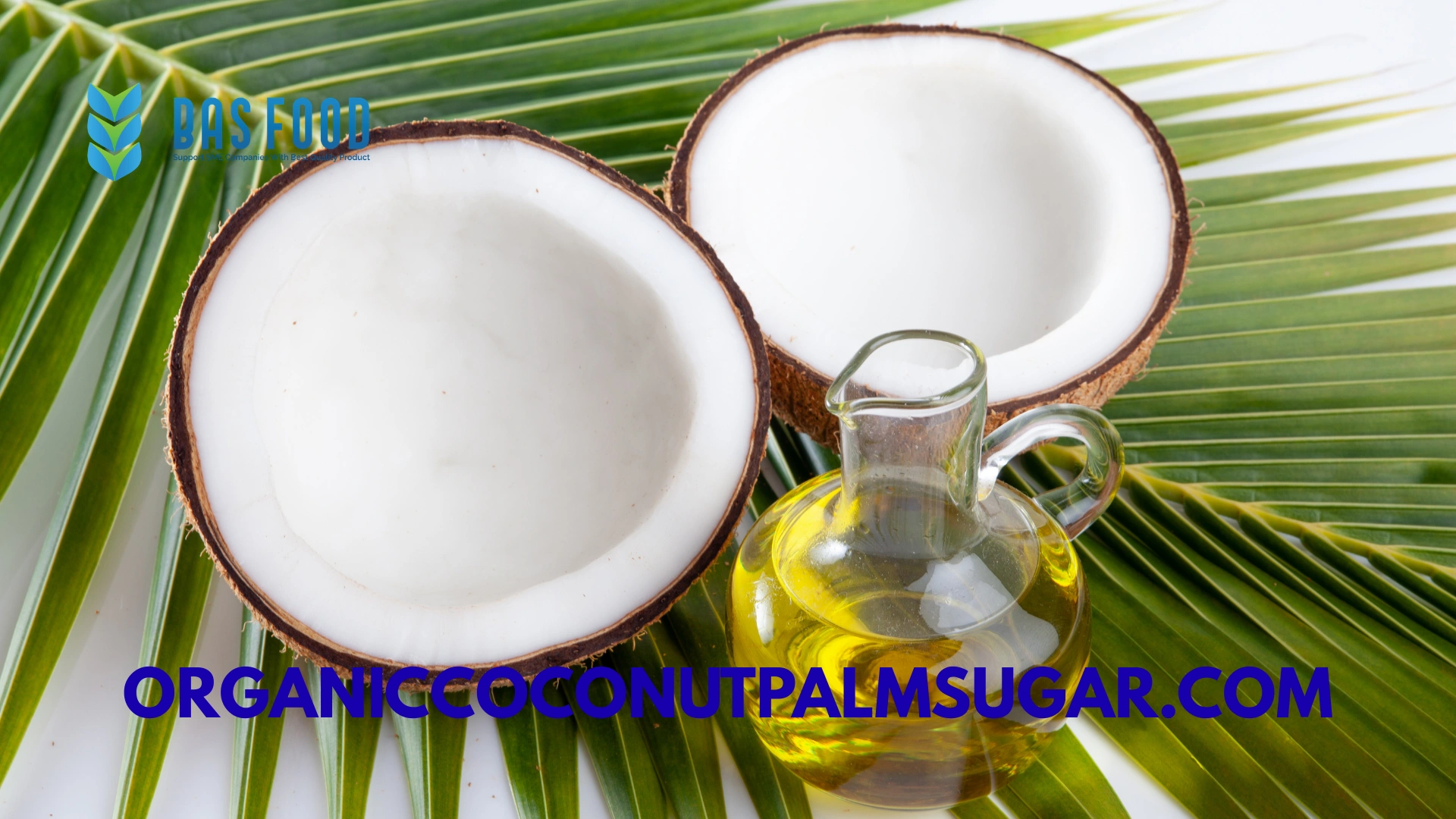
Refined, Bleached, and Deodorized coconut oil—commonly known as RBD coconut oil—is a processed form of coconut oil designed for large-scale industrial use. Manufacturers refine crude coconut oil to remove impurities, color, and odor.
As a result, the oil becomes neutral in taste and stable at high temperatures. These properties make it suitable for many industries, including food processing, cosmetics, soap manufacturing, and oleochemical production.
Because RBD coconut oil has consistent characteristics, international buyers prefer it for standardized manufacturing processes. Therefore, exporters must maintain strict quality control during refining and packaging.
Global Coconut Production Landscape
Several tropical countries produce coconuts and supply coconut oil to international markets. However, production volumes vary widely depending on climate, agricultural practices, and processing infrastructure.
According to global agricultural data, the largest coconut-producing regions include Southeast Asia and parts of South Asia. Indonesia and the Philippines usually dominate export markets, while India and Sri Lanka supply regional demand and niche export segments.
Because of these differences, sourcing managers often compare origin countries to determine long-term supply stability.
RBD Coconut Oil Indonesia in the Global Market
Indonesia consistently ranks among the top coconut producers worldwide. Large coconut plantations across Sumatra, Sulawesi, Java, and Maluku supply raw materials for coconut oil processing.
This wide geographic distribution helps stabilize production volumes. When harvest conditions change in one region, other regions can often compensate.
As a result, RBD coconut oil Indonesia benefits from strong raw material availability. Many international buyers view Indonesia as a reliable sourcing destination for coconut-based ingredients.
Coconut Oil Production in the Philippines
The Philippines has historically been one of the largest exporters of coconut oil. The country operates a mature coconut industry supported by large plantations and established refining facilities.
However, production levels sometimes fluctuate due to typhoons and aging coconut trees. Weather events can affect harvest volumes and export supply during certain seasons.
Nevertheless, Philippine producers still play an important role in the global coconut oil market. Many buyers diversify sourcing between Indonesia and the Philippines to reduce supply risks.
Coconut Oil Supply From India and Sri Lanka
India and Sri Lanka also produce coconut oil, although their export volumes are smaller compared with Southeast Asian suppliers.
India’s coconut industry focuses heavily on domestic consumption. A large portion of coconut oil production serves the country’s food sector and personal care market.
Sri Lanka, on the other hand, has developed a strong niche market for organic coconut products. Exporters often focus on value-added products such as virgin coconut oil, coconut flour, and coconut milk powder.
Therefore, these countries serve specialized segments rather than high-volume industrial buyers.
Manufacturing Processes and Quality Standards
Refining facilities play a crucial role in determining coconut oil quality. Processing typically includes degumming, bleaching, filtration, and deodorization.
Modern facilities use controlled temperature systems and filtration equipment to maintain product consistency. Additionally, laboratories test fatty acid profiles, moisture content, and contaminants.
In many Indonesian refineries, manufacturers follow international food safety frameworks such as HACCP, ISO quality management systems, and halal certification programs. These standards help exporters meet the requirements of international buyers.
Export Compliance and International Trade Requirements
Exporting coconut oil requires strict regulatory compliance. Importing countries often require documentation related to food safety, traceability, and chemical composition.
For example, exporters must provide certificates of analysis, phytosanitary documentation, and sometimes sustainability declarations. Customs authorities also require accurate product labeling and shipping documentation.
Furthermore, companies exporting food ingredients to regions such as the European Union or the United States must follow strict import regulations. Compliance helps reduce shipment delays and protects buyers from regulatory risks.
Logistics and Supply Chain Advantages in Indonesia
Indonesia’s geographic structure as an archipelago creates both challenges and advantages in commodity logistics. Major coconut-growing regions connect to export ports through established trade networks.
Key ports such as Surabaya, Jakarta, and Makassar serve as international shipping hubs for agricultural commodities. These ports handle containerized cargo and bulk shipments efficiently.
In addition, exporters often use integrated logistics systems to manage documentation, packaging, and shipping coordination. This infrastructure helps maintain steady export flows for coconut oil products.
Quality Control and Traceability in Coconut Supply Chains
Global buyers increasingly demand traceable supply chains. Therefore, coconut oil producers now monitor sourcing from farms through processing facilities.
Traceability systems often track farm origins, harvesting practices, and transportation stages. These systems help manufacturers verify product quality and sustainability claims.
Quality control laboratories also test products before shipment. These tests usually include moisture levels, free fatty acid content, and contamination screening.
Because of these practices, reliable exporters can maintain consistent product specifications for industrial customers.
Risk Factors When Comparing Supplier Countries
Although coconut oil markets remain stable overall, sourcing decisions still involve several risks. Climate change, weather patterns, and agricultural diseases can influence coconut harvest volumes.
Additionally, regulatory changes sometimes affect export documentation or food safety requirements. Import tariffs or trade policies may also alter market dynamics.
Therefore, buyers often mitigate these risks by diversifying suppliers across different producing regions. Long-term contracts and supplier audits also help stabilize supply chains.
Best Practices for Importers Evaluating Coconut Oil Origins
Importers often follow structured evaluation processes when selecting coconut oil suppliers. First, they review production capacity and raw material availability.
Next, they examine refining standards, certifications, and laboratory testing procedures. These factors ensure product consistency across large shipments.
Finally, buyers consider logistics reliability and export experience. Companies that have established international trade processes usually handle documentation and shipping more efficiently.
For example, Indonesian exporters such as CV Bonafide Anugerah Sentosa operate across several commodity sectors, including fishery products like Bluefin Tuna, spices, cocoa derivatives, and coconut-based ingredients. Companies with multi-sector export experience often develop strong compliance systems and global trade knowledge.
Conclusion
Global demand for coconut-derived ingredients continues to grow across food, cosmetic, and industrial sectors. As a result, sourcing decisions now require careful evaluation of origin countries and supply chains.
When comparing suppliers, RBD coconut oil Indonesia often stands out due to strong raw material availability, established refining infrastructure, and active export networks. However, other producing countries such as the Philippines, India, and Sri Lanka also contribute valuable supply options for international buyers.
Ultimately, the best sourcing strategy depends on production capacity, quality standards, regulatory compliance, and logistics reliability. Buyers who evaluate these factors carefully can build stable supply partnerships in the global coconut oil market.
FAQ Section
1. What is RBD coconut oil used for?
RBD coconut oil is widely used in food processing, baking, frying, cosmetics manufacturing, soap production, and industrial oleochemicals.
2. Why is Indonesia a major coconut oil exporter?
Indonesia has large coconut plantations, multiple growing regions, and strong export infrastructure. These factors support consistent coconut oil production.
3. How does Indonesian coconut oil compare to Philippine coconut oil?
Both countries are major producers. Indonesia often benefits from broader geographic production zones, while the Philippines has long-established refining industries.
4. What certifications should coconut oil exporters have?
Exporters commonly hold certifications such as HACCP, ISO quality standards, halal certification, and organic certification for certain product categories.
5. How do importers verify coconut oil quality?
Buyers usually request certificates of analysis, laboratory test results, traceability documentation, and supplier audits before purchasing.
Contact CV Bonafide Anugerah Sentosa how we can provide the best solutions for you. WhatsApp: +62 8213 4505 737, Email: info@bonafideanugerahsentosa.com / bas.mdir@gmail.com.