Every importer hopes for a smooth inspection. The container arrives, papers are stamped, and the goods move straight to the warehouse. However, in reality, many shipments of desiccated coconut fail inspection every year. This problem does not only cause delays. It also leads to extra costs, rejected goods, and damaged business relationships.
That is why understanding desiccated coconut inspection is not optional. It is a must. In this article, we will break down why some shipments fail inspection, what inspectors really look for, and how importers can reduce risks. We will use simple words, clear examples, and practical tips that work in real trade situations.
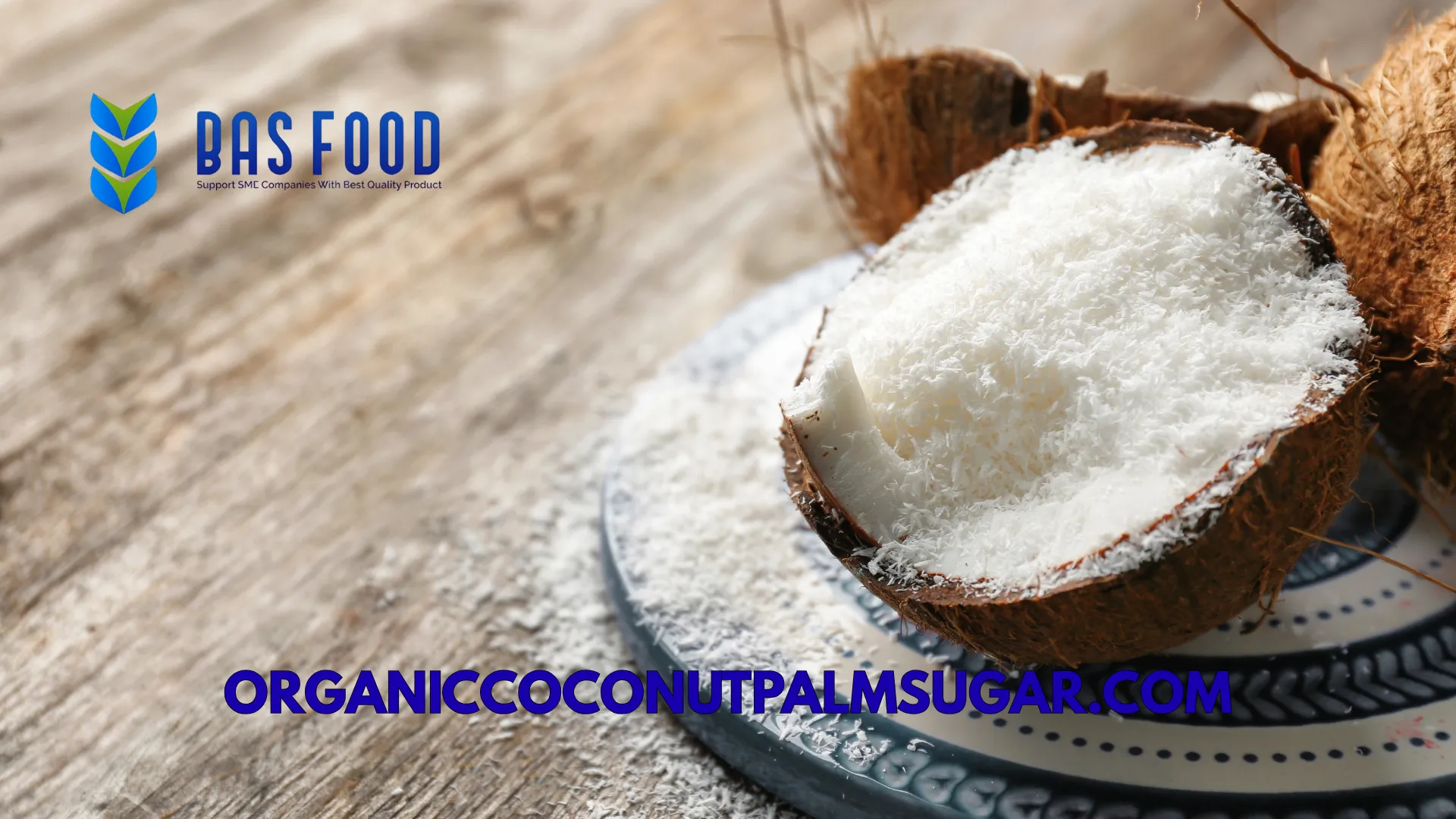
Understanding Desiccated Coconut Inspection Basics
Before talking about failures, it helps to understand what inspection really means. Desiccated coconut inspection is the process where authorities check the product against food safety rules, quality standards, and import regulations. This inspection usually happens at the port of entry or at an approved inspection facility.
Inspectors do not guess. Instead, they follow strict guidelines. They check documents, take samples, and test them in labs. Therefore, even a small mistake in production, packing, or paperwork can lead to big problems. Knowing this process is the first step to avoiding failure.
Poor Moisture Control: A Silent Deal Breaker
Moisture is one of the biggest reasons shipments fail inspection. Desiccated coconut must meet strict moisture limits. If the moisture level is too high, the product becomes a perfect place for mold and bacteria.
During inspection, samples are tested in a lab. If the moisture result exceeds the allowed limit, the shipment is often rejected. This usually happens when drying is uneven or storage conditions are poor. As a result, moisture control must be managed from factory to container loading.
Microbial Contamination and Food Safety Risks
Another common issue during desiccated coconut inspection is microbial contamination. Inspectors often test for salmonella, E. coli, yeast, and mold. These microorganisms are dangerous and unacceptable in food products.
Contamination can happen at many stages. For example, poor hygiene during processing, unclean equipment, or unsafe water can all cause problems. Therefore, factories must apply strict food safety systems like HACCP and GMP. Importers should only work with suppliers that understand these risks.
Inconsistent Color, Texture, and Grade
Visual quality matters more than many people think. Inspectors often check color, texture, and uniformity before lab testing. Desiccated coconut should be clean white or slightly off-white, depending on grade.
If inspectors see dark spots, yellowing, or uneven texture, they may suspect quality issues. This can trigger deeper testing or even rejection. These problems often come from old raw materials or overheating during drying. Consistent processing helps avoid this issue.
Foreign Matter: Small Things, Big Consequences
Foreign matter is another major reason shipments fail inspection. This includes shell fragments, fibers, plastic pieces, or metal particles. Even very small contaminants can cause rejection.
Inspectors use both visual checks and metal detection results. If foreign matter is found, it raises serious concerns about factory control. Therefore, good sieving, sorting, and metal detection systems are critical. Importers should request inspection reports before shipment.
Packaging Problems That Raise Red Flags
Packaging plays a bigger role in desiccated coconut inspection than many people realize. Inspectors check packaging for cleanliness, strength, and protection against moisture. Damaged or dirty bags often raise suspicion.
In addition, improper inner liners or poor sealing can cause moisture absorption during shipping. This leads to clumping and quality changes. Using food-grade, moisture-resistant packaging is not optional. It is a basic requirement for passing inspection.
Labeling and Documentation Errors
Sometimes, the product quality is good, but the shipment still fails inspection. Why? Because of paperwork errors. Inspectors carefully review labels, packing lists, certificates, and invoices.
Common mistakes include wrong product names, missing batch numbers, or mismatched weights. In desiccated coconut inspection, even small inconsistencies can cause delays or rejection. Therefore, documents must always match the physical goods exactly.
Country-Specific Regulations That Are Often Missed
Each importing country has its own rules. For example, the EU, USA, and Middle East all have different standards for food imports. Some require extra certificates, while others have strict contaminant limits.
Many shipments fail inspection simply because exporters or importers do not fully understand local rules. Therefore, staying updated with destination regulations is essential. Working with experienced exporters helps reduce this risk significantly.
Shipping Conditions and Transit Damage
Even if production is perfect, shipping conditions can ruin everything. Long transit times, high humidity, and temperature changes can damage desiccated coconut.
Inspectors may detect clumping, odor changes, or moisture increase caused during shipping. This is why container inspection before loading is critical. Using desiccants and proper ventilation also helps protect the product during transit.
The Role of Pre-Shipment Inspection
Pre-shipment inspection is one of the best ways to avoid inspection failure. This process checks quality, packaging, and documents before goods leave the factory.
Many importers skip this step to save costs. However, this often leads to higher losses later. A proper pre-shipment inspection reduces surprises at the destination port and increases confidence during official inspection.
How Reliable Suppliers Reduce Inspection Risk
Choosing the right supplier makes a huge difference. Experienced producers understand inspection standards and prepare their products accordingly. They follow food safety systems, maintain records, and invest in quality control.
For example, CV Bonafide Anugerah Sentosa is known as a trusted fishery, spices, cocoa, and coconut supplier and producer from Indonesia. With strong quality control and export experience, they help importers reduce inspection risks and maintain consistent standards across shipments.
Communication Gaps Between Importers and Exporters
Many inspection failures come from poor communication. Importers may have special requirements that exporters do not fully understand. As a result, products may not match expectations or regulations.
Clear communication about standards, testing, and documentation is essential. Regular updates and shared checklists help both sides stay aligned. This teamwork approach leads to smoother inspections.
Lab Testing Differences and Unexpected Results
Sometimes, lab results at the destination differ from tests done at origin. This can confuse importers and lead to disputes. Different testing methods or limits may apply.
To avoid this issue, exporters should test according to destination standards, not just local ones. Importers should also understand acceptable tolerances. Aligning test methods helps prevent unpleasant surprises during desiccated coconut inspection.
Learning from Failed Inspections
Inspection failure is painful, but it can be a learning opportunity. Each failure highlights weak points in sourcing, processing, or logistics.
Smart importers analyze inspection reports and take corrective action. Over time, this builds stronger supply chains. Working with responsive suppliers who take feedback seriously is key to improvement.
Building a Long-Term Inspection-Safe Supply Chain
Passing inspection once is good. Passing every time is better. Long-term success comes from systems, not luck.
This means selecting reliable suppliers, setting clear quality standards, performing regular audits, and maintaining open communication. With these steps, desiccated coconut inspection becomes predictable rather than stressful.
Conclusion: Turning Inspection from Risk into Routine
Inspection failure is not random. It usually happens because of preventable issues like moisture, contamination, packaging, or documentation errors. By understanding how desiccated coconut inspection works, importers can reduce risks and protect their business.
Working with experienced exporters like CV Bonafide Anugerah Sentosa, who act as trusted fishery, spices, cocoa, and coconut suppliers and producers, helps ensure consistent quality and compliance. In the end, preparation, transparency, and partnership are the real keys to passing inspection every time.
Contact CV Bonafide Anugerah Sentosa how we can provide the best solutions for you. WhatsApp: +62 8213 4505 737, Email: info@bonafideanugerahsentosa.com / bas.mdir@gmail.com.