Choosing the right coconut flour grades is essential for manufacturers that rely on precise texture, water absorption, and flavor performance. Industrial buyers need predictable results, especially when producing large batches of baked goods, snacks, health products, or gluten-free mixes. Even slight variations between grades can influence product quality, production efficiency, and overall cost.
Since coconut flour is naturally high in fiber and low in moisture, it behaves differently from wheat or other grain-based flours. Understanding this behavior helps factories control batter viscosity, dough strength, and product structure. Because of this, producers categorize coconut flour into several grades to help buyers match the right specification to their formulation.
Manufacturers usually select flour based on granulation size, whiteness, flavor intensity, and oil content. Each parameter affects its use in specific applications. This is why comparing grades before purchasing is a practical step for any food company. With a clear understanding, buyers can optimize both cost and performance.
What Defines Different Industrial Coconut Flour Types
There are several industrial coconut flour types, each created to serve specific food manufacturing needs. These types are usually sorted by fineness, moisture, aroma, and microbiological standards. Because every production system has its own requirements, having multiple types gives flexibility.
Factories often use coarse, standard, and fine coconut flour grade options. Coarse flour works well for textured bakery items and coatings. Standard-grade flour fits most general applications like baking mixes, pancake blends, and functional food products. The fine grade is ideal for snacks, cookies, beverages, and formulations needing smooth mouthfeel.
Another factor that distinguishes the types is oil content, which affects flavor and shelf stability. Some manufacturers prefer low-oil flour for high-heat applications, while others choose medium-oil flour for richer taste. By understanding these variations, manufacturers can select the correct type and reduce trial-and-error in production.
A Close Look at Fine Coconut Flour Grade for High-Precision Applications
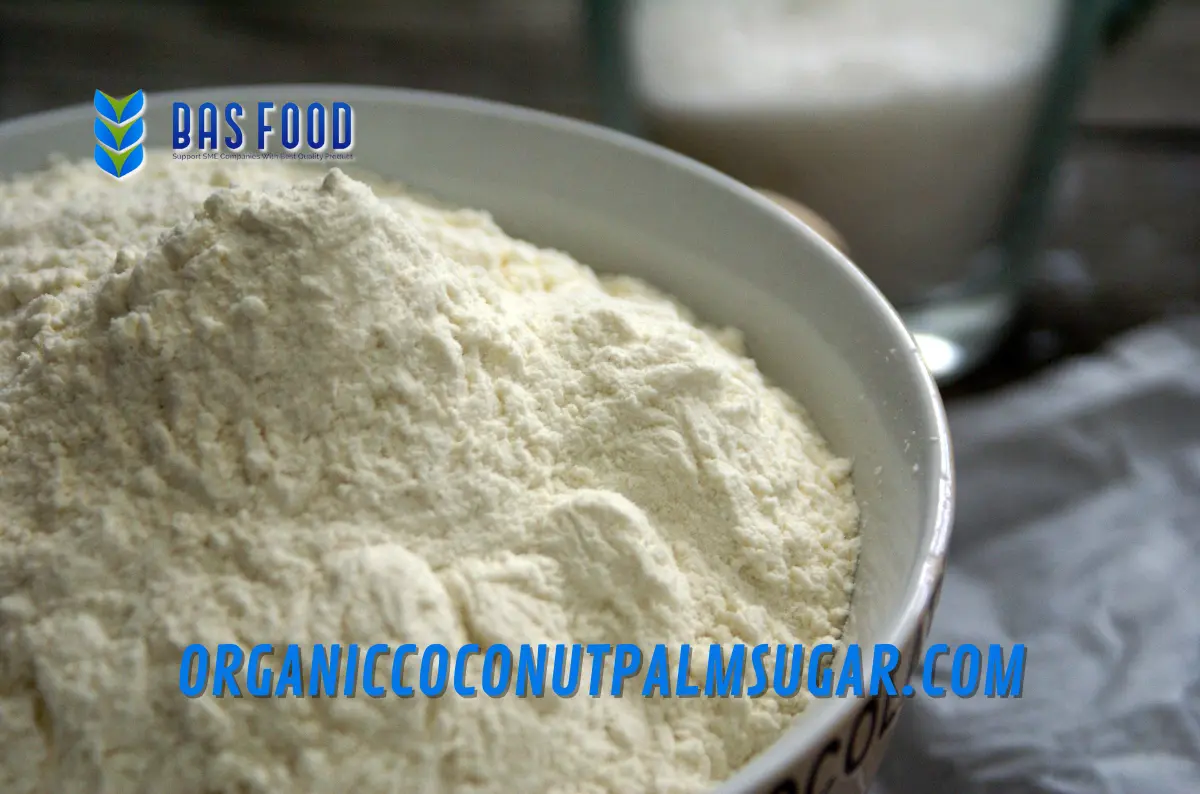
The fine coconut flour grade is popular in formulations requiring smooth consistency and stable blending. Its small particle size makes it easy to disperse in dough, batter, or liquid systems. Because the granulation is uniform, food manufacturers achieve better control over viscosity and product structure.
Fine-grade flour also improves the appearance of finished goods. It reduces visible fiber flecks and ensures a soft crumb texture, which is important for cookies, cakes, powdered beverages, and infant food formulas. Many health-food companies select this grade because it integrates smoothly with other functional ingredients such as proteins and sweeteners.
Its absorption rate is slightly higher than coarser grades, which helps maintain moisture in baked goods. For manufacturers that focus on clean-label and gluten-free recipes, the fine grade is often the top choice. It allows recipe stability without the need for excessive binding agents or additives, which aligns with current consumer preferences.
Comparing the Most Common Coconut Flour Grades in the Market
The market offers several coconut flour grades, and each one plays a specific industrial role. Coarse grade is usually used when manufacturers want texture. It works especially well in granola, cereals, or products that benefit from visible coconut particles. It also helps reduce blend costs when used alongside other plant fibers.
Standard grade is considered the most universal option. It offers balanced absorption, neutral flavor, and consistent performance across many applications. It is commonly used for gluten-free flour mixes, dough enhancers, and general bakery formulations. For factories producing a variety of food products, this grade provides flexibility.
Meanwhile, fine grade is the most sophisticated option. It delivers superior smoothness and easy blending, making it essential for premium baked goods and powdered beverages. Because of its uniformity, fine flour reduces clumping during mixing and helps maintain consistent mouthfeel in consumer products.
Functional Benefits of Each Industrial Coconut Flour Type in Food Manufacturing
Different industrial coconut flour types provide different functional advantages. Coarse flour is valued for its high fiber content and ability to improve texture in cereals and snack bars. It enhances crispiness and provides a natural coconut aroma that complements many food profiles.
Standard-grade flour is the best all-rounder. It absorbs moisture effectively while maintaining balance in dough systems. It prevents products from becoming too dense, which is a common challenge when working with coconut flour. This grade works perfectly as a gluten-free base for pancakes, muffins, bread, and batter mixes.
Fine-grade flour excels in formulations needing smoothness and refined texture. It integrates easily into beverage systems, especially powdered drinks that require even dispersion. Fine flour also creates tender baked goods with better volume and visual appeal. Manufacturers that prioritize premium outcomes usually prefer this grade.
How Food Manufacturers Select the Right Food Manufacturing Flour
Choosing the correct food manufacturing flour depends on the product’s texture, moisture requirement, and processing method. Manufacturers often test several grades before finalizing the one that works best for their equipment and recipe. Since coconut flour absorbs much more water than wheat flour, hydration levels must be adjusted accordingly.
Texture expectations also guide flour selection. Coarse flour suits crunchy and fiber-rich snacks. Standard flour fits general baking needs. Fine flour works best for soft textures or liquid applications like smoothies, beverages, and baby food. Knowing the final product’s characteristics helps narrow down the correct grade.
Cost is also a factor. Coarse and standard grades are often more affordable, but fine grade provides superior performance in premium applications. For manufacturers producing both private-label and branded items, offering multiple coconut flour grades can help diversify product lines without major formulation changes.
The Importance of Quality, Certifications, and Supplier Reliability
Industrial buyers evaluate not only the flour grade but also the reliability of the supplier. They check certifications such as USDA Organic, EU Organic, HACCP, ISO, and Halal to ensure compliance. These certifications are important when exporting to the USA, Europe, Korea, Japan, and Middle Eastern markets.
Consistency is another key factor. Manufacturers need flour that behaves the same in every batch. Variations in moisture, particle size, or aroma can affect performance. Reliable exporters maintain strict quality control systems that monitor production from raw coconuts to final packaging.
CV Bonafide Anugerah Sentosa is one of the trusted exporters supplying coconut products, spices, cocoa, and fishery items. The company works with certified processors and has strong experience supporting industrial buyers worldwide. With their supply capability and technical support, manufacturers gain access to flour that meets the right specifications and performance expectations.
The Role of Indonesian Production in Meeting Global Coconut Flour Demand
Indonesia remains one of the biggest producers of coconut-based ingredients. Its widespread plantations ensure a stable supply of raw materials, which helps maintain consistent quality in all coconut flour grades. Because coconuts grow all year long, factories can operate without major seasonal disruptions.
Indonesian producers also invest in modern processing technologies. These factories use advanced dryers, grinders, and sieving systems to create multiple flour grades. The development of organized farmer networks ensures more uniform raw materials, resulting in better control of oil content and natural aroma.
Another advantage is the country’s strong export infrastructure. Many factories operate near major ports, making logistics efficient for global buyers. With these strengths combined, Indonesia continues to position itself as a leading supplier for food manufacturers.
Practical Uses of Different Coconut Flour Grades in Industrial Applications
Each grade has practical roles in various industrial applications. Coarse flour is ideal for crunchy snacks, biscuits, granola bars, and breading systems. It adds texture while increasing dietary fiber, which appeals to health-conscious consumers.
Standard-grade flour works well in bakery mixes. It is commonly added to pancakes, waffles, muffins, and cookie blends. Because the texture is neither too fine nor too coarse, it behaves predictably in most flour-based formulations.
The fine grade is the most versatile. It dissolves well in powdered beverages, sports nutrition mixes, and instant products. It also contributes to soft textures in cakes and pastries. Its small particle size provides better binding and moisture retention, which improves product quality.
Why CV Bonafide Anugerah Sentosa Is a Reliable Export Partner
For global buyers searching for consistent supply and reliable quality, CV Bonafide Anugerah Sentosa offers a complete range of coconut, cocoa, spices, and fishery products. The company sources coconut flour from certified Indonesian factories and provides full export documentation, including COA, MSDS, and quality assurance reports.
Bonafide supports industrial customers with sample testing, custom specifications, and regular quality checks. This helps manufacturers reduce production risks and optimize their formulations with the correct coconut flour grades. Their experience in global trade makes them a dependable partner for large-scale food companies.
Because Bonafide works with multiple factories, buyers have access to fine, standard, and coarse flour options. This flexibility helps industrial users adjust quickly to new product lines or changes in consumer trends.
Final Thoughts: Choosing the Right Grade for Industrial Success
Understanding coconut flour grades is the first step toward successful formulation in industrial food production. Each grade carries its own strengths, whether it’s texture, absorption, or particle size. By matching the right grade to the intended product, manufacturers can ensure consistent performance, better taste, and improved texture.
As demand for gluten-free and clean-label ingredients continues to rise, coconut flour remains a valuable functional ingredient. With Indonesia’s strong production capacity and the support of exporters like CV Bonafide Anugerah Sentosa, global buyers can secure the right flour grade with confidence.
Contact CV Bonafide Anugerah Sentosa how we can provide the best solutions for you. WhatsApp: +62 8213 4505 737, Email: info@bonafideanugerahsentosa.com / bas.mdir@gmail.com.