Coconut flour certifications play an essential role in export markets because they ensure the product meets strict safety and quality standards. Buyers from Europe, the United States, the Middle East, and East Asia want guarantees that every step of production follows acceptable practices. Certifications give them confidence that the product is safe, clean, and compliant.
Moreover, certifications help importers evaluate suppliers. When a producer holds credible international documents, it becomes easier for global buyers to complete audits and reduce risk. This is especially important for organic and clean-label markets where traceability is mandatory. As a result, certified coconut flour moves more smoothly across borders.
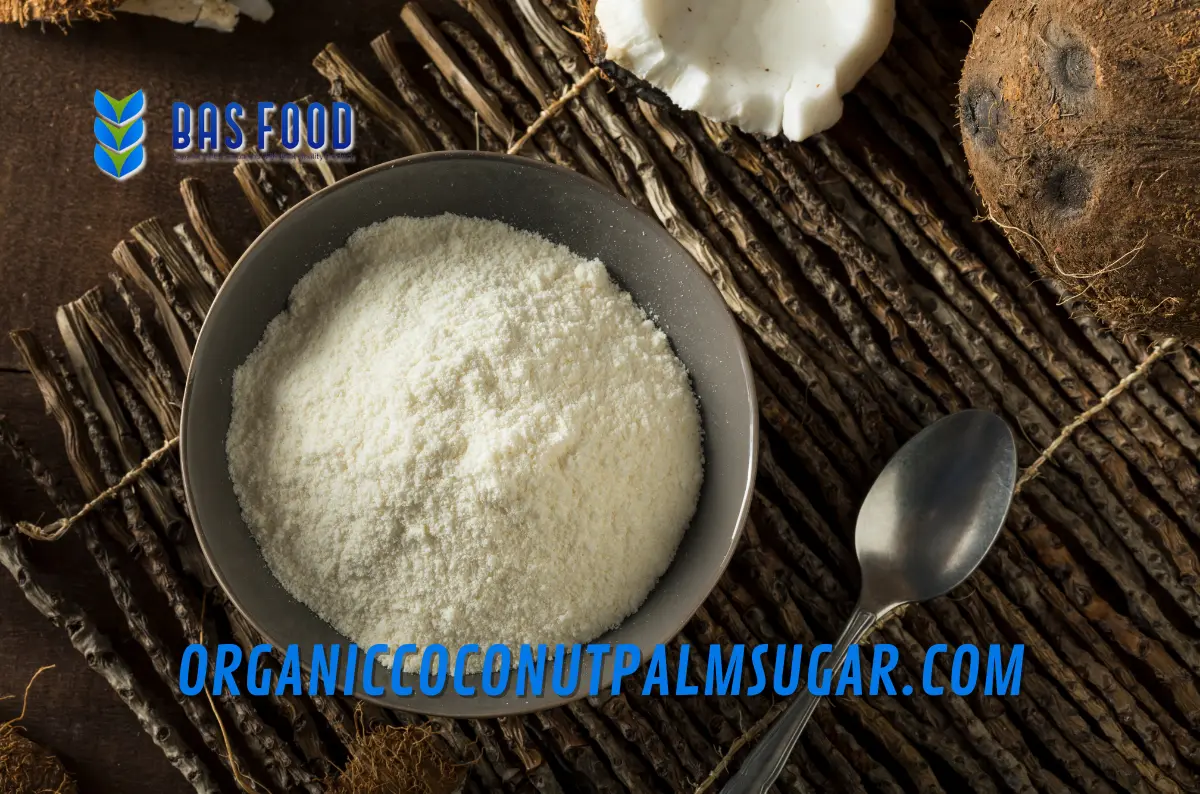
The Role of USDA Certified Coconut Flour in Global Trade
USDA certified coconut flour is one of the most sought-after classifications in the organic food industry. It confirms that the coconut flour comes from farms that follow strict organic farming rules, from planting and harvesting to drying and processing. Because the USDA seal is globally recognized, it opens doors for exporters to enter premium markets.
This certification also simplifies negotiations. Buyers from the United States and many other regions often use USDA Organic as a benchmark for evaluating product integrity. Even when the destination country has its own organic standard, USDA approval increases trust. Many Indonesian producers seek this certification because it gives their products a competitive edge.
Important Organic Export Documents Indonesia Requires
When exporting coconut flour, suppliers must provide a set of organic export documents. These papers prove that the product meets international standards and is handled correctly during the entire supply chain. Indonesia has a well-developed system to support organic exporters, and producers must follow each step closely.
Some of the most important organic export documents Indonesia typically provides include certificates of origin, phytosanitary certificates, and organic compliance letters. These documents help importers with customs clearance and confirm that the coconut flour is safe and legally approved for entry. Without accurate paperwork, even high-quality products may face delays at the border.
Why Halal Coconut Flour Is Essential for Certain Markets
Halal coconut flour has become important as demand from the Middle East, Southeast Asia, and halal-focused retailers continues to rise. A halal certificate ensures the product is processed in facilities that follow Islamic guidelines. This includes cleanliness, handling methods, and avoidance of cross-contamination with prohibited substances.
Brands that operate in Muslim-majority regions rely heavily on halal certification. Without it, the product may not gain approval from distributors or regulators. Since coconut flour is naturally plant-based, it typically complies with halal requirements with ease. However, the official certification remains necessary to access markets like Malaysia, Indonesia, Saudi Arabia, and the UAE.
Key Industry Certifications Importers Should Check
Several major certifications help buyers determine the credibility of coconut flour suppliers. These certifications cover hygiene, food safety, organic practices, and supply chain transparency. Together, they create a strong quality assurance system for global trade.
HACCP and ISO 22000 are commonly required for factory-level food safety assurance. Meanwhile, organic certifications such as USDA, EU Organic, and JAS Organic give suppliers access to high-end health-conscious markets. Additional certifications like Kosher and Halal help brands reach culturally specific buyers. Importers often prefer suppliers with multiple certifications as it reduces risk and improves market acceptance.
Understanding the Coconut Flour Certification Process
The coconut flour certifications process begins at the farm level. Certifying bodies inspect coconut plantations to confirm that they use approved farming methods. They verify that no synthetic chemicals or prohibited substances are used. Each inspection must be documented to create a transparent trail.
After the agricultural stage, the processing facility undergoes rigorous auditing. Inspectors evaluate hygiene standards, machinery cleanliness, handling procedures, and production records. Once the facility meets every requirement, the certifying authority issues the certificate. Exporters must maintain compliance continuously, as regular audits ensure that standards never slip.
How Certifications Strengthen the Coconut Flour Supply Chain
Certifications play a major role in strengthening the supply chain. They improve coordination between farmers, factories, exporters, and importers. With clear requirements in place, each stage of the supply chain becomes more predictable. This reduces quality variations and helps ensure consistent product performance.
Importers also benefit from reduced inspection times. When a shipment is certified, customs and food safety agencies process it faster because the risk level is lower. This gives exporters an advantage in meeting deadlines and maintaining good trade relationships. Certifications help both sides avoid unnecessary delays and miscommunications.
Lab Testing Standards for Coconut Flour Exporters
Beyond certifications, lab testing is essential for confirming that coconut flour meets export criteria. Tests often check moisture content, microbial counts, aflatoxin levels, and color consistency. These results determine the final quality grade of the product and influence its market value.
Organic coconut flour typically goes through even more rigorous testing. Laboratories verify that no pesticides or chemical residues are present. Many importers request additional allergen testing and heavy metal examination. Reliable suppliers provide these lab reports with every shipment, ensuring complete transparency.
Why Buyers Prefer Certified Indonesian Coconut Flour
Indonesia has earned a strong reputation for producing certified coconut flour that meets global expectations. The country has a long history of coconut farming, which ensures access to fresh raw materials. Many factories also invest in modern equipment and consistent quality control systems.
This combination of natural resources and technical capability makes Indonesian coconut flour attractive to global buyers. When suppliers hold USDA Organic, EU Organic, Halal, HACCP, or ISO certifications, importers gain confidence that the products match international quality standards. It’s one reason the country continues to expand its export volume each year.
CV Bonafide Anugerah Sentosa: A Trusted Certified Coconut Supplier
CV Bonafide Anugerah Sentosa stands out as one of Indonesia’s reliable producers and exporters of coconut derivatives. The company supplies coconut flour, coconut sugar, spices, fishery products, and coffee to global markets. Importers appreciate their commitment to high standards and their readiness to provide complete documentation.
Their facility follows strict quality control systems, and they support buyers who need USDA certified coconut flour, halal coconut flour, and other export-ready documents. With years of experience in handling international shipments, they help ensure that every order meets the certification requirements of each destination country.
How Certifications Help Importers Build Stronger Brands
Certified coconut flour doesn’t only help with compliance. It also gives food brands a strong marketing advantage. Consumers feel more confident buying products labeled organic, halal, or sustainably sourced. When brands showcase these certifications on packaging, they boost customer trust.
Clean-label and organic markets are highly competitive. Companies that use certified ingredients stand out because they prove their commitment to quality. Certification symbols also help build credibility on e-commerce platforms, retailer shelves, and export marketing campaigns.
What Importers Should Prioritize When Reviewing Supplier Certifications
Importers should always check whether the certification is valid, up to date, and issued by an accredited body. Many markets require certificates from recognized authorities. Outdated documents can cause delays during customs clearance or lead to failed audits.
Importers should also review whether the certification matches the intended market. For example, USDA Organic is essential for the United States, while EU Organic is needed for Europe. If a product will be sold in halal markets, halal certification becomes a priority. Clear alignment helps prevent regulatory issues later.
Conclusion
Coconut flour certifications are a key part of global trade. They guarantee quality, build trust, and help importers navigate regulatory requirements with confidence. From USDA certified coconut flour to halal coconut flour and essential organic export documents, each certification plays a role in ensuring smooth international shipments. With strong support from Indonesian producers like CV Bonafide Anugerah Sentosa, importers can access certified coconut flour that meets the expectations of premium markets worldwide.
Contact CV Bonafide Anugerah Sentosa how we can provide the best solutions for you. WhatsApp: +62 8213 4505 737, Email: info@bonafideanugerahsentosa.com / bas.mdir@gmail.com.