Indonesia holds a unique position in the global coconut market. As an Indonesian desiccated coconut exporter, the country produces millions of tons of coconuts each year, thanks to fertile volcanic soil, tropical weather, and vast coconut-growing regions spread across Sulawesi, Sumatra, Java, and the eastern islands. Because of that natural advantage, Indonesia has long been a major supplier to food manufacturers, distributors, and ingredient wholesalers around the world.
Buyers often compare several origins before deciding where to source. However, Indonesian desiccated coconut consistently ranks among the top choices for quality, reliability, and price. When importers evaluate the full picture — from farming systems to export readiness — they find Indonesia offers one of the strongest value propositions in the entire coconut industry.
Global demand for desiccated coconut keeps rising as more companies develop bakery products, confectionery, health foods, and plant-based ingredients. Since Indonesia delivers a steady supply with competitive pricing, buyers naturally gravitate toward the country. For many importers, working with an established Indonesian desiccated coconut exporter becomes a long-term strategic decision.
The Strength of Indonesia’s Coconut Supply Chain
Indonesia’s coconut supply chain is built on a mix of traditional farming and modern processing. Smallholder farmers still play the biggest role in coconut production. Many have cultivated coconut trees for generations, creating deep agricultural knowledge that supports consistent yields year after year. This long-standing tradition contributes to the stability that buyers appreciate.
At the same time, processing facilities across the country have upgraded significantly in the past decade. Modern desiccated coconut factories now comply with strict food safety standards such as HACCP, ISO, and FDA requirements. These industrial improvements allow Indonesian suppliers to meet the needs of international buyers who require strict quality control for ingredients used in global food brands.
Because the supply chain is so established, it operates smoothly even during high-volume export seasons. Importers benefit from predictable shipping schedules and consistent product specifications. The coconut supply chain also supports a wide range of product types, from fine-grade desiccated coconut to medium and high-fat variations. This flexibility makes Indonesia a preferred source for buyers with differentiated requirements.
What Makes Indonesian Desiccated Coconut Stand Out
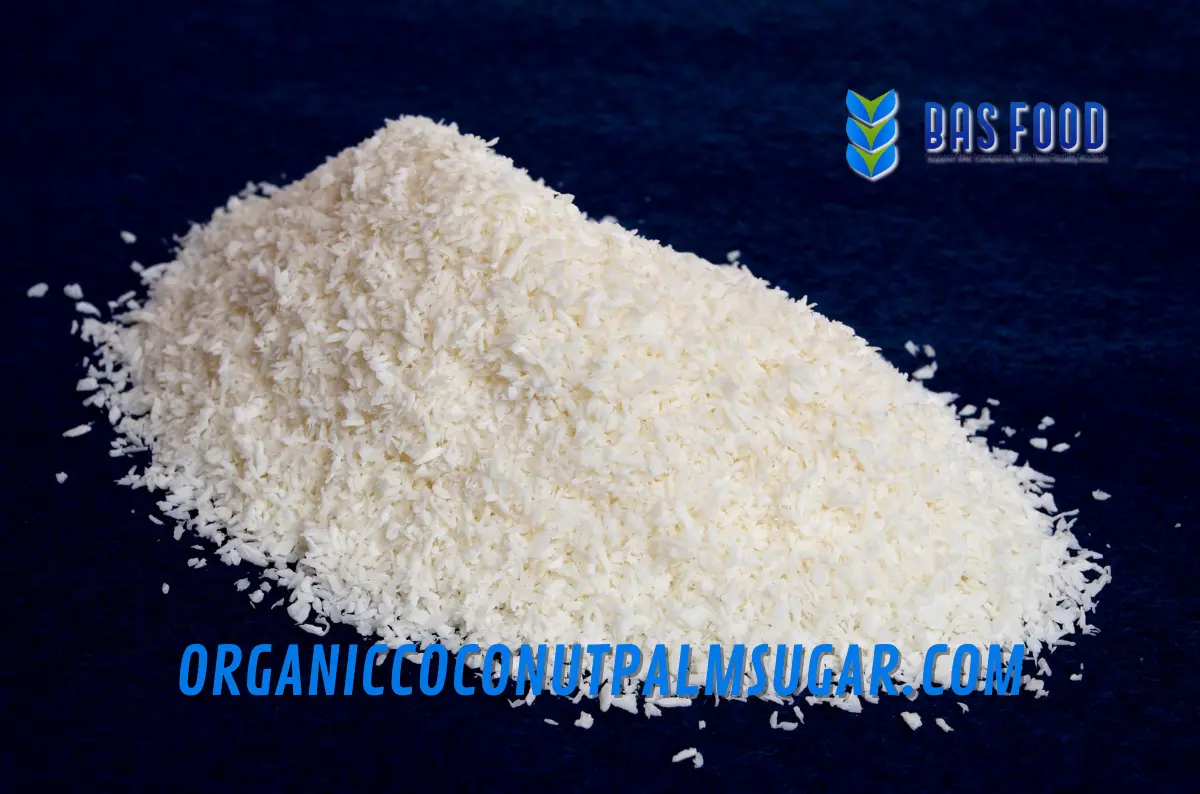
One of the most important reasons importers rely on Indonesia is product quality. The country’s coconuts tend to have higher fat content compared to coconuts from other origins. As a result, Indonesian desiccated coconut has a richer aroma, whiter color, and better baking performance. Food manufacturers often look specifically for these attributes because they affect the final taste and texture of their products.
Processing methods in Indonesia also contribute to consistent quality. Most factories use a combination of heat sterilization, mechanical drying, and strict grading standards to maintain hygiene and uniformity. When an importer buys from a reputable Indonesian desiccated coconut exporter, they can expect batch-to-batch consistency — a critical factor for factories running high-precision recipes.
Another strength is the availability of bulk packaging formats. Indonesian desiccated coconut is commonly shipped in 25 kg bags, 50 kg bags, kraft bags, or big-bag ton sacks for large buyers. This flexibility reduces handling costs and makes procurement easier for wholesalers and food-service distributors. Combined with competitive pricing, these advantages create a strong appeal for global buyers.
Bulk Coconut Export: Why Indonesia Handles Volume Better
Importers dealing with large quantities need suppliers who understand high-volume logistics. Indonesia has decades of experience exporting coconuts and coconut-based products, which means exporters are accustomed to managing big shipments, container coordination, and documentation requirements. This deep experience reduces the risk of delays and helps importers plan their supply without disruptions.
Another factor is port readiness. Major export ports like Surabaya, Belawan, Makassar, and Tanjung Priok already handle large volumes of agricultural products. Many manufacturers operate close to these ports, which shortens domestic transport time and lowers the risk of product exposure to humidity. The efficiency of Indonesia’s ports is an important advantage for buyers ordering container loads of desiccated coconut throughout the year.
Bulk coconut export from Indonesia also benefits from strong maritime routes to Asia, the Middle East, Europe, and North America. Shipping lines operate on regular schedules, so buyers can maintain steady inventory cycles. When supply security becomes a priority, importers tend to choose exporting countries that can deliver on time and in the volumes they need. Indonesia consistently meets that requirement.
Coconut Trade Benefits: What Importers Gain from Choosing Indonesia
Importing from Indonesia gives buyers several clear advantages. First, cost competitiveness is a major factor. Indonesia offers some of the most affordable desiccated coconut prices globally due to abundant raw materials and efficient farming systems. This enables importers to achieve better margins or maintain competitive pricing in their markets.
Second, Indonesia has strong trade relationships with many countries. As a result, documentation, shipping coordination, and regulatory compliance tend to be smoother. The coconut export process has been refined over years of international trade. Importers who work with experienced exporters find the process straightforward and reliable, which reduces administrative burden for their teams.
Third, Indonesia offers long-term supply stability. Coconut trees produce year-round, and the country grows coconuts across multiple islands. This geographic diversity protects the supply chain from disruptions caused by weather, seasonal changes, or localized challenges. Importers looking for consistent sourcing over many years often choose Indonesia because it can support their growth.
The Role of Reliable Indonesian Desiccated Coconut Exporters
Not all suppliers operate at the same level, which is why choosing the right partner matters. A trusted Indonesian desiccated coconut exporter understands international buyer requirements and provides the right documentation, quality standards, and communication practices. This ensures smooth transactions and helps avoid common import challenges.
Reputable suppliers also invest in production consistency, packaging quality, and moisture control — all essential for product integrity during long-distance shipping. Good exporters monitor each stage of the coconut supply chain, from raw material sourcing to factory processing and loading onto containers. When buyers choose the right exporter, they minimize risks associated with spoilage, quality issues, or delays.
One established supplier in this space is CV Bonafide Anugerah Sentosa, a trusted fishery, spices, coconut supplier, and producer from Indonesia. The company provides a wide range of export commodities, including high-quality desiccated coconut sourced from reliable processing partners. Importers who work with experienced companies like Bonafide benefit from smoother transactions and clear communication throughout the export process.
Sustainability and Transparency in Indonesia’s Coconut Industry
Modern buyers place more value on sustainable sourcing. Indonesia has taken steps to support environmentally conscious coconut farming through community-based initiatives, organic production programs, and improved agricultural training for farmers. Many exporters now provide traceability, allowing buyers to understand where their coconuts come from and how they were produced.
The use of environmentally friendly processing systems is also increasing. Factories invest in waste-reduction systems, energy-efficient drying, and cleaner production methods. These efforts align with the priorities of global brands that want ethically sourced and environmentally responsible ingredients.
Transparency is another growing focus. Reliable exporters provide clear details about origin, processing methods, certifications, and specification sheets. This level of openness helps importers meet compliance needs in their home countries while building trust with end customers.
How Buyers Can Maximize Value When Importing from Indonesia
To get the most from the coconut trade benefits Indonesia offers, buyers should approach sourcing with a clear strategy. First, it helps to define product specifications from the beginning — fat percentage, grade (fine or medium), color preference, and packaging type. Indonesian suppliers can produce a wide range of variations, so clear specs help avoid miscommunication.
Next, importers should verify the exporter’s experience with international shipments. A supplier familiar with the coconut supply chain and global compliance standards will be able to handle shipping and documentation more effectively. Experienced exporters often act as partners, not just sellers, helping buyers navigate port regulations, packaging adjustments, and freight options.
Finally, building long-term relationships with suppliers creates additional value. Many Indonesian exporters offer better pricing, priority production, and faster scheduling for repeat buyers. Establishing consistent cooperation can strengthen supply stability and improve cost efficiency over time. For serious importers, Indonesia becomes more than a supplier — it becomes a strategic sourcing base.
Conclusion
Global buyers continue to prefer Indonesia for desiccated coconut because the country combines strong agricultural resources, modern processing capabilities, and export expertise. The coconut supply chain is mature, efficient, and able to support growth for importers of all sizes. When combined with cost advantages and reliable logistics, Indonesia becomes an ideal sourcing destination for any company using desiccated coconut as a core ingredient.
Partnering with a reputable Indonesian desiccated coconut exporter such as CV Bonafide Anugerah Sentosa further enhances the experience. With reliable product quality, smooth communication, and strong export capabilities, importers can source confidently and build long-term supply foundations.
Contact CV Bonafide Anugerah Sentosa how we can provide the best solutions for you. WhatsApp: +62 8213 4505 737, Email: info@bonafideanugerahsentosa.com / bas.mdir@gmail.com.